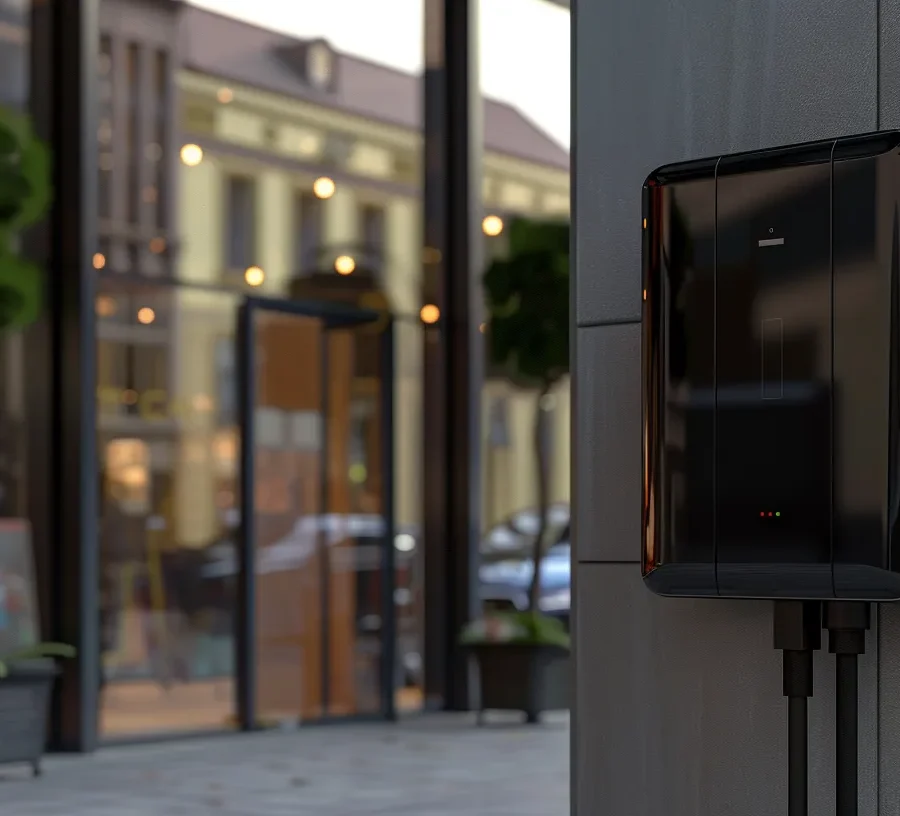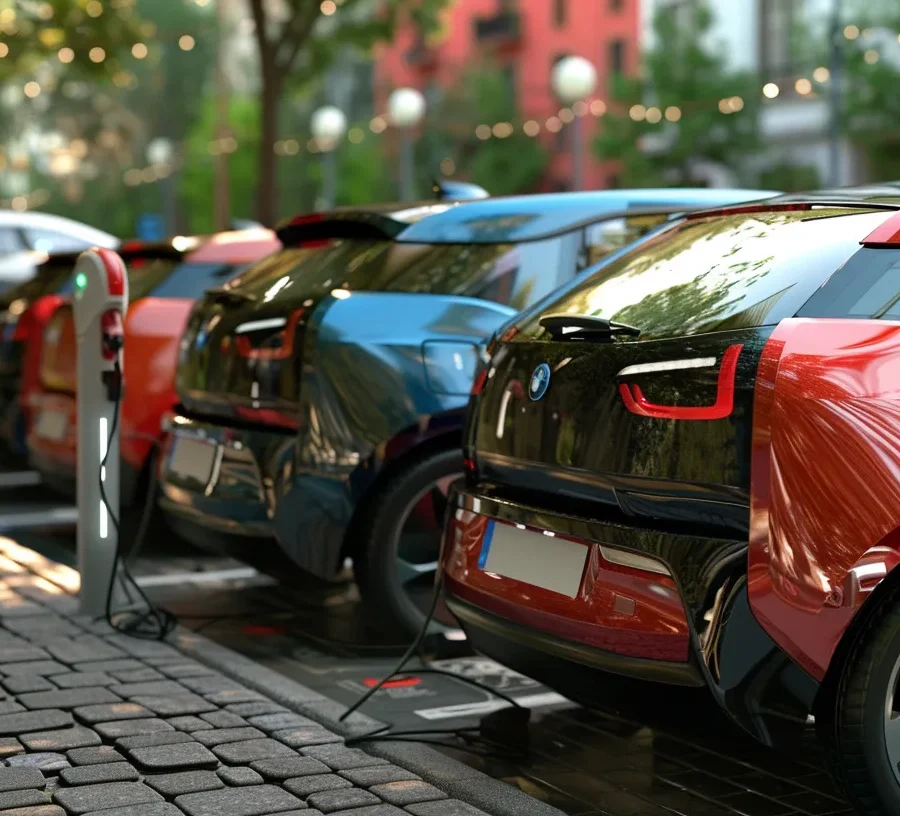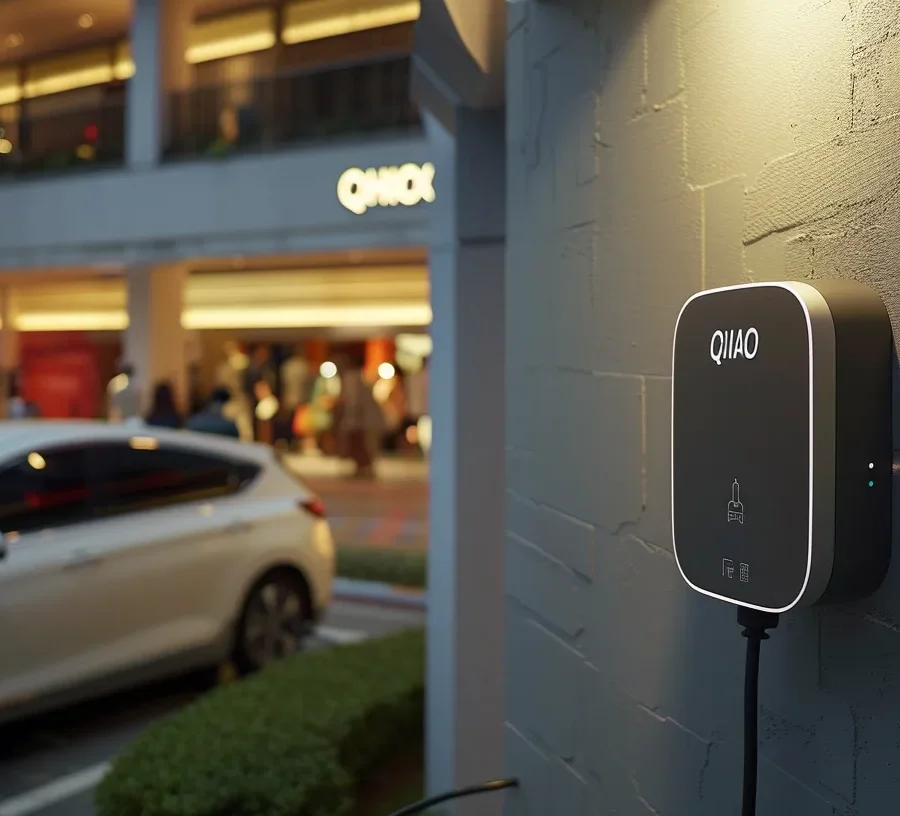

As electric vehicles become part of everyday transportation, EV infrastructure is no longer limited to large enterprises or utility-scale projects. In fact, AC charging has emerged as the most practical entry point for small and medium-sized businesses (SMBs) looking to participate in the EV ecosystem without excessive capital investment.
For retail operators, office landlords, hospitality providers, and light fleet owners, AC charging offers a realistic path to adopt EV infrastructure while maintaining cost control and operational flexibility.
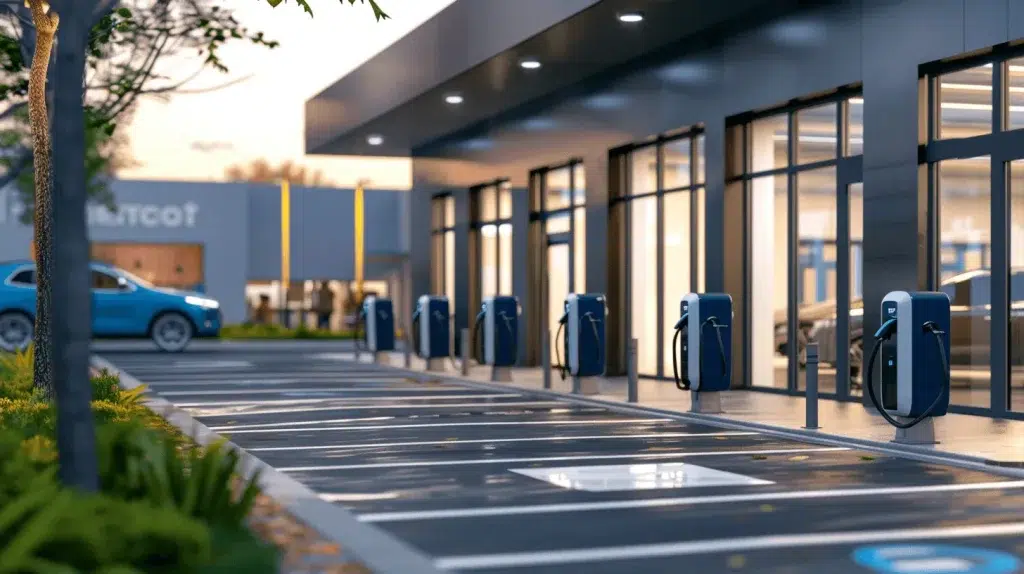
Why EV Infrastructure Is No Longer Just for Large Enterprises
Historically, EV charging projects were associated with high-power DC fast chargers, complex grid upgrades, and long deployment cycles. These barriers discouraged many smaller businesses from entering the market.
However, most real-world charging demand does not require fast charging. Vehicles are often parked for hours at workplaces, hotels, residential properties, or depots—making AC charging the most efficient and economical solution.
This shift has opened the door for SMBs to participate in EV infrastructure with significantly lower risk.
AC Charging: The Ideal Starting Point for Small Businesses
AC EV chargers are designed for daily, long-dwell charging scenarios, which align closely with how small businesses operate.
Key advantages include:
- Lower hardware and installation costs
- Minimal impact on existing electrical infrastructure
- Faster permitting and deployment timelines
- Easier scalability as demand grows
For many small businesses, AC charging is not a compromise—it is the most rational technical choice.
Cost Control and Predictable ROI
One of the biggest concerns for SMBs is return on investment. AC charging supports predictable financial planning by keeping both upfront and ongoing costs manageable.
| Cost Factor | AC Charging Advantage |
| Equipment Cost | Significantly lower than DC chargers |
| Installation | Often no transformer upgrade required |
| Energy Demand | Reduced peak load pressure |
| Maintenance | Simpler hardware, lower failure rates |
| Expansion | Easy to add chargers incrementally |
This cost structure allows small businesses to start small and expand gradually, aligning EV infrastructure investment with actual usage.
Simplified Operations Through Smart Management
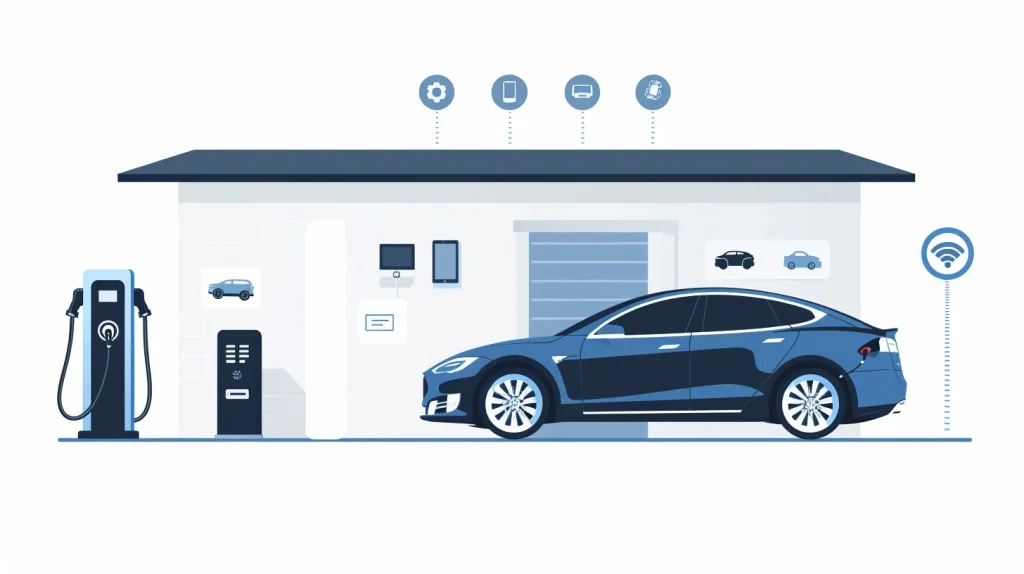
Modern AC EV chargers are no longer standalone devices. When paired with remote management and basic energy management features, small businesses gain enterprise-level control without enterprise-level complexity.
Typical capabilities include:
- Remote monitoring of charger status
- Usage tracking and basic reporting
- Load balancing to protect building capacity
- Access control for employees or customers
These features reduce operational burden and eliminate the need for dedicated on-site management staff.
Real-World Use Cases for Small Businesses
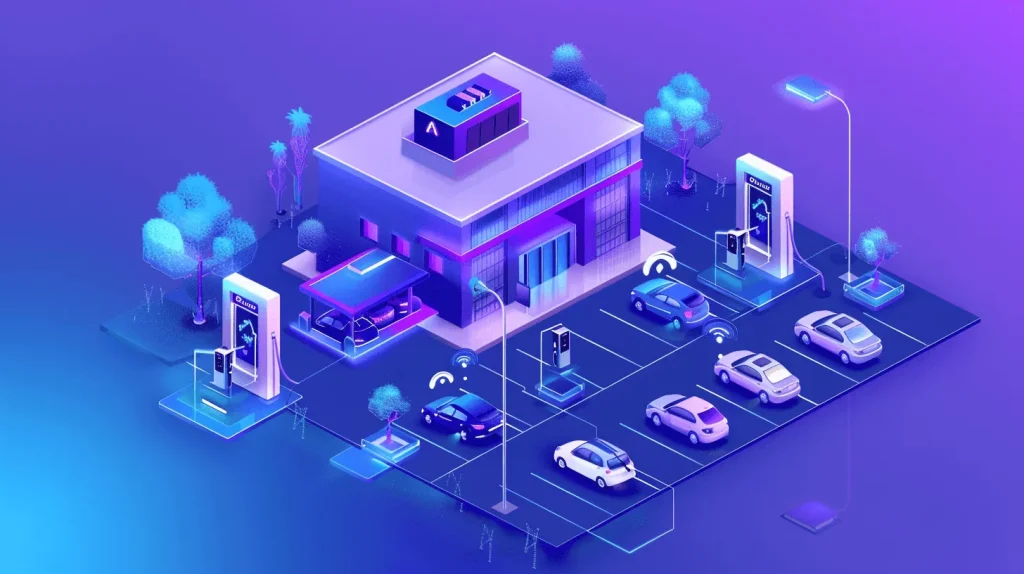
AC charging is particularly well-suited for SMB environments such as:
- Office buildings and shared workspaces
- Small hotels and serviced apartments
- Retail centers and commercial plazas
- Local delivery fleets with overnight parking
In these scenarios, charging speed is less critical than reliability, uptime, and total cost of ownership.
Why AC Charging Is a Strategic Entry, Not a Temporary Solution
For small businesses, AC charging is not merely a stepping stone—it is often the long-term backbone of their EV infrastructure.
As EV adoption increases, AC chargers can continue operating alongside future upgrades, integrating into broader energy management systems or hybrid AC/DC deployments. This makes early AC charging investments future-compatible rather than disposable.
How QIAO Supports Small Businesses Entering EV Infrastructure
At QIAO, we design AC EV charging solutions specifically for commercial and small-business environments. Our chargers emphasize reliability, ease of installation, and compatibility with common management platforms—allowing businesses to deploy EV charging confidently and scale when ready.
As a B2B AC EV charging solution provider, QIAO supports partners from initial planning through long-term operation, helping small businesses enter EV infrastructure with clarity and control.
Explore our commercial AC charging solutions and partnership programs to learn how your business can get started.