

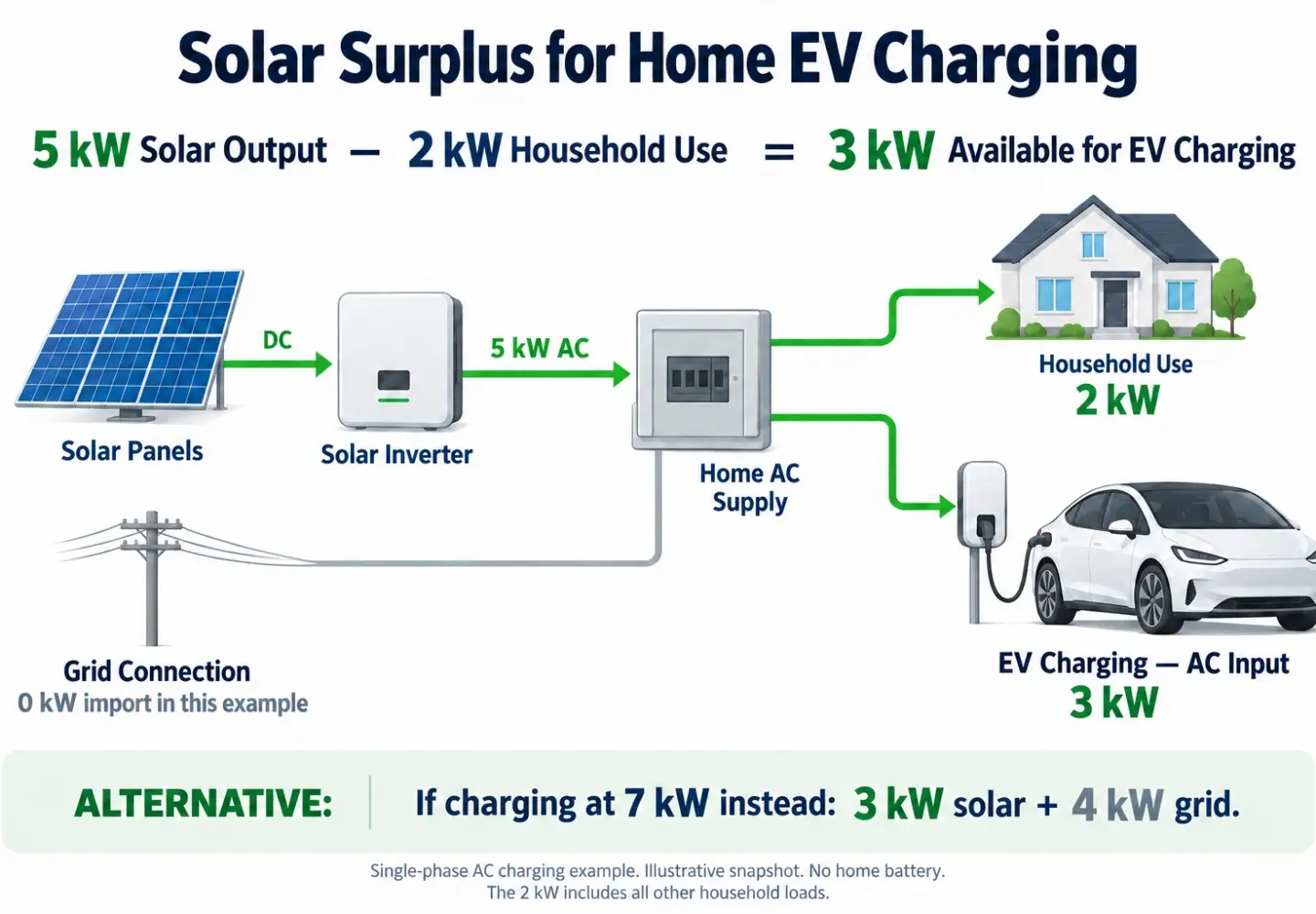
Home EV Charging in Australia: Charger Power, Solar and Installation Checks
Home EV charging in Australia starts with your daily driving, your car’s AC charging limit and your home’s electrical...
Read More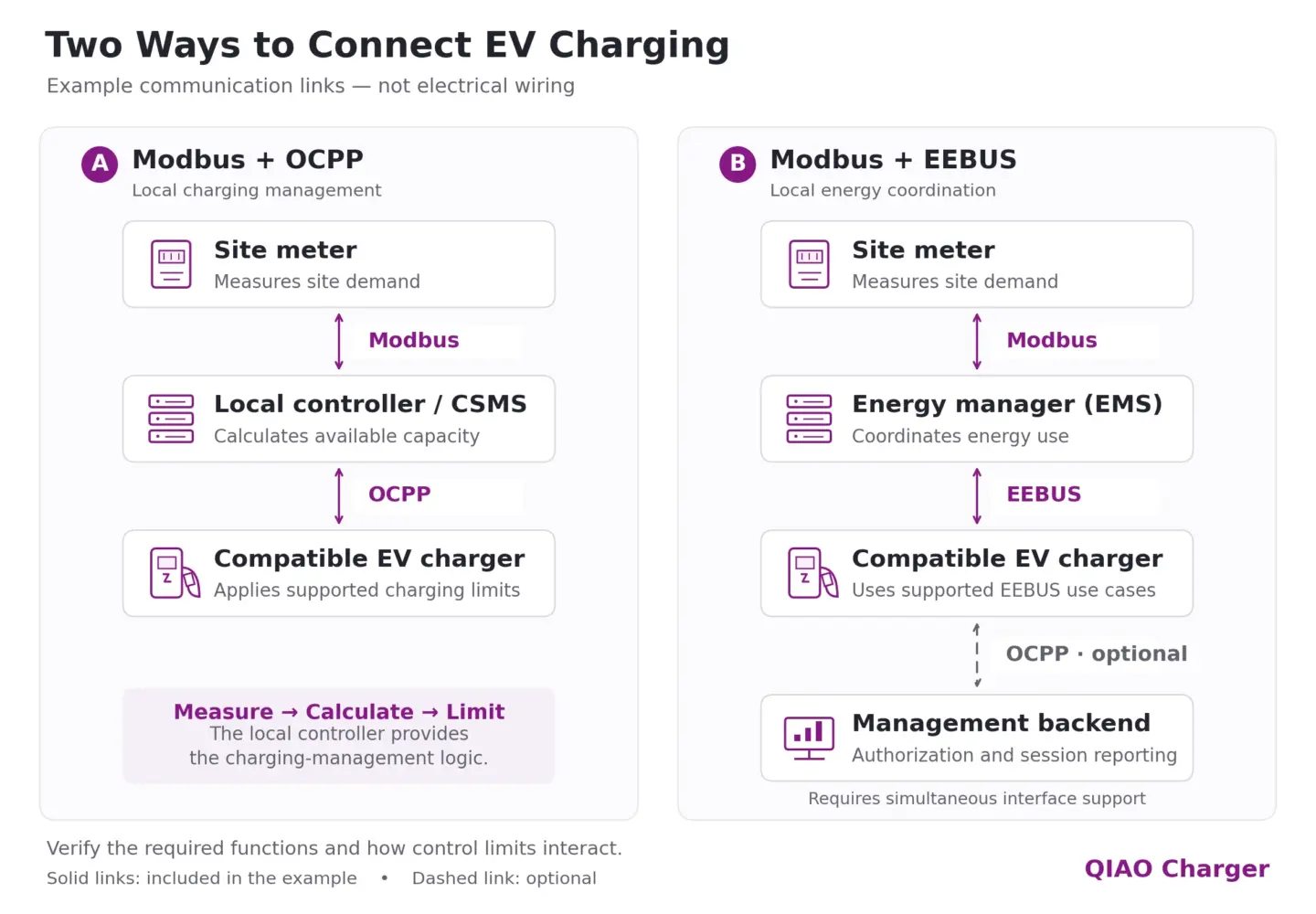
OCPP, Modbus and EEBUS in EV Charging: Differences and How They Work Together
OCPP connects EV chargers to charging management systems. Modbus carries device readings and control commands, while EEBUS provides a...
Read More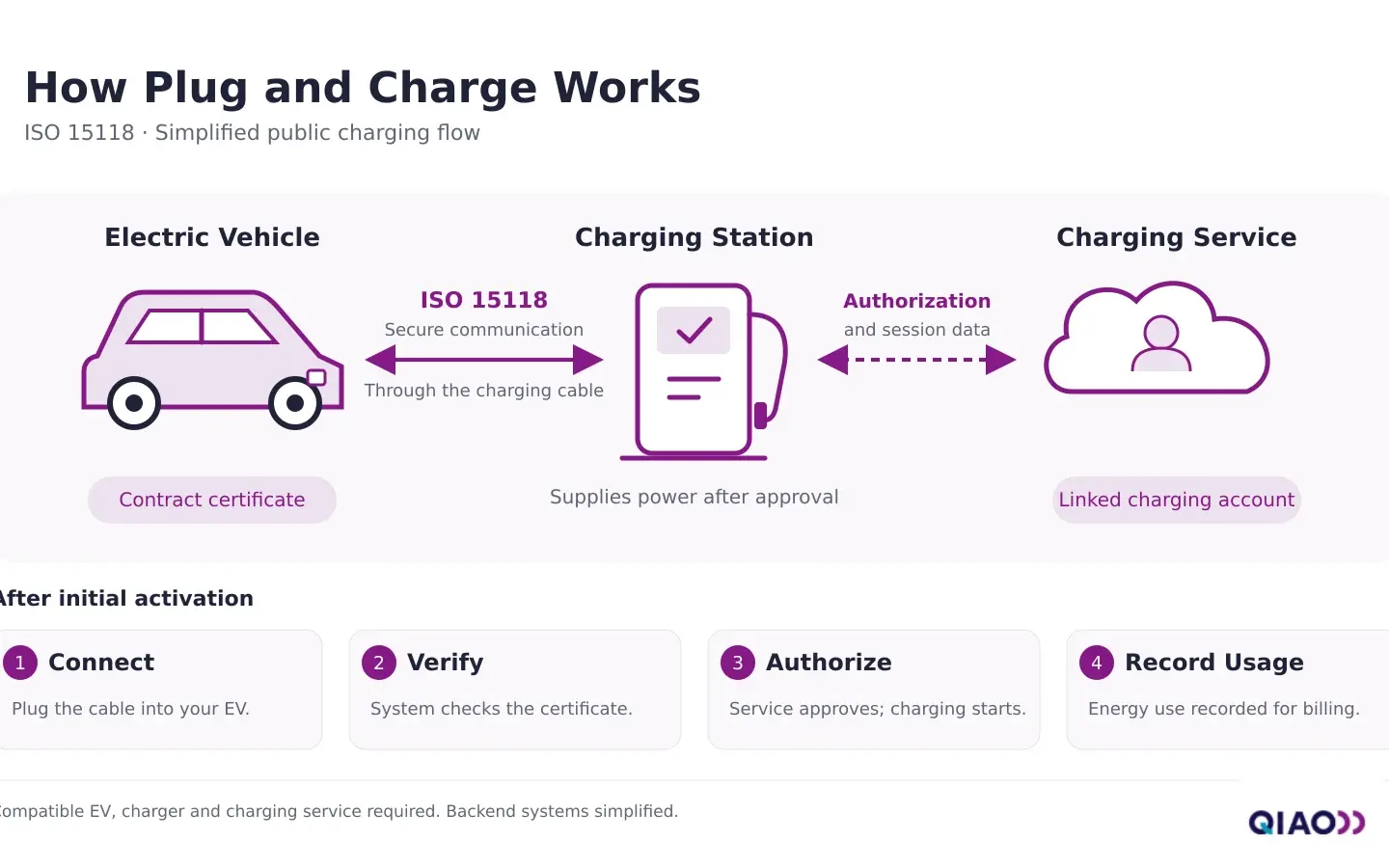
What Is Plug and Charge? How It Works and What You Need
Plug and Charge lets you connect your EV to a compatible charger and start charging without opening an app...
Read More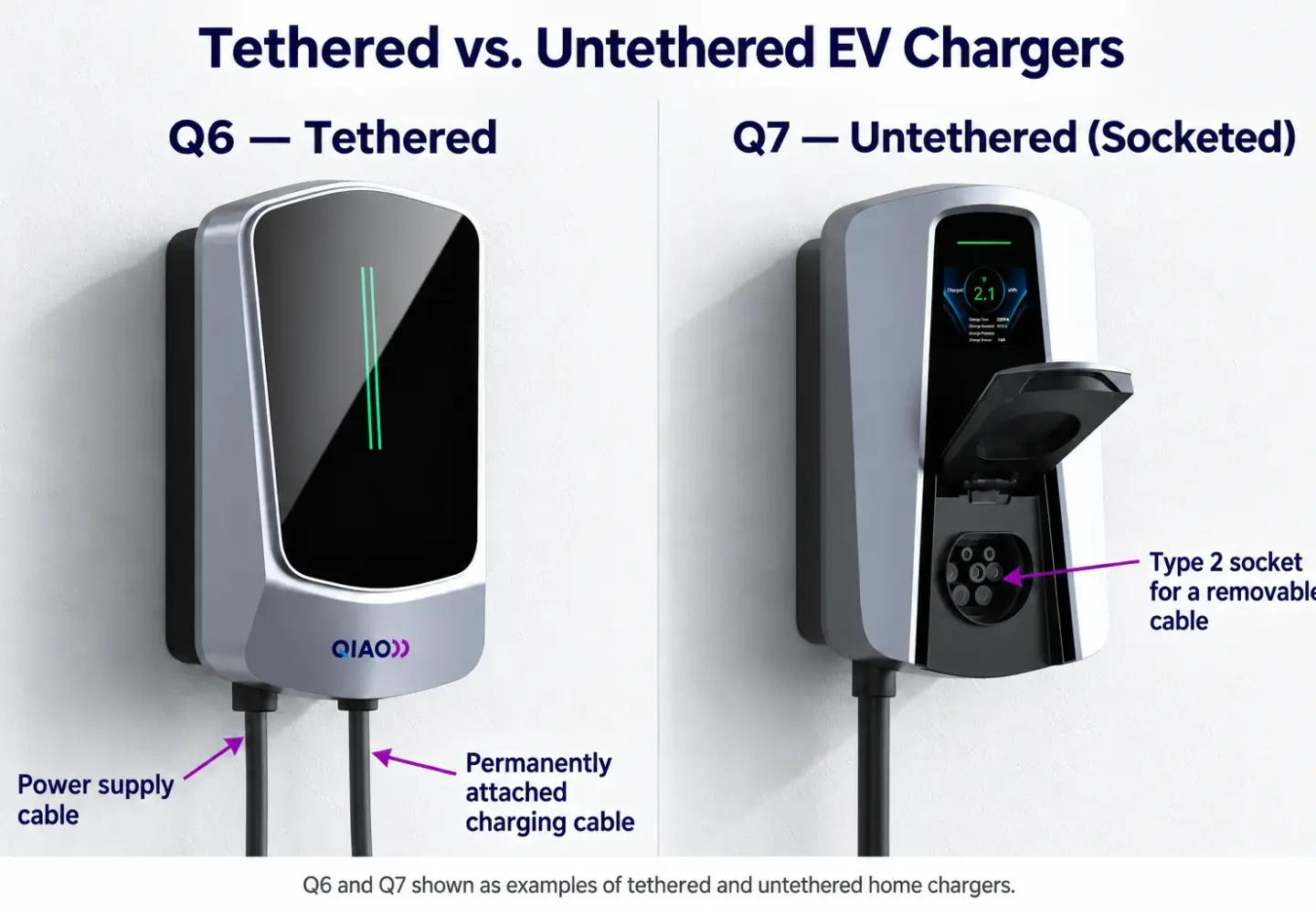
Tethered vs. Untethered EV Chargers: Which Should You Choose for Home
A tethered EV charger has a permanently attached charging cable. An untethered EV charger has a socket for a...
Read More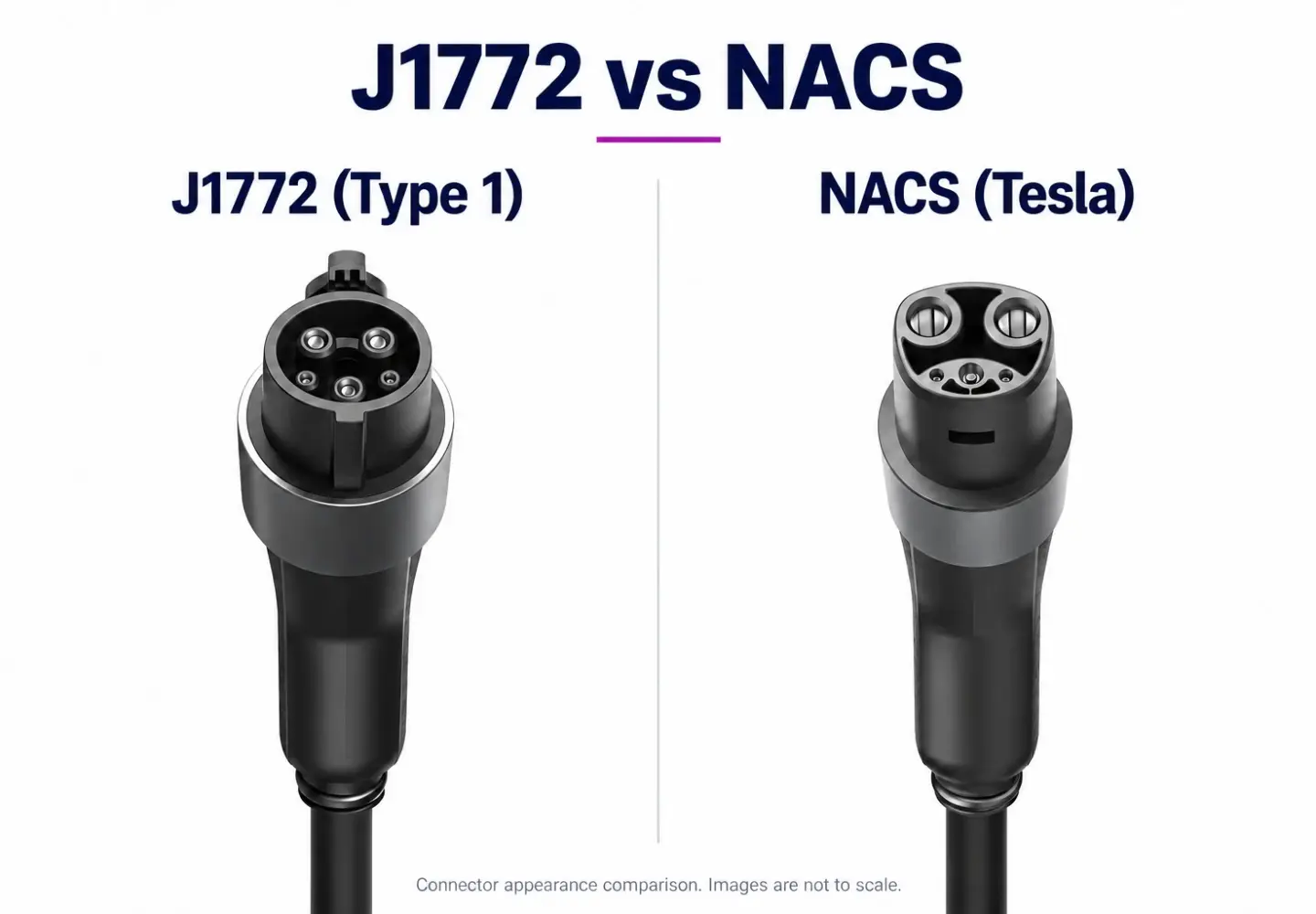
J1772 vs. NACS: Differences, Compatibility, and Which Charger to Choose
J1772 (Type 1) is a common North American connector for Level 1 and Level 2 AC charging. NACS, originally...
Read More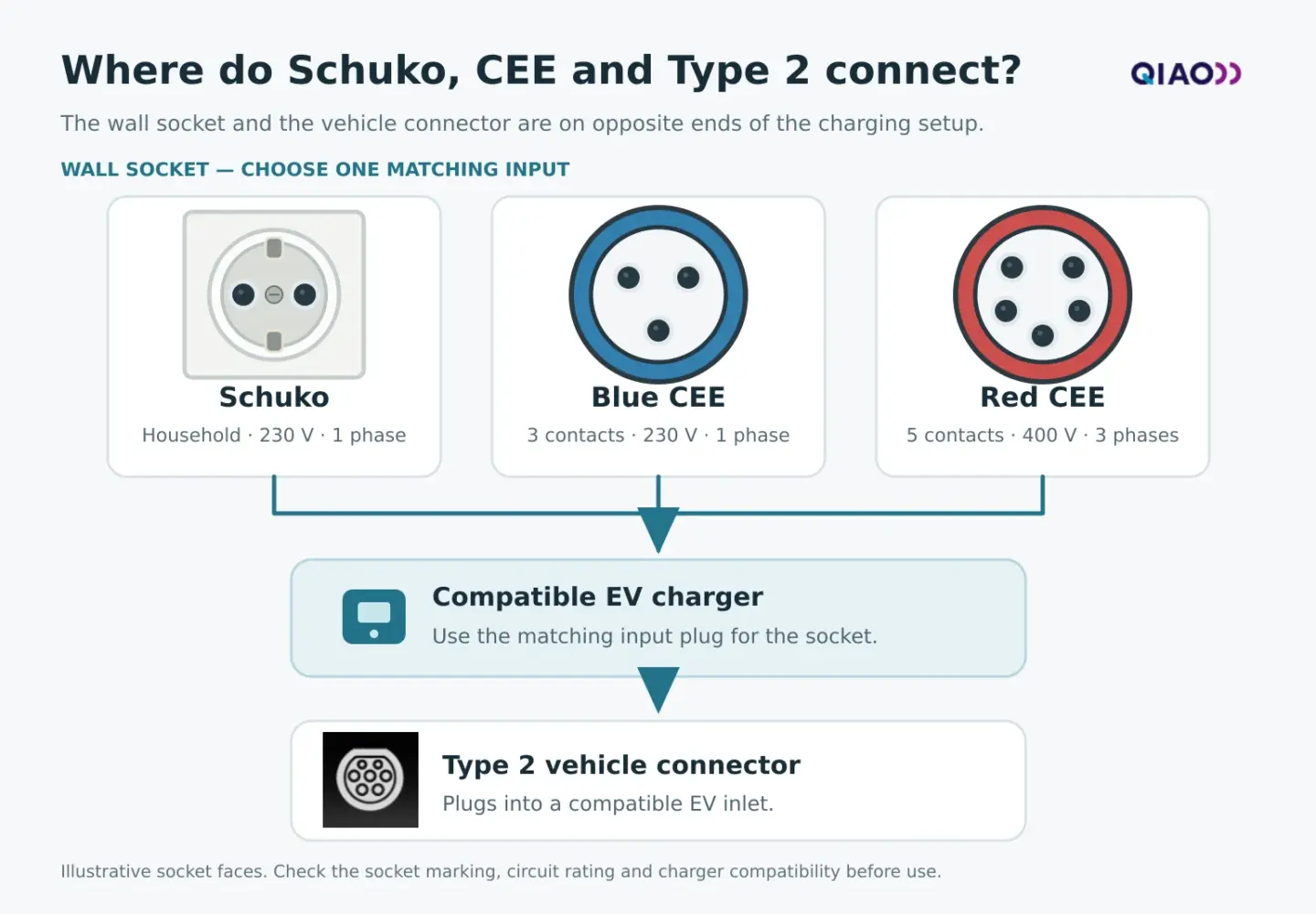
Schuko vs. Blue CEE vs. Red CEE for EV Charging: Which Plug Do You Need?
Schuko, Blue CEE, and Red CEE are plugs that connect a compatible EV charger to an electrical socket. A...
Read More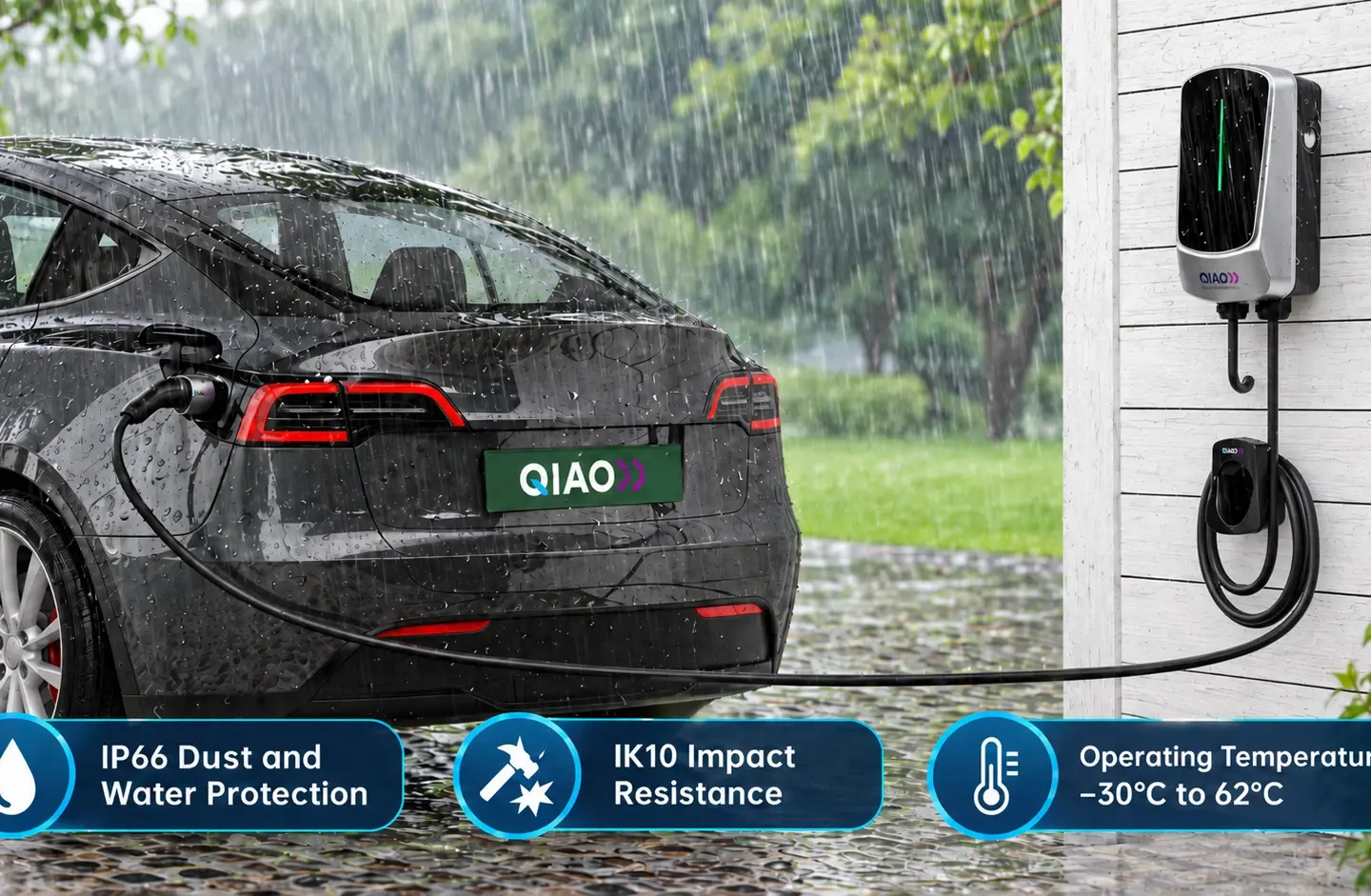
Home EV Charging in Germany: What to Check Before Buying a Wallbox
For most drivers with private parking in Germany, a wallbox is a better choice for regular home charging than...
Read More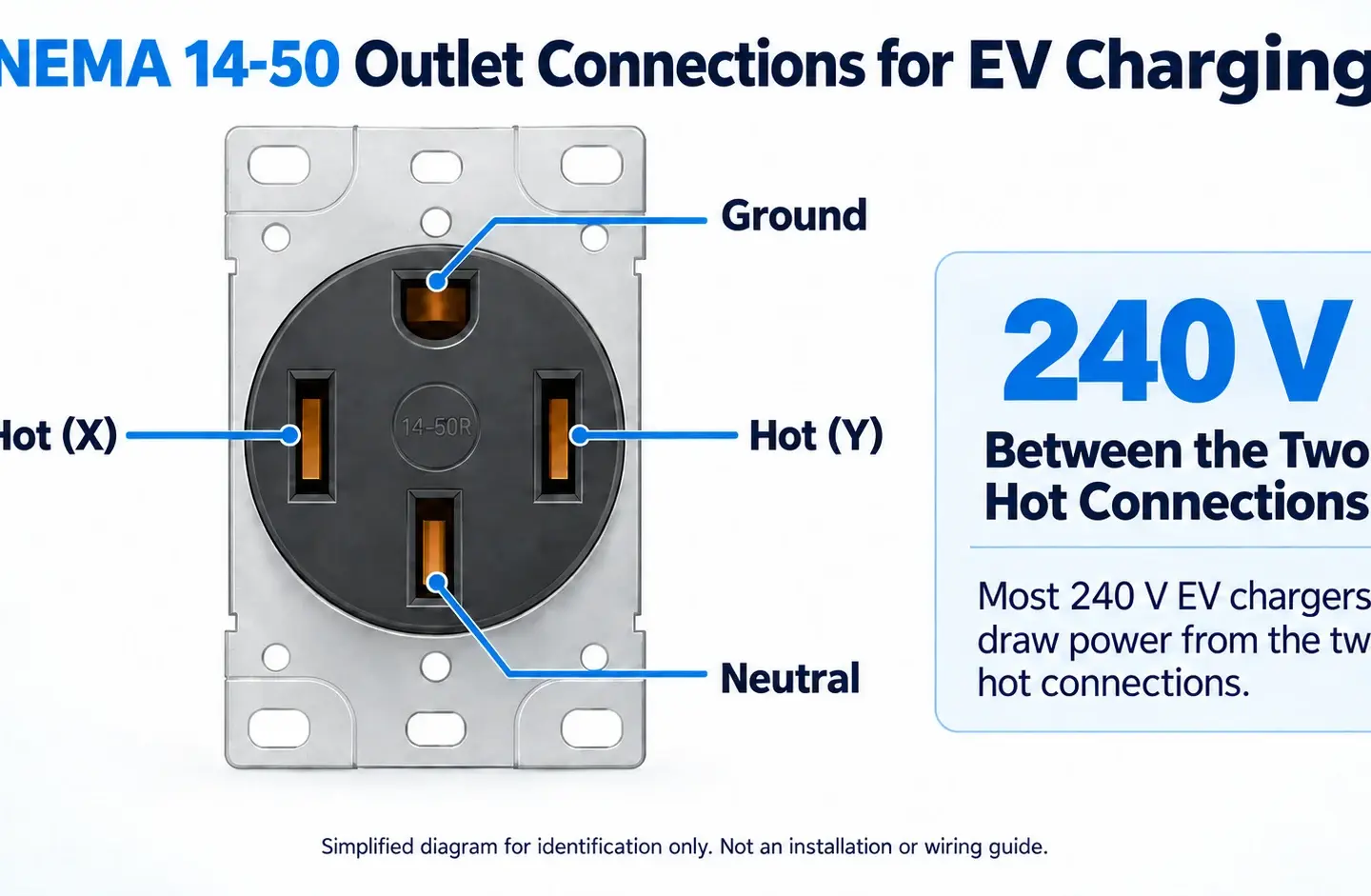
NEMA 14-50 Outlet for EV Charging: A Complete Homeowner’s Guide
A NEMA 14-50 outlet can support Level 2 EV charging at up to 40 amps on a properly installed...
Read More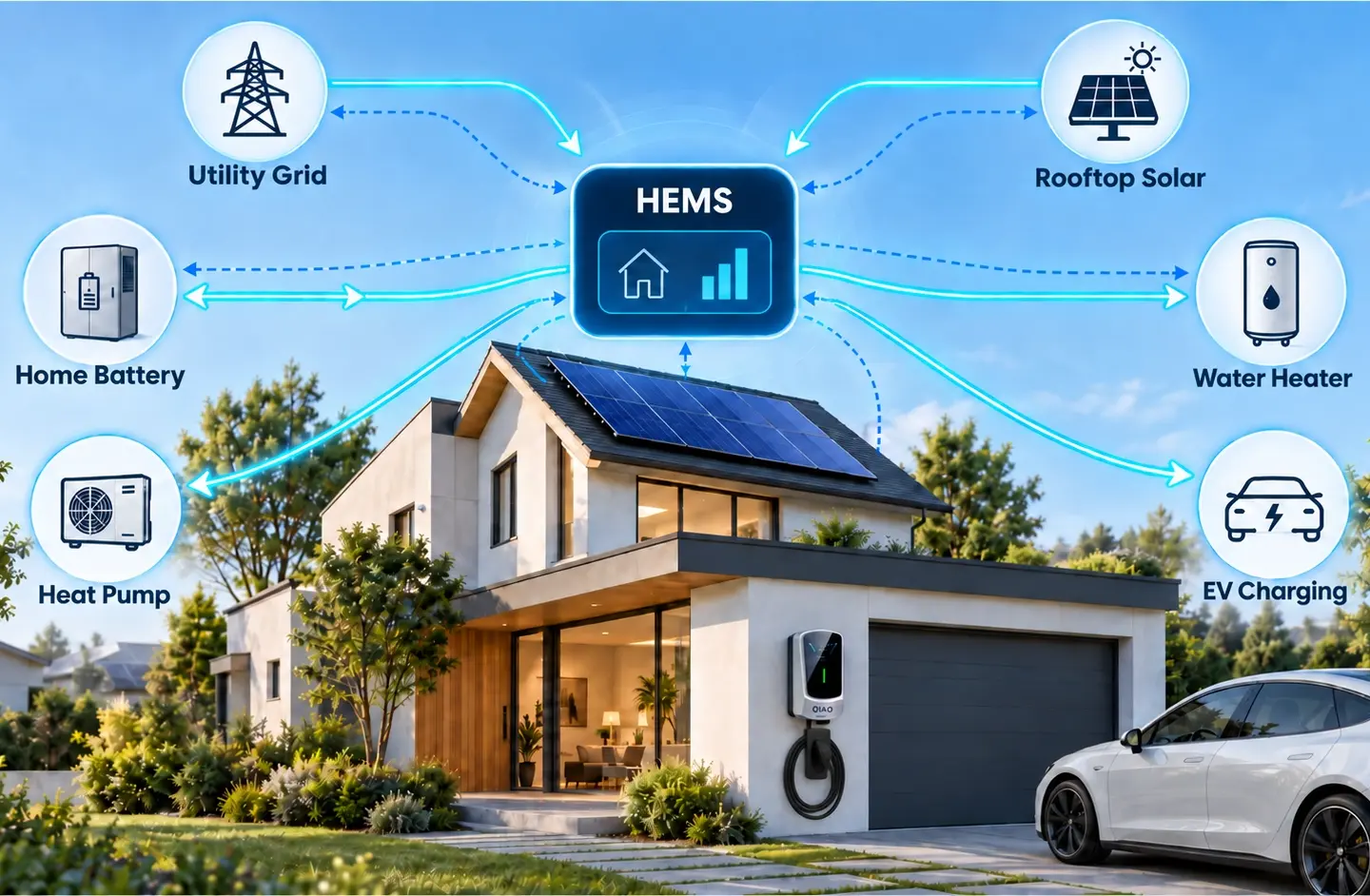
Smart Home Energy Management: How Does It Work With EV Charging?
Smart home energy management uses connected meters, sensors, controllers, and software to track and manage household electricity. A home...
Read More
Home EV Charging in the UK: Charger Power, Installation and Smart Charging Guide
For most UK drivers with private off-street parking, a professionally installed 7kW charge point is the best place to...
Read More