

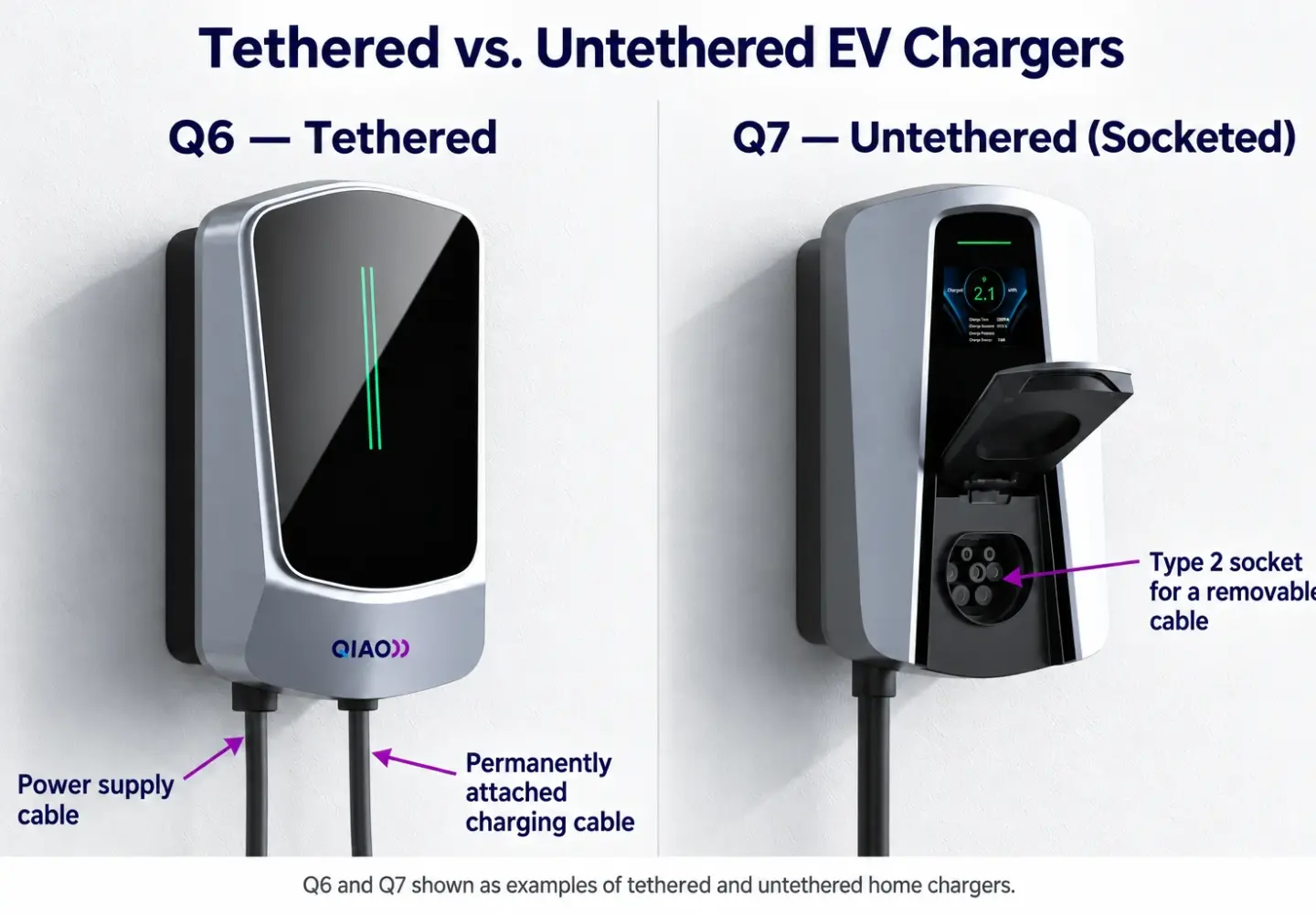
Tethered vs. Untethered EV Chargers: Which Should You Choose for Home
A tethered EV charger has a permanently attached charging cable. An untethered EV charger has a socket for a...
Read More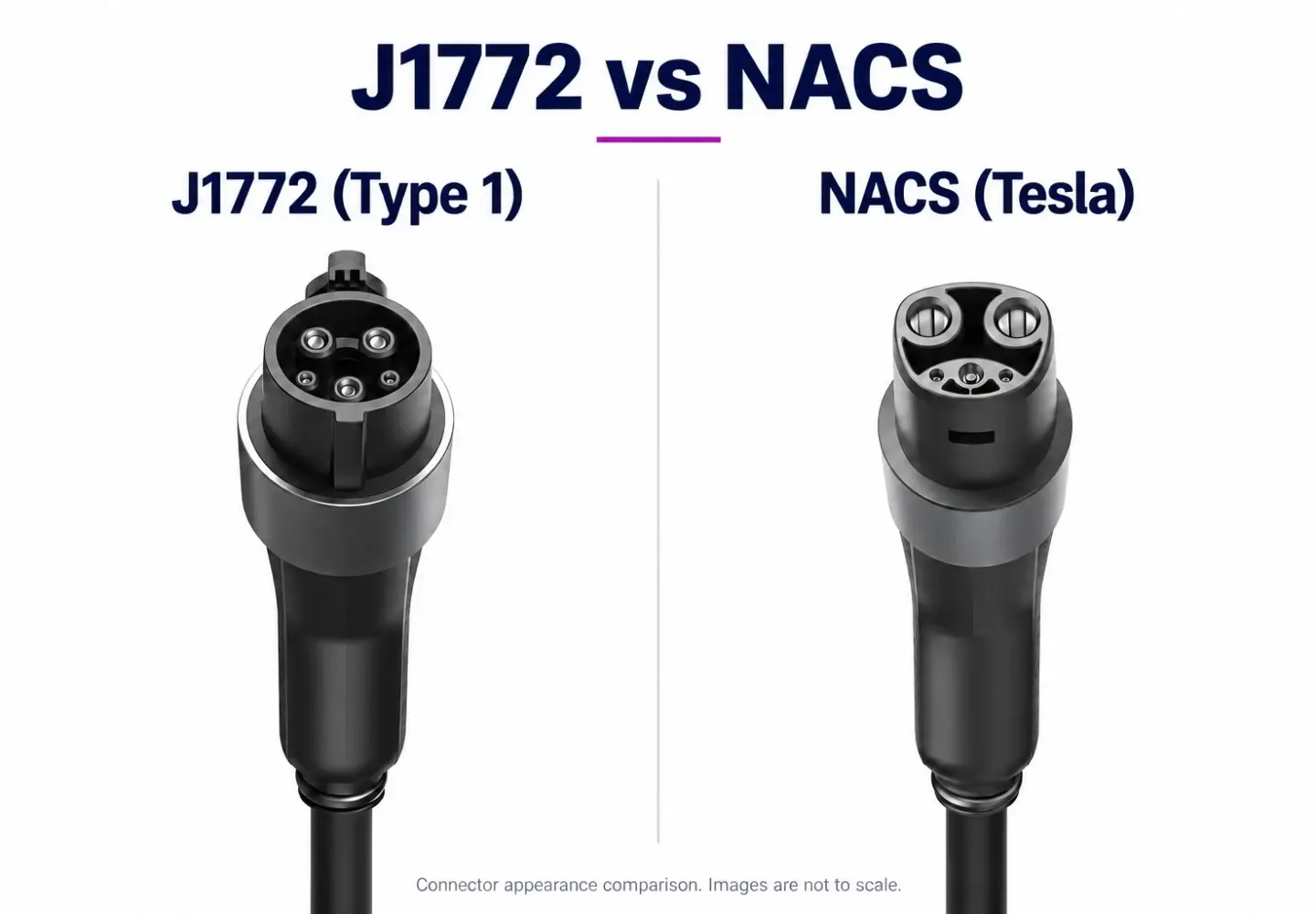
J1772 vs. NACS: Differences, Compatibility, and Which Charger to Choose
J1772 (Type 1) is a common North American connector for Level 1 and Level 2 AC charging. NACS, originally...
Read More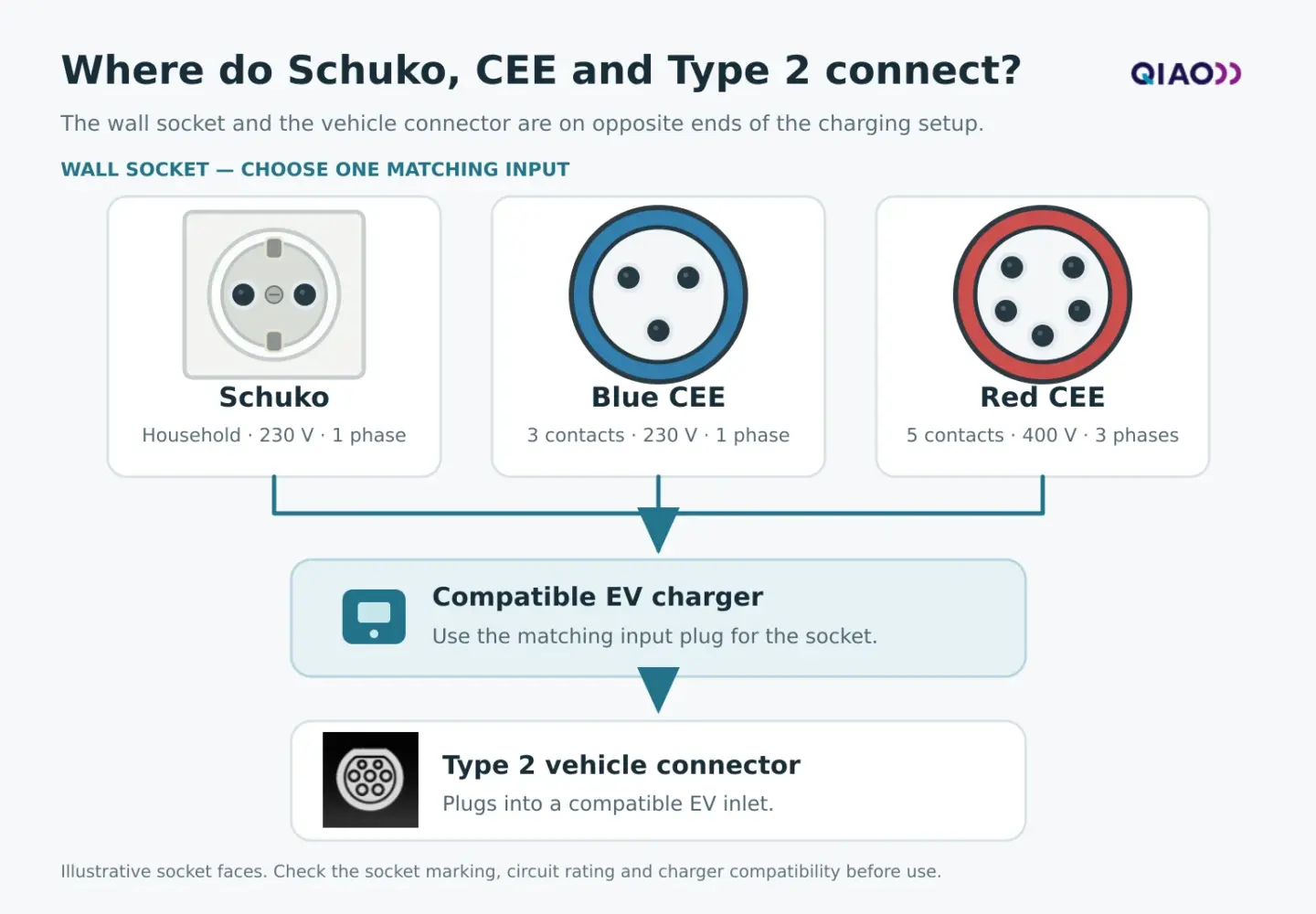
Schuko vs. Blue CEE vs. Red CEE for EV Charging: Which Plug Do You Need?
Schuko, Blue CEE, and Red CEE are plugs that connect a compatible EV charger to an electrical socket. A...
Read More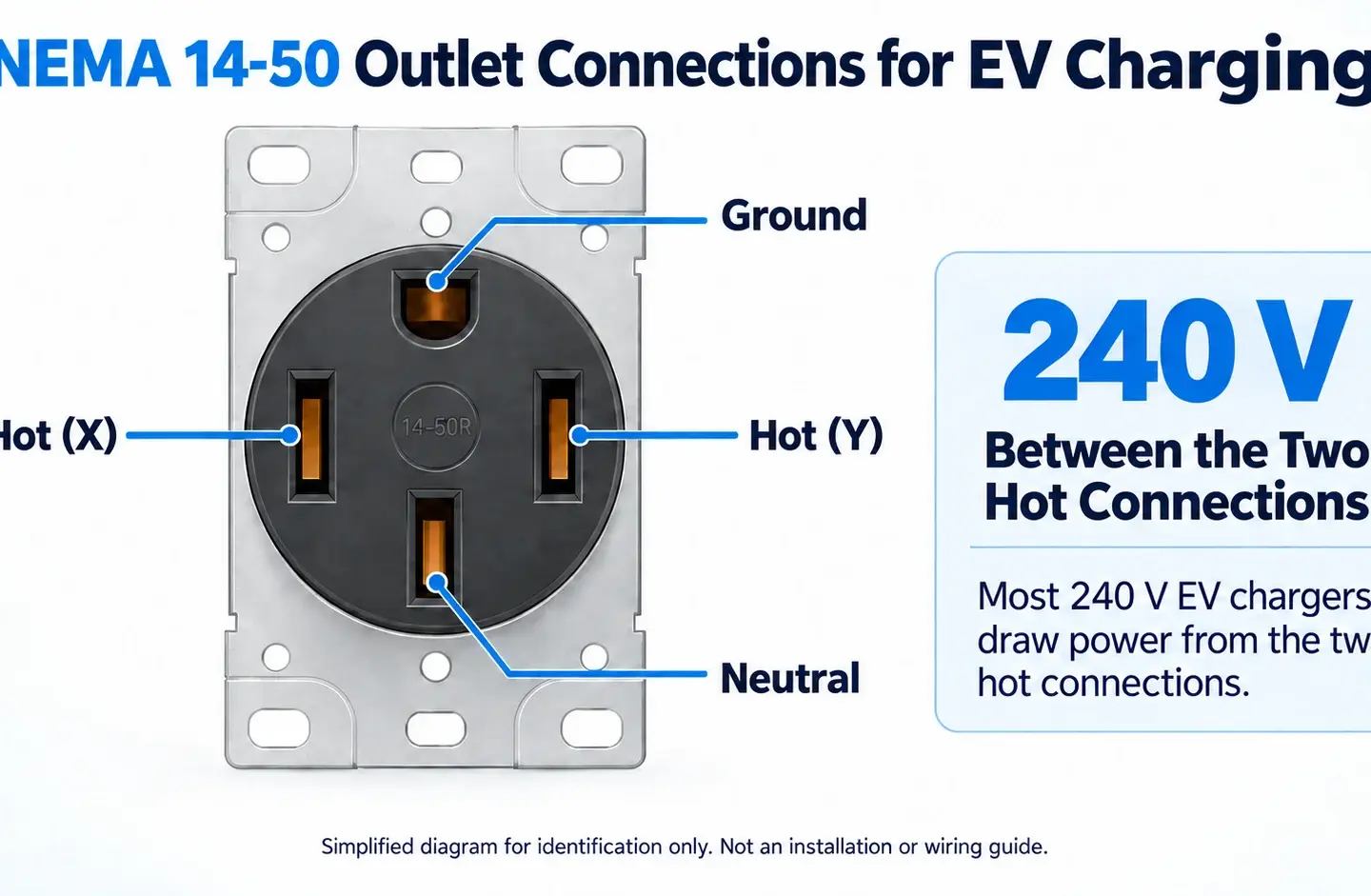
NEMA 14-50 Outlet for EV Charging: A Complete Homeowner’s Guide
A NEMA 14-50 outlet can support Level 2 EV charging at up to 40 amps on a properly installed...
Read More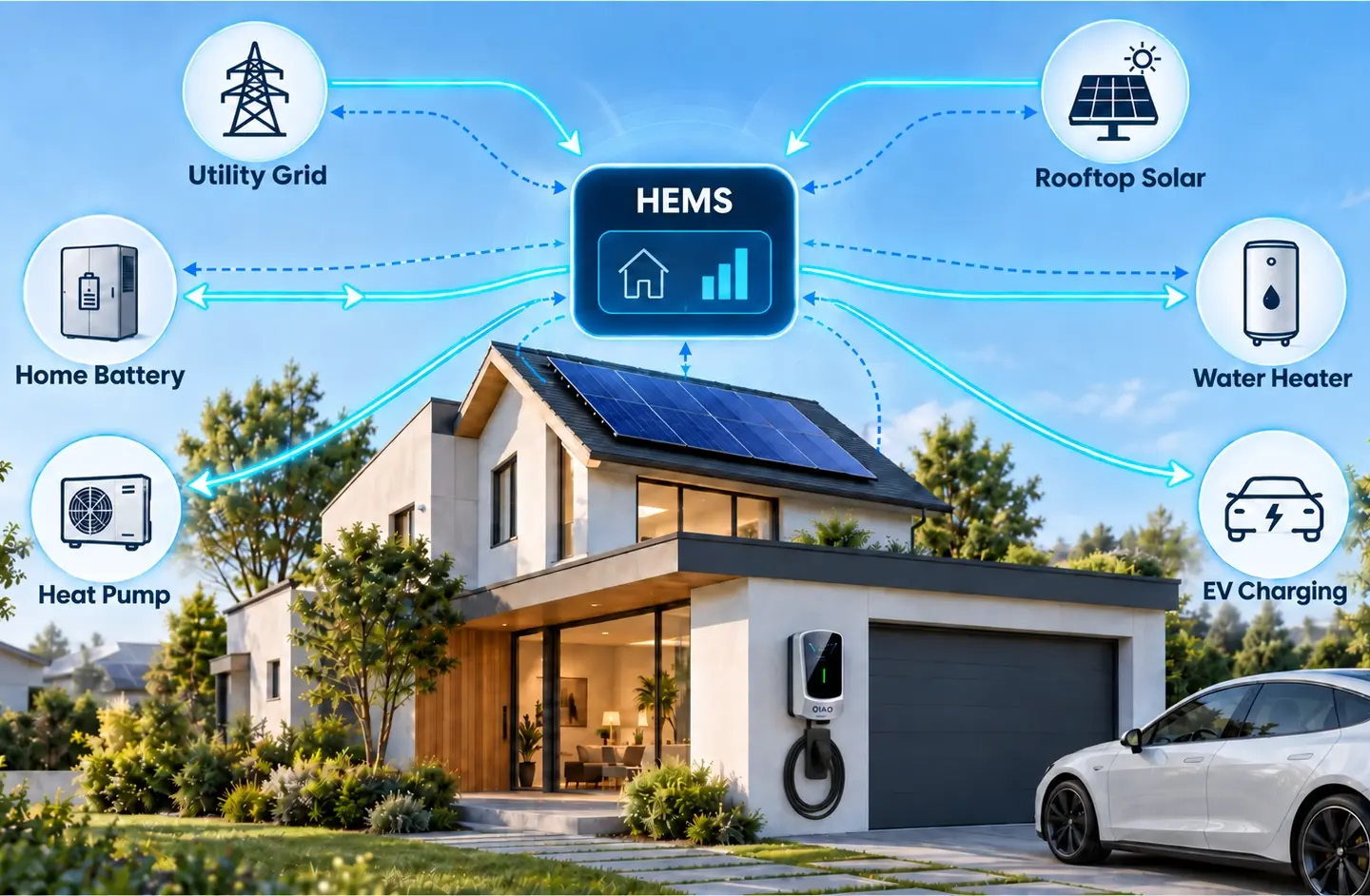
Smart Home Energy Management: How Does It Work With EV Charging?
Smart home energy management uses connected meters, sensors, controllers, and software to track and manage household electricity. A home...
Read More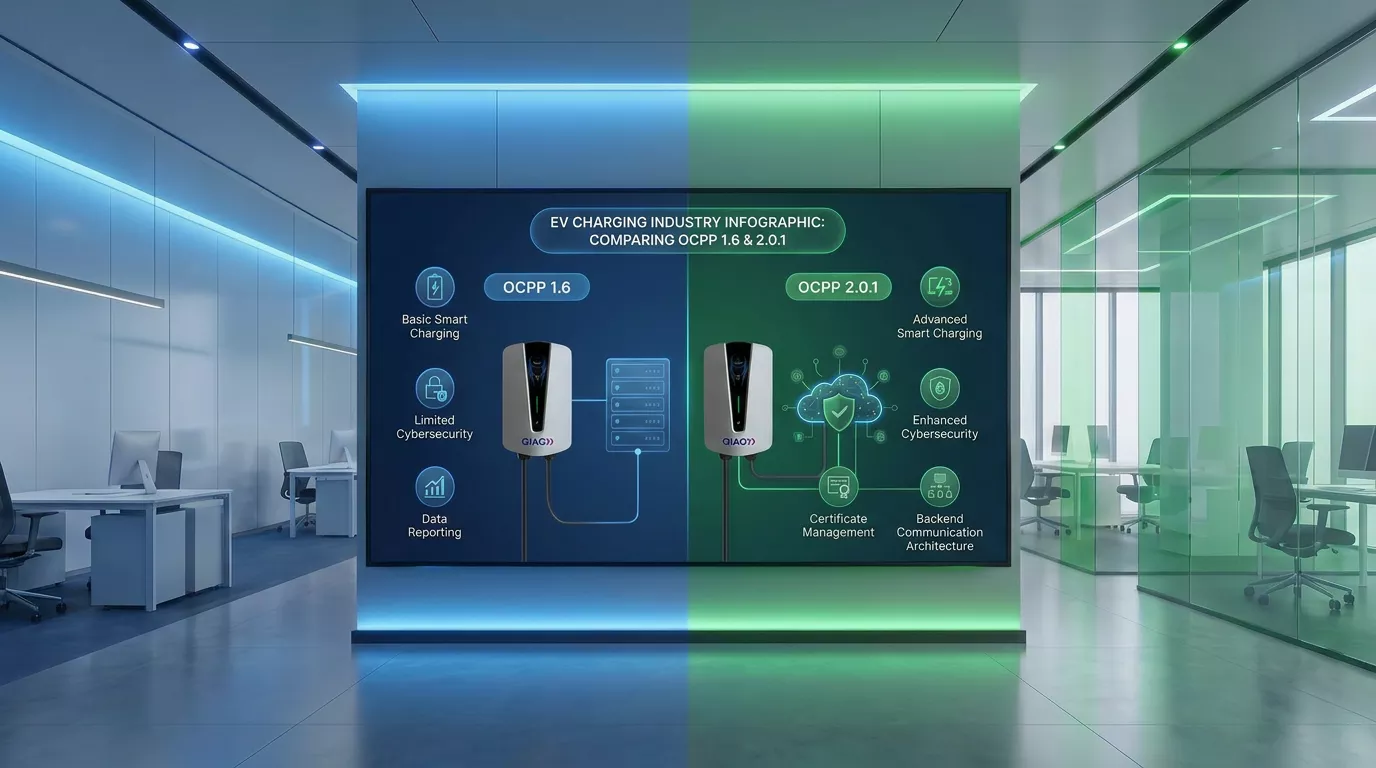
OCPP 2.0.1 vs 1.6: Deployment Differences and Common Pitfalls
As the EV charging industry continues to evolve, charging network operators, system integrators, and charger manufacturers are increasingly evaluating...
Read More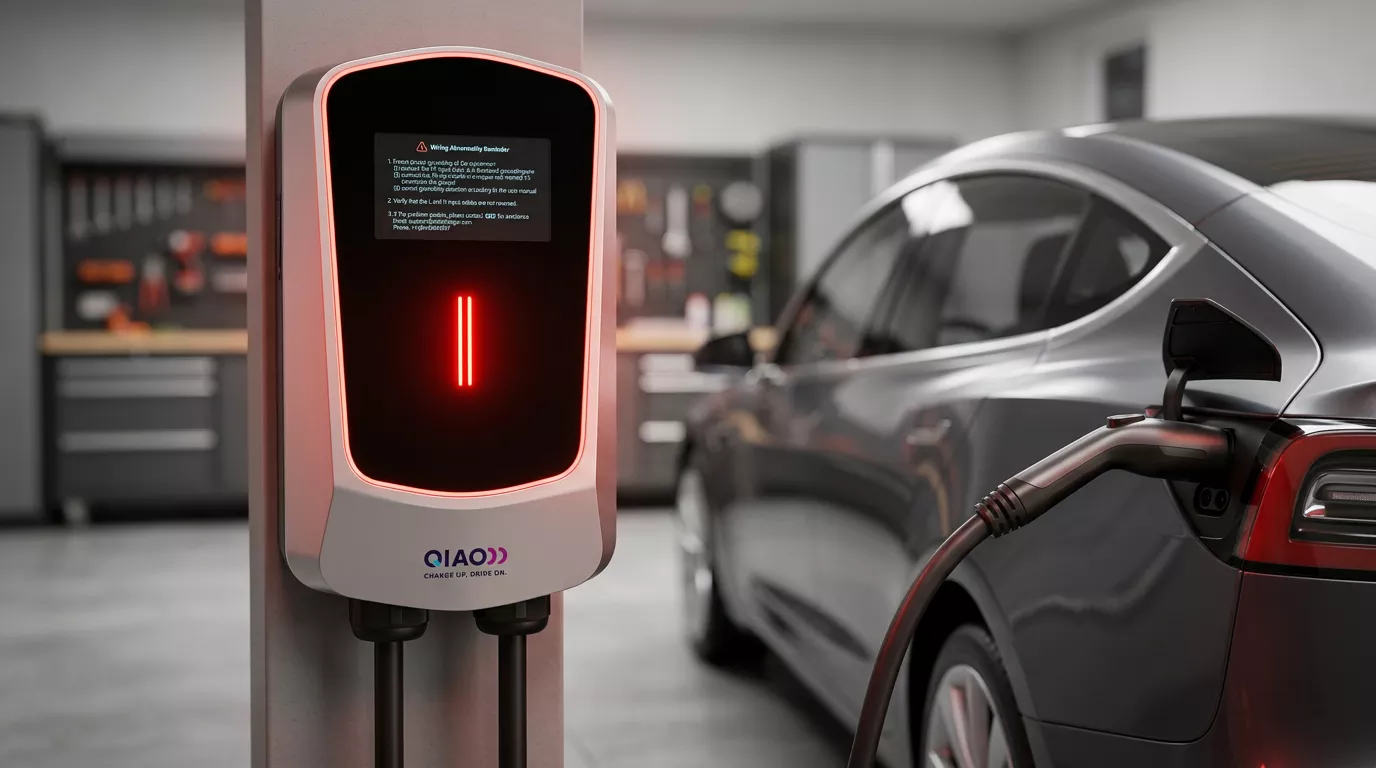
Why Poor Grounding Causes EV Charging Failure
Electric vehicle charging systems rely heavily on electrical safety and stable current transmission. Among all electrical protection mechanisms, grounding...
Read More
How Cable Length Affects EV Charging Efficiency
When discussing EV charging performance, most people focus on: Charger power Vehicle capability Grid capacity However, one often overlooked factor is: Cable length In real-world...
Read More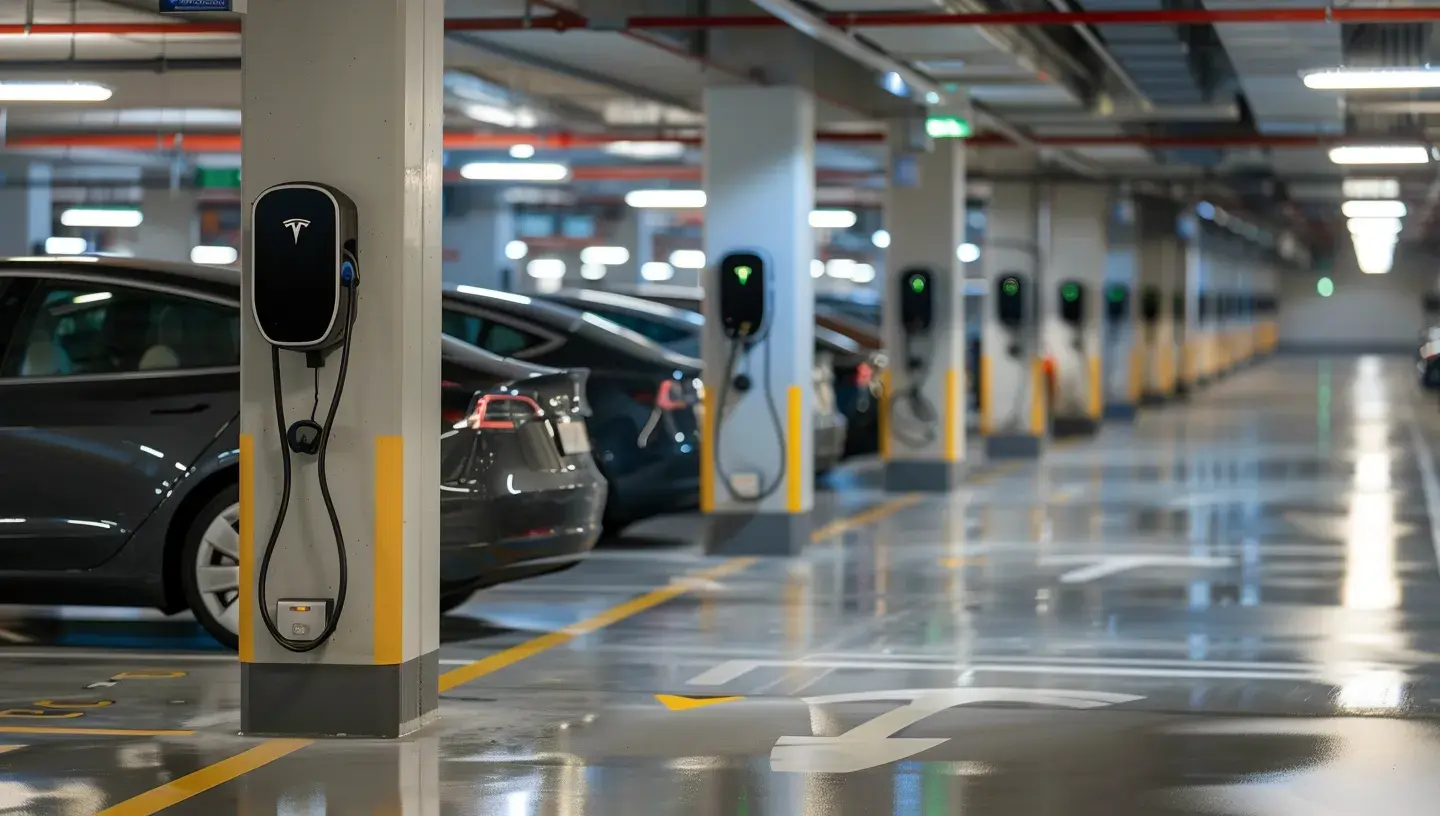
Why Many AC EV Chargers Have Efficiency Below 90
When evaluating EV charging performance, many assume that AC chargers are highly efficient by default. However, in real-world conditions: Many AC...
Read More
Common Error Codes in Commercial AC EV Chargers: A Complete Troubleshooting Guide
In commercial EV charging operations, one of the most frequent challenges is: handling charger error codes Error codes are critical because...
Read More