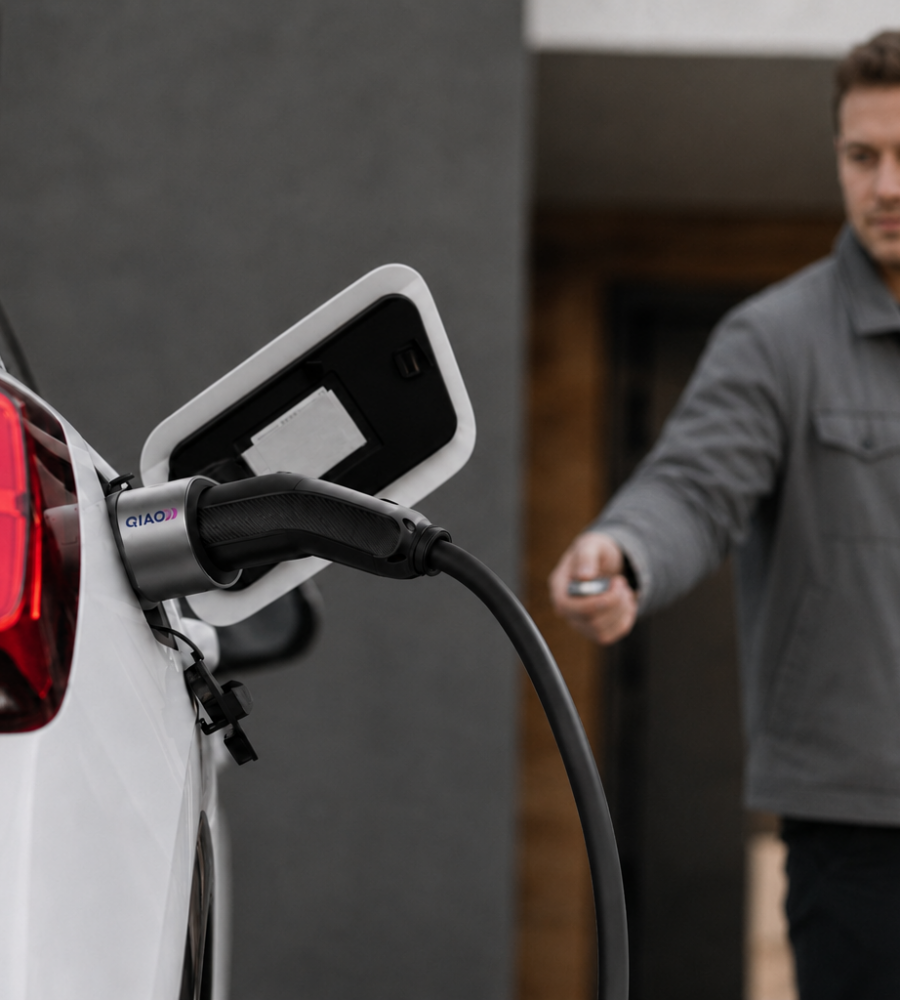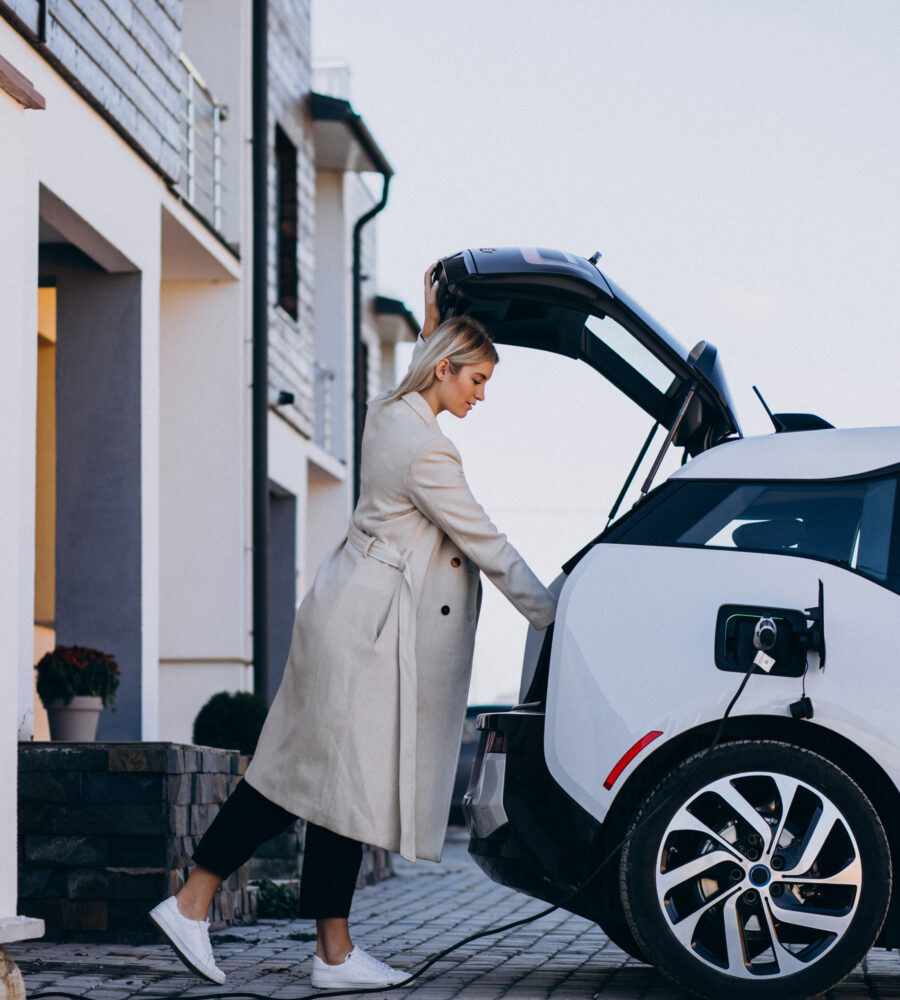

The electric vehicle market has rapidly diversified, with manufacturers worldwide offering models optimized for different usage patterns, battery sizes, and electrical systems. A key part of understanding the global EV vehicle ecosystem is recognizing how vehicle AC charging capabilities vary by region and model — and what this means for infrastructure planning.
This article breaks down real-world vehicle charging capabilities, explains how they relate to AC charging solutions, and provides actionable insights for commercial charging operators and infrastructure planners.
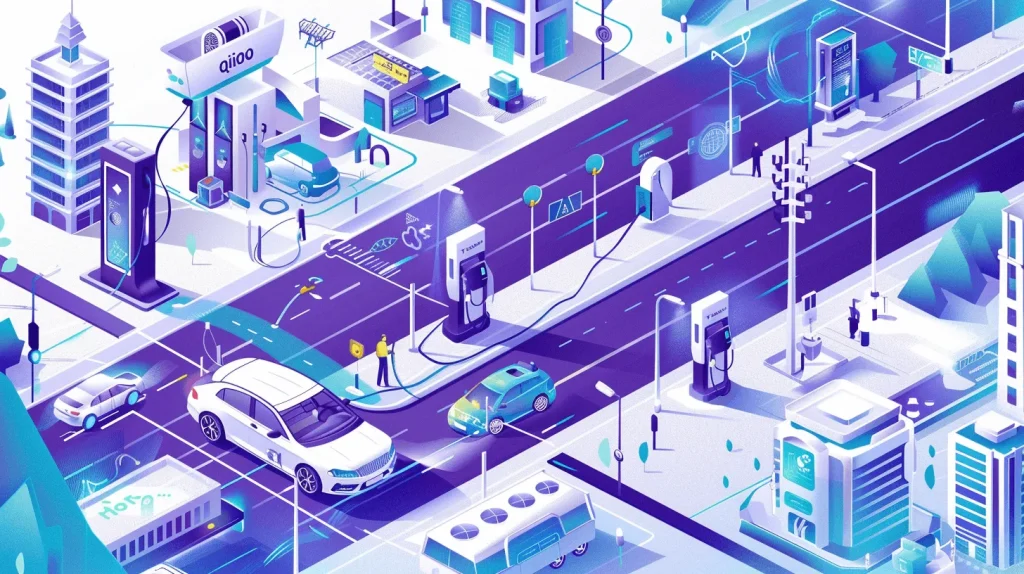
Why AC Charging Compatibility Matters
Unlike DC fast charging, which is typically found in public high-power stations, AC charging (typically up to 22 kW) is the backbone of most daily charging scenarios — especially for homes, workplaces, fleets, and residential developments.
Understanding the maximum AC charging power that each vehicle can accept is crucial for:
- Selecting the right charger power level
- Designing cost-effective charging infrastructure
- Ensuring the best utilization of existing electrical capacity
- Avoiding overspecification and unnecessary expense
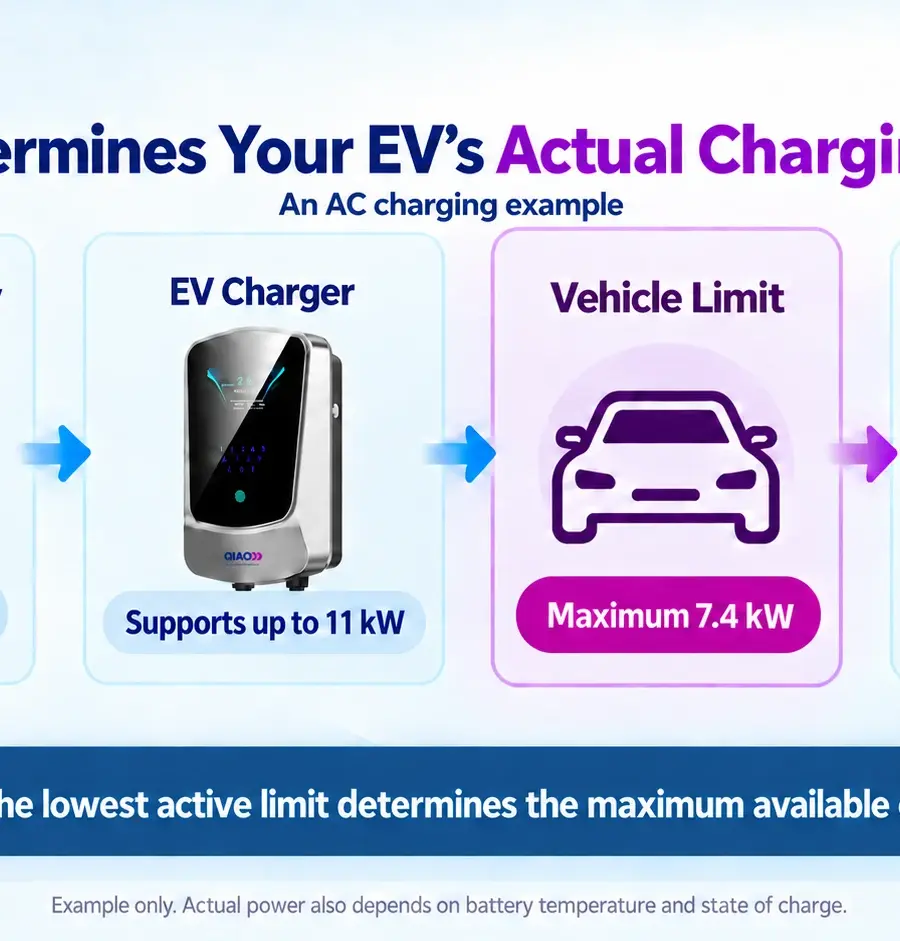
For example, installing a 22 kW AC charger for a vehicle only capable of 7 kW charging does not improve charging time, but does increase hardware cost and grid demand.
A Snapshot of Global EV Vehicle AC Charging Capabilities
Below is a summary of AC charging power data for popular EV models in key global regions, including recommended charger power based on each vehicle’s capabilities.
China Market
Many Chinese EVs support 6.6 kW to 11 kW three-phase AC charging, such as
- BYD HAN EV: 11 kW (Three-phase) → Recommended 11 kW
- NIO ES8 / ES6 / EC6: 11 kW three-phase → 11 kW
- XPeng P7: 11 kW → 11 kW
- Li Auto ONE: 6.6 kW → 7 kW charger is appropriate
These capabilities align well with typical installation scenarios in residential and commercial properties, where 11 kW three-phase AC charging can efficiently utilize building electrical capacity.
European Market
European EVs often support 7 kW to 22 kW AC charging, leveraging widespread three-phase infrastructure:
- Mercedes-Benz EQC: 22 kW → 22 kW
- BMW i4 / iX3 / iX: 11 kW → 11 kW
- Volkswagen ID.3: 11 kW → 11 kW
- Audi Q4 e-tron: 22 kW → 22 kW
Europe’s three-phase grid allows higher AC charging power to be fully realized, providing faster overnight charging for apartment, workplace, and mixed-use deployments.
North American Market
In North America, many EVs support around 7–11 kW AC charging due to prevalent single-phase or enhanced Level 2 charging:
- Tesla Model 3 / S / X: Enhanced AC capability (~16.5 kW), but in practice often limited to ~11 kW
- Ford Mustang Mach-E / F-150 Lightning: 11 kW → 11 kW
- Chevrolet Bolt EV / EUV: ~7.7 kW → 7 kW
This demonstrates the range of real-world charging acceptance and the importance of matching charger power to common vehicle capabilities rather than simply choosing the highest available.
Southeast Asia & Australia
These regions show more variation, with vehicles typically accepting 3.3 kW to 11 kW, often influenced by available single-phase power:
- Toyota bZ4X: 11 kW → 11 kW
- MG ZS EV / MG4 EV: 7–11 kW → 7 kW or 11 kW
- VinFast VF e34: ~7.4 kW → 7 kW
Small EVs and entry-level models frequently top out at lower AC power, which should be factored into charger selection for mixed fleets or urban installations.
How Vehicle Charging Capacities Influence Charger Selection
Understanding the vehicle ecosystem allows infrastructure planners to avoid oversizing equipment, which can result in:
- Higher hardware costs
- Excessive electrical load and inefficient utilization
- Longer project ROI cycles
Instead, matching chargers to the most common charging power demands in a target vehicle ecosystem improves utilization and reduces waste.
Recommended matching logic:
- Vehicles ≤7–7.4 kW → 7 kW AC charger
- Vehicles with 11 kW acceptance → 11 kW AC charger
- Vehicles with 22 kW AC support → 22 kW AC charger
This aligns charging infrastructure with actual vehicle capabilities, improving charging efficiency in residential, commercial, and fleet scenarios.

Regional Infrastructure Considerations for Vehicle Ecosystems
Different regions’ electrical ecosystems influence both vehicle design and charger deployment strategies:
- Three-phase power availability in Europe supports higher AC charging power (up to 22 kW).
- Single-phase constraints in North America and Southeast Asia often make 7–11 kW chargers more practical.
- Emerging markets may see mixed vehicle charging standards, requiring flexible infrastructure planning.
For integrators and partners, understanding these nuances ensures efficient charger rollouts that match local grid realities.
QIAO’s Role in Supporting the Global Vehicle Compatibility Landscape
At QIAO, understanding the vehicle ecosystem is fundamental to delivering practical AC EV charging solutions. By aligning charger power configurations with vehicle acceptance levels, QIAO helps partners deploy charging infrastructure that:
- Matches real vehicle charging needs
- Minimizes electrical waste and underuse
- Maximizes long-term reliability and customer satisfaction
Whether deploying in high-density European cities or mixed vehicle fleets in growth markets, charger selection informed by vehicle ecosystem data leads to better outcomes for stakeholders.
Conclusion: Designing with Vehicle Ecosystems in Mind
The future of EV charging depends not only on hardware performance, but on how well chargers align with vehicle electrical characteristics and regional grid conditions.
By analyzing vehicle maximum AC charging power and translating that into charger selection, commercial partners, property developers, and fleet operators can achieve more efficient, reliable, and cost-effective EV charging infrastructure.
For a deeper look into vehicle charging capabilities and infrastructure implications, explore our Vehicle Ecosystem insights — an essential resource for planning and deployment.