
As global EV adoption accelerates, Latin America and Southeast Asia are emerging as two of the most promising growth markets for EV charger deployment. While Europe and North America remain mature markets, these regions are entering a critical infrastructure build-out phase—driven by urbanization, government electrification policies, and rising demand for cost-efficient charging solutions.
For EV charger manufacturers, operators, and solution providers, understanding how and why EV charging demand is evolving in these regions is essential for long-term market entry and scalable deployment.
Why Latin America and Southeast Asia Matter for EV Charging
Unlike early EV markets, Latin America and Southeast Asia share several structural characteristics:
- Rapid urban population growth
- Price-sensitive consumers and operators
- Limited grid capacity in many regions
- Strong government interest in electrification for emissions reduction
These factors are shaping a charging infrastructure model that differs from Europe or the U.S., with a stronger emphasis on AC charging, distributed deployment, and smart energy management.
EV Charger Market Growth in Latin America
Policy Momentum and Public Investment
Countries such as Brazil, Mexico, Chile, and Colombia are actively promoting EV adoption through:
- Tax incentives for electric vehicles
- Public transportation electrification programs
- National decarbonization roadmaps
Public bus fleets and municipal vehicles are often the first adopters, creating early demand for reliable, cost-controlled charging infrastructure rather than high-cost fast charging networks.
Charging Infrastructure Reality
In most Latin American cities:
- Grid upgrades are gradual, not immediate
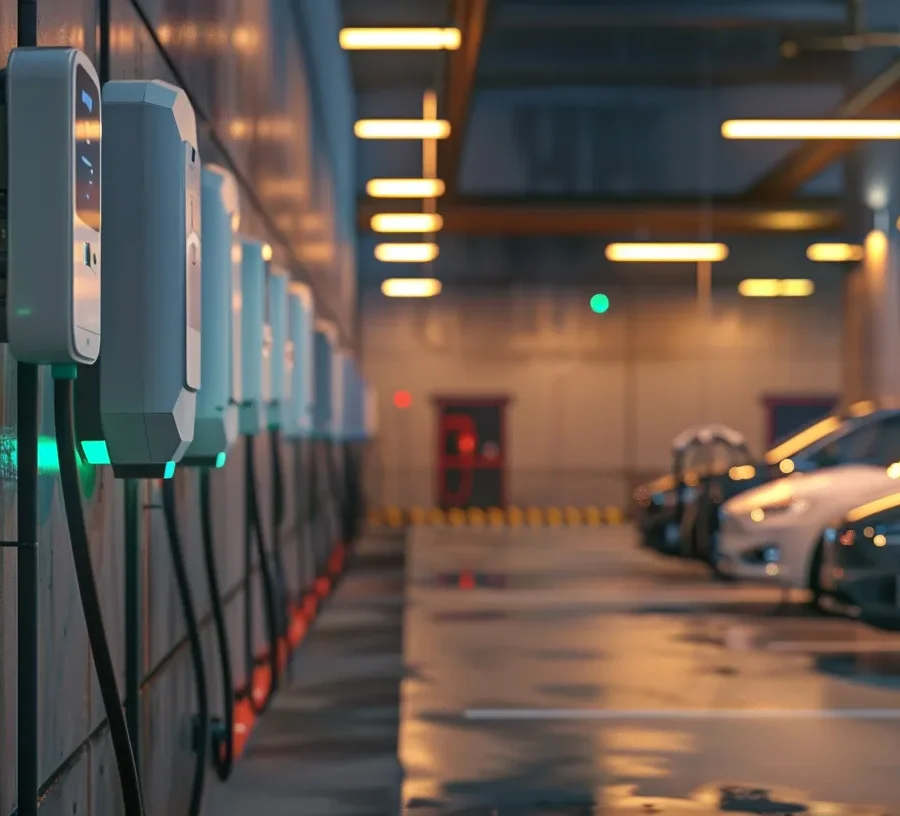
- Commercial buildings and parking operators prefer AC chargers due to lower installation and operating costs
- Load management is critical to avoid peak demand penalties
As a result, 7kW–22kW AC chargers are becoming the backbone of early EV charging networks across commercial and semi-public locations.
EV Charger Growth Drivers in Southeast Asia
Urban Density and Commercial Deployment
Markets such as Thailand, Indonesia, Vietnam, Malaysia, and the Philippines face:
- Dense urban environments
- Limited space for large DC fast-charging stations
- Strong growth in commercial EV fleets (logistics, ride-hailing, delivery)
This favors wall-mounted and compact AC EV chargers, which can be deployed at scale in:
- Office buildings
- Residential complexes
- Commercial parking facilities
Grid Stability and Energy Efficiency
Southeast Asian power grids vary significantly in stability and capacity. As a result, charging solutions must prioritize:
- Smart charging schedules
- Dynamic load balancing
- Remote monitoring and fault diagnostics
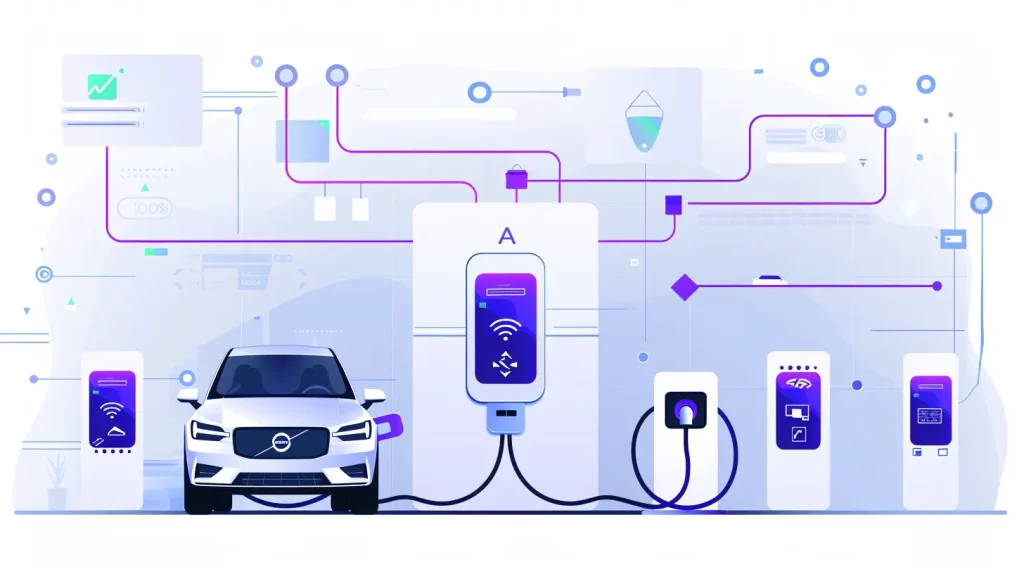
These requirements are accelerating adoption of networked AC chargers with cloud-based management, rather than standalone hardware.
AC Charging as the Preferred Entry Solution
Across both regions, AC charging is emerging as the most practical and scalable solution during the early and mid stages of EV adoption.
Key Reasons AC Charging Dominates
| Factor | AC Charging Advantage |
| Installation cost | Significantly lower than DC fast chargers |
| Grid impact | Easier to manage with limited infrastructure |
| Deployment speed | Faster permitting and installation |
| Scalability | Ideal for phased expansion |
| Smart energy control | Compatible with load balancing and scheduling |
For commercial operators and property owners, AC chargers provide predictable ROI and lower operational risk, especially when combined with intelligent energy management systems.
The Role of Smart Charging and Platformization
In both Latin America and Southeast Asia, hardware alone is no longer sufficient. Market demand is shifting toward:
- Remote charger management via APP or web platform
- Real-time monitoring and fault alerts
- User authentication and access control
- Energy usage analytics for cost optimization
This makes OCPP-compatible, platform-ready AC chargers the preferred choice for long-term infrastructure planning.
Market Challenges and Strategic Considerations
While growth potential is strong, successful market entry requires addressing several challenges:
- Diverse regulatory standards across countries
- Multiple plug types and regional charging norms
- Varying grid quality and power availability
- Need for localized service and technical support
Manufacturers and solution providers that offer flexible configurations, modular deployment, and localized integration will be better positioned to scale sustainably.
Outlook: A Long-Term Growth Opportunity
From 2025 onward, Latin America and Southeast Asia are expected to shift from pilot projects to large-scale commercial deployment of EV charging infrastructure. Rather than replicating Western fast-charging models, these regions are building cost-efficient, AC-focused, and smart-managed charging ecosystems.
This transition creates significant opportunities for EV charger brands that understand:
- Commercial charging economics
- Grid-friendly deployment strategies
- Platform-based operations
How This Aligns with QIAO’s Business Focus
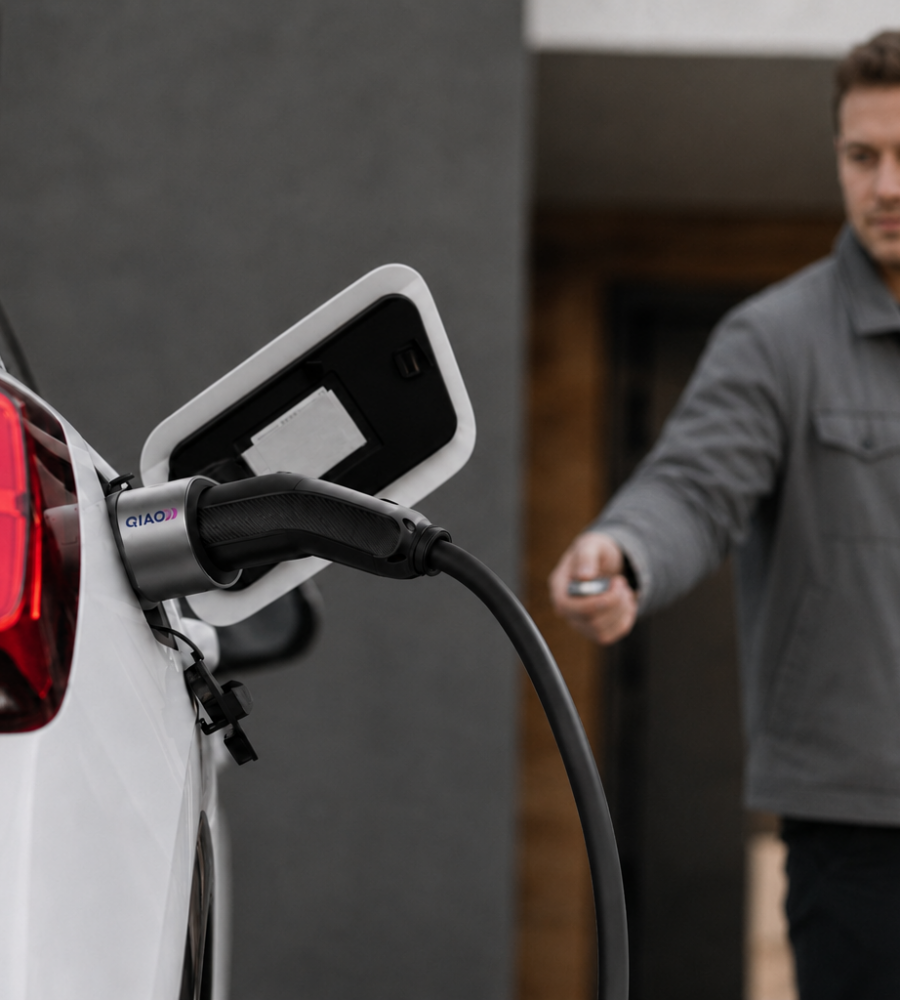
As an AC EV charger–focused brand, QIAO is positioned around the same principles driving growth in these emerging markets: reliable AC charging, intelligent management, and scalable commercial deployment.
By focusing on wall-mounted AC chargers, smart connectivity, and platform-ready solutions, QIAO supports businesses, property operators, and partners looking to enter or expand within Latin America and Southeast Asia—without the complexity and cost burden of DC-heavy infrastructure. This makes QIAO’s solutions particularly relevant for early-stage and growth-stage EV markets, where efficiency, flexibility, and long-term scalability matter most.