
Electric vehicles are becoming a standard part of global travel. For hotels and resorts, EV charging is no longer a niche amenity—it is an operational decision that directly affects bookings, guest satisfaction, and long-term revenue.
Unlike public fast-charging stations, hospitality environments require reliable, safe, and cost-controlled charging solutions that align with overnight stays and destination travel behavior.
Why EV Charging Is Especially Important for Hotels & Resorts
Key Hospitality-Specific Drivers
- Guests stay 6–12 hours or longer, ideal for AC charging
- EV drivers actively filter hotels by charging availability
- Resorts benefit from longer dwell time and higher on-site spending
- Sustainability features increasingly influence booking decisions
EV charging supports both guest experience and commercial performance.
AC vs DC Charging: What Works Best for Hospitality?
| Item | AC EV Charging | DC Fast Charging |
| Typical Power | 7–22 kW | 60–150 kW+ |
| Installation Cost | Low | Very High |
| Grid Impact | Minimal | Heavy |
| Ideal Use Case | Overnight & destination charging | Highway / quick turnover |
| Guest Experience | Plug in and relax | Requires vehicle movement |
| ROI for Hotels | High | Low to Medium |
Conclusion:
For hotels and resorts, AC charging is the optimal choice—technically, financially, and operationally.
Where EV Chargers Should Be Installed on Hotel Properties
Effective placement improves utilization and avoids congestion.
Common deployment zones:
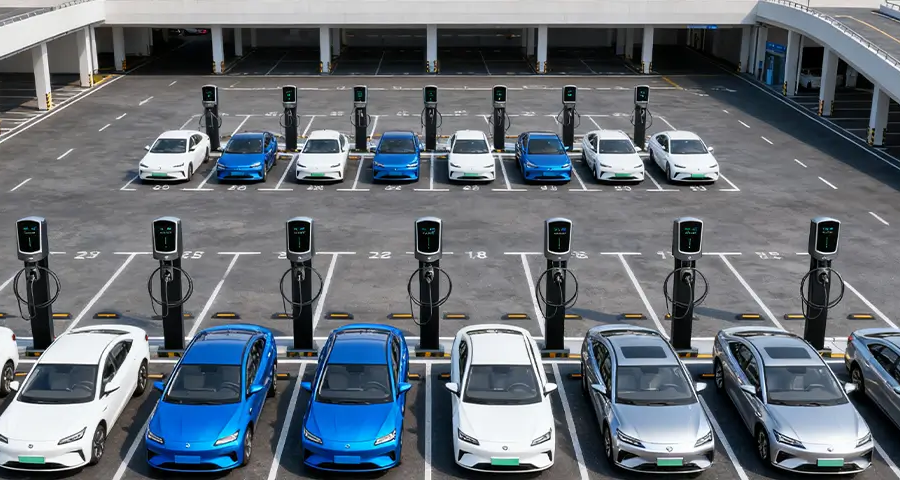
- Guest parking areas (overnight charging)
- Resort villas or premium rooms
- Staff parking (off-peak charging)
- Overflow or event areas (portable chargers)
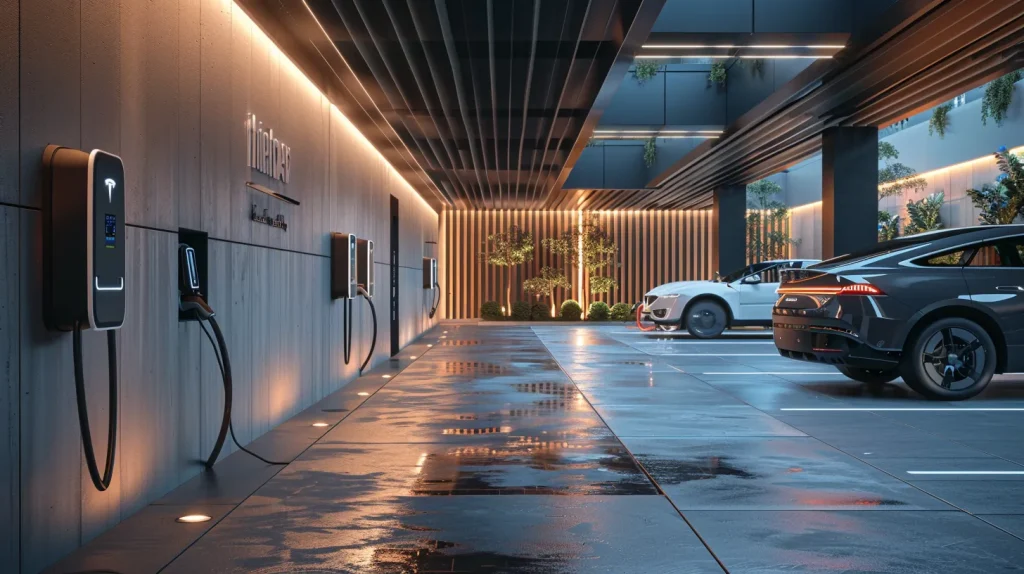
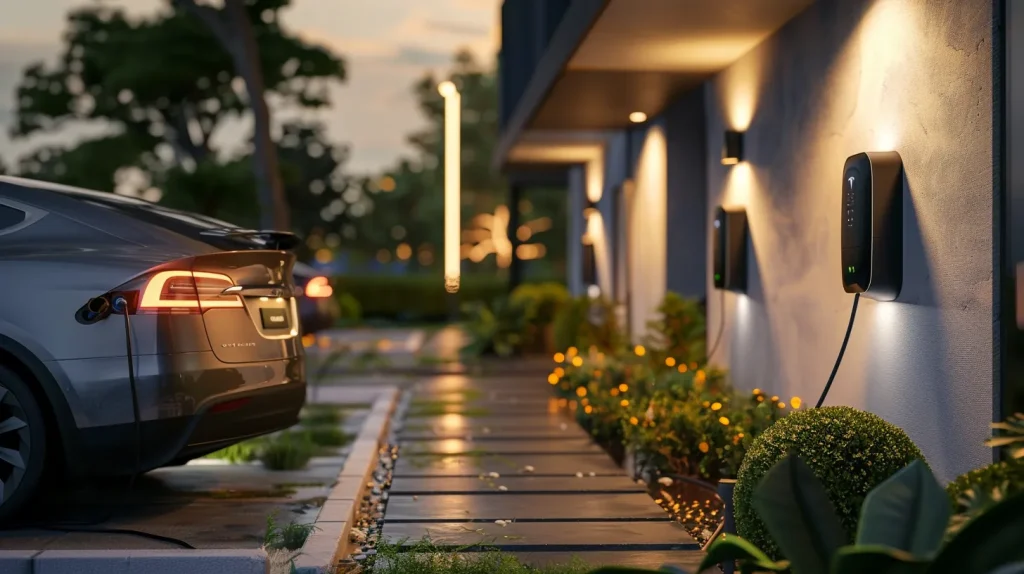
Wall-mounted chargers preserve aesthetics, while portable EV chargers provide flexibility during peak seasons.
What Smart Features Matter Most for Hotel Operators?
Rather than raw power, hotels should prioritize control and scalability.
Recommended Feature Checklist
✔ Dynamic Load Management (DLM)
✔ Guest-only access (RFID / App / Room-based)
✔ Optional paid charging or bundled pricing
✔ OCPP compatibility for backend integration
✔ Remote monitoring and fault alerts
These features reduce operational risk while keeping the guest experience seamless.
Revenue & Cost Models for Hospitality EV Charging
Hotels can choose different charging strategies based on positioning:
| Model | Best For | Description |
| Free Charging | Luxury resorts | Included in room rate |
| Paid Charging | Urban hotels | Per kWh or per session |
| Tiered Access | Mixed properties | Free for guests, paid for visitors |
| Brand Partnership | Destination resorts | Sponsored or co-branded charging |
AC charging keeps energy costs predictable, making pricing easier to manage.
Sustainability, Compliance, and Brand Value
Installing EV chargers helps hotels:
- Meet ESG and sustainability goals
- Qualify for local subsidies and incentives
- Strengthen eco-friendly brand positioning
- Prepare for future regulations
In many regions, EV-ready infrastructure is becoming part of green hotel certification standards.
Planning for Future Demand: Avoiding Costly Retrofits
Best-practice hospitality projects:
- Reserve electrical capacity during initial installation
- Deploy scalable AC charging architecture
- Combine fixed wall-mounted units with portable chargers
- Use load balancing to avoid grid upgrades
This approach ensures long-term ROI as EV adoption grows.
How QIAO Supports Hotels and Resorts
QIAO focuses on B2B AC EV charging solutions designed specifically for commercial environments such as hotels and resorts.
Our solutions include:
- Wall-mounted AC EV chargers (7kW / 11kW / 22kW)
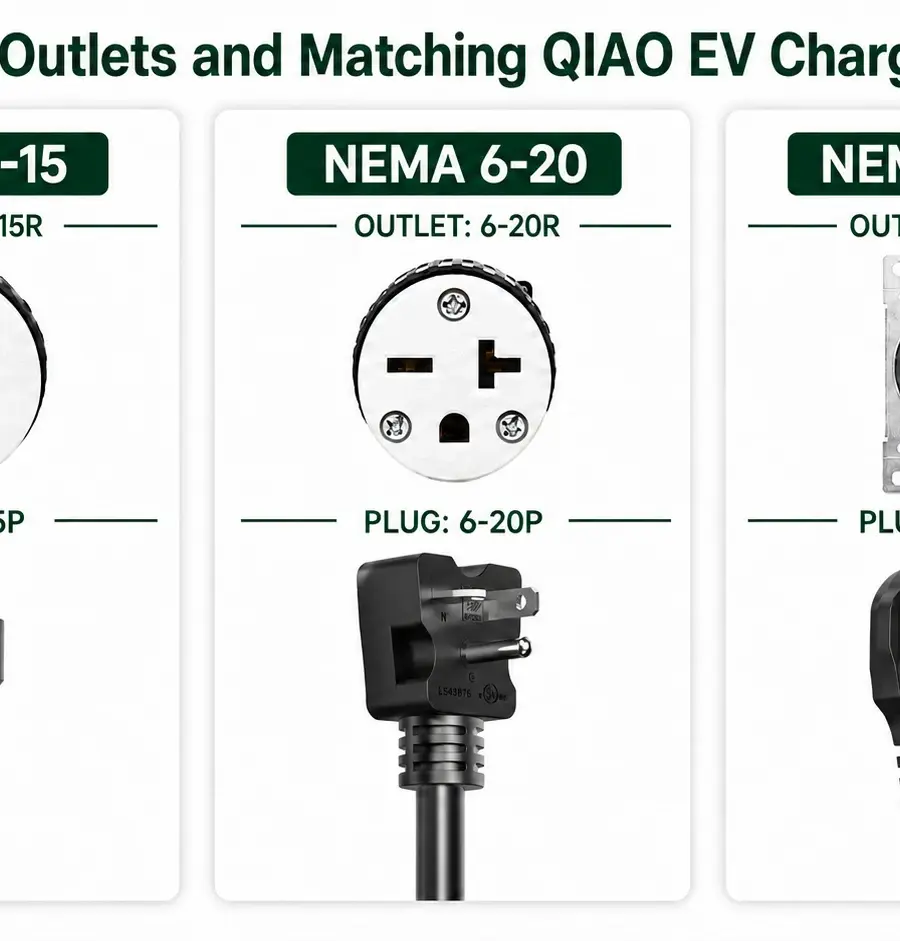
- Portable EV chargers for flexible deployment
- Smart load balancing and access control
- OEM / ODM customization for hospitality brands
By combining reliability, scalability, and clean design, QIAO helps hotels turn EV charging into a competitive advantage, not an operational burden.Learn more about QIAO EV charging solutions for hospitality environments.