
What Are Weather-Resistant EV Charging Solutions?
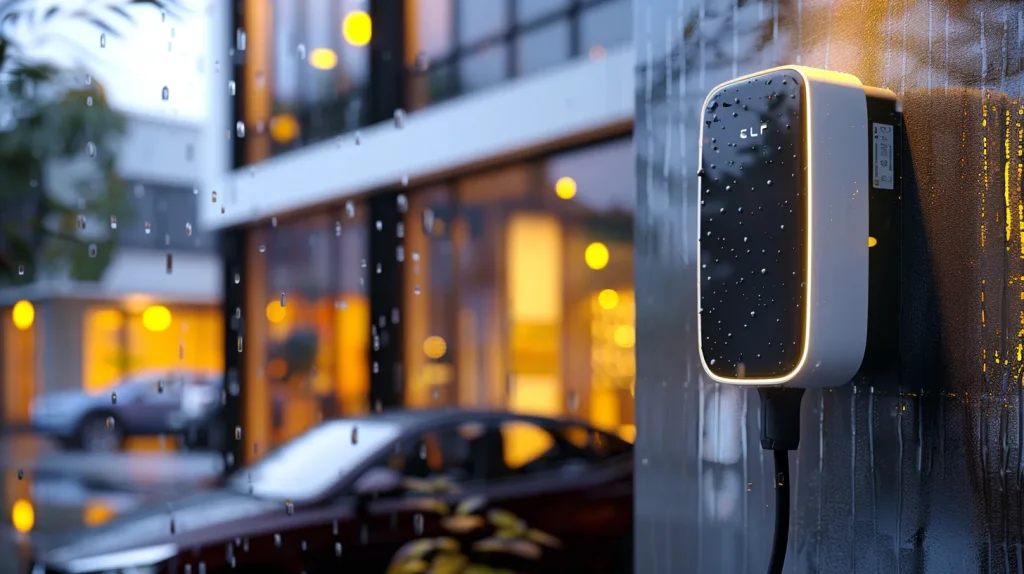
Weather-resistant EV charging solutions are charging systems specifically engineered to operate reliably under harsh environmental conditions such as rain, heat, cold, dust, humidity, and UV exposure.
For outdoor and semi-outdoor installations—common in commercial, residential, fleet, and public environments—weather resistance is not optional. It directly impacts safety, uptime, maintenance cost, and long-term return on investment.
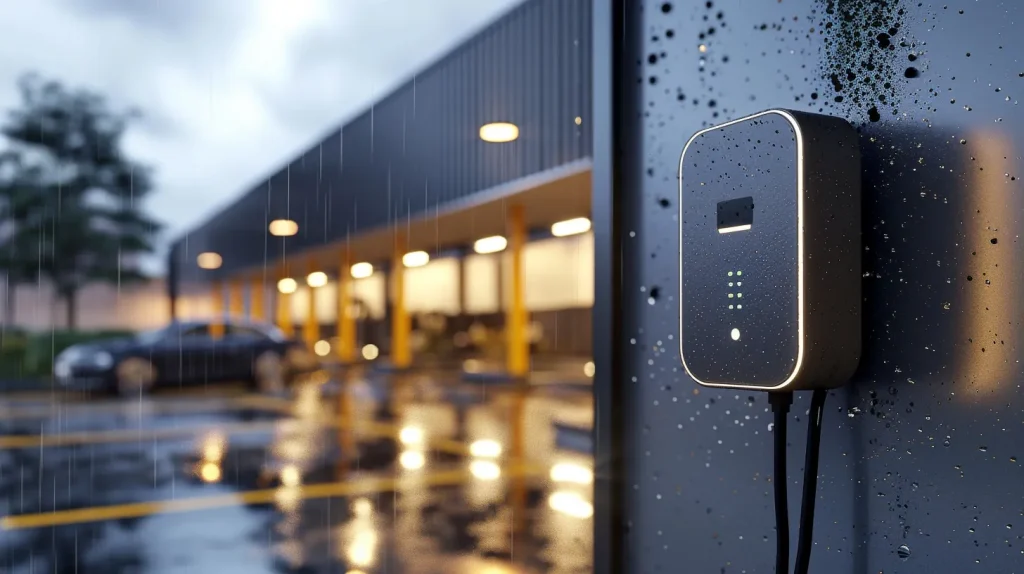
Why Weather Resistance Matters in EV Charging
EV chargers are electrical devices exposed to:
- Rain and standing water
- High and low ambient temperatures
- Dust, sand, and air pollution
- Direct sunlight and UV radiation
Without proper environmental protection, chargers face:
- Increased failure rates
- Safety risks and electrical faults
- Higher maintenance and replacement costs
For B2B operators, these risks translate into downtime, liability, and revenue loss.
Key Environmental Standards for EV Chargers
IP Rating: Protection Against Water and Dust
| IP Rating | Protection Level | Typical Use |
| IP54 | Splash & dust protection | Covered parking |
| IP65 | Water jets & full dust protection | Outdoor installations |
| IP67 | Temporary water immersion | Extreme environments |
IP65 is widely considered the minimum requirement for outdoor AC chargers.
IK Rating: Impact Resistance
| IK Rating | Impact Protection | Application |
| IK08 | Moderate impact | Residential |
| IK10 | High impact | Public & commercial |
Higher IK ratings protect chargers from vandalism, accidental impacts, and harsh usage.
Temperature Tolerance and Thermal Design
Operating Temperature Range
| Environment | Typical Requirement |
| Cold climates | −30°C operation |
| Hot climates | +50°C operation |
| Global deployment | Wide-range thermal stability |
Effective thermal design includes:
- High-quality heat-resistant components
- Intelligent temperature monitoring
- Automatic power derating under extreme heat
UV Resistance and Material Selection
Outdoor chargers are exposed to sunlight year-round.
UV-resistant materials prevent:
- Housing discoloration
- Plastic embrittlement
- Cracking and seal degradation
This is critical for long service life and brand perception in commercial environments.
Cable and Connector Weather Compatibility
Weather resistance extends beyond the charger enclosure.
Key considerations include:
- Low-temperature flexible cables
- Waterproof connectors and seals
- Anti-aging cable jackets
Poor cable performance is a leading cause of outdoor charger failure.
Electrical Protection for Outdoor Reliability
Weather-resistant solutions must integrate:
- Overcurrent protection
- Residual current detection (AC + DC leakage)
- Ground fault protection
- Surge protection (lightning and grid fluctuations)
These features ensure safety even during storms and unstable grid conditions.
Weather Resistance by Deployment Scenario
| Scenario | Key Requirements |
| Residential outdoor | IP65, UV resistance |
| Commercial parking | IP65 + IK10 |
| Fleet depots | Wide temperature range |
| Public roadside | IP65+, anti-vandal design |
Selecting the wrong protection level leads to premature failures and higher OPEX.
Common Mistakes in Outdoor Charger Selection
- Choosing IP rating without considering cable and connector quality
- Ignoring UV exposure in hot climates
- Underestimating temperature extremes
- Selecting indoor-only designs for outdoor use
- Prioritizing appearance over protection
Best Practices for Weather-Resistant Charging Projects
- Select chargers rated IP65 or higher
- Match IK rating to site exposure
- Ensure wide temperature tolerance
- Verify compliance with local electrical standards
- Choose designs tested for long-term outdoor operation
How QIAO Designs Weather-Resistant AC Charging Solutions
At QIAO, weather resistance is engineered into the entire AC charging system, not treated as a cosmetic feature.
QIAO AC EV charging solutions offer:
- IP65-rated enclosures for outdoor deployment
- Durable, UV-resistant materials
- Wide operating temperature support
- Robust cable and connector protection
- Compliance with global safety standards
This approach enables QIAO to support residential, commercial, fleet, and public charging projects worldwide, even in challenging environmental conditions.