
As electric vehicles become mainstream, EV charging is no longer just an infrastructure upgrade—it is a commercial growth tool. For retail stores, installing EV chargers can directly influence customer behavior, dwell time, and spending patterns.
This article explains how EV chargers help retail businesses increase revenue, and why AC charging solutions are often the most practical choice for retail environments.
EV Charging as a Retail Traffic Driver
EV drivers actively plan their routes around charging availability. When a retail store offers EV charging, it becomes:
- A destination rather than a stop
- A preferred choice over competitors without charging
- A recurring visit location for local EV owners
Charging availability increases foot traffic quality, not just quantity.
Longer Dwell Time = Higher Spending
Retail revenue is strongly correlated with how long customers stay on-site.
EV charging naturally extends dwell time:
- AC charging sessions typically last 1–3 hours
- Customers are more likely to browse, dine, or shop while charging
- Charging turns “waiting time” into shopping time
Impact on Consumer Behavior
| Customer Behavior | Without EV Charging | With EV Charging |
| Average visit duration | Short | Extended |
| Cross-store visits | Limited | Increased |
| Food & beverage spending | Lower | Higher |
| Repeat visits | Inconsistent | More frequent |
Longer stays often translate into higher basket value per visit.
Attracting a High-Value Customer Segment
EV owners typically:
- Have higher disposable income
- Are brand-conscious and tech-savvy
- Prefer convenience-driven retail experiences
By offering EV charging, retail stores align themselves with a future-oriented, premium customer demographic.
This positioning enhances both brand perception and customer loyalty.
Monetization Options Beyond Free Charging
Retailers are not limited to offering free charging.
Common revenue models include:
- Free charging with minimum purchase
- Time-based or energy-based pricing
- Loyalty-program-linked charging
- Bundled offers (charging + café / store discounts)
EV chargers can function as both a direct and indirect revenue generator.
Why AC Chargers Are Ideal for Retail Locations
For most retail scenarios, AC EV chargers provide the best balance between cost and commercial value.
Key advantages:
- Lower installation and grid upgrade costs
- Compact wall-mounted design
- Sufficient power for long-stay retail visits
- Easier permitting and maintenance
DC fast charging is not always necessary for shopping-oriented use cases.
Visibility, Branding, and Competitive Differentiation
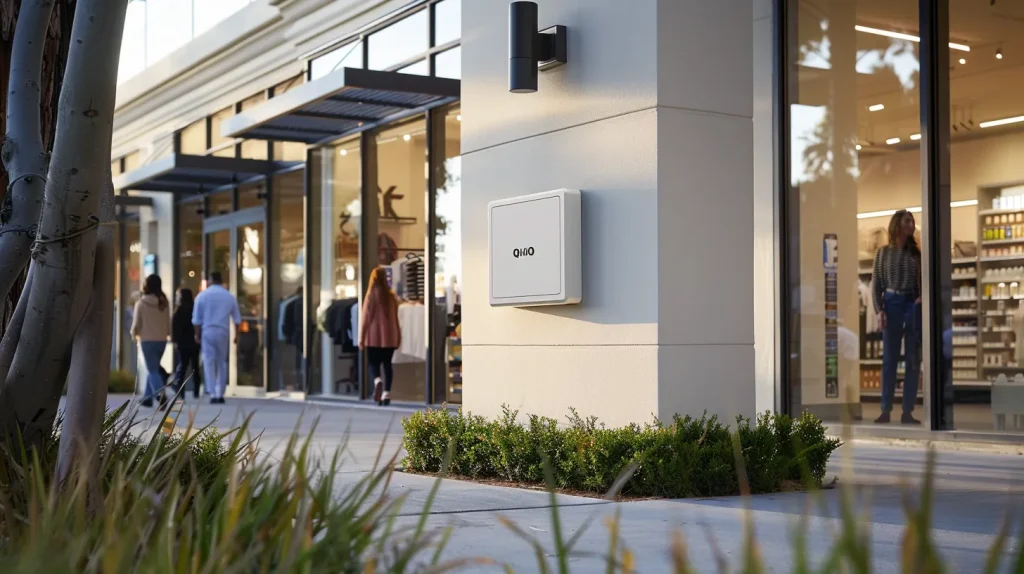
EV chargers installed in visible retail areas:
- Signal sustainability commitment
- Improve brand image
- Differentiate the store from nearby competitors
Charging infrastructure becomes part of the physical retail experience, reinforcing a modern and customer-friendly brand identity.
Operational Considerations for Retail Deployment
To maximize ROI, retailers should consider:
- Load balancing to avoid grid overload
- Smart scheduling during peak hours
- Remote monitoring and uptime management
- Clear signage and parking policies
Well-managed charging infrastructure ensures smooth operations without disrupting store activities.
Revenue Impact Summary
| Value Area | Retail Benefit |
| Foot traffic | Higher-quality visits |
| Dwell time | Longer in-store stays |
| Basket size | Increased spending |
| Customer loyalty | More repeat visits |
| Brand image | Sustainable, modern positioning |
EV charging enhances both short-term sales performance and long-term brand equity.
QIAO: Retail-Focused AC EV Charging Solutions
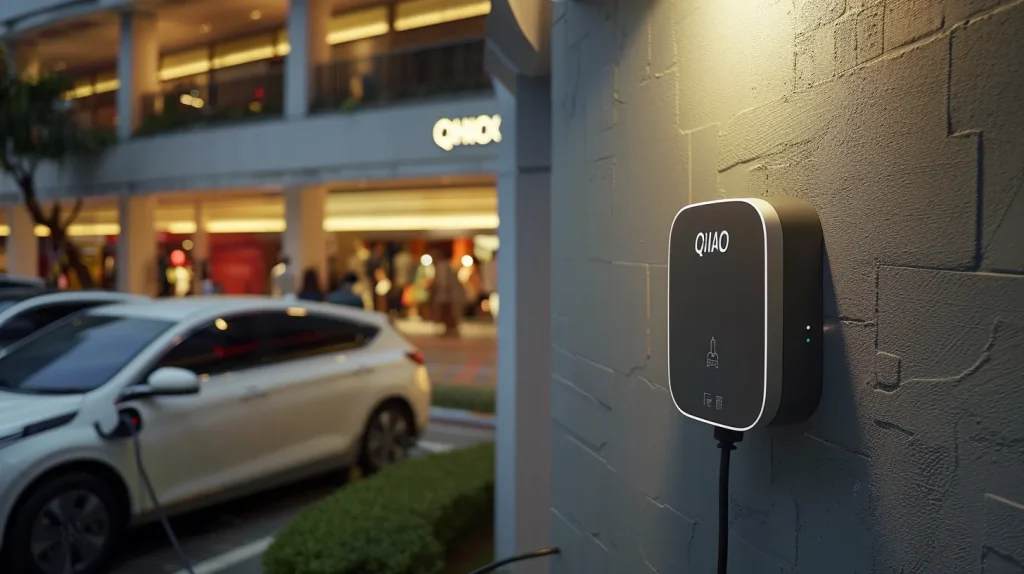
At QIAO EV Charger, we provide commercial-grade AC EV charging solutions designed for retail environments.
Our wall-mounted and portable AC chargers offer:
- Compact, retail-friendly design
- Smart load balancing support
- OCPP-based remote management
- Reliable operation for indoor and outdoor retail deployments
QIAO chargers help retail businesses turn EV charging into measurable commercial value, not just a utility service.