
The Non-Negotiable Foundation of EV Charging Infrastructure
As electric vehicles become part of everyday transportation, EV chargers are no longer optional accessories—they are critical electrical infrastructure.
In this context, electrical safety standards define whether a charging system can operate reliably, scale commercially, and remain safe throughout its lifecycle.
For commercial, fleet, residential, and public charging environments, electrical safety is not a feature—it is a baseline requirement.
What Electrical Safety Means in EV Charging
Electrical safety in EV charging systems focuses on preventing:
- Electric shock to users and technicians
- Overcurrent, short circuits, and overload conditions
- Grounding failures and leakage currents
- Fire risks caused by overheating or component failure
- Damage from unstable grid conditions
A compliant EV charger must remain safe during normal operation, abnormal events, and fault scenarios.
Why Electrical Safety Standards Matter
EV Chargers Operate Close to People
Unlike industrial electrical equipment, EV chargers are installed in areas with constant human interaction:
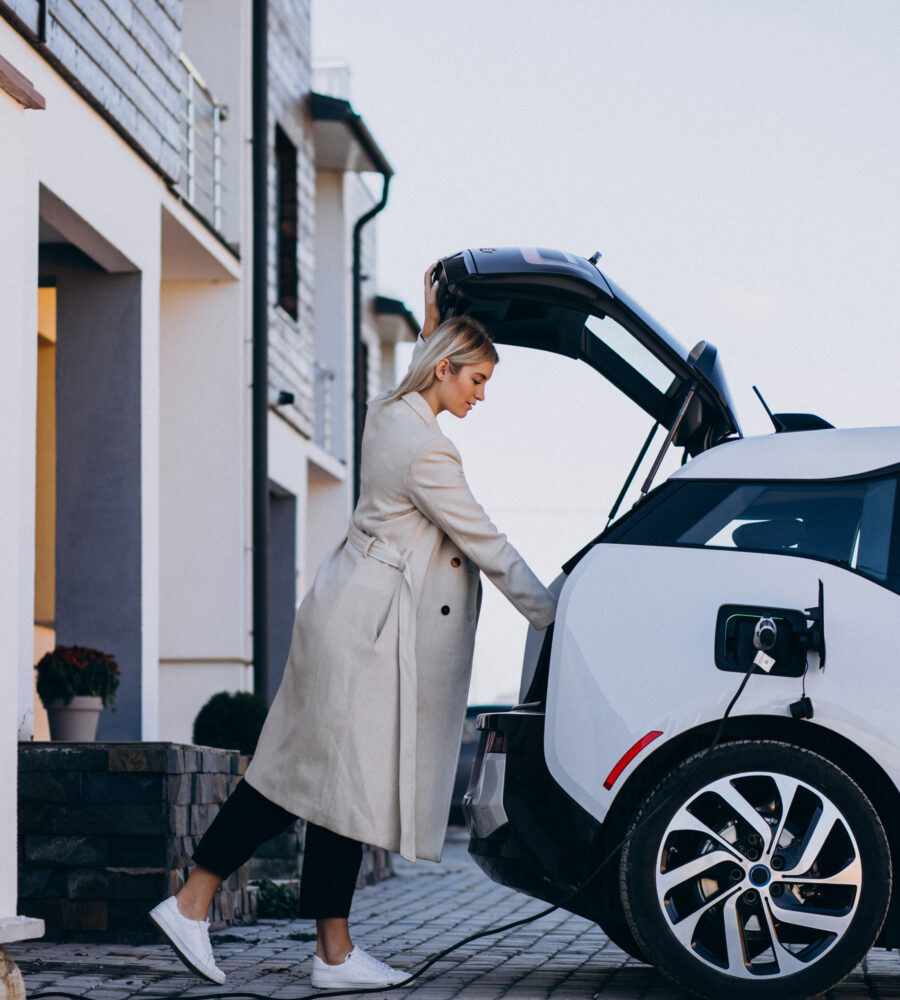
- Homes and residential garages
- Office buildings and shopping centers
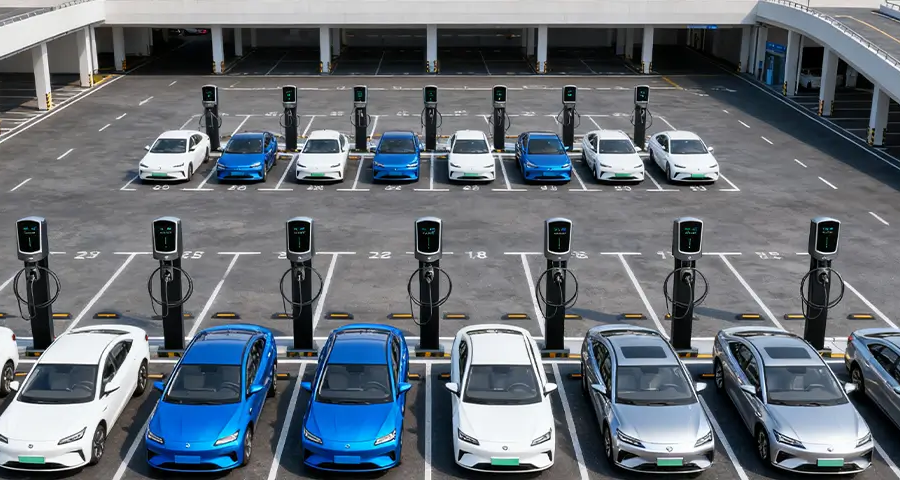
- Public parking facilities
- Underground or semi-enclosed spaces
This proximity significantly increases the importance of strict electrical safety controls.
Commercial Charging Requires Continuous Operation
Commercial AC chargers are designed for:
- Long operating hours
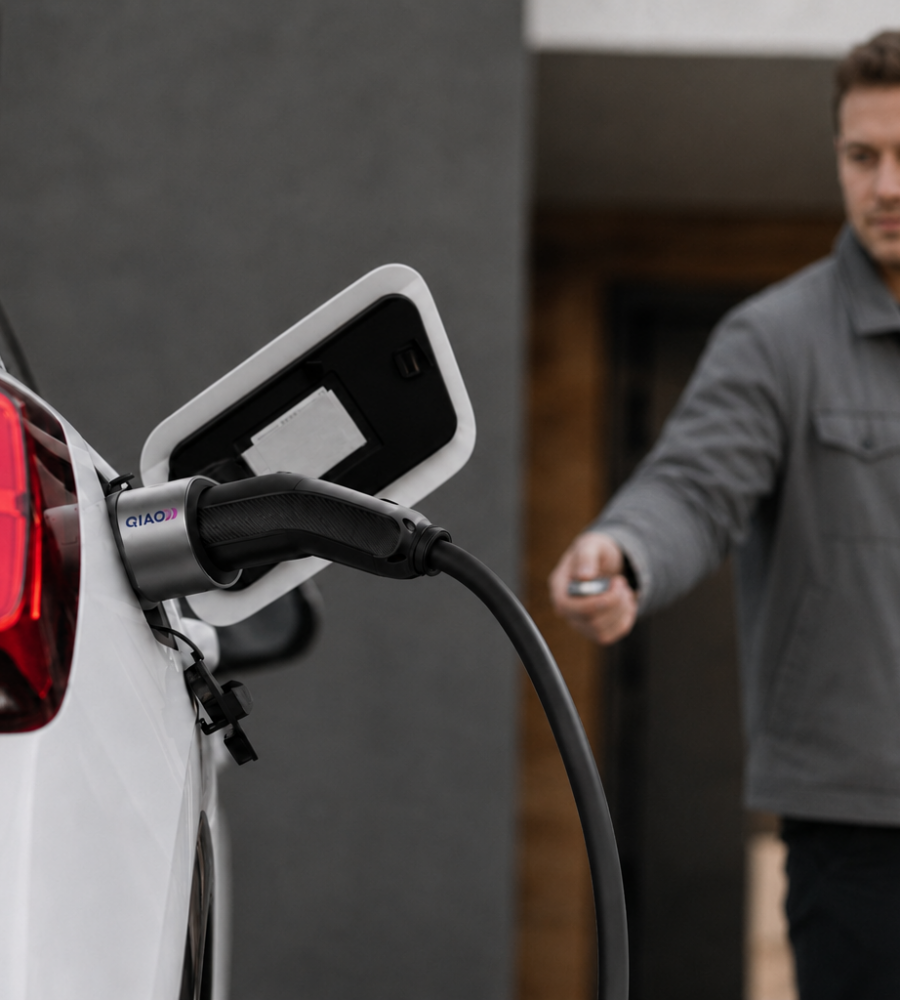
- Frequent plug-in and unplug cycles
- Simultaneous multi-charger operation
Without proper safety architecture, risks accumulate over time rather than appearing immediately.
Key Electrical Safety Standards for EV Chargers
While regulations differ by region, global EV charging safety frameworks share common principles.
Major international standards include:
- IEC / EN standards (Europe and many global markets)
- UL standards (North America)
- GB/T standards (China)
These frameworks establish minimum requirements for design, testing, and deployment.
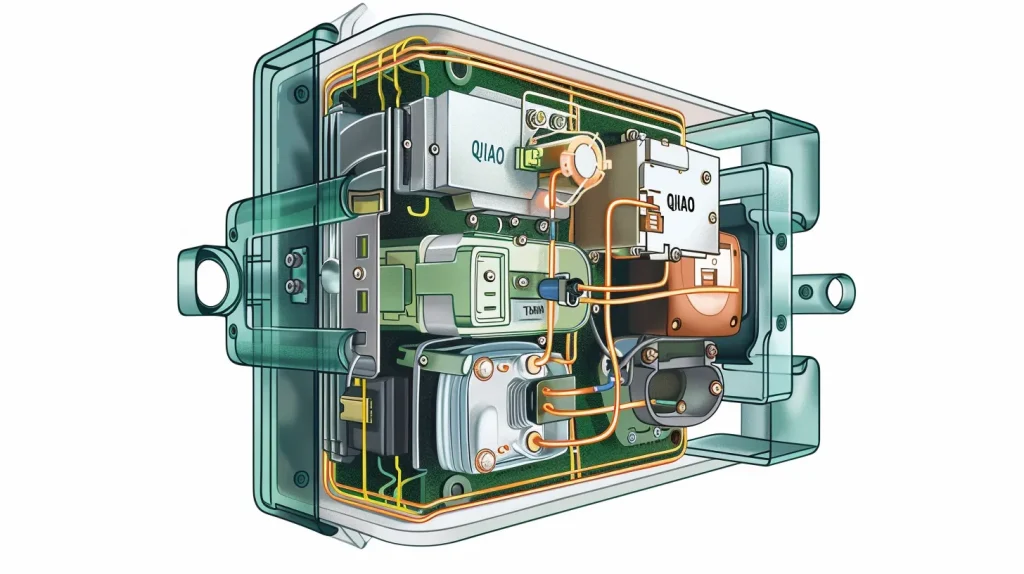
Core Safety Requirements Explained
| Safety Area | Purpose |
| Electrical insulation | Prevents direct and indirect contact |
| Grounding system | Ensures fault current is safely discharged |
| Leakage protection | Detects abnormal current flow |
| Overcurrent protection | Prevents cable and component damage |
| Thermal protection | Reduces fire and overheating risks |
Together, these mechanisms ensure fail-safe operation under electrical stress.
Electrical Safety in AC Charging Systems
Although AC chargers typically operate at lower power levels than DC fast chargers, they present unique safety challenges due to long charging durations.
Critical AC charging safety mechanisms include:
- Residual Current Device (RCD) protection (Type A or Type B)
- Ground continuity monitoring
- Contactor and relay welding detection
- Over-temperature and overload protection
- Safe recovery after power interruptions
These protections ensure that user safety is always prioritized over charging speed.
Certification Is Not the Same as Long-Term Safety
A common misconception is that certification alone guarantees safety. In reality:
- Certification represents the minimum compliance threshold
- Real safety performance is proven through long-term operation and edge cases
High-quality EV chargers integrate safety into system architecture rather than treating it as a checklist item.
Additional Challenges in Commercial and Global Deployments
Commercial and international charging projects introduce additional safety variables:
- Differences in grid stability across regions
- Aging electrical infrastructure in existing buildings
- Environmental exposure in outdoor installations
- Load interaction between multiple chargers
As a result, redundant protection and multi-market adaptability become essential for B2B deployments.
Electrical Safety as a Hidden Business Advantage
Strong electrical safety design delivers measurable benefits:
- Reduced accident and liability risk
- Lower maintenance and service costs
- Longer equipment lifespan
- Higher trust from operators and property owners
For commercial customers, these benefits directly improve total cost of ownership (TCO).
QIAO’s Approach to Electrical Safety
At QIAO EV Charger, electrical safety is embedded into the product design process from the start.
QIAO AC charging solutions are developed with:
- Multi-layer electrical protection architecture
- Compliance with major international safety standards
- Stable performance in commercial and high-usage environments
This approach enables QIAO wall-mounted and portable AC chargers to operate safely and reliably across residential, commercial, and fleet applications—supporting long-term, scalable EV charging deployment worldwide.