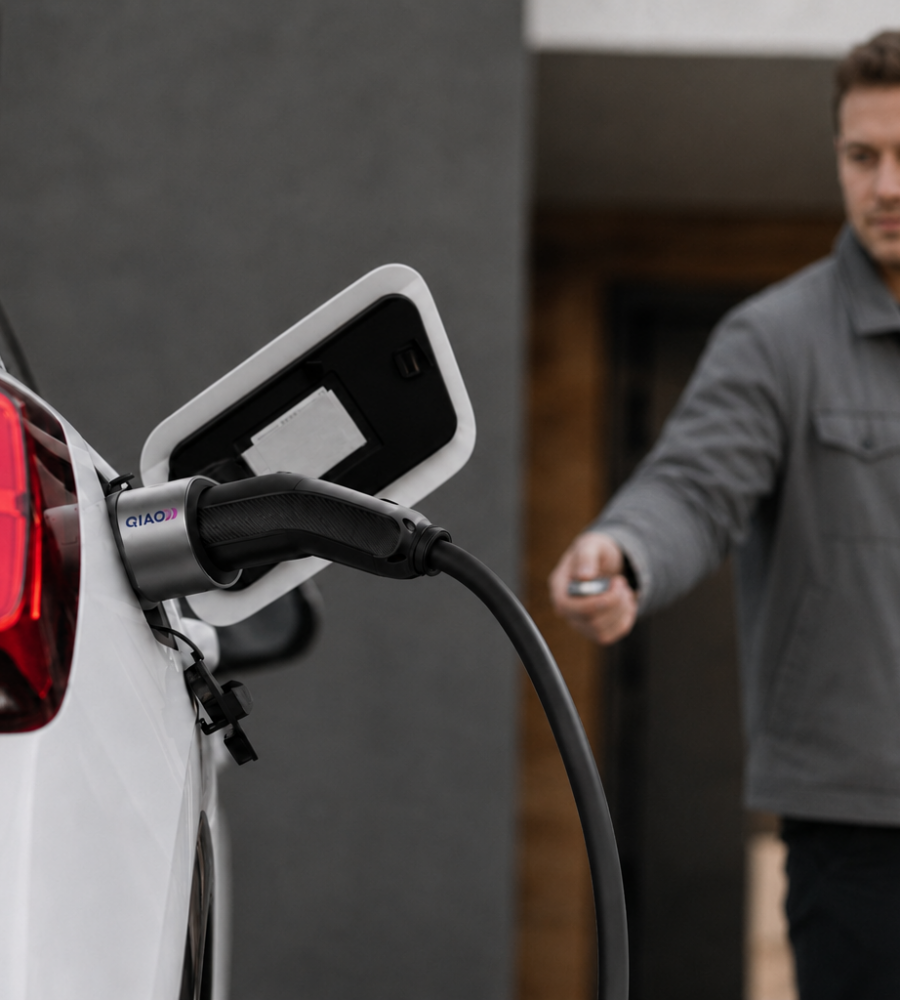

As New Energy Vehicle (NEV) adoption accelerates worldwide, demand for charging infrastructure is evolving at different speeds across regions. Market maturity, government policy, vehicle usage patterns, and grid capacity are reshaping how and where charging infrastructure is deployed.
This article examines how charging infrastructure demand is changing across major NEV markets—including China, Europe, and the United States—supported by authoritative data sources to enhance credibility and search visibility.
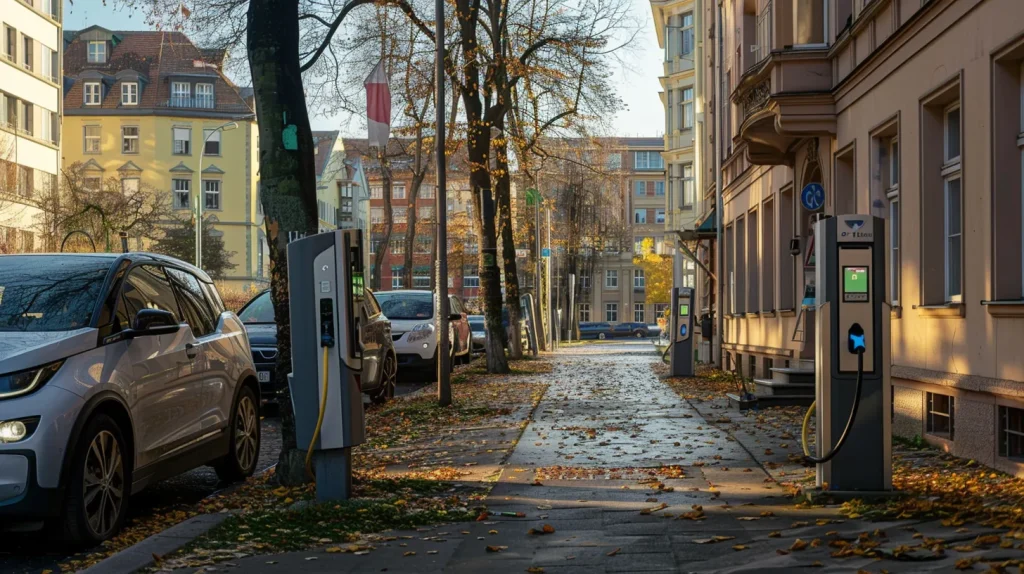
Global NEV Adoption Is Driving Infrastructure Demand
NEV adoption has reached different penetration levels across major markets. China continues to lead in absolute volume, while Europe and select countries such as Norway show high penetration rates. The United States remains in a steady growth phase.
Higher NEV penetration directly increases pressure on public, commercial, and residential charging networks, especially in urban areas and high-traffic corridors.
Sources & Data References:
- International Energy Agency (IEA) – Global EV Outlook
https://www.iea.org/reports/global-ev-outlook-2025 - Norway Road Federation (OFV) – EV registration statistics
https://ofv.no/bilsalget - Washington Post – Norway EV adoption analysis
https://www.washingtonpost.com/climate-solutions/2025/05/30/norway-ev-adoption-electric-cars/
Expansion of Global Charging Infrastructure
The number of public charging points worldwide has increased rapidly in recent years. Millions of new AC and DC chargers are being installed annually, with slow AC chargers still accounting for the majority of global installations.
Despite strong growth, infrastructure deployment often lags behind vehicle adoption, particularly in fast-growing NEV markets.
Sources & Data References:
- IEA – Global public charging point statistics
https://www.iea.org/reports/global-ev-outlook-2025/electric-vehicle-charging - Astute Analytica – Global EV charging market overview
https://www.globenewswire.com/news-release/2025/03/18/3044520/0/en/EV-Charging-Station-Market.html
China: Large-Scale Deployment with Regional Imbalances
China represents the world’s largest NEV and charging infrastructure market. Public charging installations have grown rapidly, but deployment is uneven across regions. Coastal and economically developed provinces account for a disproportionate share of chargers.
As the market matures, growth rates are slowing, shifting focus toward grid optimization, utilization efficiency, and smart charging solutions.
Sources & Data References:
- CNEV Post – China public charger statistics
https://cnevpost.com/2024/11/20/china-public-chargers-end-2024-70-global-total-trendforce/ - TrendForce – China EV infrastructure analysis
https://www.trendforce.com/research/ev
Europe: Rapid Growth but Infrastructure Gap Remains
Europe has seen consistent growth in both NEV adoption and charging infrastructure. However, infrastructure density per vehicle remains insufficient in many EU member states, particularly for public and highway charging.
Industry studies suggest that annual charger installation rates must increase significantly to meet 2030 electrification targets.
Sources & Data References:
- European Automobile Manufacturers’ Association (ACEA)
https://www.acea.auto/figure/eu-charging-points-per-electric-car/ - Reuters – EU charging infrastructure demand
https://www.reuters.com/business/autos-transportation/eu-needs-8-times-more-car-charging-points-per-year-meet-demand-acea-finds-2024-04-29/
United States: Steady Growth with Lower Charger Density
The U.S. charging market is expanding steadily, supported by federal and state programs. However, public charging capacity per EV remains lower than in China and parts of Europe, especially outside major metropolitan areas.
Investment is increasingly focused on highway corridors, fleet depots, and workplace charging.
Sources & Data References:
- IEA – Public charging capacity per EV
https://www.iea.org/reports/global-ev-outlook-2025/electric-vehicle-charging - U.S. Department of Transportation – NEVI Program
https://www.transportation.gov/rural/ev/toolkit/nevi
Shifting Demand: From Quantity to Charging Quality
As NEV markets mature, demand is shifting from simply increasing charger numbers to improving charging quality, including:
- Smart load management
- Network connectivity and uptime
- Compatibility across vehicle types
- Energy efficiency and grid integration
AC charging remains critical for residential, workplace, and long-duration parking scenarios, while fast charging supports mobility and fleet operations.

Sources & Data References:
- IEA – Smart charging and grid integration
https://www.iea.org/reports/global-ev-outlook-2025 - McKinsey – EV charging infrastructure evolution
https://www.mckinsey.com/industries/automotive-and-assembly/our-insights
Policy and Regulation as Demand Drivers
Government policies continue to shape charging infrastructure demand. Regulations such as the EU’s Alternative Fuels Infrastructure Regulation (AFIR) and national incentive programs directly influence charger deployment strategies.
Public funding and mandates increasingly prioritize reliability, coverage, and interoperability over simple installation volume.
Sources & Data References:
- European Commission – AFIR regulation
https://transport.ec.europa.eu/transport-themes/clean-transport/alternative-fuels-infrastructure_en - IEA – Policy impacts on EV infrastructure
https://www.iea.org/reports/global-ev-outlook-2025
Conclusion
Charging infrastructure demand across global NEV markets is evolving from rapid expansion toward smarter, more efficient, and more reliable systems. While China leads in scale, Europe and the United States are accelerating investments to close infrastructure gaps and support long-term electrification goals.For stakeholders across the charging ecosystem, understanding regional demand differences—and grounding decisions in credible data—is essential to building sustainable and future-proof charging networks.