
Electric vehicles are transforming the global transportation industry. However, not all electric vehicles are designed for the same purpose. The two main categories in the EV market are passenger electric vehicles (EVs) and commercial electric vehicles (EVs).
While both rely on battery technology and charging infrastructure, their design, operational requirements, charging behavior, and infrastructure needs can be significantly different.
Understanding these differences is important for infrastructure planners, businesses, and EV charging providers.
What Are Passenger Electric Vehicles?
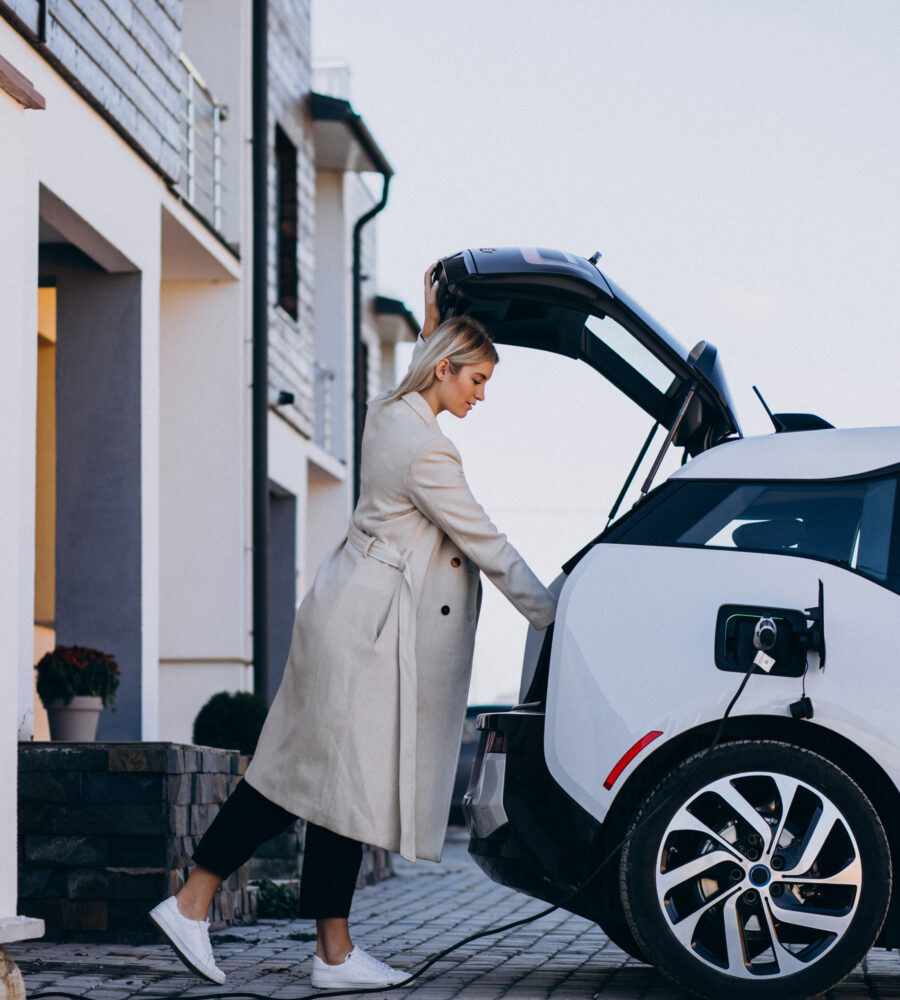
Passenger electric vehicles are designed primarily for personal transportation. These vehicles are used by individuals and families for daily commuting, travel, and general mobility.
Common passenger EV types include:
- electric sedans
- electric SUVs
- hatchbacks
- compact city vehicles
Many automakers produce passenger EV models, including companies such as Tesla, Nissan, and Hyundai Motor Company.
According to the International Energy Agency, passenger EVs account for the majority of electric vehicle sales worldwide.
Global EV market data:
https://www.iea.org/reports/global-ev-outlook
What Are Commercial Electric Vehicles?
Commercial electric vehicles are designed for business operations and commercial transport.
These vehicles are used for activities such as logistics, goods delivery, public transportation, and service operations.
Common commercial EV categories include:
- electric delivery vans
- electric cargo trucks
- electric buses
- service fleet vehicles
Logistics companies such as Amazon and DHL are investing heavily in commercial EV fleets to reduce emissions and operating costs.
Commercial EV fleets often operate on predictable routes and fixed schedules, making them well suited for centralized charging infrastructure.
Key Differences Between Passenger and Commercial EVs
Vehicle Usage Patterns
Passenger EVs are mainly used for personal travel, including commuting, shopping, and leisure trips.
Commercial EVs, however, are used for operational tasks, such as deliveries or service visits.
Because of this difference:
- Passenger EV usage is less predictable.
- Commercial EV usage follows scheduled routes.
These patterns influence charging strategies and infrastructure planning.
Battery Capacity
Commercial EVs typically require larger batteries because they carry heavier loads and operate longer hours.
Battery capacity is usually measured in kilowatt-hours (kWh).
Energy unit explanation:
https://en.wikipedia.org/wiki/Kilowatt-hour
Typical ranges include:
- passenger EV batteries: 40–100 kWh
- commercial EV batteries: 60–200 kWh or more
Larger batteries increase driving range but require higher charging power.
Charging Infrastructure Requirements
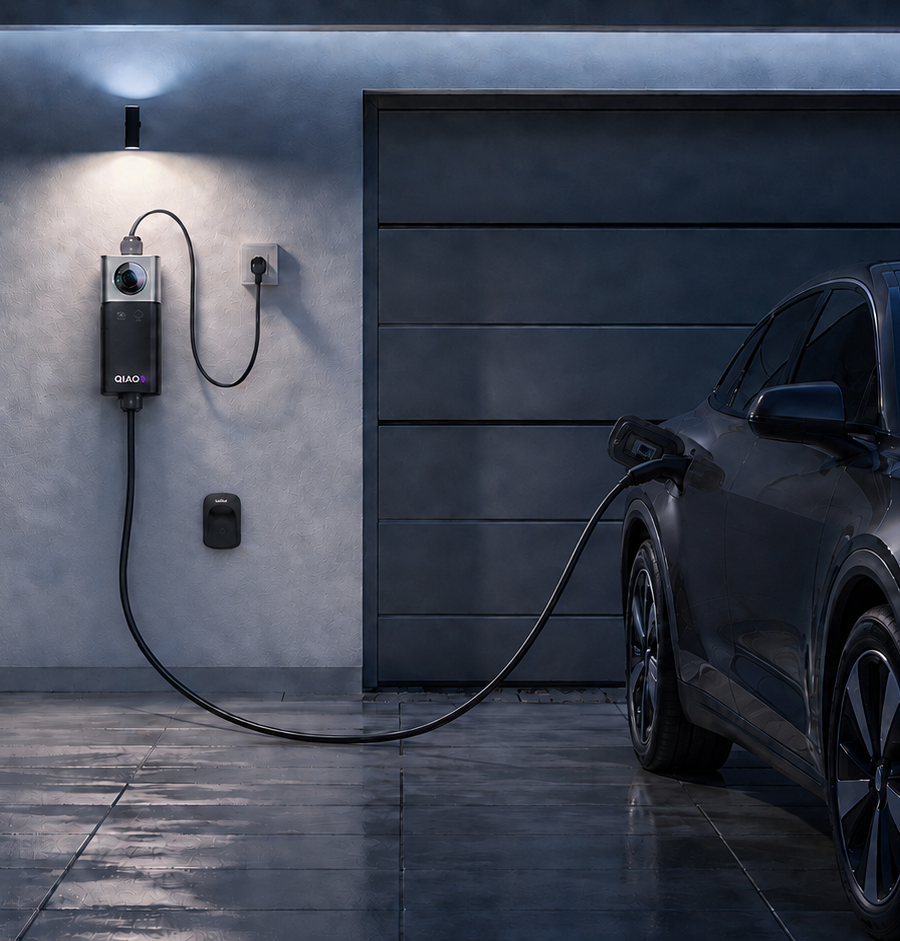
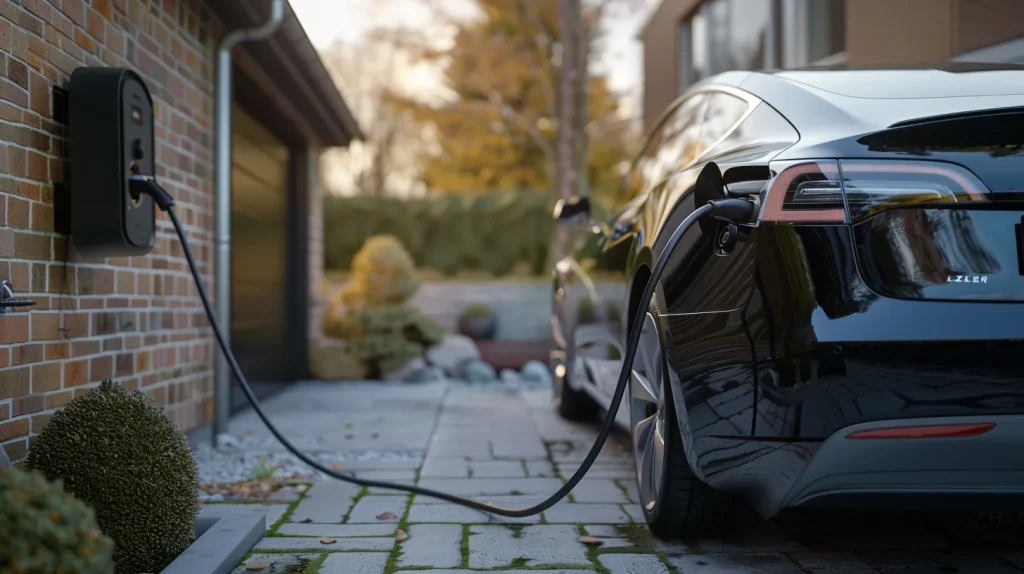
Passenger EV charging usually occurs in distributed locations, such as:
- residential homes
- apartment buildings
- workplaces
- public charging stations
Charging infrastructure overview from the U.S. Department of Energy:
https://www.energy.gov/eere/electricvehicles/charging-electric-vehicles
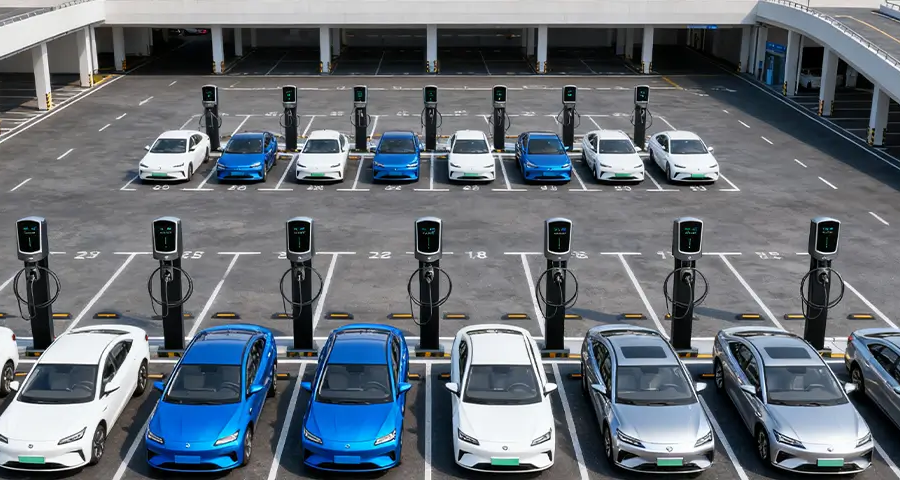
Commercial EV charging is often centralized.
Fleet operators commonly install chargers at:
- logistics depots
- warehouse parking areas
- fleet parking facilities
This allows companies to manage charging operations more efficiently.
Charging Speed and Downtime
Passenger EV owners often charge vehicles overnight or during daily activities.
Commercial EV fleets may require faster charging to reduce downtime and maintain operational schedules.
Fleet operators may use:
- high-power AC chargers
- DC fast charging stations
- scheduled smart charging systems
These solutions help maximize vehicle availability.
Impact on EV Charging Infrastructure
Both passenger and commercial EVs contribute to the expansion of EV charging networks, but their needs differ.
Passenger EV infrastructure focuses on:
- accessibility
- convenience
- widespread public charging
Commercial EV infrastructure focuses on:
- depot charging systems
- energy demand management
- operational efficiency
Smart charging systems are increasingly used to manage energy demand.
Smart charging concept:
https://en.wikipedia.org/wiki/Smart_charging
The Future of Passenger and Commercial EVs
Both EV segments are expected to continue expanding rapidly.
Passenger EV growth is driven by:
- consumer demand
- government incentives
- improved vehicle range
Commercial EV growth is driven by:
- logistics electrification
- corporate sustainability goals
- lower operating costs
Together, these segments will shape the future of global transportation.
Conclusion
Passenger electric vehicles and commercial electric vehicles serve different purposes but share the same goal of reducing emissions and improving transportation efficiency.
Passenger EVs focus on consumer mobility and convenience, while commercial EVs prioritize operational performance and fleet management.
Understanding these differences helps infrastructure planners design charging networks that support both segments effectively.
About QIAO
QIAO provides reliable AC EV charging solutions designed for residential, commercial, and fleet environments.
Our charging systems support:
- scalable infrastructure deployment
- smart load management
- OCPP-compatible charging platforms
- efficient charging for passenger and commercial EVs
QIAO helps businesses and communities build future-ready EV charging infrastructure.
FAQ
What is the main difference between passenger EVs and commercial EVs?
Passenger EVs are designed for personal transportation, while commercial EVs are used for business operations such as deliveries or logistics.
Do commercial EVs require different charging infrastructure?
Yes. Commercial fleets often use centralized depot charging systems to support multiple vehicles.
Are commercial EV batteries larger than passenger EV batteries?
In many cases, yes. Commercial vehicles often require larger batteries to support heavier loads and longer operating hours.
Where do passenger EVs usually charge?
Most passenger EVs charge at home, workplaces, or public charging stations.