
As the global transition to electric mobility accelerates, EV charging infrastructure investment is entering a new phase of scale and sophistication.
In 2026, investment is no longer just about building chargers—it is about building integrated energy ecosystems.
Global Investment Is Reaching Record Levels
According to the International Energy Agency:
- Global clean energy investment reached $2.3 trillion in 2025
- Electrified transport (including EV charging) accounted for $893 billion
- Total energy investment is expected to exceed $3.3 trillion
At the same time:
- Global public EV charging points surpassed 5 million
- Over 1.3 million new chargers were added in 2024 alone
This confirms that EV charging infrastructure is now a core pillar of global energy investment
EV Charging Demand Is Growing Faster Than Infrastructure
EV adoption continues to surge:
- EV fleet expected to reach 250 million by 2030
- Charging infrastructure needs to grow 9x by 2030
This creates a massive investment gap—and opportunity.
Key Investment Trends in 2026
1. Shift From Hardware to Energy Systems
Investment focus is shifting from:
- standalone chargers
to:
- smart charging systems
- energy management platforms
- grid-integrated infrastructure
Charging stations are becoming energy nodes
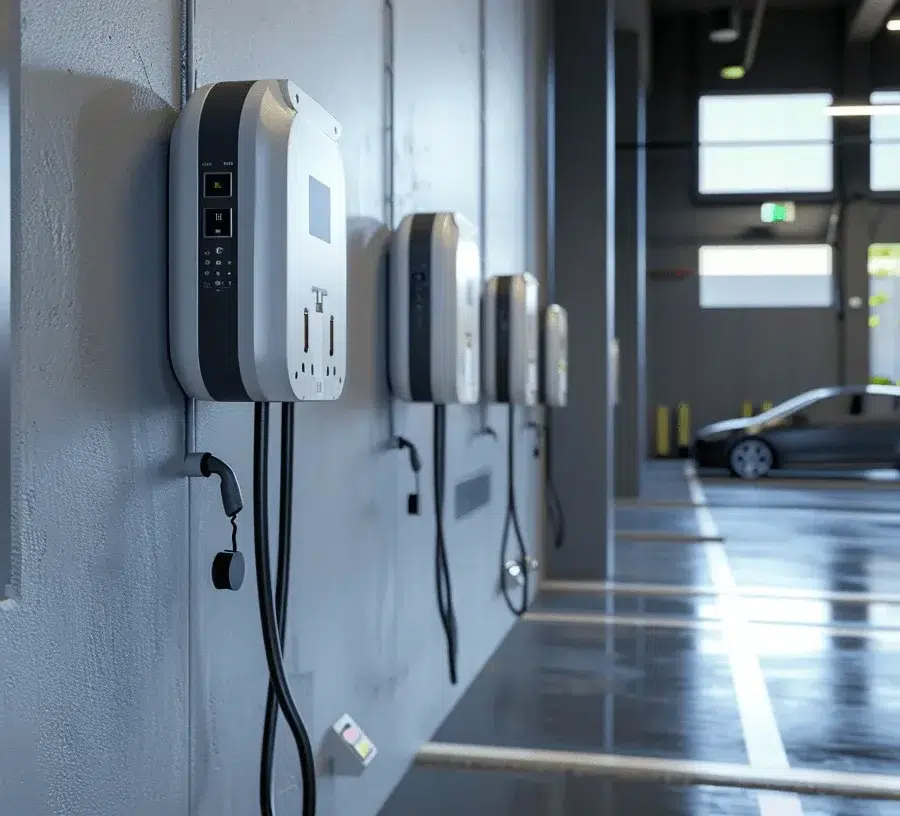
2. AC Charging Gains Momentum in Urban Markets
While DC fast charging dominates headlines, investors are increasingly focusing on:
- AC public charging
- destination charging
- residential and workplace charging
Why?
- lower cost
- faster deployment
- better ROI
AC charging is becoming the volume-driven investment segment
3. Integration With Renewable Energy
Renewable energy overview:
https://en.wikipedia.org/wiki/Renewable_energy
Investments are increasingly combining:
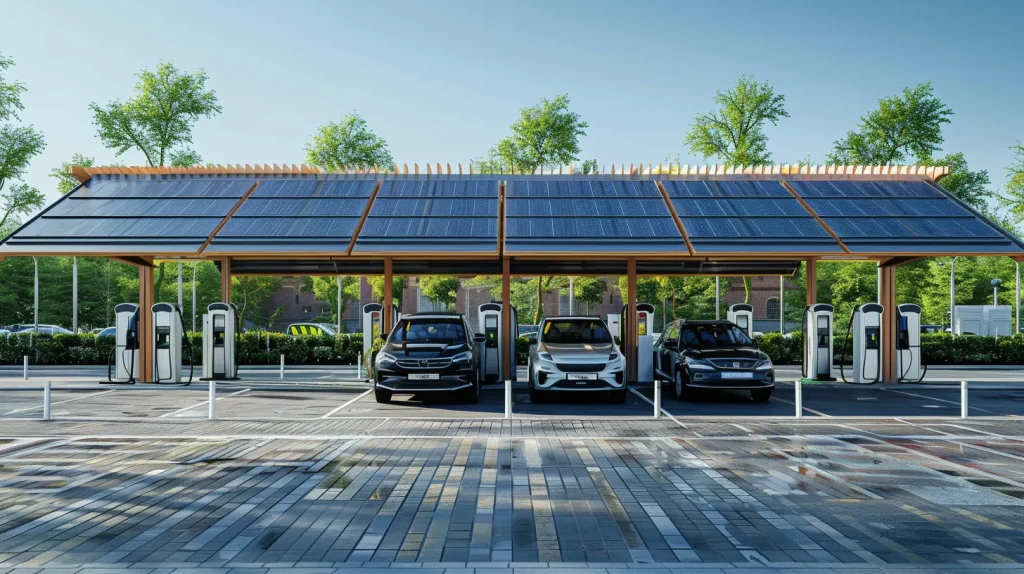
- EV charging + solar PV
- EV charging + battery storage
- microgrid-based charging hubs
This reduces energy costs and improves grid resilience.
4. Rise of Private Sector Investment
Public funding (e.g., NEVI, EU programs) is important—but:
Private capital is now leading growth
Examples include:
Investment models include:
- Charging-as-a-Service (CaaS)
- revenue-sharing models
- long-term infrastructure leasing
5. Regional Investment Differences
China
- largest EV and charging market
- rapid deployment scale
Europe
- strong regulatory push
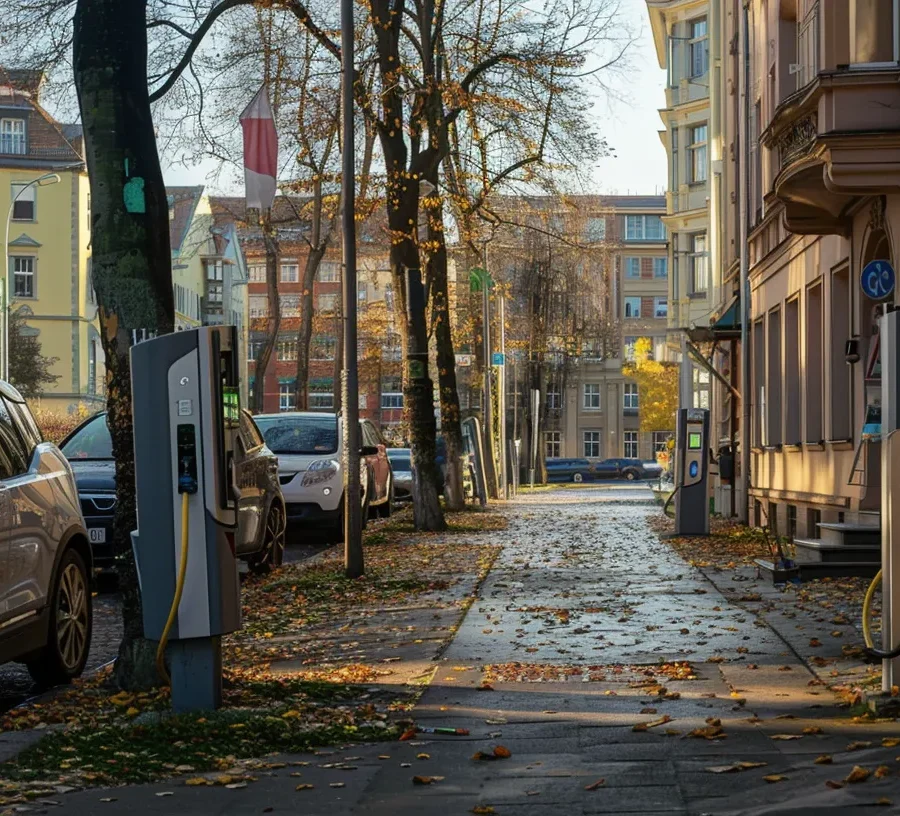
- focus on urban/public charging
United States
- policy-driven (e.g., NEVI)
- expanding DC backbone + AC ecosystem
Each region has different investment priorities.
Grid Capacity Becomes a Bottleneck
Electric power system overview:
https://en.wikipedia.org/wiki/Electric_power_system
As charging demand increases:
- grid upgrades become necessary
- energy optimization becomes critical
Investment is shifting toward:
- smart load management
- demand response systems
7. Smart Charging & AI Investment Growth
Smart charging overview:
https://en.wikipedia.org/wiki/Smart_charging
Investors are focusing on:
- AI-based load management
- predictive charging
- dynamic pricing systems
Software is becoming as important as hardware.
8. Fleet Electrification Drives Infrastructure Demand
Fleet operators are investing heavily in:
- depot charging
- workplace charging
- energy optimization systems
Fleet charging is one of the fastest-growing segments
Investment Allocation: Where the Money Is Going
| Segment | Investment Trend |
| DC fast charging | Highway backbone |
| AC charging | Urban & destination growth |
| Energy systems | Rapid growth |
| Software platforms | High growth |
| Grid upgrades | Critical infrastructure |
Key Opportunities for Businesses
For B2B players, the biggest opportunities lie in:
1. AC Charging Deployment
- parking operators
- real estate developers
- commercial properties
2. Smart Charging Systems
- load management
- energy optimization
3. Integrated Energy Solutions
- solar + charging
- storage + charging
4. Charging Network Operations
- remote diagnostics
- billing systems
- platform services
Challenges Investors Are Watching
- slow permitting processes
- grid constraints
- policy uncertainty in some regions
- high upfront capital costs
These challenges are shaping new business models and partnerships
Strategic Insight: The Next Phase of EV Charging
The industry is moving from:
“build more chargers”
to:
“build smarter, integrated energy infrastructure”
This includes:
- OCPP-based systems
- Energy APIs
- AI-driven optimization
What This Means for the Market
By 2026–2030:
- AC charging will dominate deployment volume
- DC charging will dominate visibility and policy focus
- energy integration will dominate investment value
About QIAO
QIAO provides scalable AC EV charging solutions designed for the next generation of energy infrastructure.
Our solutions support:
- smart load management
- OCPP-compatible systems
- integration with energy platforms
- cost-efficient deployment for commercial and public use
QIAO helps businesses capture opportunities in the rapidly growing EV charging investment market.
FAQ
Is EV charging still a growing investment sector?
Yes, investment continues to grow rapidly alongside EV adoption.
Why is AC charging gaining attention?
Because it offers lower cost and better scalability.
What role does software play in charging infrastructure?
Software enables optimization, monitoring, and energy integration.
Will public funding continue to drive growth?
Yes, but private investment is becoming more dominant.