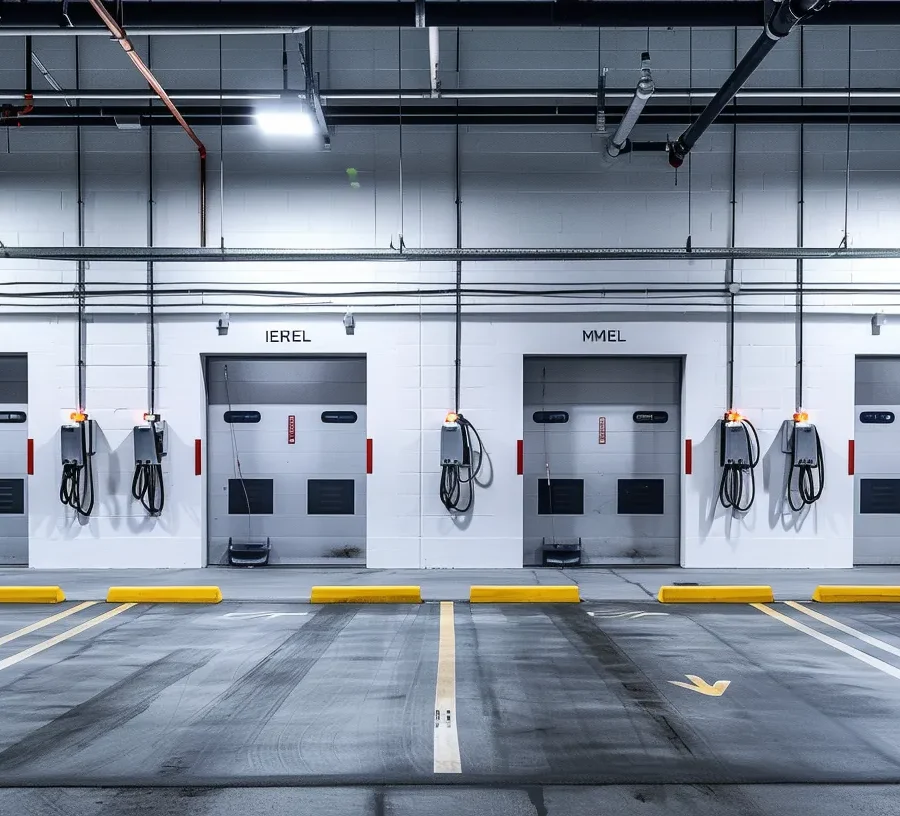

As EV charging shifts from infrastructure deployment to commercial operation, one factor becomes critical:
billing accuracy
In AC charging systems, billing is typically based on:
kWh (kilowatt-hour) energy consumption
Even small measurement errors can lead to:
- revenue loss
- customer disputes
- regulatory risks
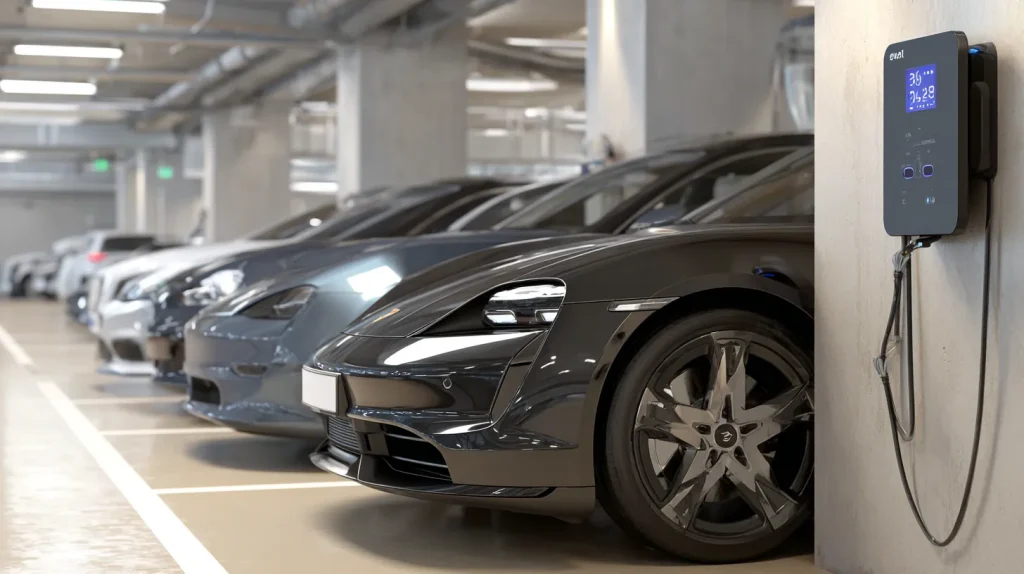
What Is kWh Metering in EV Charging?
A kilowatt-hour (kWh) measures the amount of energy consumed over time.
Kilowatt-hour overview:
https://en.wikipedia.org/wiki/Kilowatt-hour
In EV charging:
billing = energy delivered × price per kWh
Example:
| Energy Used | Price | Total Cost |
| 20 kWh | $0.30/kWh | $6.00 |
Why Billing Accuracy Is Critical
1. Direct Impact on Revenue
Small errors scale quickly.
Example:
| Error | Impact |
| -2% underbilling | revenue loss |
| +2% overbilling | customer complaints |
Accuracy directly affects profitability.
2. Customer Trust and Experience
Users expect:
- transparent pricing
- fair billing
Inaccurate billing leads to:
- disputes
- negative reviews
- loss of trust
3. Regulatory Compliance
Many regions require:
- certified metering
- verifiable billing
Non-compliance may result in:
- fines
- operational restrictions
4. Scalability of Charging Networks
As networks grow:
- billing complexity increases
- error impact multiplies
Accurate systems are essential for scaling.
What Determines Billing Accuracy?
1. Meter Precision Class
Electricity meter overview:
https://en.wikipedia.org/wiki/Electricity_meter
Meters are rated by accuracy class:
| Class | Accuracy |
| Class 1 | ±1% |
| Class 0.5 | ±0.5% |
Higher precision = better billing accuracy.
2. Calibration and Certification
Certified meters (e.g., MID):
- ensure legal accuracy
- meet regulatory standards
Required in many commercial markets.
3. Measurement Method
Accuracy depends on measuring:
- voltage
- current
- time
Errors in any component affect final billing.
4. Installation Quality
Incorrect installation can cause:
- measurement drift
- inaccurate readings
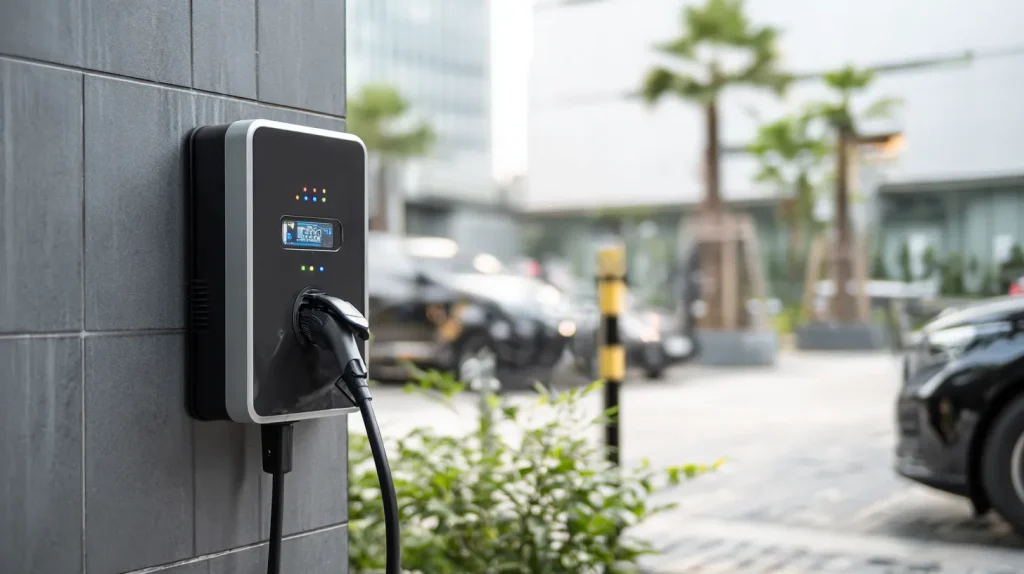
kWh vs Time-Based Billing
| Model | Advantage | Disadvantage |
| kWh-based | fair, accurate | requires certified meters |
| Time-based | simple | not energy-accurate |
Trend:
global shift toward kWh-based billing
Role of Certified Metering Standards
MID (Europe)
Ensures:
- legal billing accuracy
- consumer protection
UL (North America)
Focuses on:
- safety
- product compliance
Certified metering is essential for commercial charging operations
Common Billing Errors in EV Charging
- inaccurate meters
- lack of calibration
- software rounding errors
- communication delays
These issues can accumulate into significant losses.
Best Practices for Accurate Billing
1. Use Certified Smart Meters
Ensure compliance with:
- MID (EU)
- local regulations
2. Implement Regular Calibration
Maintain long-term accuracy
3. Integrate With Reliable Backend Systems
Smart charging overview:
https://en.wikipedia.org/wiki/Smart_charging
Ensure:
- real-time data
- accurate billing logic
4. Monitor and Audit Data
Track:
- anomalies
- usage patterns
5. Use Transparent Pricing Models
Build user trust and reduce disputes.
Business Impact of Billing Accuracy
Accurate billing helps operators:
- maximize revenue
- reduce disputes
- ensure compliance
- build customer trust
It is a core pillar of commercial success
Example: Revenue Impact of Accuracy
| Scenario | Result |
| 100 chargers, -1% error | significant revenue loss |
| 100 chargers, +1% error | customer complaints |
Precision matters at scale.
Future Trend: Smart Metering + Data Analytics
With digital platforms:
- real-time billing
- automated validation
- predictive analytics
Billing systems will become more intelligent and transparent
About QIAO
QIAO provides AC EV charging solutions with high-precision metering and compliant billing systems.
Our solutions support:
- accurate kWh measurement
- MID-compliant metering
- smart billing integration
- real-time data monitoring
QIAO helps operators build reliable and revenue-secure charging networks.
FAQ
Why is kWh billing better than time-based billing?
Because it reflects actual energy usage.
Is certified metering mandatory?
In many regions, yes for commercial charging.
How accurate should a meter be?
Typically ±1% or better.
Can billing errors be prevented completely?
Not entirely, but they can be minimized with proper systems.