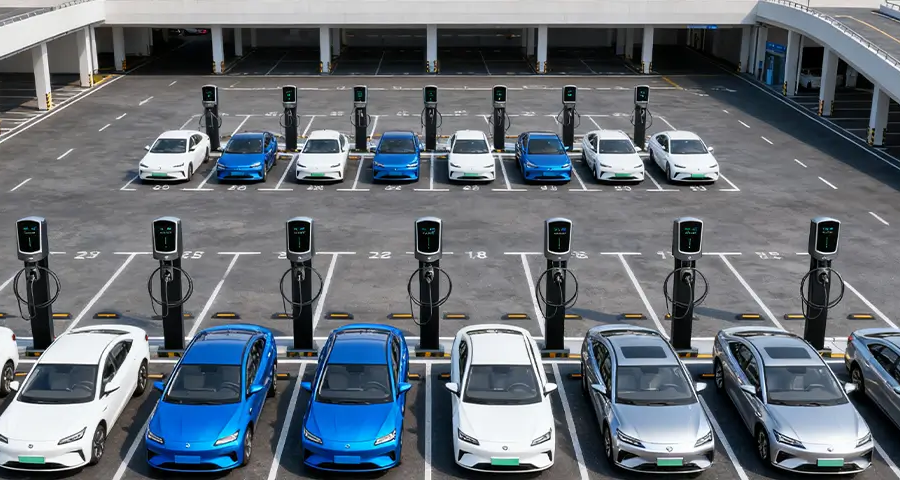

As EV charging becomes a standard feature in commercial buildings, residential
communities, and corporate campuses, one operational challenge stands out:
how to efficiently manage multiple users sharing limited charging resources
Without proper management, operators may face:
- charger congestion
- unfair usage
- billing complexity
A structured multi-user management strategy is essential for scalability and user satisfaction
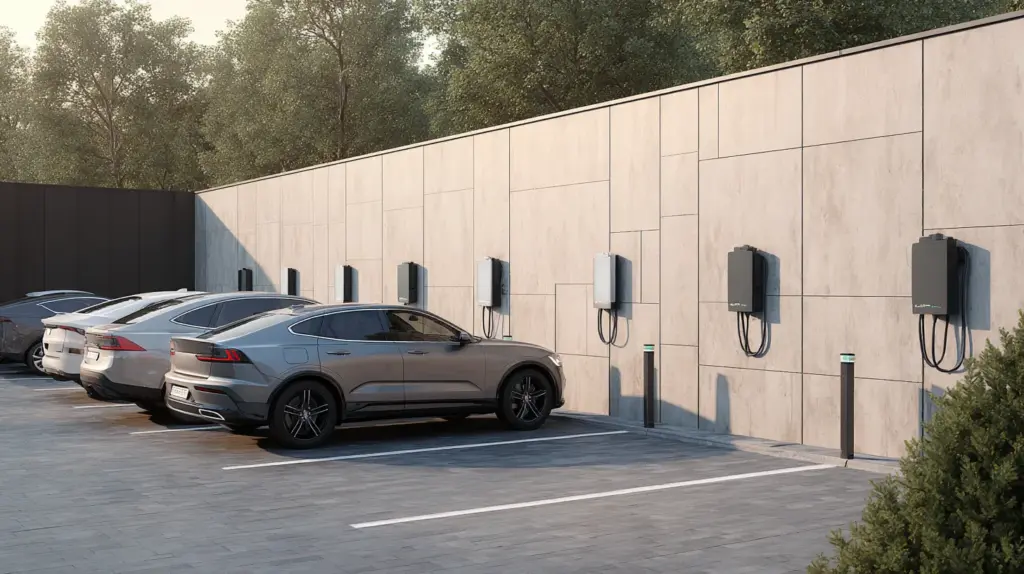
Why Multi-User Management Matters
In shared environments:
- chargers are limited
- users have different needs
- usage patterns vary
Poor management leads to:
- long wait times
- resource conflicts
- revenue leakage
Typical Multi-User Scenarios
| Scenario | User Types |
| Office building | employees, visitors |
| Residential community | residents, guests |
| Commercial property | tenants, public users |
| Industrial park | staff, fleet vehicles |
Each group requires different policies and priorities
Core Components of Multi-User Management
1. User Identification & Access Control
To manage users, systems must first identify them.
Common methods:
- RFID cards
- mobile apps
- QR code access
- license plate recognition
Enables:
- secure access
- user segmentation
2. User Segmentation
Divide users into categories:
| Group | Characteristics |
| Employees / Residents | frequent users |
| Visitors | temporary users |
| VIP | priority access |
| Fleet | operational priority |
Segmentation allows customized rules
3. Charging Access Rules
Define:
- who can use which chargers
- when they can use them
Example:
| Rule | Description |
| Dedicated chargers | reserved for fleet |
| Shared chargers | for all users |
| Time-based access | employees only during work hours |
4. Pricing Strategies for Different Users
Flexible pricing improves both:
- fairness
- revenue
Examples:
| User | Pricing |
| Employees | free or discounted |
| Visitors | full price |
| Residents | monthly subscription |
| Fleet | internal billing |
Align pricing with business goals.
5. Reservation & Queue Management
High-demand locations need:
- reservation systems
- virtual queues
Benefits:
- reduced waiting time
- better planning
6. Load Management Across Users
Load management overview:
https://en.wikipedia.org/wiki/Load_management
In multi-user environments:
- power must be shared
Example:
| Users | Total Power | Allocation |
| 4 | 40 kW | 10 kW each |
| 8 | 40 kW | 5 kW each |
Prevents grid overload while maximizing usage.
7. Usage Monitoring and Analytics
Smart systems track:
- energy consumption
- session duration
- peak usage times
Enables:
- optimization
- demand forecasting
8. Billing and Cost Allocation
Commercial environments require:
- accurate billing
- transparent reporting
Systems should support:
- pay-per-kWh
- subscriptions
- cost splitting
9. Preventing Misuse
Common issues:
- vehicles occupying chargers without charging
- unauthorized access
Solutions:
- idle fees
- time limits
- user authentication
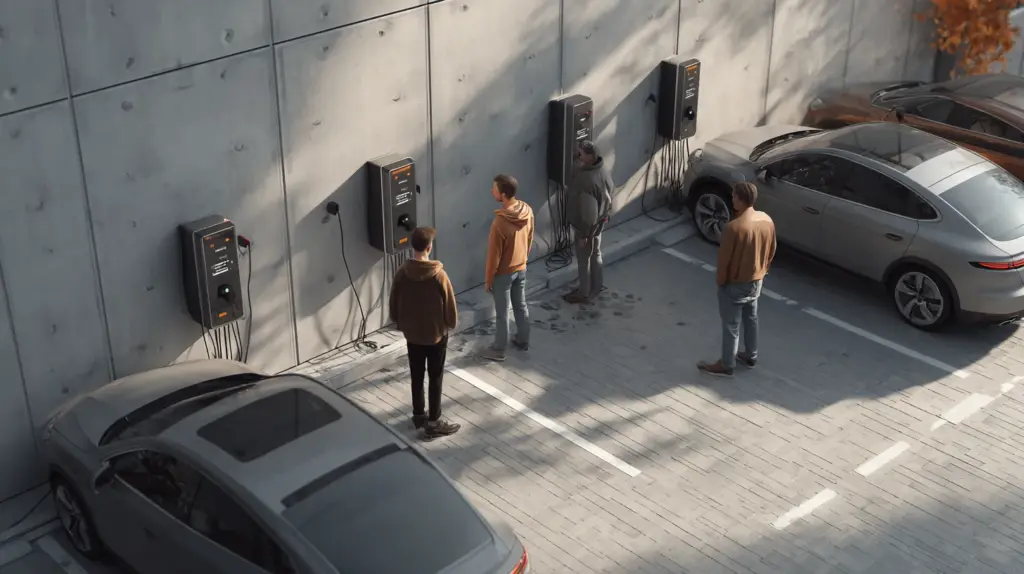
Technology Enabling Multi-User Management
Smart charging overview:
https://en.wikipedia.org/wiki/Smart_charging
Modern platforms provide:
- centralized control
- automated rules
- real-time monitoring
Example Deployment
Office Building
- employees: free charging during work hours
- visitors: paid access
- fleet: dedicated chargers
Result:
- balanced usage
- improved efficiency
- controlled costs
Common Mistakes to Avoid
- no user segmentation
- fixed pricing for all users
- lack of monitoring
- no load management
These lead to inefficiency and user dissatisfaction.
Business Benefits
Effective multi-user management helps:
- increase charger utilization
- improve user experience
- optimize energy usage
- maximize ROI
Future Trend: Intelligent User Management
Artificial intelligence overview:
https://en.wikipedia.org/wiki/Artificial_intelligence
Future systems will:
- predict demand
- dynamically allocate resources
- personalize pricing
Moving toward fully automated charging ecosystems
About QIAO
QIAO provides AC EV charging solutions with advanced multi-user management capabilities.
Our platform supports:
- user segmentation
- access control
- dynamic pricing
- load management
- real-time monitoring
QIAO helps property managers and enterprises build efficient and scalable EV charging operations.
FAQ – Multi-User Management
How do I control who can use chargers?
Through authentication systems like RFID or apps.
Can different users have different pricing?
Yes, modern systems support flexible pricing.
What if demand exceeds supply?
Use reservation and load management systems.
Is software required?
Yes, multi-user environments require smart platforms.