
For years, the EV charging industry has been dominated by one narrative: faster is better.
DC fast charging stations became the symbol of progress—high power, short dwell time, and premium pricing. However, a shift is now happening across global markets:
Slow charging networks (AC charging) are being revalued—not as a fallback option, but as a core infrastructure layer.
This shift is driven by economics, grid constraints, user behavior, and long-term scalability.
What Is a “Slow Charging Network”?
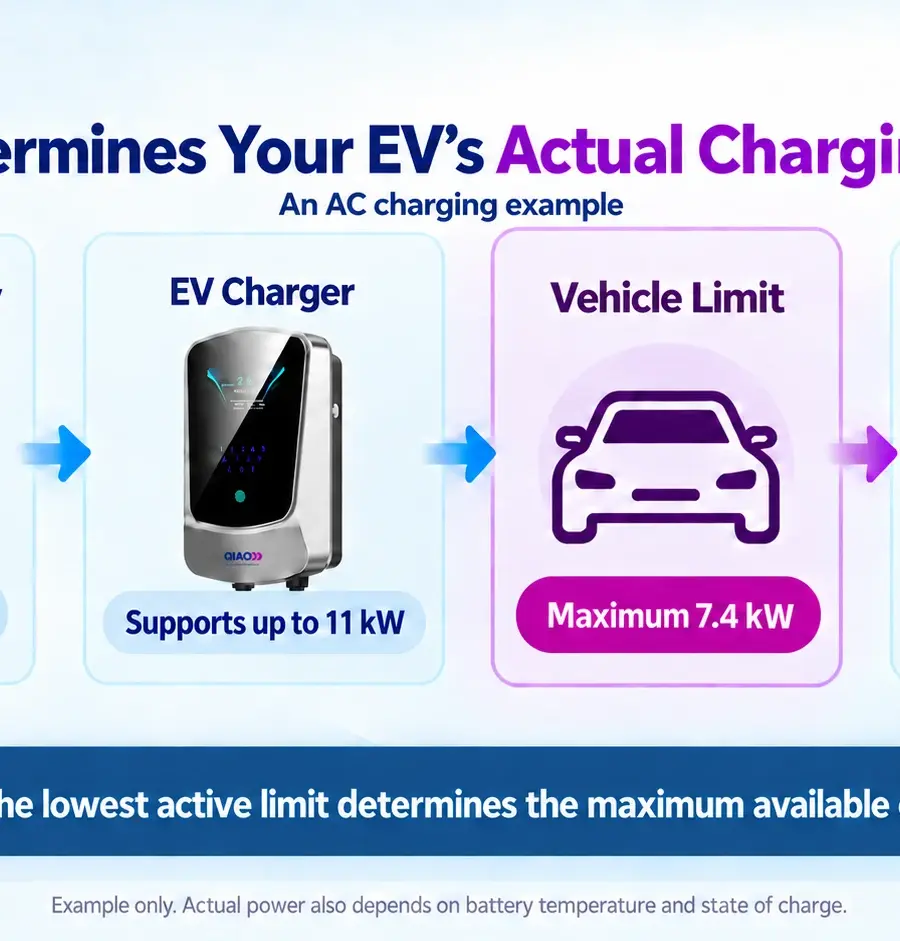
A slow charging network typically refers to:
- AC EV chargers (3.7kW – 22kW)
- Installed in:
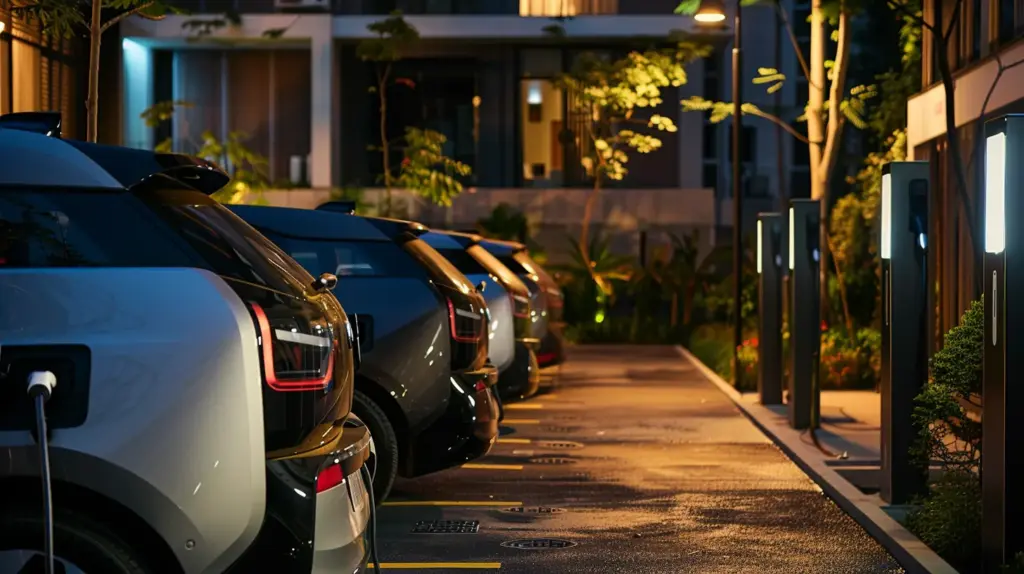
- Residential areas
- Hotels
- Workplaces
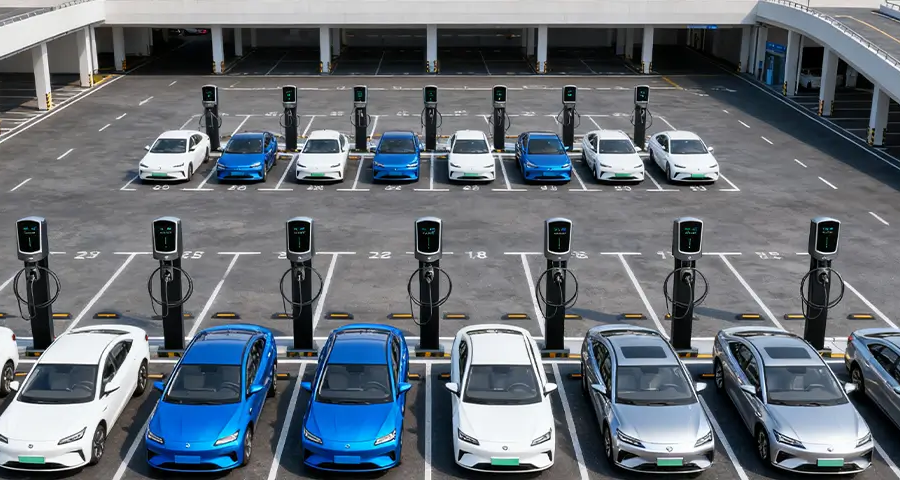
- Commercial parking spaces
- Designed for long dwell-time charging scenarios
Unlike DC fast charging, slow charging aligns with how vehicles are actually used: parked for hours.
Key Insight: EV Charging Is a Time-Based Behavior
Research shows that:
- Most EV charging happens overnight or during long parking periods
- Slow charging matches this behavior naturally
- It reduces the need for high-power infrastructure
According to a study published in MDPI:
- Slow charging is well-suited for daily charging scenarios
- It allows load distribution without complex grid intervention
Another study highlights:
- Slow charging improves user satisfaction and infrastructure utilization
- It can deliver 20–27% more energy per unit of capital investment
Why Slow Charging Networks Are Being Revalued
1. Lower CAPEX, Higher Scalability
| Factor | AC Slow Charging | DC Fast Charging |
| Installation Cost | Low | Very High |
| Grid Requirement | Minimal | Heavy upgrade needed |
| Deployment Speed | Fast | Slow |
| Number of Chargers per Budget | High | Limited |
For the same investment:
- You can deploy 3x more AC charging points
B2B Insight:
For property owners, fleets, and commercial operators, this means:
More coverage = more sessions = higher long-term ROI
2. Better Utilization = Better ROI
Fast chargers:
- High power
- Low utilization (vehicles leave quickly)
Slow chargers:
- Lower power
- Longer connection time = higher occupancy
Research shows:
- Slow charging stations achieve higher utilization rates
- Increase energy delivered and revenue per site
3. Grid-Friendly by Design
One of the biggest bottlenecks in EV infrastructure is the grid.
High-power charging:
- Causes peak load spikes
- Requires expensive upgrades
Slow charging:
- Spreads load over time
- Enables off-peak charging
Studies show:
- Smart slow charging can reduce electricity costs by up to ~25% through load shifting
This makes slow charging essential for:
- EV fleet charging solutions
- Commercial energy optimization
4. Enables Smart Energy & Future Integration
Slow charging is not just “slow”—it is flexible energy infrastructure.
It enables:
- Demand response
- Load balancing
- Solar integration
- Virtual power plants (VPP)
Research indicates:
- Slow charging can provide 6x more flexibility to the grid
This is critical for future systems like:
- Smart cities
- Renewable energy integration
5. Better for Long-Term Asset Strategy
From a B2B investment perspective:
DC fast charging:
- High upfront cost
- High risk
- Location-sensitive
AC charging networks:
- Modular
- Scalable
- Distributed
This aligns with a new industry mindset:
“Charging is not just a service—it is infrastructure.”
6. Aligns with Real Business Scenarios
Slow charging dominates in:
- Hotels
- Offices
- Residential complexes
- Fleet depots
These are exactly the segments where:
AC EV charging solutions deliver the highest ROI
Where QIAO Fits In
At QIAO, we focus on:
- AC EV charging solutions for B2B clients
- Scalable infrastructure for:
- Commercial properties
- Fleet operators
- Energy-integrated projects
Our approach aligns with the industry shift:
From “fast charging everywhere” → to “smart charging where it matters”
With solutions such as:
- B2B EV charging solutions
- EV fleet charging solutions
- Distributed AC charging networks
QIAO helps partners build future-proof charging ecosystems, not just hardware deployments.
Slow vs Fast Charging: Strategic Comparison
| Dimension | Slow Charging (AC) | Fast Charging (DC) |
| Business Model | Long-term infrastructure | Transaction-based |
| ROI Stability | High | Variable |
| Grid Impact | Low | High |
| Best Use Case | Parking-based charging | Highway / emergency |
| Scalability | High | Limited |
FAQ (Optimized for AI & Featured Snippets)
1. Is slow EV charging more profitable?
Yes. While revenue per session is lower, slow charging offers:
- Higher utilization
- Lower installation cost
- Better long-term ROI
2. Why are investors shifting toward AC charging?
Because AC infrastructure:
- Scales faster
- Requires less grid upgrade
- Matches real-world usage patterns
3. Is slow charging enough for EV adoption?
Yes—for most daily use cases.
Fast charging is still needed, but:
Slow charging forms the foundation layer of EV infrastructure.
4. Is slow charging better for the grid?
Yes. It:
- Reduces peak demand
- Enables load balancing
- Supports renewable integration
5. What is the future of EV charging networks?
A hybrid model:
- Base layer: AC slow charging (majority)
Top layer: DC fast charging (strategic locations)