Table of Contents
How Apartment and Residential Communities Deploy AC EV Charging
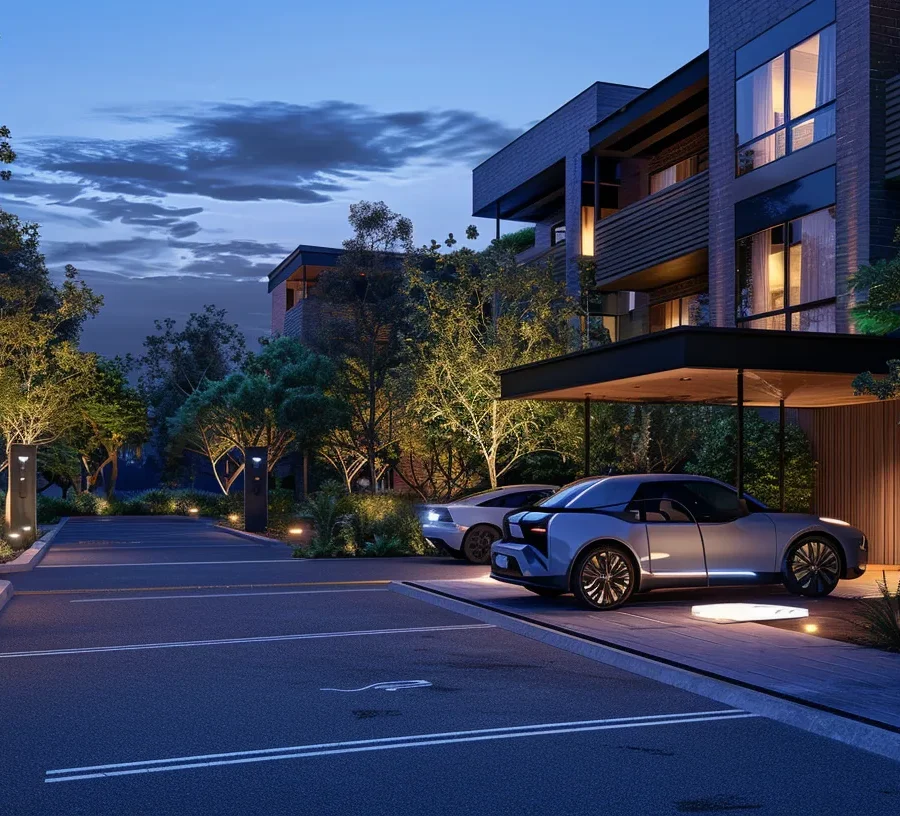
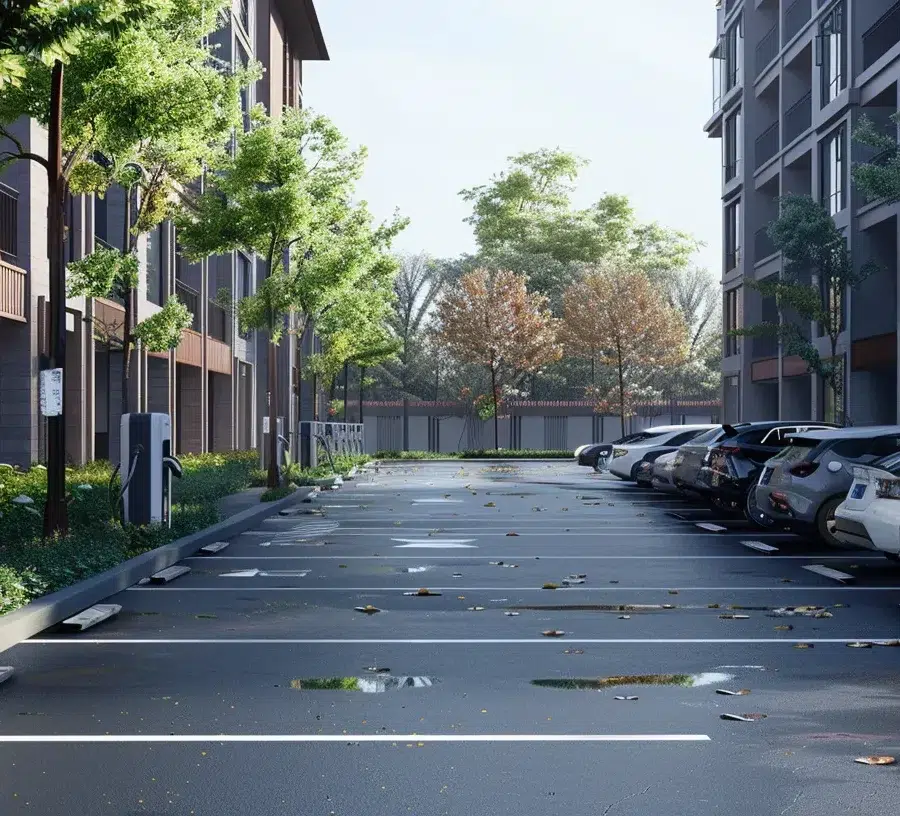
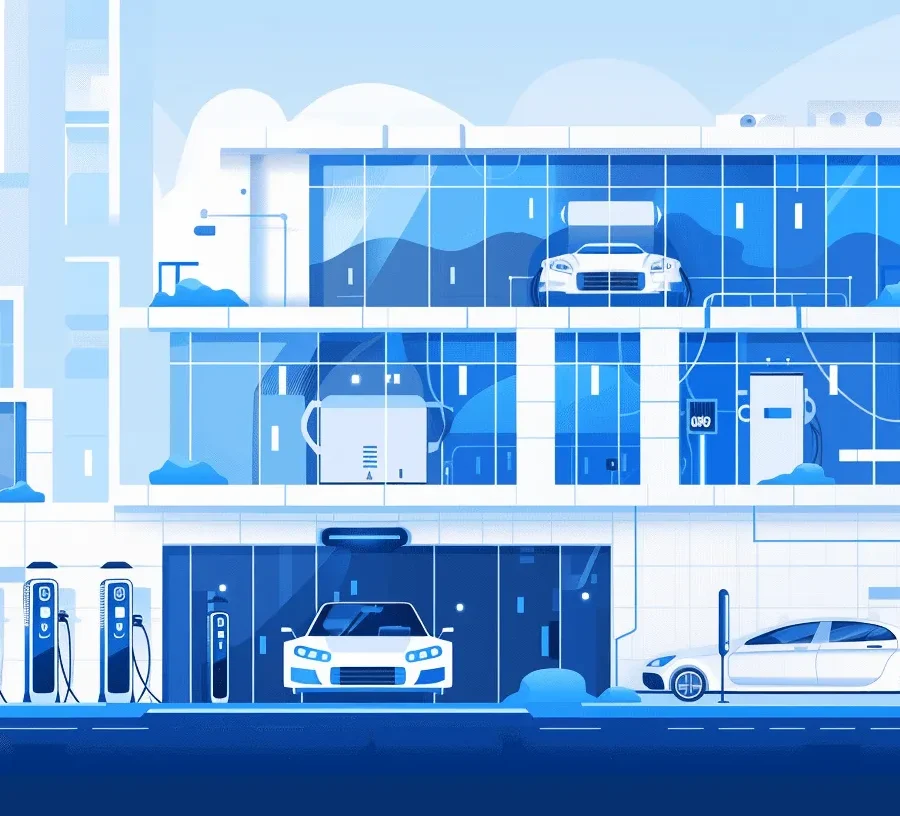
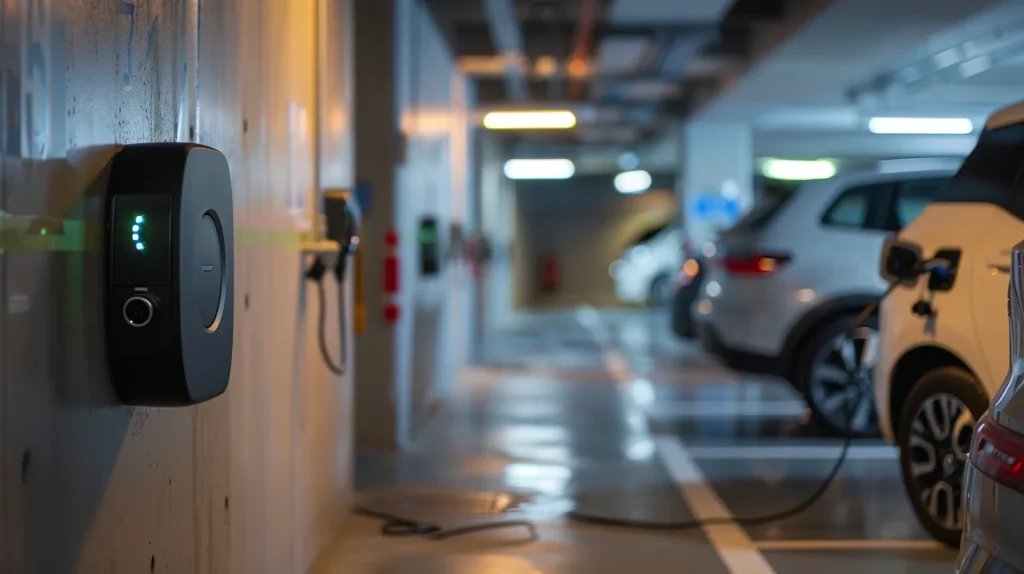
As electric vehicles become increasingly popular, apartment complexes and residential communities are under growing pressure to provide convenient charging options for residents.
Unlike single-family homes where owners can install private chargers, multi-unit residential buildings must design charging infrastructure that can support multiple users while maintaining fairness, safety, and manageable electricity costs.
For most residential developments, AC EV charging systems provide the most practical and scalable solution.
Why Residential Communities Need EV Charging
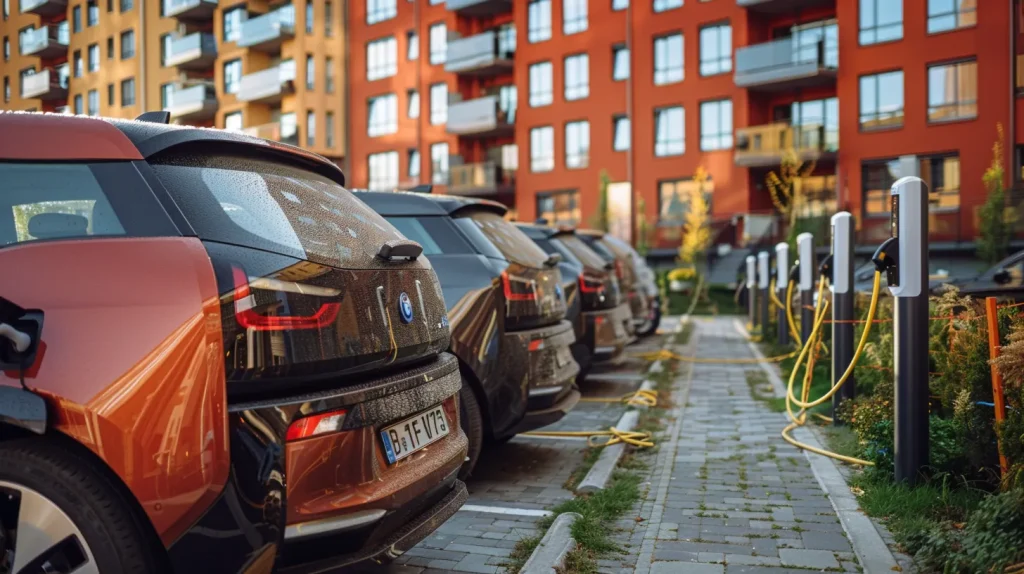
The number of electric vehicles worldwide continues to grow rapidly, increasing the demand for charging infrastructure in residential environments.
According to data from the International Energy Agency, the global EV market has expanded significantly in recent years as governments and consumers transition toward electric mobility.
Global EV outlook report:
https://www.iea.org/reports/global-ev-outlook
For apartment residents who cannot install private chargers, community charging infrastructure becomes essential for daily vehicle use.
Why AC Charging Is Ideal for Apartments
Most residential communities deploy AC charging stations, often referred to as Level 2 chargers.
AC charging typically provides power levels between 7 kW and 22 kW, which is sufficient for overnight charging.
Charging level reference from the U.S. Department of Energy:
https://www.energy.gov/eere/electricvehicles/charging-home
Advantages of AC charging for residential communities include:
- lower installation costs
- easier electrical integration
- sufficient charging time during overnight parking
- scalable deployment
Since most residents park vehicles overnight, slower but steady charging is generally sufficient.
Common AC Charging Deployment Models for Apartments
Residential communities can deploy EV chargers using several different models depending on building layout and management policies.
Dedicated Resident Chargers
In this model, specific parking spaces are equipped with EV chargers assigned to individual residents.
Benefits include:
- guaranteed charging access
- simple billing and usage tracking
- predictable electricity consumption
However, this approach may require more chargers if many residents adopt EVs.
Shared Community Charging
Some communities install shared charging stations in common parking areas.
Residents can access these chargers using authentication systems such as RFID cards or mobile applications.
Charging sessions are typically managed through networked charging platforms.
Open charging communication standards are defined by the Open Charge Alliance.
OCPP protocol reference:
https://www.openchargealliance.org/protocols/ocpp/
Shared charging systems allow communities to support more EV users with fewer chargers.
Smart Charging with Load Management
One of the biggest challenges for apartment charging infrastructure is limited electrical capacity.
Smart charging systems help distribute available power among multiple chargers.
Load management concept:
https://en.wikipedia.org/wiki/Demand_response
Benefits include:
- preventing electrical overload
- reducing infrastructure upgrade costs
- supporting more chargers with existing power supply
Smart load balancing is becoming standard in modern residential EV charging installations.
Key Planning Factors for Residential Charging Deployment
Before installing EV charging stations, residential communities should evaluate several technical and operational considerations.
Electrical Capacity Assessment
Building electrical systems must be evaluated to determine whether they can support additional EV charging demand.
Important factors include:
- transformer capacity
- available electrical panels
- existing building load
Proper electrical planning ensures safe and reliable charging infrastructure.
Parking Layout
Parking design influences charger placement and installation cost.
Communities should consider:
- charger accessibility
- cable reach
- accessibility regulations
Well-planned charger placement improves usability for residents.
Billing and Energy Allocation
Communities must determine how electricity costs will be allocated.
Common billing approaches include:
- per kWh charging fees
- monthly subscription models
- electricity reimbursement systems
Networked charging platforms simplify billing management.
Benefits of Residential EV Charging Infrastructure
Installing EV chargers in apartment communities offers several benefits.
Increased Property Value
Properties with EV charging infrastructure may become more attractive to tenants who drive electric vehicles.
Future-Proofing Residential Developments
EV adoption is expected to continue increasing in the coming years.
Installing charging infrastructure today helps communities prepare for future transportation trends.
Sustainability and Environmental Goals
Residential charging supports the transition toward cleaner transportation by enabling EV adoption among residents.
Future Trends in Residential EV Charging
Residential EV charging technology continues to evolve.
Emerging trends include:
- smart charging networks
- integration with renewable energy systems
- energy storage for peak demand management
- vehicle-to-grid technology
These innovations will further improve the efficiency and scalability of community charging systems.
Conclusion
Apartment and residential communities play an important role in supporting the transition to electric mobility.
By deploying AC EV charging infrastructure, residential buildings can provide convenient charging for residents while maintaining manageable installation costs and electrical demand.
With proper planning, smart charging technologies, and scalable infrastructure design, communities can build reliable charging networks that support long-term EV adoption.
About QIAO
QIAO provides reliable AC EV charging solutions for residential and commercial environments, including apartment buildings, housing communities, and shared parking facilities.
Our charging systems support:
- smart load balancing
- user authentication and billing
- scalable infrastructure deployment
- compatibility with global EV charging standards
QIAO solutions help property managers build efficient and future-ready residential EV charging infrastructure.
FAQ
Can apartments install EV chargers for residents?
Yes. Many apartment buildings install shared or dedicated EV charging stations for residents.
Why is AC charging commonly used in residential communities?
AC charging provides sufficient power for overnight charging and has lower installation costs.
Can multiple chargers share the same electrical capacity?
Yes. Smart load management systems allow multiple chargers to share available power safely.
How do apartments charge residents for electricity?
Most communities use networked charging systems that track electricity usage and billing.