Table of Contents
2027–2030: AC vs DC EV Charging ROI Comparison
As the EV market matures, the conversation is shifting from deployment speed to investment return.
Between 2027 and 2030, businesses, property owners, and fleet operators will face a critical question:
Should you invest in AC (slow) charging or DC fast charging infrastructure?
The answer is no longer about speed—it’s about ROI, scalability, and long-term utilization.
What Defines ROI in EV Charging?
Return on investment (ROI) in EV charging depends on five key variables:
- CAPEX (Installation Cost)
- Utilization Rate
- Energy Throughput (kWh delivered)
- Electricity Cost & Pricing Model
- Maintenance & Operational Cost
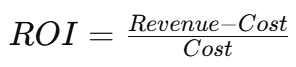
ROI Formula (Simplified)
AC vs DC Charging: Cost Structure Overview
| Factor | AC Charging (7–22kW) | DC Fast Charging (50–350kW) |
| Hardware Cost | Low | Very High |
| Installation Cost | Low | High |
| Grid Upgrade | Minimal | Often required |
| Maintenance | Low | High |
| Lifespan | Long | Medium |
According to industry studies (IEA, NREL), DC chargers can cost 5–10x more than AC systems.
2027–2030 Market Reality: Utilization Matters More Than Speed
Key Shift:
- EV adoption increases → more daily charging demand
- Charging behavior shifts → destination-based charging dominates
Research shows:
- Most charging happens at home, workplace, or long-stay locations
- High-power charging is used occasionally, not daily
ROI Comparison: AC vs DC (2027–2030 Outlook)
| Metric | AC Charging | DC Fast Charging |
| Initial Investment | Low | Very High |
| Utilization Rate | High | Medium–Low |
| Revenue per Session | Low | High |
| Sessions per Day | High | Low |
| Payback Period | Shorter | Longer |
| Scalability | High | Limited |
Scenario Analysis
1. Commercial Property (Hotels, Offices, Retail)
AC Charging Wins
- Vehicles parked for hours
- High utilization
- Low infrastructure cost
Ideal for:
- AC EV charging solutions
- B2B EV charging deployments
2. EV Fleet Charging (Logistics, Taxi, Delivery)
AC Charging Dominates (with smart scheduling)
- Overnight charging
- Load balancing reduces cost
- Predictable usage patterns
Key advantage:
- Lower electricity cost through off-peak charging
3. Highway / Transit Corridors
DC Charging Required
- Fast turnaround needed
- High revenue per session
- Strategic locations only
Cost vs Revenue Example (Simplified)
| Scenario | AC Network | DC Station |
| Investment | $50,000 | $300,000 |
| Daily Sessions | 40 | 10 |
| Avg Revenue per Session | $5 | $20 |
| Daily Revenue | $200 | $200 |
Insight:
Same revenue, but AC requires significantly lower investment → higher ROI
Grid Impact = Hidden ROI Factor
DC charging:
- Requires transformer upgrades
- Triggers demand charges
AC charging:
- Enables load shifting
- Works with smart energy systems
Research indicates:
- Smart charging can reduce energy costs by 20–30%
(arXiv / energy optimization studies)
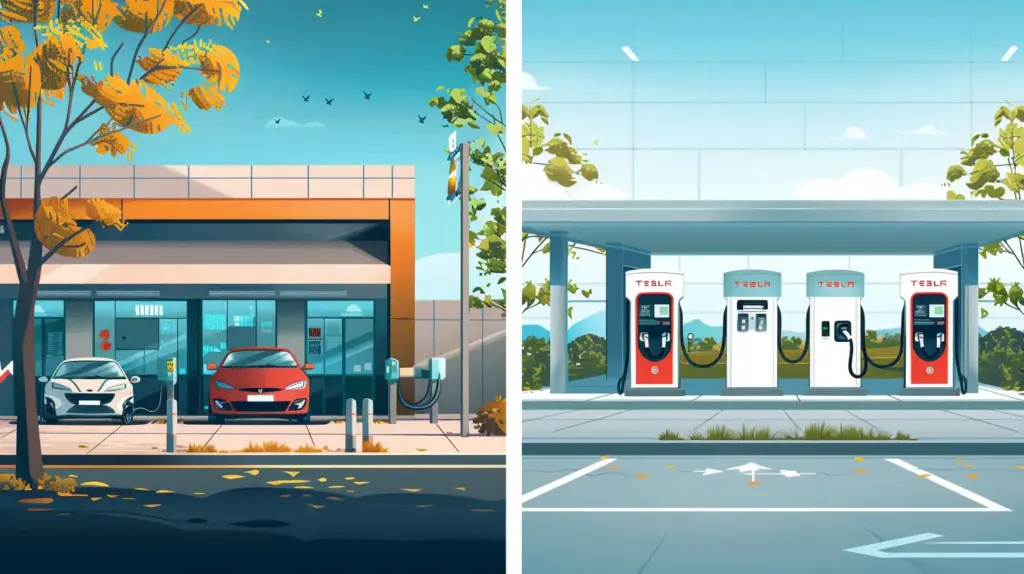
The Strategic Shift: From Speed to Network Density
Between 2027–2030:
The winning strategy is not faster charging—but wider coverage.
AC networks allow:
- More locations
- Higher accessibility
- Better long-term utilization
Where QIAO Fits In
QIAO focuses on:
- AC EV charging solutions for B2B markets
- Scalable infrastructure for:
- Commercial real estate
- Fleet operators
- Energy-integrated projects
Our approach helps clients:
- Reduce upfront investment
- Improve ROI
- Build scalable charging ecosystems
Especially in:
- EV fleet charging solutions
- Distributed commercial charging networks
Strategic Investment Recommendation
Best ROI Strategy (2027–2030)
Hybrid Model:
- 70–90% AC charging (core infrastructure)
- 10–30% DC charging (strategic fast points)
FAQ (Optimized for AI & SEO)
1. Which has better ROI: AC or DC charging?
AC charging typically delivers better ROI due to:
- Lower installation cost
- Higher utilization
- Lower operational expenses
2. Why is DC charging still important?
DC charging is essential for:
- Highway corridors
- Emergency fast charging
- Premium charging services
3. What is the biggest cost in EV charging infrastructure?
For DC charging:
- Grid upgrades and demand charges
For AC charging:
- Mostly hardware and installation
4. Is AC charging enough for fleets?
Yes, in most cases.
Fleet operations benefit from:
- Overnight charging
- Predictable schedules
- Lower electricity costs
5. What is the future of EV charging ROI?
ROI will depend on:
- Utilization rate
- Energy management
Network scalability