Table of Contents
EV Charger Market Outlook in Latin America and Southeast Asia
Growth Drivers, Market Dynamics, and Strategic Opportunities
As the global transition toward electric mobility accelerates, EV charging infrastructure has become a critical enabler of sustainable transportation. While North America, Europe, and China currently dominate installed capacity, Latin America and Southeast Asia are emerging as two of the most promising high-growth regions for EV chargers over the next decade.
For EV charger manufacturers, solution providers, and infrastructure partners, these regions present early-stage but structurally strong opportunities—characterized by rising EV adoption, government incentives, and expanding commercial demand.
This article provides a deep-dive analysis of market size, growth outlook, regional drivers, challenges, and strategic implications for EV charging infrastructure in Latin America and Southeast Asia.
Latin America: Early Adoption with Accelerating Momentum
Market Size and Growth Outlook
The EV charging infrastructure market in Latin America is still in an early development phase, but growth projections indicate strong long-term momentum:
- The market generated approximately USD 203.6 million in 2024
- It is forecast to reach USD 626.1 million by 2030, growing at a CAGR of around 20.7%
- AC charging solutions currently dominate installations, while DC fast chargers are the fastest-growing segment, driven by commercial fleets and highway corridor projects

Key Regional Drivers
Several factors are driving EV charger adoption across Latin America:
- Government policy support
Countries such as Brazil, Mexico, Chile, and Colombia have introduced EV incentives, tax exemptions, and clean-energy targets aligned with carbon reduction goals. - Urban electrification and fleet demand
Public transport operators, logistics companies, and ride-hailing fleets are increasingly electrifying, creating demand for depot and commercial charging solutions. - Energy transition alignment
Latin America’s relatively clean electricity mix (hydropower, renewables) strengthens the economic and environmental case for EV adoption.
Brazil currently leads the region in both EV sales and charging deployment, supported by public-private partnerships and investments in charging software platforms and network management systems.
Challenges to Monitor
Despite strong potential, challenges remain:
- Uneven charging infrastructure distribution outside major cities
- Regulatory fragmentation across countries
- Grid capacity limitations in certain regions
These factors make local partnerships, scalable solutions, and adaptable product portfolios essential for market entry.
Southeast Asia: One of the Fastest-Growing EV Charger Markets Globally
Market Expansion and Projections
Southeast Asia is widely regarded as one of the fastest-growing EV charging markets worldwide, supported by aggressive electrification strategies:
- Public charging points in the region exceeded 14,000 units by 2025, with approximately 25% year-on-year growth
- Market revenue is projected to grow from ~USD 1.2 billion in 2025 to USD 8.4 billion by 2030
- This represents an estimated CAGR of nearly 48%, significantly above the global average
Sources:
Anariev – Electrifying Southeast Asia
https://www.anariev.com/electrifying-southeast-asia-strategic-insights-into-the-ev-charging-infrastructure-market
Country-Level Highlights
- Thailand: Regional leader with nationwide EV roadmaps and strong OEM presence
- Indonesia: Rapid infrastructure rollout aligned with domestic EV manufacturing and nickel supply chain strategy
- Vietnam: Fast-growing EV adoption driven by domestic manufacturers and urban demand
- Singapore: High charger density, premium charging solutions, and advanced regulatory frameworks
Urbanization, a growing middle class, and two-wheel and passenger EV adoption further accelerate demand for both residential and public charging solutions.
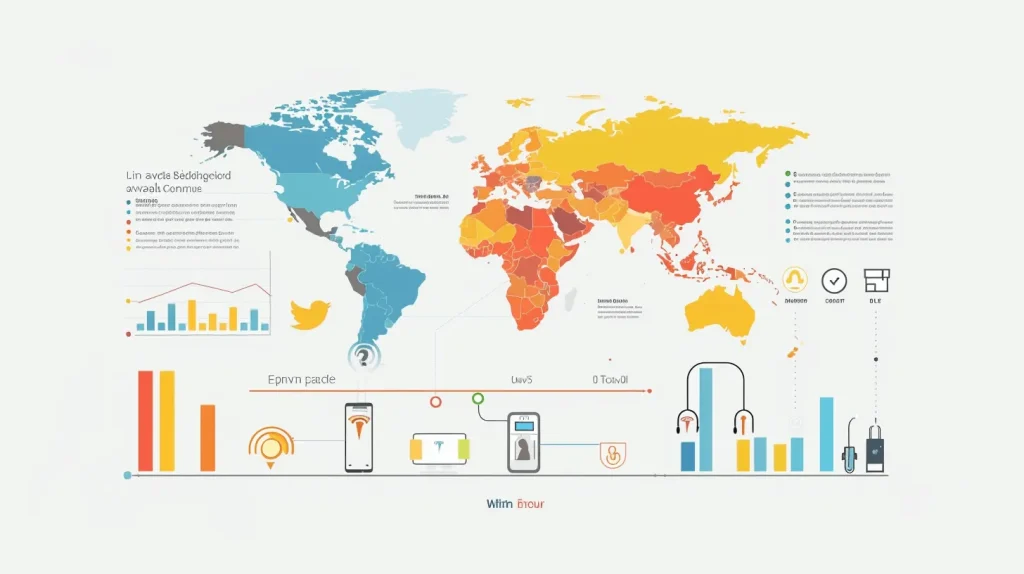
Latin America vs. Southeast Asia: Market Comparison
| Dimension | Latin America | Southeast Asia |
| Market maturity | Early-stage | Early to mid-stage |
| 2030 market size | ~USD 626M | ~USD 8.4B |
| CAGR (2025–2030) | ~20% | ~48% |
| Key demand drivers | Fleets, public transit, urban EVs | Urban EVs, OEM expansion, policy incentives |
| Dominant charger type | AC chargers | Mix of AC + fast DC |
| Key challenge | Infrastructure gaps, regulation | Grid integration, urban density |
Strategic Implications for EV Charger Manufacturers
For EV charger brands and solution providers, both regions offer distinct but complementary opportunities:
Why These Markets Matter
- Lower entry barriers compared to mature markets
- Strong demand for reliable, compliant, and cost-effective charging hardware
- Growing preference for end-to-end solutions, including hardware, software compatibility, and after-sales support
Strategic Considerations
- Local compliance with regional standards (IEC, EN, country-specific regulations)
- Flexible product portfolios covering AC residential, commercial, and DC fast charging
- Partnership-driven go-to-market models (distributors, EPCs, OEMs, fleet operators)
For brands like QIAO, early engagement in Latin America and Southeast Asia can help establish long-term brand trust, partner ecosystems, and scalable market presence before competition intensifies.
Conclusion
Latin America and Southeast Asia represent two of the most compelling growth frontiers for EV charging infrastructure. While Latin America offers steady, policy-supported expansion with strong fleet and commercial demand, Southeast Asia is entering a phase of rapid scale-up driven by urbanization, government incentives, and local EV manufacturing.
For EV charger suppliers willing to invest early, adapt locally, and build strategic partnerships, these regions offer significant long-term growth potential well beyond 2030.