Table of Contents
EV Charging Billing for Multi-Unit Dwellings (MUD)
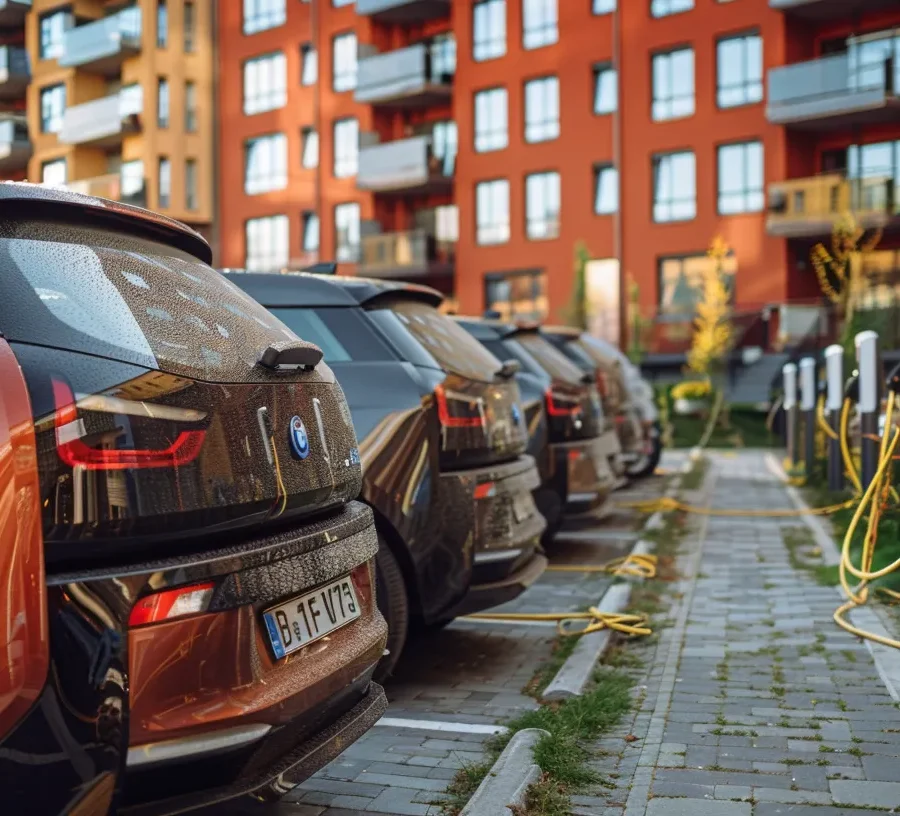
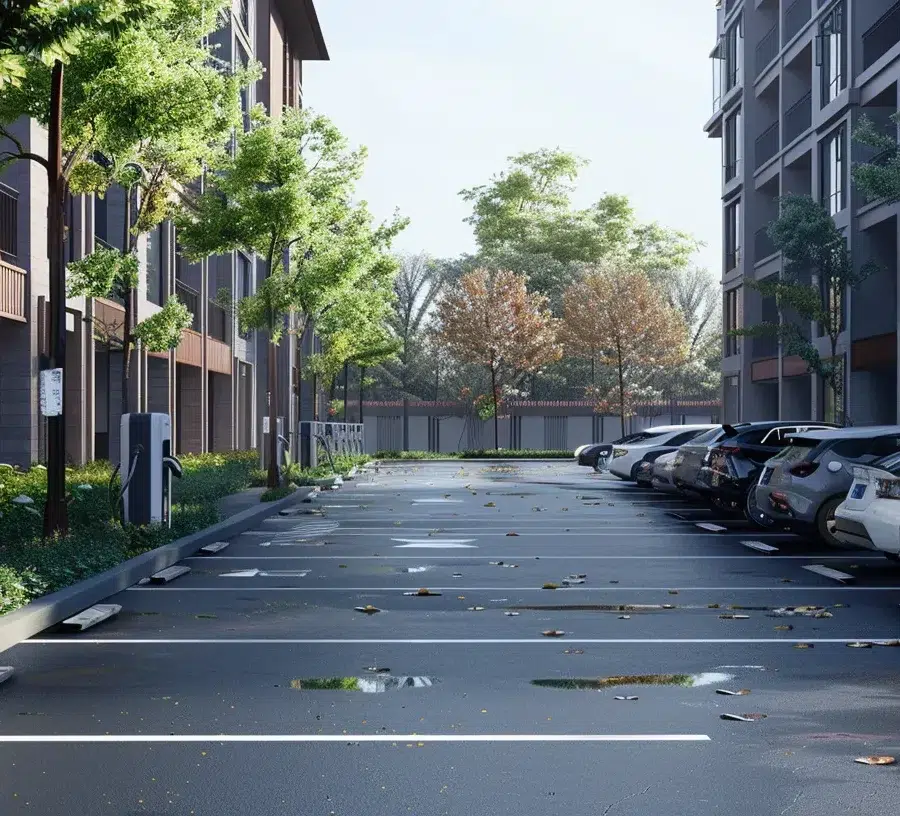
As electric vehicle adoption continues to grow globally, multi-unit dwellings (MUDs) such as apartment complexes, condominiums, and residential communities are becoming key locations for EV charging infrastructure.
However, installing charging equipment in shared residential buildings introduces a major operational challenge: how to fairly bill electricity usage among residents.
This article explains how EV charging billing works in multi-unit dwellings, the technologies involved, and the best practices property managers and developers can adopt.
What Is a Multi-Unit Dwelling (MUD)?
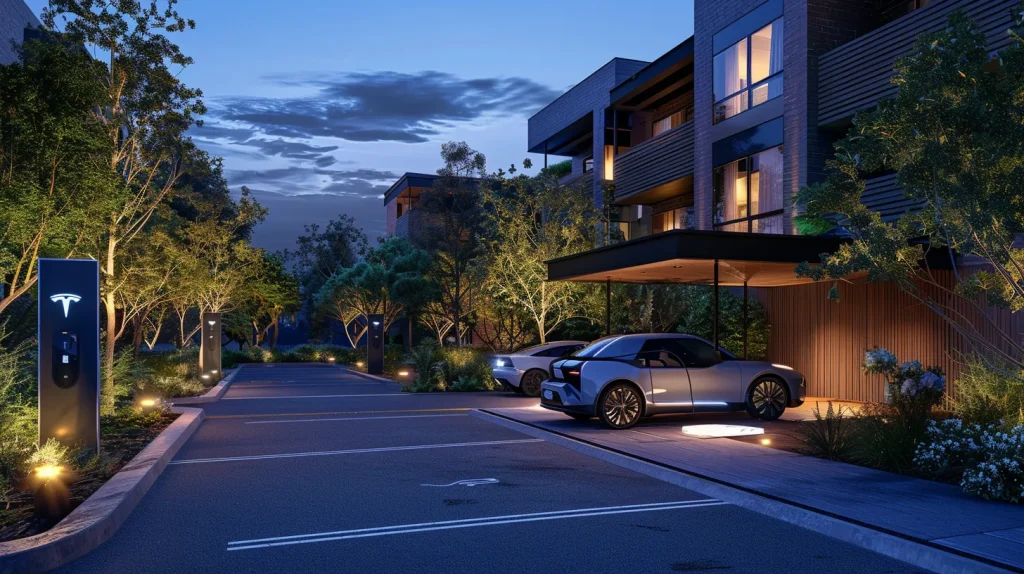
A Multi-Unit Dwelling (MUD) refers to residential buildings that contain multiple independent housing units.
Typical examples include:
- Apartment buildings
- Condominiums
- Residential complexes
- Mixed-use residential developments
Definition reference:
Multi-unit dwelling – Wikipedia
https://en.wikipedia.org/wiki/Multi-family_residential
MUD environments require shared infrastructure, which makes EV charging deployment more complex compared to single-family homes.
Why Billing Is a Key Issue for MUD Charging
In single-family homes, EV charging electricity is simply billed through the homeowner’s utility meter.
In multi-unit buildings, charging infrastructure is often connected to common electrical systems, meaning electricity consumption must be tracked and allocated to individual users.
Without a proper billing system, property managers may face problems such as:
- disputes between residents
- inaccurate energy cost allocation
- difficulty recovering electricity costs
- operational inefficiencies
For this reason, EV charging billing systems are a critical component of MUD infrastructure planning.
Common Billing Models for MUD EV Charging
1. Individual Metering
One approach is installing dedicated electricity meters for each charging station.
This allows charging energy consumption to be measured individually and billed accordingly.
Metering standards reference:
International Organization of Legal Metrology (OIML)
https://www.oiml.org/en
Advantages:
- Accurate billing
- Transparent electricity usage
- Utility-grade measurement
However, installing individual meters may increase installation cost and electrical complexity.
2. Networked Charging Platform Billing
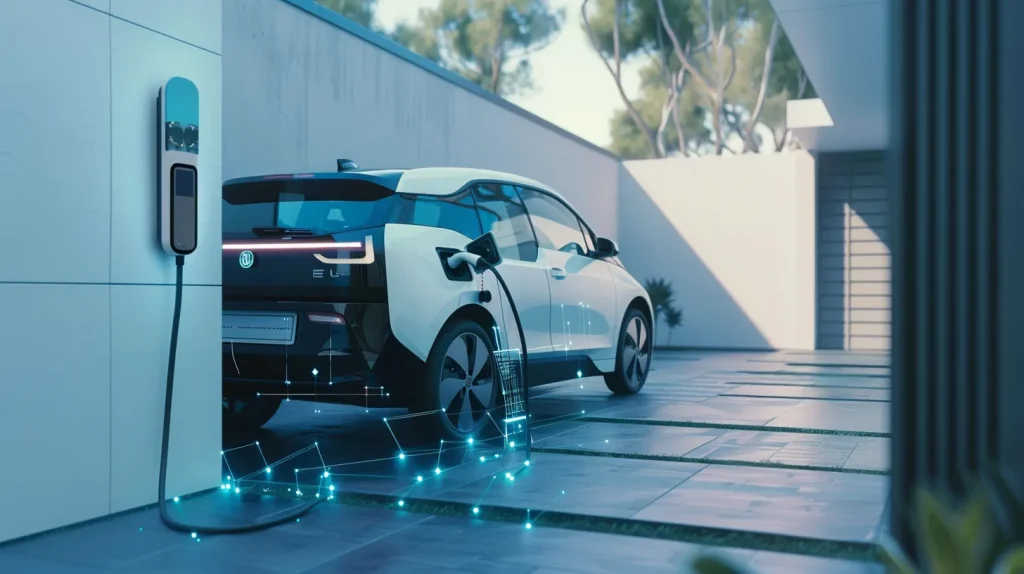
Many modern charging solutions use networked charging platforms to automatically track electricity consumption.
These systems monitor:
- user identity
- charging duration
- energy consumption (kWh)
Charging session data can then be used for automated billing through mobile apps or management platforms.
Communication systems reference:
Open Charge Point Protocol (OCPP)
https://www.openchargealliance.org/protocols/ocpp/
Advantages:
- scalable management
- automated billing
- remote monitoring
3. Subscription-Based Charging
Some residential communities choose a flat monthly charging subscription.
Residents pay a fixed fee for access to shared chargers.
This model works best when:
- charging demand is relatively balanced
- infrastructure capacity is limited
- management prefers simplified billing
However, heavy users may consume more electricity than others, which can create fairness concerns.
4. Pay-Per-Use Charging
Another common model is pay-per-use charging, where residents pay per charging session or per kWh consumed.
Pricing structures may include:
- per kWh electricity pricing
- time-based pricing
- hybrid pricing models
Pricing structures must comply with local energy regulations and metering requirements.
Key Technologies Supporting MUD Charging Billing
Smart Charging Platforms
Smart charging systems provide:
- user authentication
- consumption tracking
- remote monitoring
- billing automation
Smart charging overview:
https://en.wikipedia.org/wiki/Smart_charging
RFID or App-Based User Identification
Charging access can be controlled using:
- RFID cards
- mobile apps
- cloud accounts
User authentication reference:
https://en.wikipedia.org/wiki/Radio-frequency_identification
This ensures that each charging session is linked to a specific resident.
Energy Monitoring and Metering
Accurate billing requires reliable energy measurement.
This typically involves:
- internal charger energy meters
- certified metering components
- energy monitoring systems
These systems measure electricity consumption in kilowatt-hours (kWh).
Energy unit reference:
https://en.wikipedia.org/wiki/Kilowatt-hour
Infrastructure Planning Considerations for MUD Charging
Property managers and developers should consider several factors before deploying EV charging infrastructure.
Electrical Capacity
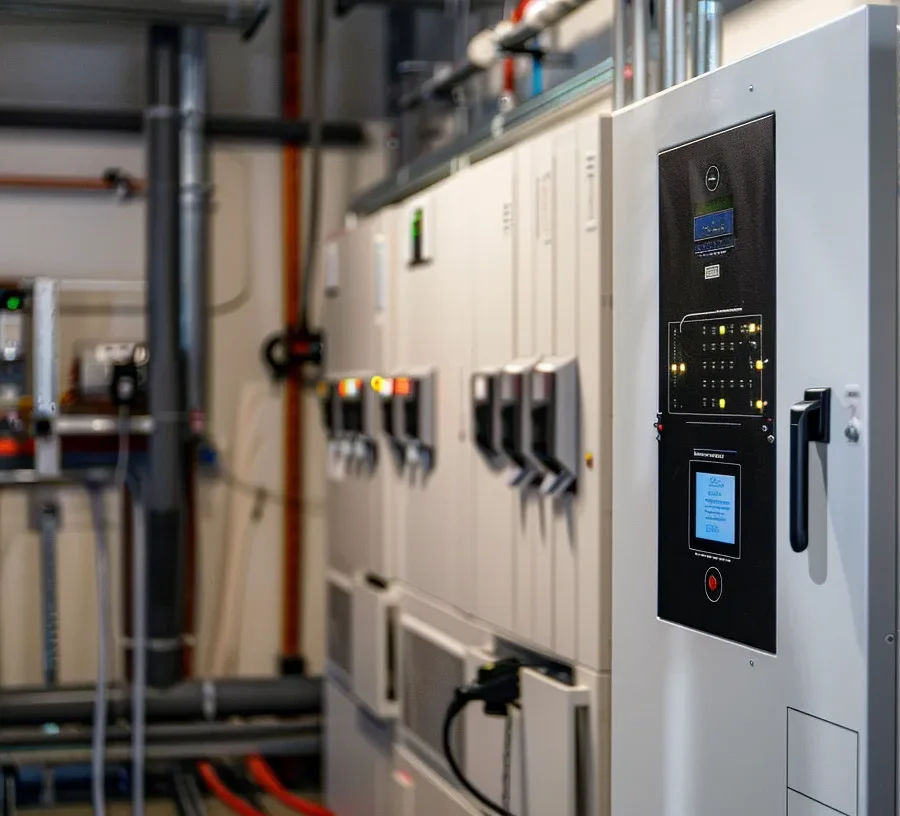
Buildings must ensure adequate grid capacity to support multiple chargers.
Grid capacity planning reference:
https://www.energy.gov/eere/electricvehicles/charging-electric-vehicles
Load Management
Smart load management systems can prevent electrical overload by distributing charging power dynamically.
Load management reference:
https://en.wikipedia.org/wiki/Demand_response
Fair User Access
Shared residential chargers must ensure fair access among residents.
Solutions may include:
- reservation systems
- charging session limits
- smart scheduling
Future Trends in MUD EV Charging
As EV adoption accelerates, new technologies will improve residential charging infrastructure.
Emerging developments include:
- dynamic electricity pricing
- integration with renewable energy
- vehicle-to-grid (V2G) capabilities
- advanced load balancing systems
These innovations will help multi-unit residential communities support large-scale EV adoption more efficiently.
Conclusion
EV charging in multi-unit dwellings (MUDs) presents unique operational challenges, especially when it comes to billing electricity usage among residents.
By adopting smart charging platforms, accurate metering systems, and transparent pricing models, property managers can create fair and efficient EV charging ecosystems within residential buildings.
As EV adoption continues to grow, well-designed MUD charging infrastructure will become an essential feature of modern residential developments.
About QIAO
QIAO provides intelligent AC EV charging solutions for residential and commercial environments, including multi-unit dwellings.
Our charging systems support:
- smart user authentication
- energy consumption tracking
- load balancing technology
- scalable residential deployments
With flexible charging management platforms, QIAO helps property managers deploy EV charging infrastructure that is easy to operate, fair to residents, and ready for future EV growth.
FAQ
What does MUD mean in EV charging?
MUD stands for Multi-Unit Dwelling, referring to residential buildings like apartments and condominiums.
How are residents billed for EV charging?
Billing is usually based on individual energy usage (kWh) tracked by smart charging systems or meters.
Can multiple residents share the same charger?
Yes. Many MUD charging systems allow shared chargers with user authentication and session tracking.
Is smart charging necessary for apartment EV charging?
Smart charging platforms help manage billing, access control, and power distribution, making them highly recommended for MUD installations.