Table of Contents
EV Charging Planning in Urban Redevelopment Projects
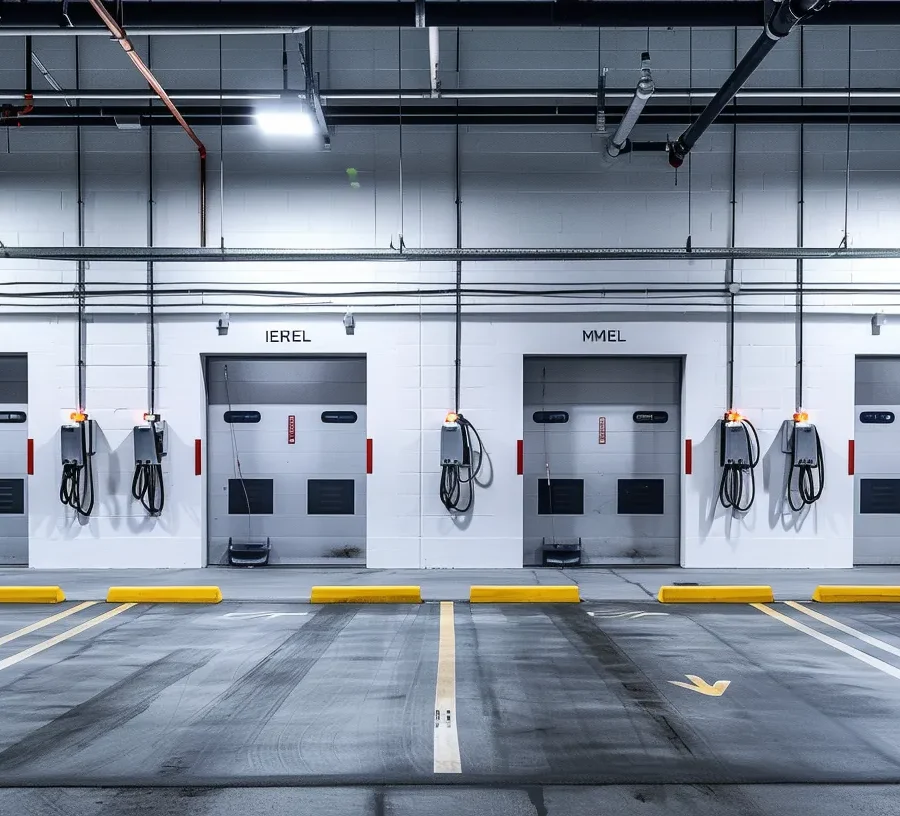
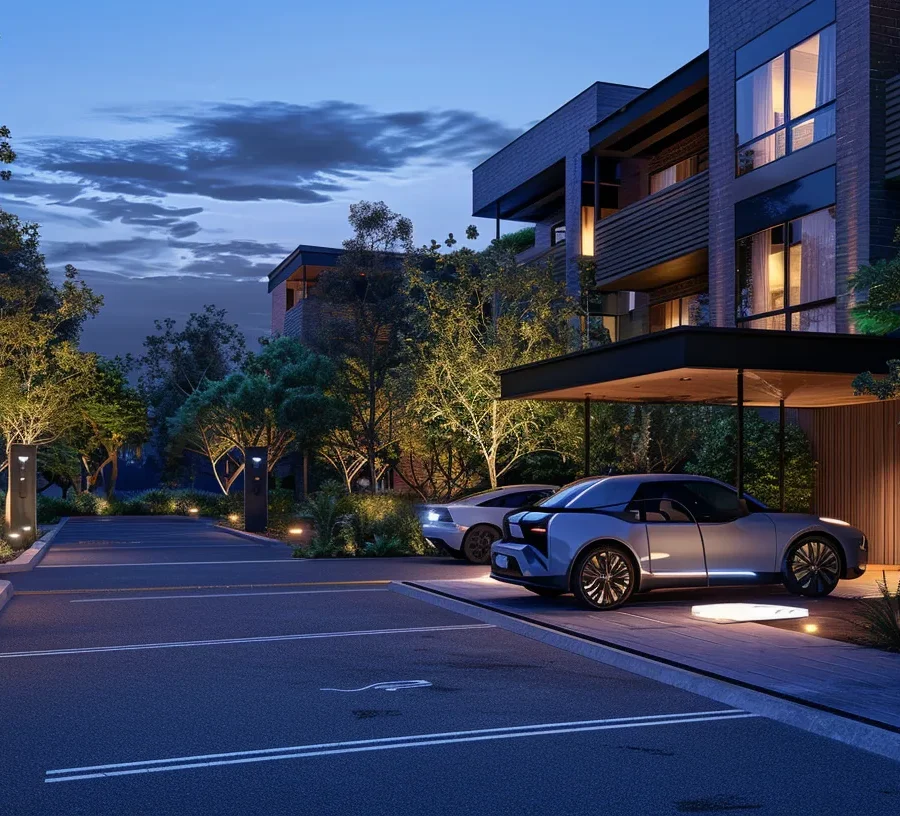
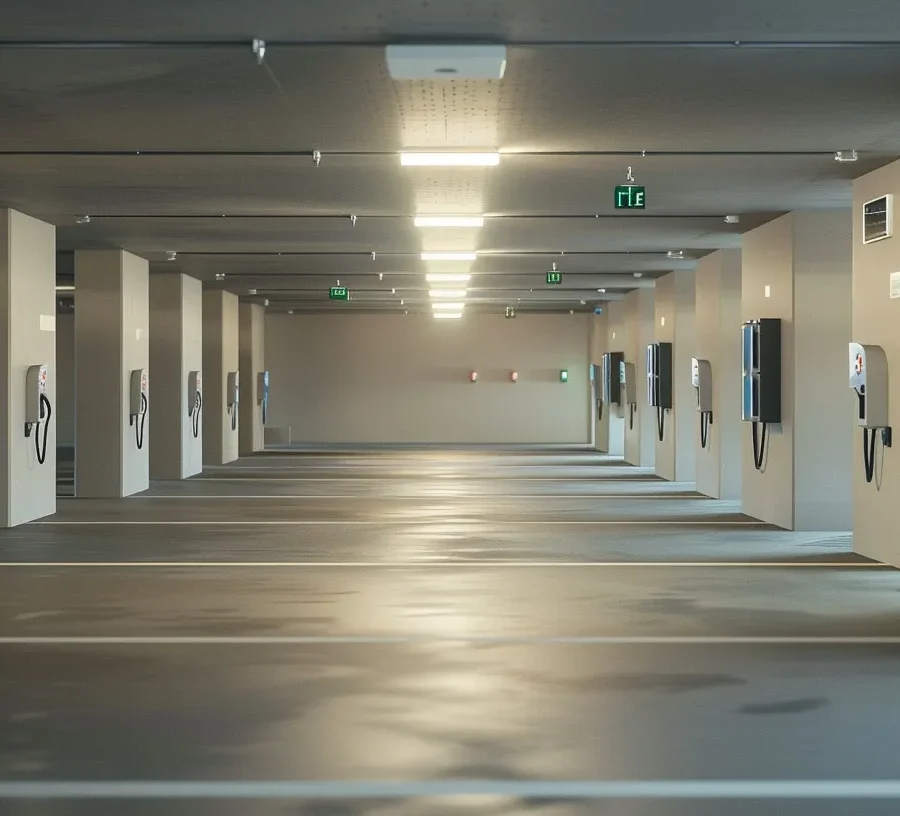
As cities modernize infrastructure and transition toward sustainability, urban redevelopment projects are becoming a critical opportunity to integrate EV charging at scale.
Unlike new developments, redevelopment projects must deal with:
- legacy electrical systems
- limited space
- complex ownership structures
This makes EV charging planning more challenging—but also more strategic
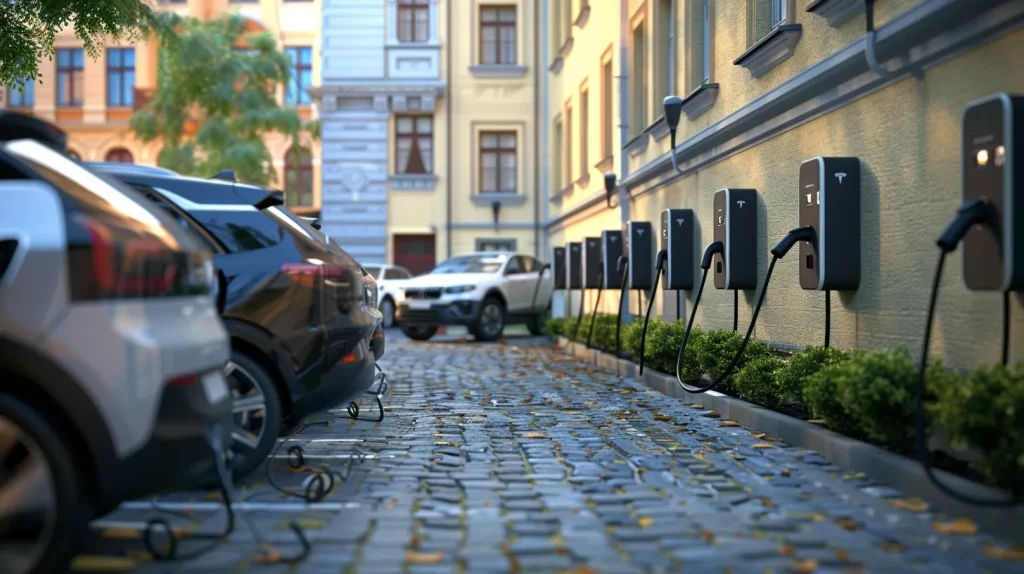
Why Urban Redevelopment Is a Key Opportunity
Urban redevelopment includes:
- old residential communities
- commercial districts
- public infrastructure upgrades
Urban planning overview:
https://en.wikipedia.org/wiki/Urban_planning
These projects offer a unique chance to:
- retrofit EV infrastructure
- improve energy efficiency
- increase property value
EV charging is becoming a core component of modern urban infrastructure
Key Challenges in Redevelopment Projects
1. Limited Electrical Capacity
Older buildings often lack sufficient power capacity.
Electric power distribution overview:
https://en.wikipedia.org/wiki/Electric_power_distribution
Upgrading the grid can be:
- expensive
- time-consuming
2. Space Constraints
Redeveloped areas often have:
- limited parking
- dense layouts
Charger placement must be carefully optimized.
3. Fragmented Ownership
Urban projects may involve:
- multiple property owners
- public-private partnerships
Coordination becomes complex.
4. Aging Infrastructure
Existing wiring, panels, and transformers may:
- not support EV loads
- require partial upgrades
Core Strategy: Retrofit + Smart Planning
Instead of full reconstruction, the best approach is:
phased retrofit with smart energy management
Step 1: Conduct Grid Capacity Assessment
Evaluate:
- transformer load
- available capacity
- peak demand
Identify how many chargers can be supported initially.
Step 2: Prioritize AC Charging Deployment
AC charging is ideal for redevelopment projects because:
| Factor | Advantage |
| Power requirement | Low |
| Installation | Flexible |
| Cost | Affordable |
| Scalability | High |
AC charging enables maximum coverage with minimal upgrades
Step 3: Use Load Management Systems
Load management overview:
https://en.wikipedia.org/wiki/Load_management
Dynamic load balancing allows:
- multiple chargers to share limited power
- avoidance of grid overload
- gradual scaling
This is critical in capacity-constrained urban environments
Step 4: Implement EV-Ready Infrastructure
EV-ready strategy includes:
- conduit installation
- reserved electrical capacity
- modular design
Install some chargers now, prepare for future expansion.
Step 5: Optimize Charger Placement
Focus on:
- high-usage zones
- long parking duration areas
- easy accessibility
Examples:
- residential parking
- public parking lots
- commercial buildings
Step 6: Integrate Smart Charging Systems
Smart charging overview:
https://en.wikipedia.org/wiki/Smart_charging
Benefits:
- energy optimization
- user management
- billing integration
- remote monitoring
Step 7: Combine With Renewable Energy (Optional)
Renewable energy overview:
https://en.wikipedia.org/wiki/Renewable_energy
Urban projects can integrate:
- solar panels
- battery storage
- microgrids
Reduces grid pressure and energy costs.
AC vs DC in Urban Redevelopment
| Factor | AC Charging | DC Charging |
| Cost | Low | High |
| Grid impact | Low | High |
| Use case | Daily charging | Fast charging |
| Suitability | High | Limited |
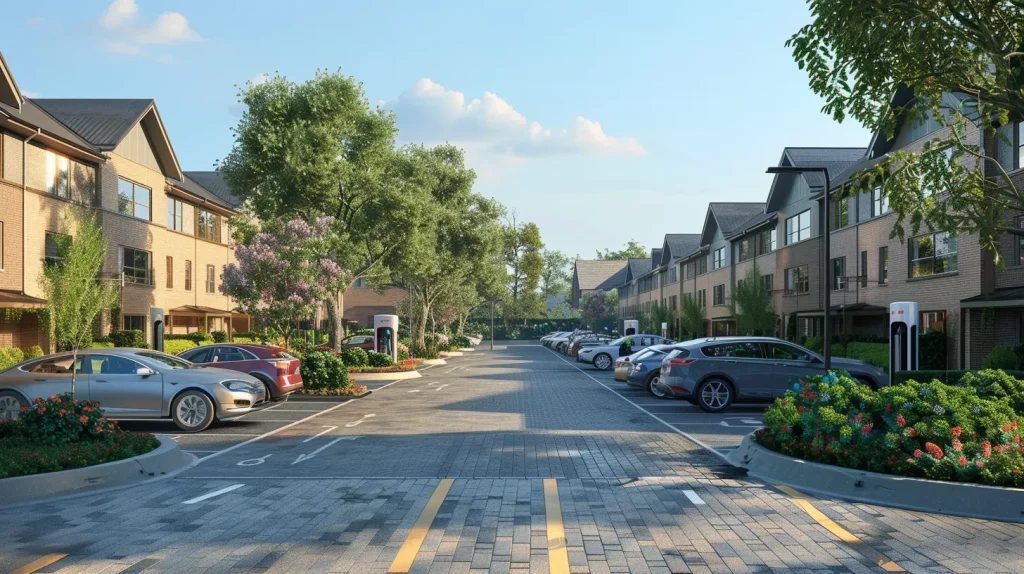
AC charging is the primary solution for redevelopment scenarios.
Deployment Model: Phased Expansion
| Phase | Strategy |
| Phase 1 | Install limited chargers |
| Phase 2 | Monitor usage |
| Phase 3 | Expand based on demand |
Avoid overinvestment while ensuring scalability.
Stakeholders in Urban EV Charging
Successful projects involve:
- city governments
- real estate developers
- utility companies
- charging operators
Coordination is essential for long-term success.
Business Value of EV Charging in Redevelopment
EV charging adds value through:
- increased property attractiveness
- higher occupancy rates
- compliance with sustainability goals
- new revenue streams
Future Outlook
As cities push toward electrification:
- EV charging will become mandatory in many projects
- smart energy integration will become standard
- AC charging networks will expand rapidly
Urban redevelopment will be a major growth driver for EV infrastructure.
About QIAO
QIAO provides flexible AC EV charging solutions tailored for complex urban redevelopment projects.
Our solutions support:
- retrofit-friendly deployment
- dynamic load management
- OCPP-based smart systems
- scalable infrastructure expansion
QIAO helps cities and developers build future-ready EV charging networks in challenging environments.
FAQ
Why is AC charging preferred in redevelopment projects?
Because it requires less power and is easier to install.
Do old buildings need full electrical upgrades?
Not always. Load management can reduce upgrade needs.
What is EV-ready infrastructure?
Preparing wiring and capacity for future charger installation.
Can EV charging increase property value?
Yes, it improves attractiveness and future readiness.