Table of Contents
High-Traffic and Public Area EV Charging
Designing Reliable AC Charging Solutions for Public Spaces
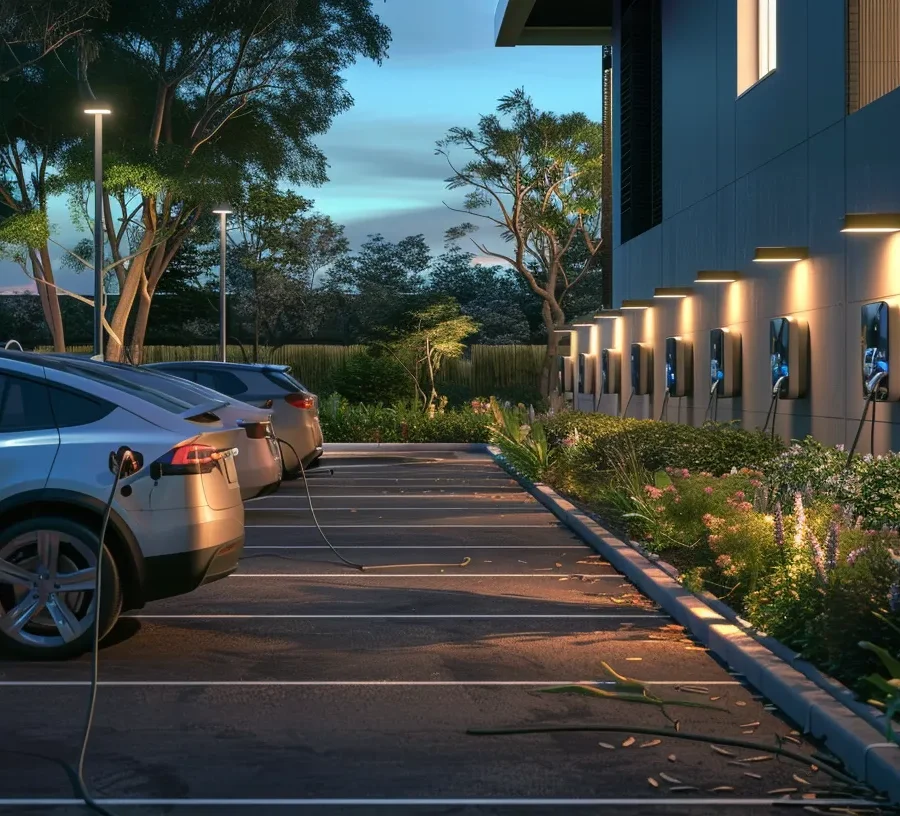
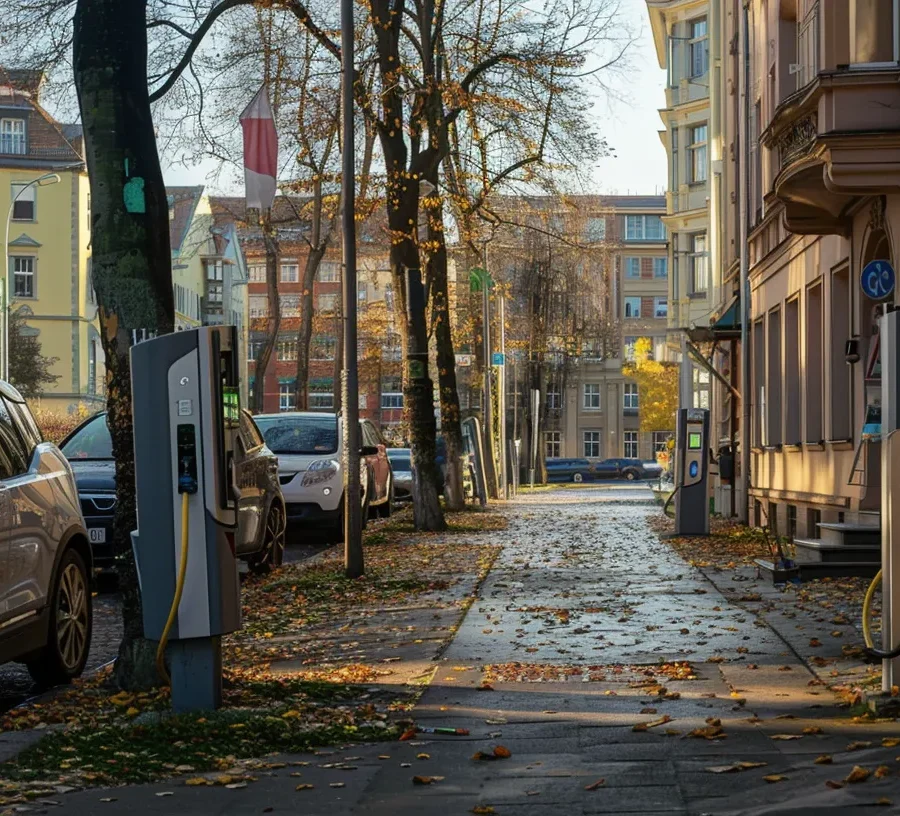
As electric vehicle adoption accelerates worldwide, charging demand is rapidly shifting beyond private home garages into high-traffic and public areas. Locations such as shopping malls, office buildings, mixed-use developments, public parking facilities, and transportation hubs are becoming critical nodes in the EV charging ecosystem.
In these environments, EV charging infrastructure is no longer just a supporting amenity—it is increasingly a traffic driver, operational asset, and part of long-term property value management.
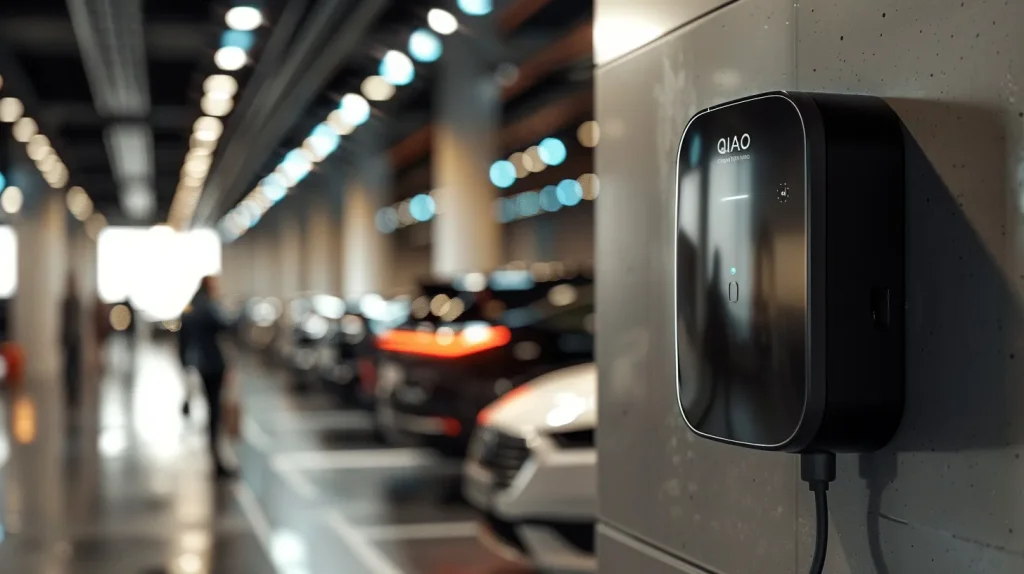
What Defines High-Traffic and Public Charging Scenarios?
High-traffic public charging locations typically share several characteristics:
- High vehicle turnover and unpredictable charging behavior
- Multiple users accessing chargers throughout the day
- Strict safety, compliance, and operational requirements
- Chargers managed by property owners or operators rather than individual users
Common examples include:
- Shopping malls and retail centers
- Office buildings and business parks
- Residential community public parking areas
- Hospitals, schools, and municipal facilities
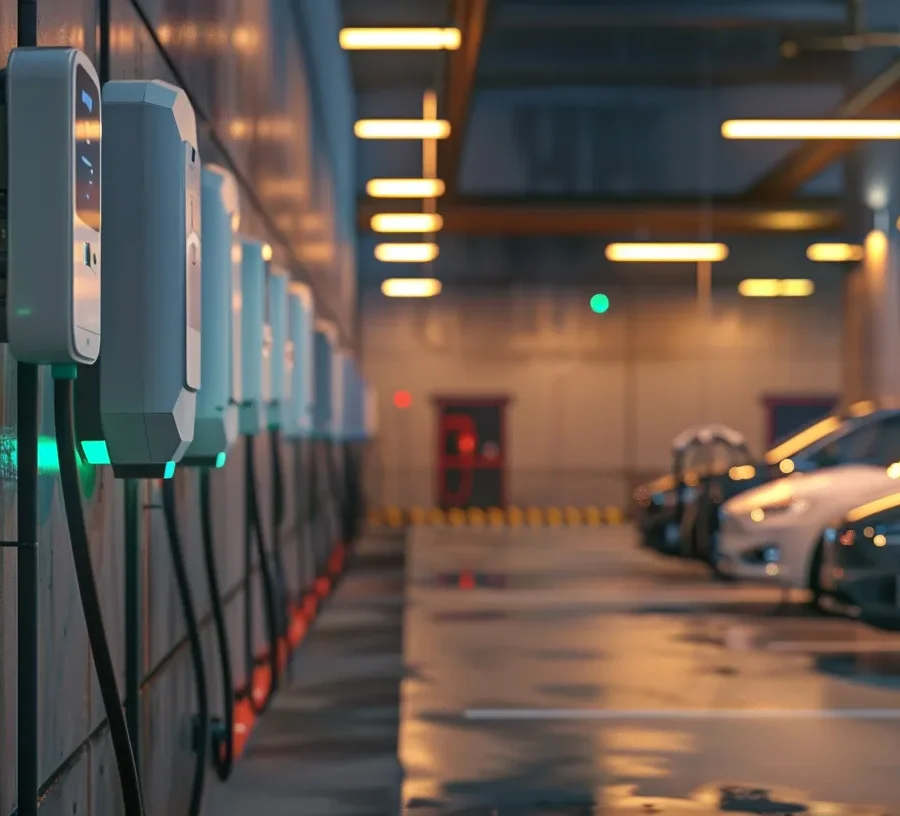
- Transportation hubs and public garages
Key Requirements for EV Charging in Public Areas
Compared with private or residential charging, public environments place higher demands on both hardware reliability and system design.
Reliability Over Peak Power
In public spaces, continuous and stable operation is more important than maximum charging speed. Deploying multiple AC chargers with controlled power distribution is often more effective than relying on a few high-power units.
Safety and Compliance as a Baseline
Public access requires strict protection measures, including:
- Overcurrent and overvoltage protection
- Over-temperature and leakage protection
- Clear status indicators and fault alerts
Compliance with international safety standards is essential to reduce operational risk.
Ease of Maintenance and Low Operating Costs
Public chargers often have limited maintenance windows. Durable design, remote monitoring, and simplified servicing directly impact long-term operating efficiency.
Why AC Charging Fits High-Traffic Public Areas
In most public locations, AC EV charging offers distinct advantages:
- Typical parking duration ranges from 1 to 4 hours
- Flexible power levels enable better load control
- Lower installation and infrastructure costs
- Easier integration with existing electrical systems
For commercial and property-managed environments, AC charging also integrates naturally with load balancing, energy management, and billing systems.
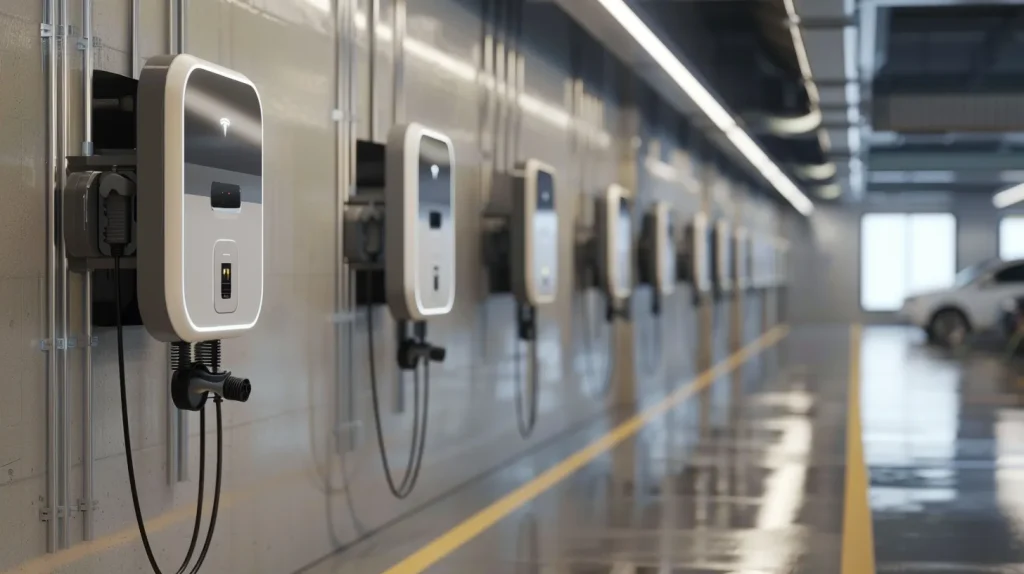
Business and Revenue Models for Public Charging
In high-traffic areas, EV charging infrastructure supports multiple business objectives:
- Pay-per-kWh or time-based charging
- Bundled parking and charging services
- Increased customer dwell time and foot traffic
- Enhanced property attractiveness and tenant satisfaction
For property owners and operators, charging stations become part of a broader service and revenue ecosystem, rather than a standalone cost.
The Role of Load Balancing in Public Charging Deployment
When multiple chargers operate simultaneously, unmanaged charging can lead to:
- Electrical overload
- Circuit breaker trips
- Increased peak demand charges
Load balancing and dynamic load management (DLM) address these challenges by:
- Distributing available power across multiple chargers
- Adjusting charging output based on real-time site demand
- Enabling more charging points without grid upgrades
These capabilities are essential for scalable public charging installations.
From Charging Equipment to Integrated Infrastructure
In high-traffic public environments, EV charging is evolving from isolated hardware into integrated infrastructure:
EV chargers are becoming operational tools that connect mobility, energy, and property management.
Well-designed AC charging solutions support long-term scalability, operational efficiency, and future energy integration.
Conclusion
High-traffic and public area EV charging requires more than simply installing additional chargers. It demands a holistic approach that balances safety, reliability, power management, and operational efficiency.
Brands such as QIAO, focusing on B2B AC EV charging solutions, provide wall-mounted and portable chargers designed specifically for public and commercial environments—supporting large-scale deployment, stable operation, and long-term property value enhancement.