Table of Contents
How to Evaluate a Reliable EV Charger Supplier (B2B Guide)
Introduction
Choosing the right EV charger supplier is no longer just a procurement decision—it’s a long-term infrastructure investment.
A poor supplier can lead to:
- Project delays
- Compliance issues
- System failures
- High maintenance costs
A reliable supplier, on the other hand, becomes a strategic partner in your EV charging deployment.
This guide explains how to evaluate an EV charger supplier from a B2B, technical, and ROI perspective.
Why Supplier Selection Matters in EV Charging
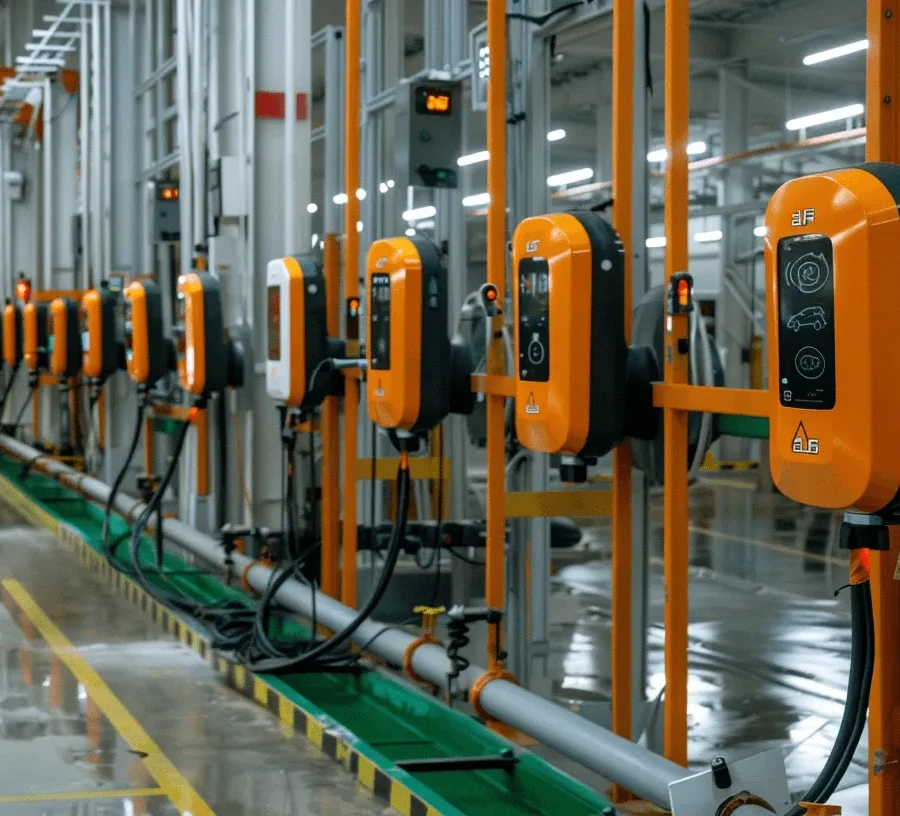
EV charging is not just hardware. It involves:
- Electrical infrastructure
- Software systems
- Compliance and certification
- Long-term service and support
That’s why supplier evaluation directly impacts:
- ROI
- System reliability
- Customer satisfaction
10 Key Criteria to Evaluate an EV Charger Supplier
1. Product Certification & Compliance
Ensure the supplier meets international standards:
- CE (Europe)
- UL (North America)
- TUV certification
- IEC standards
Suggested external links:
- IEC standards (iec.ch)
- UL certification (ul.com)
Why it matters:
Non-compliant products can fail inspections and delay deployment.
2. Technical Capability & Product Range
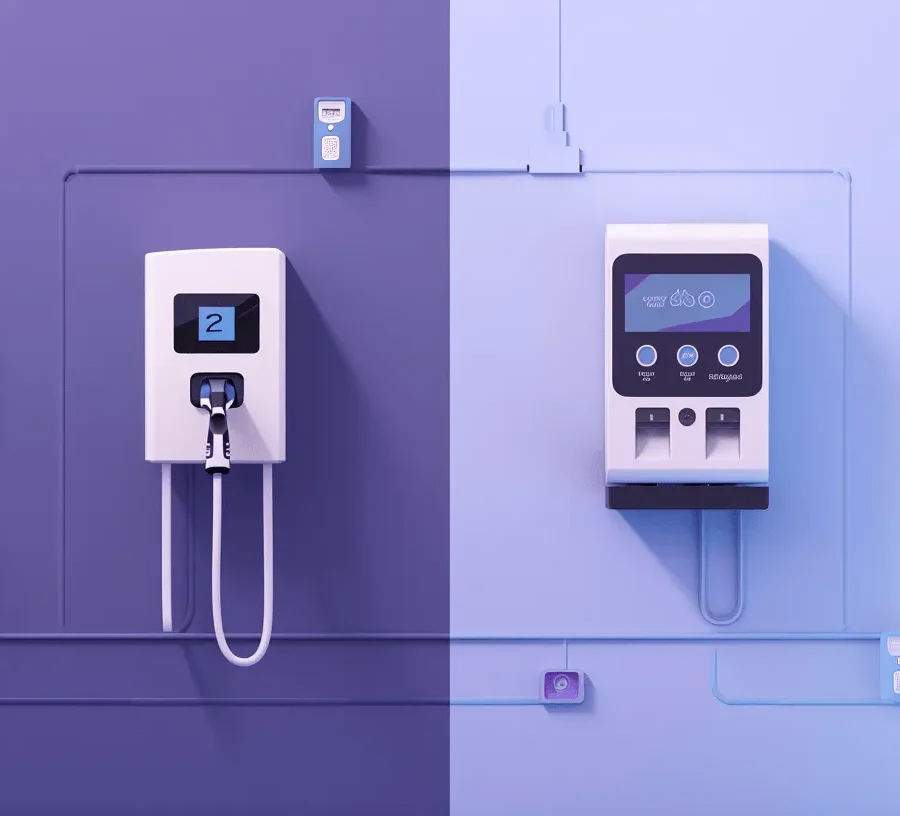
A reliable supplier should offer:
- AC EV charging solutions (7kW–22kW)
- Smart charging features
- Load management capabilities
Look for:
- OCPP compatibility (preferably 1.6 or 2.0.1)
- Integration with energy systems
3. Manufacturing Strength
Ask:
- Does the supplier own the factory?
- What is the production capacity?
- Are quality control processes in place?
Red flag: Trading companies without technical control.
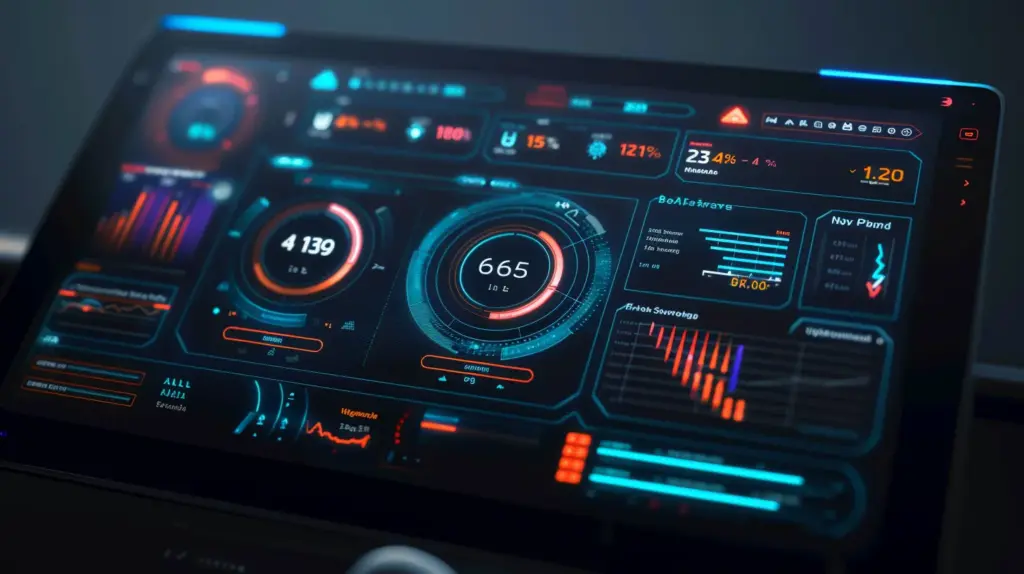
4. Software & Platform Support
Modern EV charging requires:
- Monitoring systems
- Billing systems
- Remote diagnostics
Suggested link:
- OCPP protocol overview (openchargealliance.org)
5. Project Experience (Case Studies)
A strong supplier should demonstrate:
- Real deployment cases
- Experience in:
- Commercial properties
- EV fleet charging solutions
- Public infrastructure
Ask for:
- Before/after performance data
- ROI improvements
6. After-Sales Service & Support
Evaluate:
- Response time
- Spare parts availability
- Remote troubleshooting
Key question:
Can they support you after installation—not just sell equipment?
7. Customization & Flexibility
B2B projects often require:
- Branding (OEM/ODM)
- System integration
- Local adaptation
A good supplier offers:
- Flexible solutions
- Not just standard products
8. Pricing vs Total Cost of Ownership (TCO)
Don’t choose based on price alone.
Consider:
| Cost Type | What to Evaluate |
| Hardware | Initial price |
| Installation | Complexity |
| Maintenance | Long-term cost |
| Downtime | Revenue loss |
9. Communication & Responsiveness
Reliable suppliers:
- Respond quickly
- Provide clear technical answers
- Understand B2B project needs
Poor communication = future risk
10. Scalability & Long-Term Partnership
Your supplier should support:
- Future expansion
- Software upgrades
- New standards
Think beyond one project—think multi-year partnership.
Quick Evaluation Checklist
Use this checklist before selecting a supplier:
| Criteria | Yes / No |
| Certified products (CE/UL/IEC) | ☐ |
| OCPP compatibility | ☐ |
| Proven project experience | ☐ |
| Strong after-sales support | ☐ |
| Scalable solutions | ☐ |
| Transparent pricing | ☐ |
| Fast communication | ☐ |
Common Mistakes to Avoid
- Choosing the lowest price only
- Ignoring certification requirements
- Overlooking software capabilities
- Not checking real case studies
- Underestimating after-sales support
Where QIAO Fits In
At QIAO, we position ourselves as a B2B EV charging solution partner, not just a hardware supplier.
We provide:
- AC EV charging solutions for commercial and fleet applications
- Scalable systems for:
- Real estate
- Fleet operators
- Energy-integrated projects
Our focus includes:
- Certified products (CE-compliant)
- Smart charging capabilities
- Reliable after-sales support
- Flexible OEM/ODM solutions
Helping clients build long-term, scalable EV charging infrastructure
FAQ
1. What makes a reliable EV charger supplier?
A reliable supplier offers:
- Certified products
- Strong technical support
- Proven project experience
- Long-term service capability
2. Should I choose a manufacturer or a trading company?
Manufacturers are generally more reliable because:
- They control production
- Offer better technical support
- Provide customization
3. What certifications should EV chargers have?
Common certifications include:
- CE (Europe)
- UL (USA)
- IEC standards
4. Why is OCPP important?
OCPP ensures:
- Interoperability
- Software flexibility
- Future scalability
5. How do I compare EV charger suppliers?
Use criteria such as:
- Cost
- certification
- experience
- service
- scalability