Table of Contents
How to Prevent EV Charger Misuse: Anti-Misuse Technologies Explained
As EV charging infrastructure expands, a growing operational issue is emerging:
charger misuse
Common scenarios include:
- vehicles occupying charging spots without charging
- fully charged vehicles not moving
- unauthorized users accessing chargers
These behaviors reduce:
- charger availability
- revenue efficiency
- user satisfaction
For operators, solving misuse is critical to maximizing ROI and uptime
What Is EV Charger Misuse?
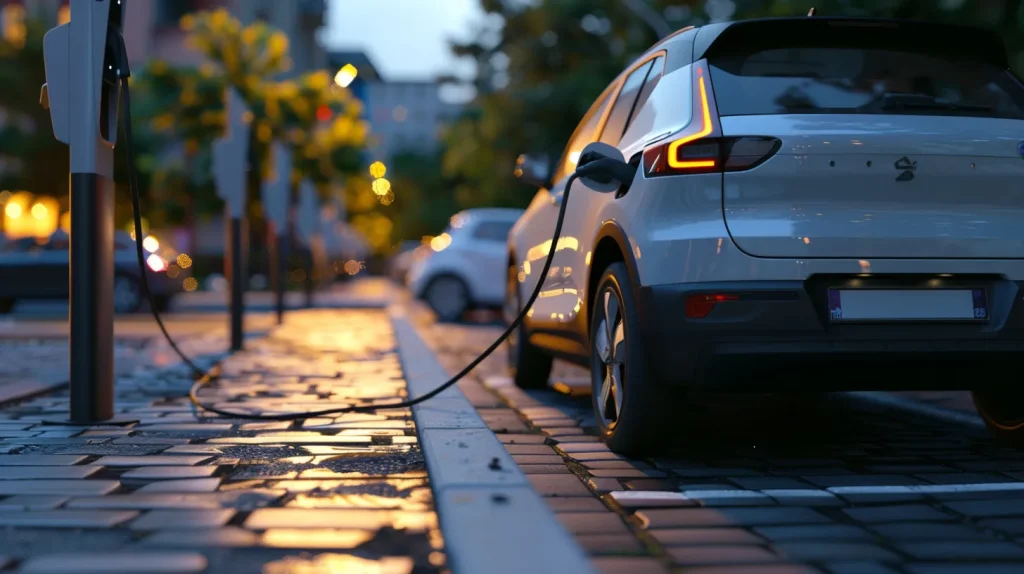
EV charger misuse refers to:
- ICE-ing (non-EV vehicles blocking charging spots)
- overstaying after charging
- unauthorized usage
ICE-ing definition:
https://en.wikipedia.org/wiki/ICEing
Why Misuse Is a Serious Problem
| Problem | Impact |
| Blocked chargers | Reduced utilization |
| User frustration | Negative experience |
| Lost revenue | Lower ROI |
| Operational inefficiency | Increased management cost |
In high-demand locations, misuse can reduce effective capacity by 20–40%
Core Anti-Misuse Strategies
Effective solutions combine:
- hardware control
- software systems
- pricing mechanisms
- user behavior management
1. User Authentication Systems
Require users to authenticate before charging:
- RFID cards
- mobile apps
- QR code access
Prevents unauthorized usage
2. Idle Fee (Overstay Charging Fees)
Charging systems can apply idle fees after charging completes.
Example:
| Condition | Fee |
| Charging active | $0.30/kWh |
| Charging complete | $0.50/min |
Encourages users to move vehicles promptly
3. Real-Time Monitoring and Alerts
Operators can monitor charger status in real time:
- charging
- idle
- occupied
Smart charging overview:
https://en.wikipedia.org/wiki/Smart_charging
Send notifications when:
- charging is complete
- vehicle overstays
4. Reservation Systems
Allow users to reserve charging slots via apps.
Benefits:
- reduces uncertainty
- improves planning
- prevents conflicts
5. Time-Based Access Control
Restrict charger usage to:
- specific hours
- specific user groups
Example:
- employees only (9 AM – 6 PM)
- public access after hours
6. Load Management + Session Control
Load management overview:
https://en.wikipedia.org/wiki/Load_management
Advanced systems can:
- limit session duration
- redistribute power
- prioritize active users
Improves overall utilization
7. Physical Deterrents
In some locations, physical measures are necessary:
- signage
- painted parking markings
- barriers or locks
Reduces ICE-ing behavior
8. Integration With Parking Management Systems
Combining EV charging with parking systems enables:
- automatic billing
- occupancy tracking
- enforcement mechanisms
Creates a unified control system
9. AI-Based Behavior Detection
Advanced platforms can analyze:
- user patterns
- occupancy trends
- abnormal behavior
Artificial intelligence overview:
https://en.wikipedia.org/wiki/Artificial_intelligence
Enables:
- predictive enforcement
- dynamic pricing
10. Dynamic Pricing Strategies
Adjust pricing based on:
- demand
- time of day
- occupancy
Example:
| Time | Pricing |
| Peak hours | Higher |
| Off-peak | Lower |
Encourages efficient charger usage
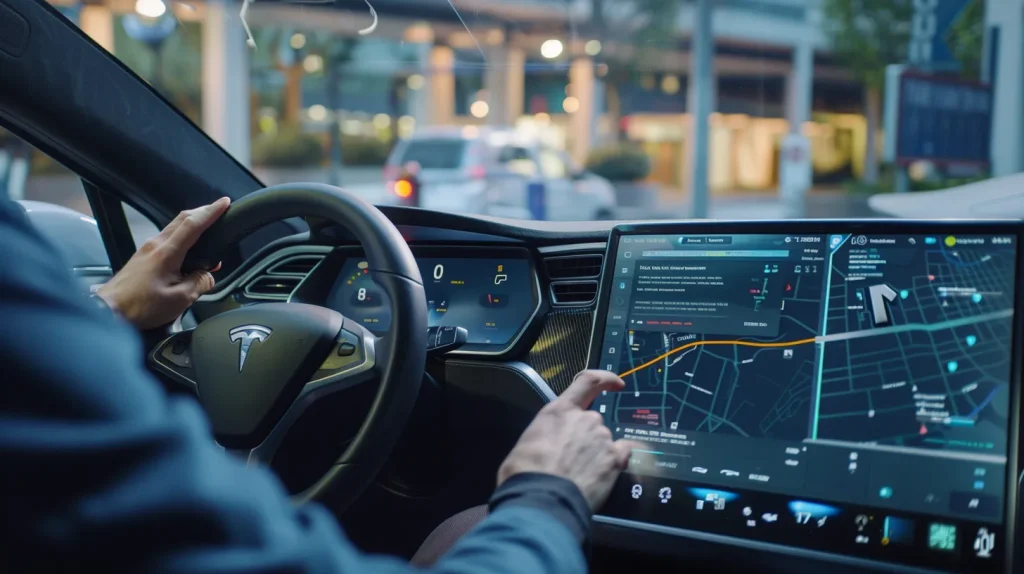
Anti-Misuse Technology Comparison
| Method | Cost | Effectiveness | Scalability |
| RFID/App authentication | Low | High | High |
| Idle fees | Low | High | High |
| Physical barriers | Medium | Medium | Low |
| AI monitoring | High | Very high | High |
Best Practice: Combine Multiple Strategies
No single solution is sufficient.
The most effective approach is:
- authentication + pricing + monitoring + smart control
Use Cases
Public Charging Stations
- high misuse risk
- requires full system control
Workplace Charging
- access control + scheduling
Residential Shared Charging
- billing + session management
Business Impact
Anti-misuse strategies improve:
- charger utilization
- revenue per charger
- user satisfaction
- operational efficiency
Directly increases ROI for charging operators
About QIAO
QIAO provides smart AC EV charging solutions with built-in anti-misuse capabilities.
Our systems support:
- user authentication (RFID / app)
- idle fee configuration
- real-time monitoring
- AI-based usage optimization
QIAO helps operators maximize charger utilization and revenue efficiency.
FAQ
What is the most common misuse issue?
Overstaying after charging is complete.
Do idle fees really work?
Yes, they are one of the most effective deterrents.
Can misuse be prevented completely?
Not entirely, but it can be significantly reduced.
Is AI necessary for anti-misuse?
Not required, but highly effective at scale.