Table of Contents
V2G and V2L Basics: What Businesses Need to Know
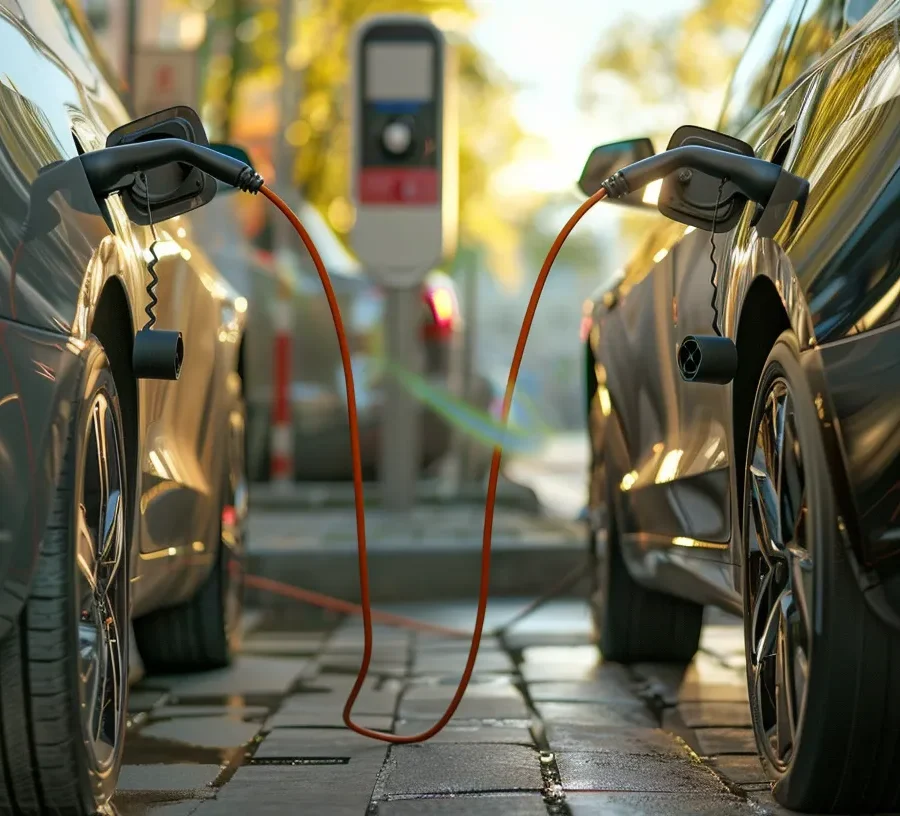
As electric vehicles become an integral part of energy systems, charging is evolving from one-way power delivery into a bidirectional energy interaction. Two concepts are increasingly discussed in commercial and policy circles: Vehicle-to-Grid (V2G) and Vehicle-to-Load (V2L).
This article explains the fundamentals of V2G and V2L, how they differ, and why they matter for businesses, fleet operators, and charging infrastructure planners.
What Is V2G (Vehicle-to-Grid)?
Vehicle-to-Grid (V2G) enables an electric vehicle to send electricity back to the power grid. Instead of acting only as an energy consumer, the EV becomes a mobile energy storage asset.
How V2G Works
V2G systems require:
- Bidirectional chargers
- Vehicles with compatible onboard inverters
- Communication between the vehicle, charger, and grid operator
During periods of high electricity demand, stored energy from EV batteries can be discharged to the grid. When demand is low, vehicles recharge.
What Is V2L (Vehicle-to-Load)?
Vehicle-to-Load (V2L) allows an EV to supply electricity directly to external devices or systems, without interacting with the public grid.
Typical V2L applications include:
- Powering tools at worksites
- Supplying electricity during outages
- Supporting mobile or temporary operations
- Backup power for small facilities
V2L is generally simpler to implement than V2G and is already available on several EV models.
Key Differences Between V2G and V2L
| Aspect | V2G | V2L |
| Power direction | Vehicle ↔ Grid | Vehicle → Device |
| Grid interaction | Required | Not required |
| Technical complexity | High | Moderate |
| Regulatory involvement | Yes | Limited |
| Commercial readiness | Emerging | Already deployed |
V2G focuses on grid services, while V2L focuses on local energy use.
AC vs DC Charging in V2G and V2L
Most V2G implementations rely on DC bidirectional charging, where power conversion occurs inside the charger. This increases system complexity and cost.
AC charging, commonly used in commercial and fleet environments, currently supports limited bidirectional functionality, primarily related to:
- Smart energy management
- Load coordination
- Grid-aware charging behavior
For most B-end users today, AC charging remains the foundation, while V2G is a future extension rather than a near-term requirement.
Business Use Cases to Watch
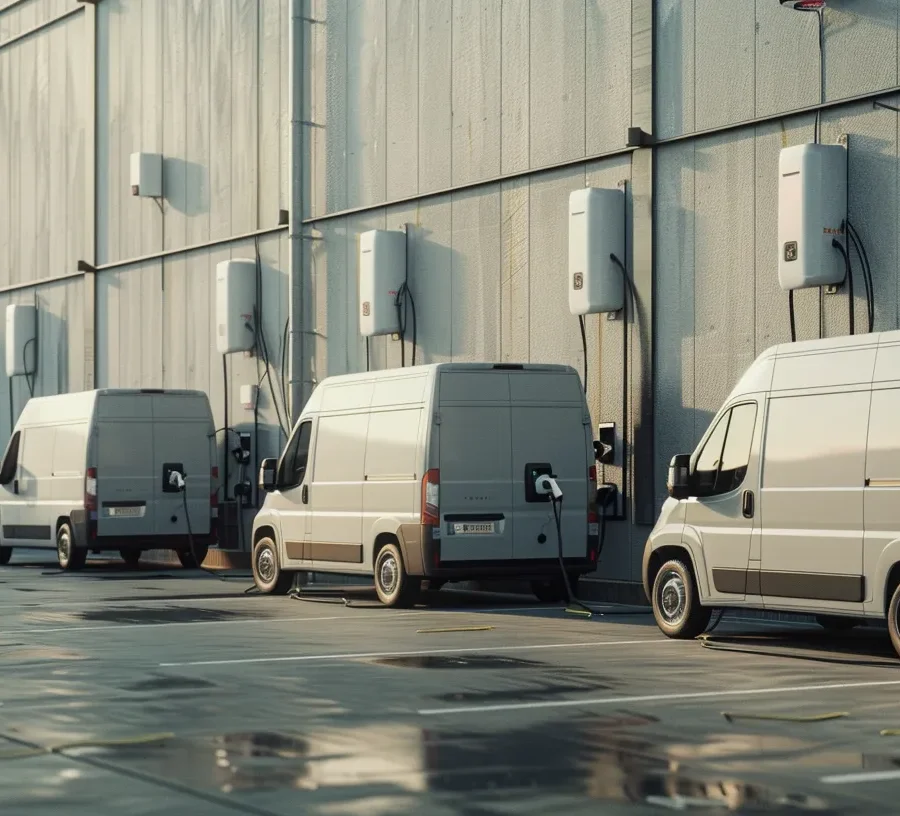
Fleet Operations
- Peak demand reduction
- Emergency power availability
- Energy cost optimization
Commercial Buildings
- Load smoothing during peak hours
- Backup energy for critical systems
Public Infrastructure
- Grid stabilization pilots
- Renewable energy integration
While V2G pilots are expanding globally, widespread commercial deployment depends on regulation, vehicle compatibility, and utility participation.
Key Limitations and Considerations
Despite strong interest, V2G and V2L face real constraints:
- Battery degradation concerns
- Lack of unified global standards
- Limited vehicle and charger compatibility
- Regulatory uncertainty in many regions
Businesses should evaluate these technologies cautiously and align investments with realistic timelines.
The Role of Smart Charging Infrastructure
Even without full V2G deployment, smart charging infrastructure is a prerequisite. Features such as:
- Load balancing
- Time-of-use optimization
- Remote management
- Energy data visibility
lay the groundwork for future bidirectional energy applications.
AC charging solutions designed for B-end scenarios—such as those offered by QIAO EV chargers—focus on stable, intelligent, and scalable charging today, while remaining compatible with tomorrow’s energy ecosystem.
Conclusion
V2G and V2L represent the next stage of EV and energy system integration. While V2L is already delivering practical value in localized scenarios, V2G remains an emerging solution with long-term potential.For most commercial users, the priority today is deploying reliable, smart AC charging infrastructure that supports operational efficiency and future energy integration. Understanding V2G and V2L fundamentals allows businesses to prepare strategically—without over-investing before the market is ready.