Table of Contents
Villa EV Charging Installation Guide
Installing an EV charger in a villa or private residential property is becoming a standard requirement for modern EV owners. Compared with shared parking spaces or public charging stations, villa charging offers higher convenience, lower cost, and complete control over your charging experience. This guide explains everything homeowners and installers need to know, from power requirements to outdoor protection and long-term safety.
1. Why Villas Are Ideal for Home EV Charging
Villas generally offer the best conditions for installing a home charging system:
- Private parking space
- Stable power supply (suitable for 7kW / 11kW / 22kW AC chargers)
- Flexible installation positions (indoor garage, outdoor wall, or charging post)
- No property approval needed in most cases
- Better safety and long-term reliability
This makes villa EV charging the most cost-effective and safest solution for EV owners.
2. Power Requirements for Villa EV Charger Installation
Before installing a home EV charger, homeowners should confirm these technical conditions:
2.1 Single-phase or Three-phase Power
7kW AC charger → Single-phase home wiring
11kW / 22kW AC charger → Three-phase power required
Villas often already support higher power loads, allowing faster and more stable charging.
2.2 Electrical Panel Capacity
Installers typically check:
Remaining load capacity
Breaker specifications
Cable size (2.5mm² / 4mm² / 6mm² depending on power)
Need for leakage protection (RCD Type A + DC 6mA)
2.3 Distance from Electrical Panel
Longer cable runs require:
Greater cable diameter
Outdoor/conduit protection
Correct grounding
A professional assessment ensures compliance with regional electrical standards.
3. Recommended Installation Locations for Villas
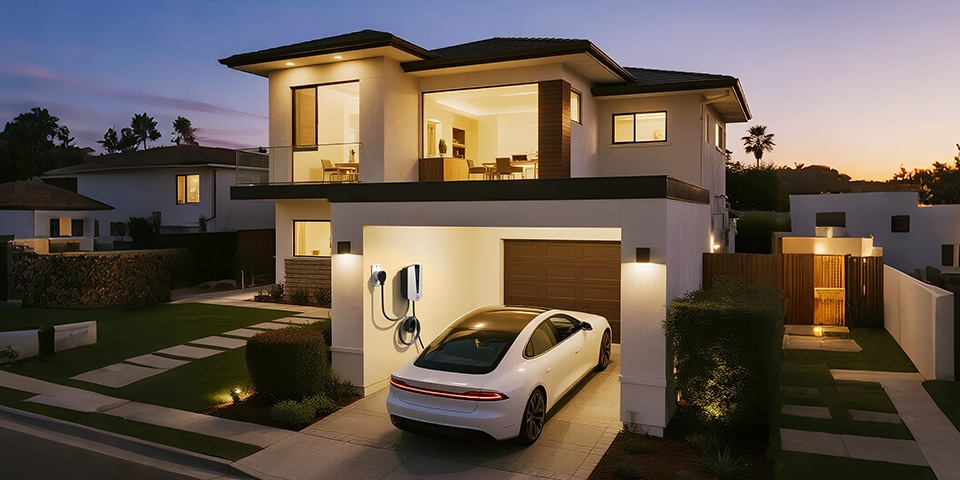
3.1 Outdoor Wall Installation
Most common choice due to convenience.
Suitable for driveways
Requires IP65+ waterproof protection
Resistant to UV, dust, and rain
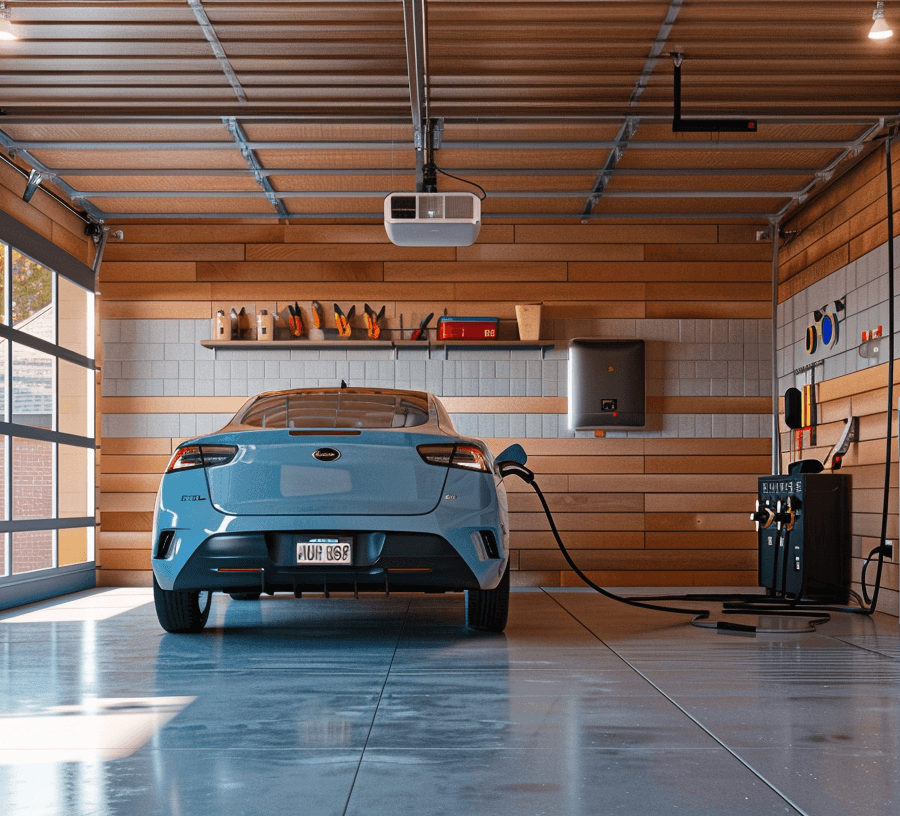
3.2 Indoor Garage Charging
Best option for:
Better temperature stability
Longer charger lifespan
Maximum security
3.3 Charging Post Installation (Pedestal)
Recommended when:
Wall installation is not possible
Parking layout requires a stand-alone charger
This option also provides a premium look for luxury villas.
4. Safety Considerations for Villa EV Charging
A high-quality AC EV charger must ensure safety under long-term daily use. Homeowners should check if the charger includes:
✓ Over-temperature protection
Auto power reduction when the device overheats.
✓ Overload and over-current protection
Avoids damage to the home electrical system.
✓ Leakage protection (RCD + DC detection)
Ensures safe operation for all EV models.
✓ Surge and lightning protection
Especially important for outdoor villa installation.
✓ Smart charging management
Allows scheduling charging during off-peak hours.
A premium charger significantly reduces long-term maintenance risks.
5. Outdoor Installation: Weather & Durability Requirements
If installing in an outdoor villa environment, the charger should meet:
IP65 or higher waterproof/dustproof rating
UV-resistant enclosure for long-term sun exposure
Wide temperature range (–30°C to +55°C)
Corrosion-resistant materials for coastal villas
A durable outdoor design ensures long-term stability and safety even in extreme weather.
6. Smart Home Integration for Modern Villa Owners
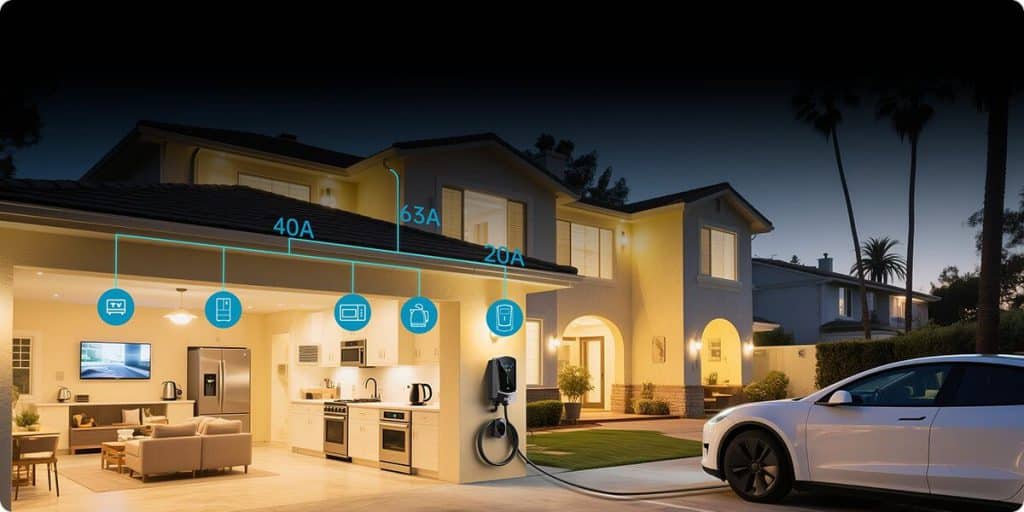
Modern villa EV charging solutions allow integration with:
Home Wi-Fi network
Mobile app monitoring
Scheduled charging
Load balancing (prevents tripping)
RFID/Bluetooth/APP control
This creates a fully connected, intelligent home charging ecosystem.
7. How to Choose the Right Villa EV Charger
When selecting a charger, villa owners should consider:
- Charging power (7kW/11kW/22kW)
- APP control & smart features
- Compatibility with all EV models
- Outdoor durability
- Safety certifications (CE, TUV, UL, etc.)
For B2B distributors and installers, offering a universal, high-safety, intelligent AC charger is the best way to satisfy villa owners.
8. Professional Installation Steps (For Installers)
- On-site inspection & electrical load evaluation
- Confirm wiring path and protection requirements
- Mounting the charger or pedestal
- Electrical connection & breaker installation
- Grounding & leakage protection testing
- Charger activation, APP setup & user training
A standardized installation process guarantees both safety and customer satisfaction.
Conclusion
Villa EV charging is the most efficient, safe, and user-friendly solution for private EV owners. With proper installation planning, electrical evaluation, and the right AC EV charger, homeowners can enjoy reliable daily charging without relying on public stations.
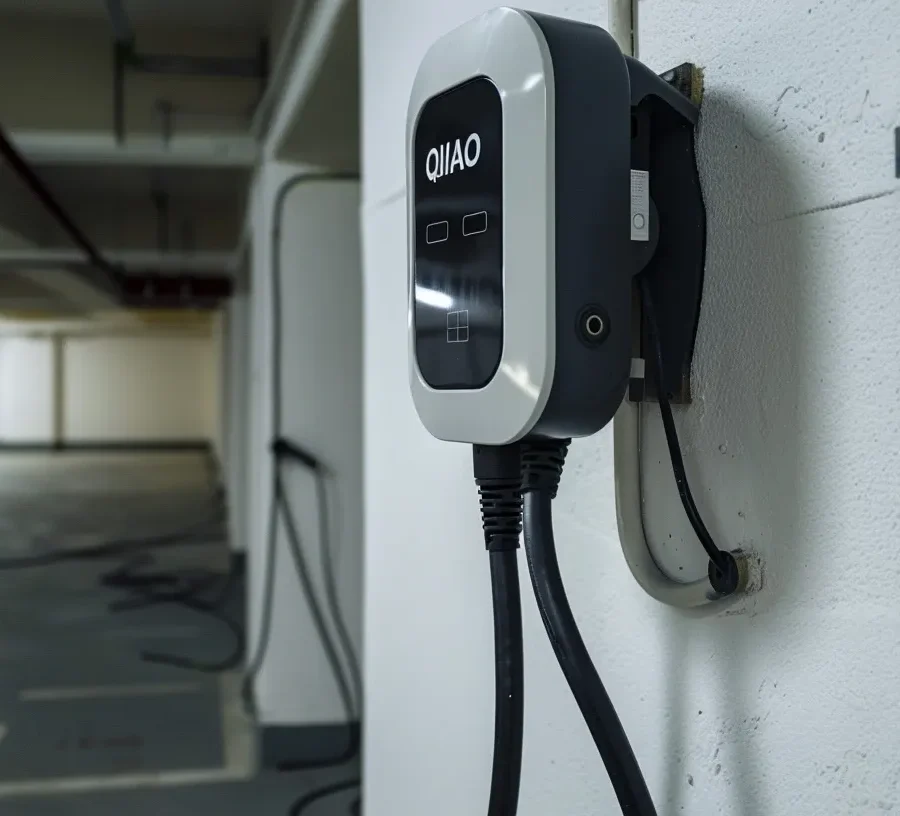
If you’re looking for a high-performance, safe, all-scenario solution, QIAO offers advanced AC EV chargers designed for villas, garages, and outdoor environments—delivering durability, smart control, and universal EV compatibility.Discover QIAO home EV charging solutions today.