
As electric vehicles (EVs) gain broader adoption across consumer, commercial, and fleet segments, understanding the various charging options becomes essential for buyers, integrators, and infrastructure planners. Among the available solutions, Level 2 EV charging stands out as the most versatile and widely deployed option, offering a balance of charging speed, installation complexity, and user convenience. This article breaks down what Level 2 EV charging means, how it works, and why it matters for business charging infrastructure.
What Is Level 2 EV Charging?
Level 2 EV charging refers to charging stations that use alternating current (AC) at higher voltages than basic Level 1 chargers. Unlike Level 1, which relies on standard household outlets, Level 2 chargers operate on dedicated circuits that typically range from 208 V to 240 V in North America or 230–400 V in Europe. This higher voltage enables significantly faster charging than Level 1 and makes Level 2 stations suitable for home, workplace, and commercial charging applications.
Level 2 EV chargers are the most commonly installed charging level globally because they combine moderate installation requirements with relatively fast charging speeds, making them ideal for daily use scenarios.
AC vs. DC Power in EV Charging
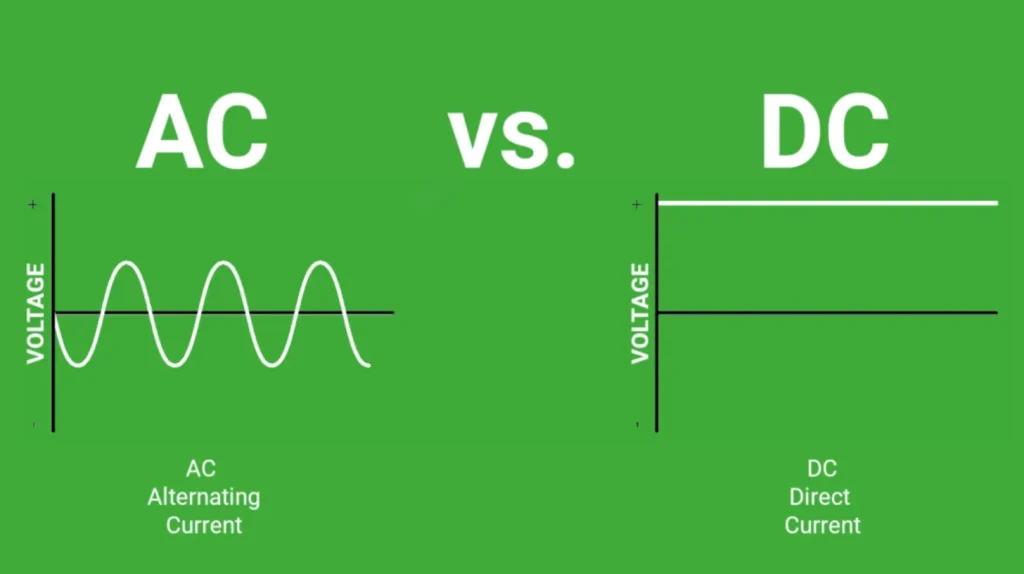
To fully understand Level 2 EV charging, it’s important to distinguish between the two main types of electrical current used in EV charging: Alternating Current (AC) and Direct Current (DC).
Alternating Current (AC)
AC power is what most power grids deliver to homes and businesses. Level 1 and Level 2 EV charging stations provide AC power to the vehicle. The EV’s onboard charging system then converts AC into the direct current (DC) needed to charge the battery.
Direct Current (DC)
In contrast, DC power is used directly by EV batteries. DC fast charging (often called Level 3) bypasses the vehicle’s onboard converter and supplies DC power directly, enabling much faster charging. However, because Level 2 stations use onboard conversion with AC power, they generally cannot match the speed of DC fast chargers.
How Fast Is Level 2 EV Charging?
Level 2 EV chargers typically deliver power in the range of 3 kW to 22 kW, depending on regional electrical standards and the charger’s specific design. In North America, Level 2 charging units are commonly rated up to 19.2 kW, while in Europe, outputs up to 22 kW are also available. This allows a Level 2 charger to deliver anywhere from 10 to 75 miles (approximately 16–120 km) of range per hour of charging.
Although Level 2 charging is not as rapid as DC fast charging, it is significantly faster than Level 1 charging and ideal for overnight, workday, or medium-duration charging sessions. Typical charge times for a 40 kWh battery can range from around 2 to 13 hours, depending on charger output and the vehicle’s onboard charging capacity.
Types of Level 2 EV Chargers
Tethered Chargers
Tethered Level 2 chargers have a permanently attached cable and connector. This design means users can begin charging without needing to attach a cable themselves, streamlining the user experience. However, the fixed cable length may limit flexibility unless customized at order.
Benefits:
- Ready-to-use with no separate cable required
- Simplified installation and operation
- Cable included in the overall charger package
Considerations:
- Cable length is fixed and may require accessories for cable management
- Replacement costs for wear and tear may be higher
Untethered Chargers
Untethered Level 2 chargers do not include a permanent cable. Instead, they provide a standard socket into which users plug their own charging cable.
Benefits:
- Lower upfront cost due to absence of cable
- More flexibility in cable length and type
- Easier maintenance with fewer parts to replace
Considerations:
- Users must have compatible cables available
- Charging requires manual cable connection each time
Common Connector Types for Level 2 Charging
Level 2 EV charging uses several connector standards depending on regional markets:
- Type 1 (J1772): Common in North America and Japan for AC Level 2 charging, supporting up to about 19.2 kW.
- Type 2 (Mennekes): Standard in Europe, with single-phase or three-phase power options up to 22 kW.
- GB/T (AC): Standard in China for AC EV charging equipment.
- NACS: Tesla-originated standard used primarily in North America, supporting both AC and DC charging modes.
Each region has evolved its connector standards based on local grid infrastructure and regulatory preferences.
Ideal Locations for Installing Level 2 Chargers
Level 2 EV charging stations are suitable for a wide range of installation environments because of their balance of speed and practicality:
- Residential properties: Ideal for overnight charging, providing sufficient daily range for most commuting needs.
- Workplaces: Allow employees to charge during work hours, enhancing EV adoption incentives and employee benefits.
- Public charging points: Suitable for community locations like parks, event venues, or recreational areas where vehicles may be parked for multiple hours.
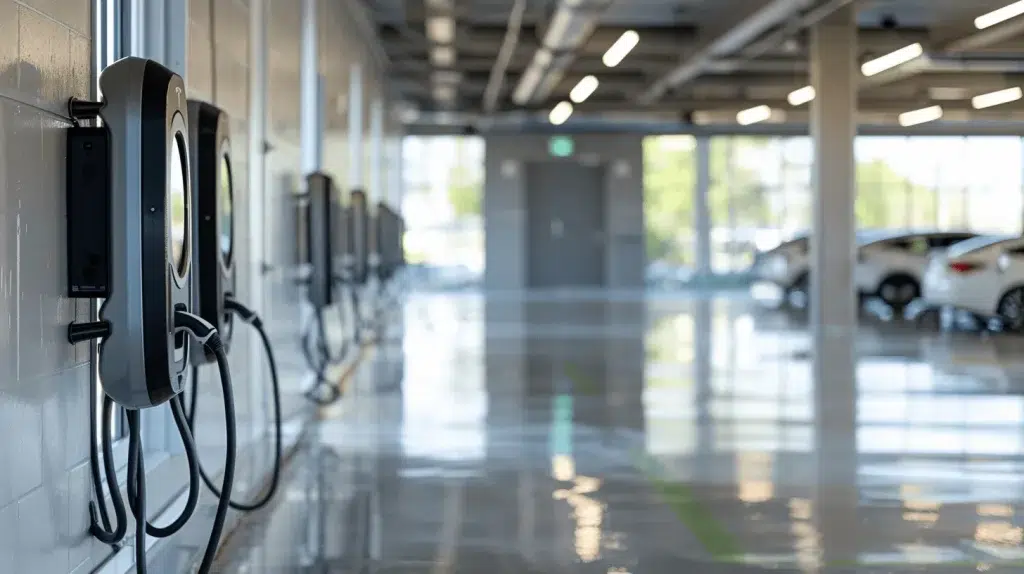
- Commercial properties: Retail centers, hotels, and fleet depots benefit from Level 2 chargers that support customer convenience and business operations.
These installations make EV charging more accessible and practical for users who may not have access to ultra-fast DC charging.
Why Understanding Level 2 EV Charging Matters for B2B Stakeholders
For businesses investing in EV infrastructure—whether as part of workplace electrification, fleet support, or public-access charging networks—Level 2 EV charging stations are a critical component. Their moderate installation cost, flexibility in deployment locations, and compatibility with most EV models make them a reliable choice for long-term strategy.
Integrators, property developers, and fleet operators should weigh Level 2 solutions against user expectations, facility usage patterns, and future scalability when planning charging infrastructure.
Conclusion
Level 2 EV charging bridges the gap between basic home charging and high-speed DC fast charging by providing a practical, scalable middle ground. Its extensive compatibility with existing EV models, balance of speed and cost, and broad deployment range make Level 2 solutions a cornerstone of effective EV charging infrastructure.
For businesses exploring professional charging deployments, choosing the right Level 2 EV charging solutions—tailored for reliability, ease of use, and long-term performance—is essential for future readiness.
If you’re evaluating comprehensive EV charging solutions for your commercial or fleet needs, QIAO offers scalable, dependable equipment that supports workplace, public, and mixed-use environments.
Learn more about how QIAO’s advanced EV charging solutions can support your next project with reliable infrastructure and long-term service.