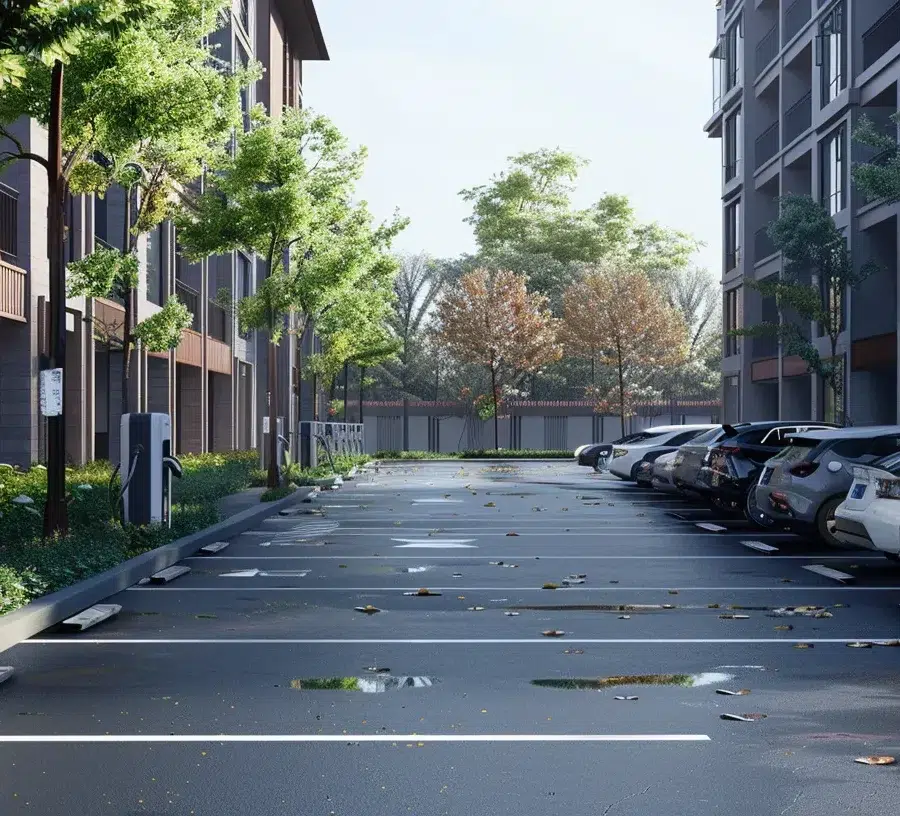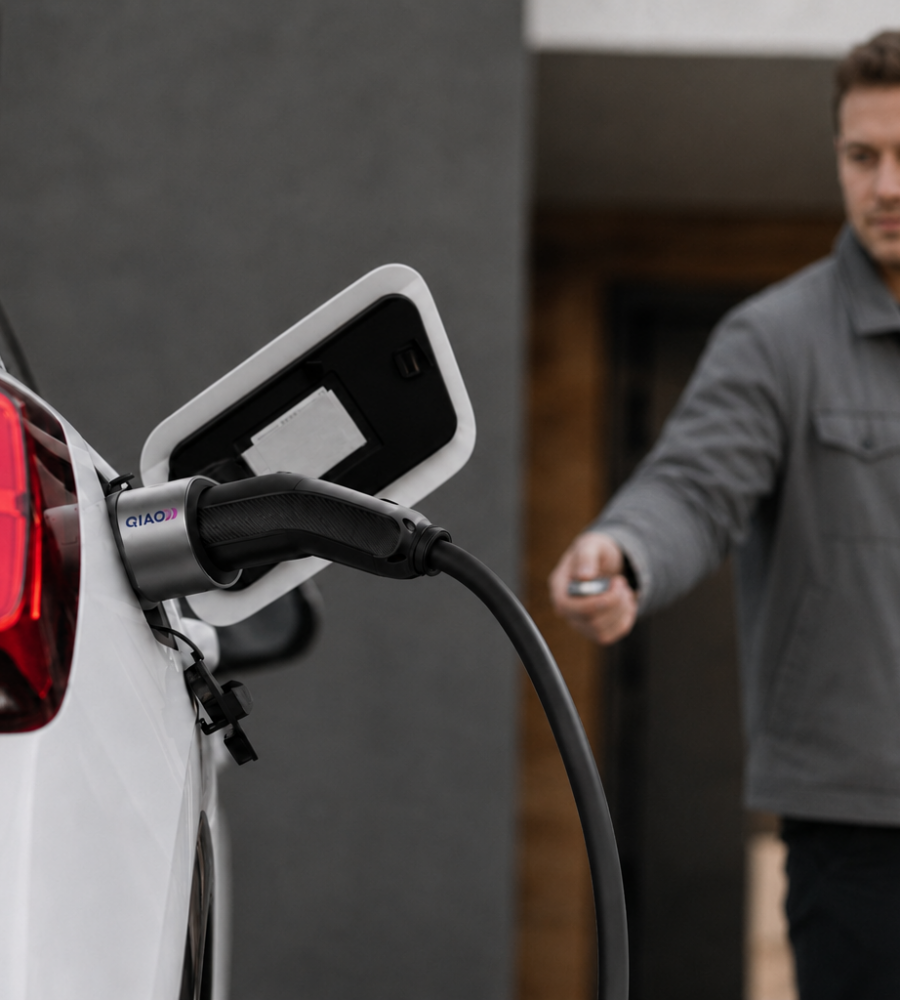

As electric vehicle adoption continues to grow, apartment properties are becoming one of the most critical locations for EV charging demand. Unlike public fast-charging stations, residential charging prioritizes reliability, scalability, and long-term operational efficiency.
For property owners and managers, planning AC EV charging infrastructure is not simply about installing chargers. It requires a structured approach that balances electrical capacity, space constraints, safety standards, and future expansion.
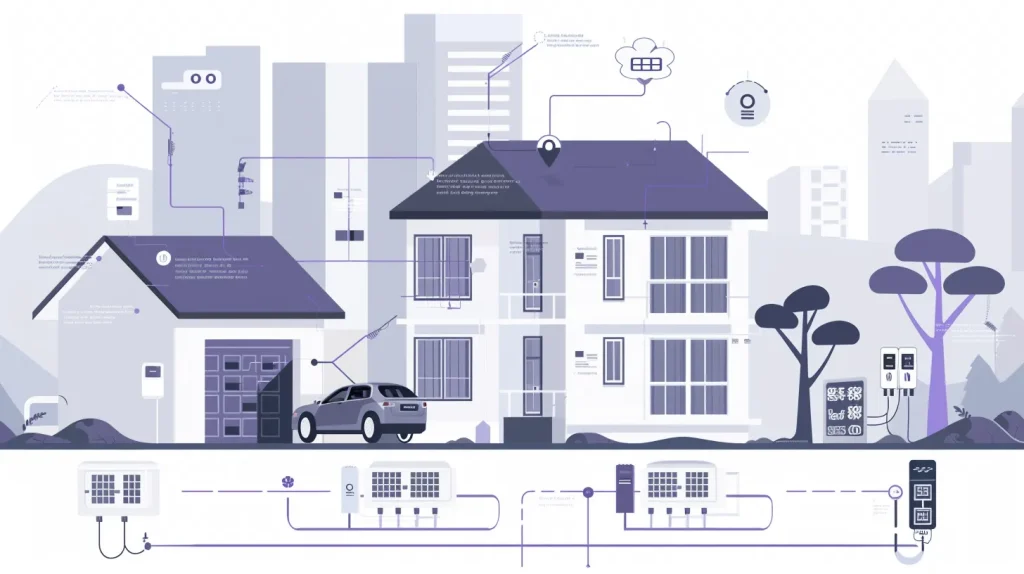
Key Challenges for Apartment EV Charging
Apartment properties face several practical challenges when deploying EV charging infrastructure:
- Limited electrical capacity in existing buildings
- High installation costs due to dispersed parking layouts
- Uneven charging demand among residents
- Concerns about grid overload and electrical safety
- Long-term maintenance and operational complexity
Without proper planning, EV charging can quickly become a financial and operational burden rather than an asset.
Why AC EV Charging Is the Best Fit for Apartments
From a technical and operational perspective, AC EV charging is the most suitable solution for residential properties.
Grid-Friendly Power Levels
AC chargers typically operate between 7kW and 22kW, making them ideal for overnight charging without creating sudden peak loads.
Scalable Deployment
Compared to DC fast chargers, AC solutions require less electrical infrastructure and can be deployed gradually as demand increases.
Cost-Effective Long-Term Operation
Lower equipment costs, simpler installation, and predictable maintenance make AC chargers a sustainable choice for property owners.
This is why AC EV charging has become the standard foundation for apartment and residential developments in most mature EV markets.
Step-by-Step AC EV Charging Planning for Apartments
Step 1: Assess Electrical Capacity
The first step is understanding the building’s electrical system, including:
- Transformer capacity
- Existing load from elevators, lighting, HVAC, and other systems
- Available capacity for EV charging
This assessment determines how many chargers can be installed and at what power level.
Step 2: Select the Right AC Charging Power
Choosing the appropriate power level depends on parking usage and resident behavior.
| Power Level | Typical Use Case |
| 7kW | Assigned residential parking spaces |
| 11kW | Shared or rotating parking areas |
| 22kW | High-density or premium apartment projects |
Selecting the right power level ensures efficient charging without unnecessary grid upgrades.
Step 3: Implement Load Balancing or Dynamic Load Management
Load management is essential for apartment EV charging.
By using load balancing or dynamic load management (DLM):
- Multiple chargers share limited electrical capacity
- Charging power adjusts automatically based on real-time building demand
- Peak load risks are significantly reduced
This allows properties to support more chargers without increasing grid connection capacity.
Step 4: Plan Parking Layout and Cabling Strategy
Effective planning includes:
- Zoning parking areas
- Pre-installing conduits for future expansion
- Modular charger deployment
This approach minimizes upfront investment while keeping the system flexible.
Operating Models for Apartment EV Charging
Apartment properties typically adopt one of the following models:
- Property-Owned and Managed – Full control and standardized service
- Third-Party Operator Model – Reduced operational burden
- Hybrid Model – Balanced control with external expertise
Each model places different requirements on charger reliability, management software, and scalability.
Safety and Compliance Considerations
Safety is critical in residential environments. AC EV charging systems should include:
- Overcurrent and overvoltage protection
- Residual current protection
- Thermal monitoring
- Compliance with IEC and regional standards
These measures ensure long-term operational stability and resident confidence.
QIAO’s Approach to Apartment AC EV Charging
At QIAO, apartment EV charging is treated as long-term infrastructure rather than a short-term installation.
Our AC EV charging solutions are designed to:
- Integrate seamlessly with existing electrical systems
- Support load management for multi-charger deployments
- Scale with growing EV adoption
By combining intelligent power control with reliable AC hardware, QIAO helps property owners deploy future-ready EV charging infrastructure.
Conclusion
Successful apartment EV charging planning is not about charging faster—it is about charging smarter.
With the right AC charging strategy and intelligent load management, apartment properties can deliver reliable, scalable, and cost-effective EV charging for years to come.