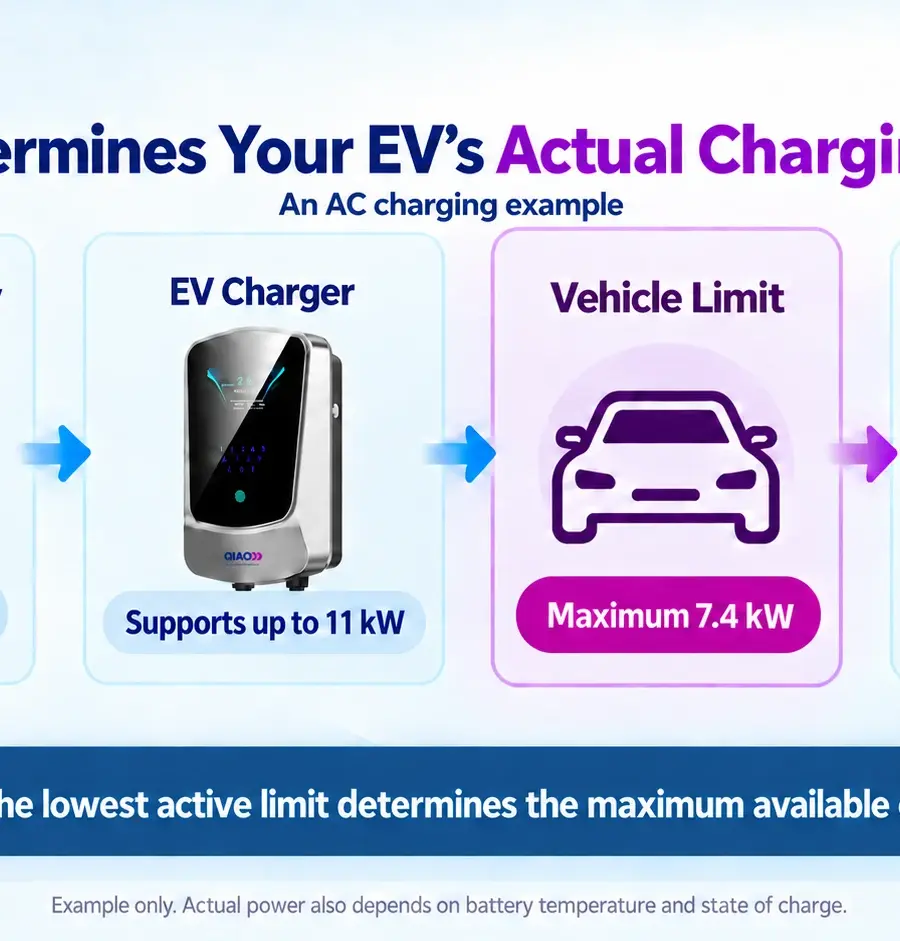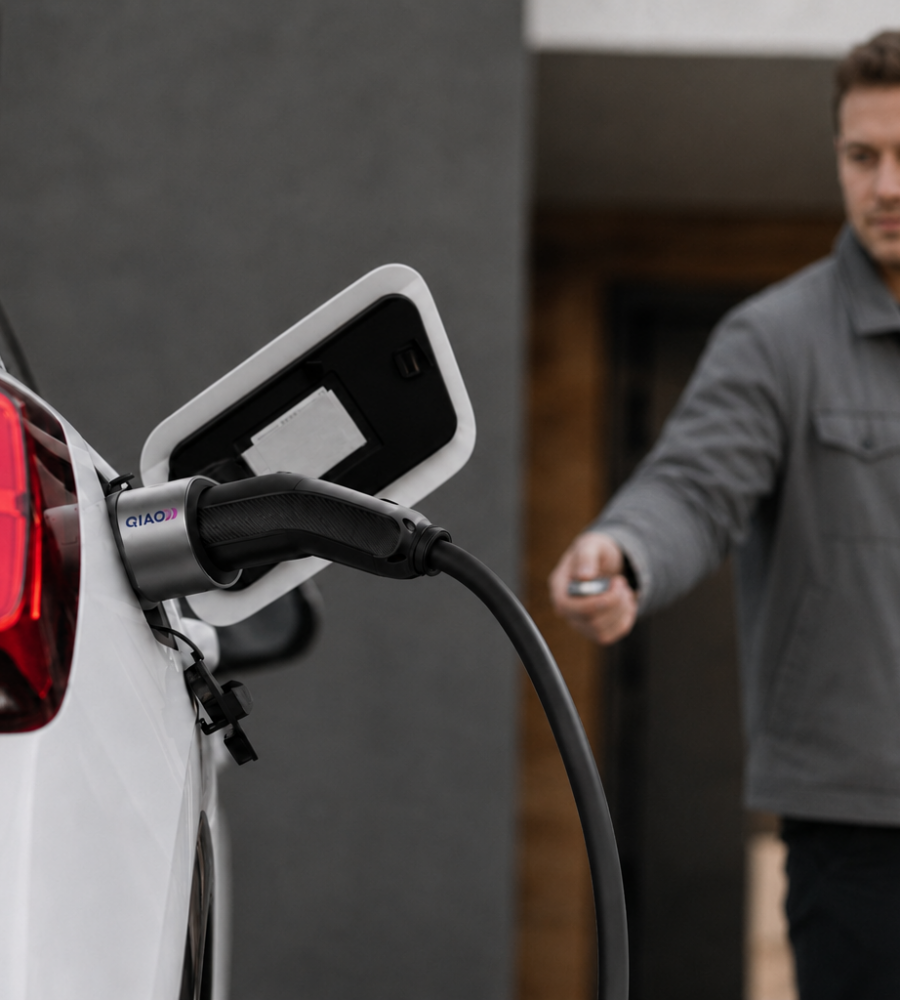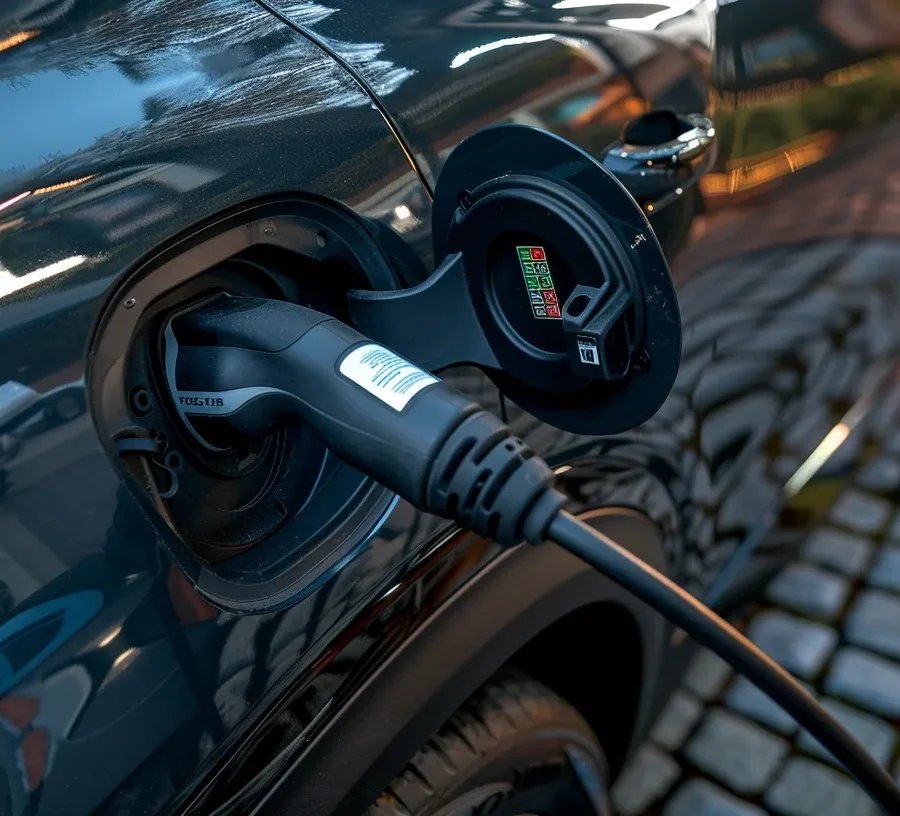

When discussing EV charging performance, many users focus on the power rating of the charging station. However, in AC charging scenarios, the onboard charger (OBC) inside the vehicle often becomes the primary bottleneck.
Understanding the limitations of onboard chargers is critical for EV users, fleet operators, and commercial charging infrastructure planners—especially when deploying AC charging solutions.
What Is an Onboard Charger (OBC)?
An onboard charger is the AC-to-DC conversion system inside an electric vehicle. Its role is to convert AC power from the grid into DC power suitable for charging the battery.
Unlike DC fast charging—where conversion happens inside the charging station—AC charging always relies on the vehicle’s onboard charger.
This means:
The maximum AC charging speed is limited by the onboard charger, not the EV charger alone.
Common Limitations of Onboard Chargers
Power Rating Caps Charging Speed
Most passenger EVs are equipped with onboard chargers rated at:
- 6.6–7.4 kW (single-phase)
- 11 kW (three-phase, common in Europe)
- 22 kW (less common, usually optional)
If a vehicle has a 7 kW onboard charger, connecting it to an 11 kW or 22 kW AC charger will not increase charging speed.
Single-Phase vs Three-Phase Constraints
Onboard chargers are designed for specific electrical architectures.
| Vehicle Configuration | Onboard Charger Type | Max AC Speed |
| Entry-level EV | Single-phase | 7 kW |
| Mainstream EU EV | Three-phase | 11 kW |
| Premium / fleet EV | Three-phase (optional) | 22 kW |
In regions where three-phase power is available, the onboard charger—not the grid—often limits utilization.
Thermal and Efficiency Limitations
Onboard chargers are compact and integrated into the vehicle, which introduces:
- Heat dissipation constraints
- Efficiency losses during AC–DC conversion
- Reduced charging power under high temperatures
To protect components and battery health, many vehicles automatically reduce charging power during long sessions.
Cost and Weight Trade-Offs in Vehicle Design
Higher-capacity onboard chargers increase:
- Vehicle cost
- System weight
- Thermal management complexity
As a result, many automakers limit onboard charger capacity to balance cost and efficiency—especially in mass-market models.
Real-World Impact on AC Charging
Why Bigger Chargers Do Not Always Help
| Scenario | Installed AC Charger | Vehicle OBC | Actual Charging Power |
| Home charging | 11 kW | 7 kW | 7 kW |
| Hotel charging | 22 kW | 11 kW | 11 kW |
| Fleet depot | 22 kW | 22 kW | 22 kW |
This mismatch explains why EV users often perceive “slow charging” even when high-power AC chargers are installed.
Why AC Charging Still Makes Sense Despite OBC Limits
Although onboard chargers impose limits, AC charging remains the most practical solution for daily and destination charging.
Key advantages:
- Matches overnight and long-dwell use cases
- Lower infrastructure and maintenance costs
- Reduced battery stress compared to DC fast charging
- Easier integration with load management systems
The goal of AC charging is not speed at all costs—but efficient energy delivery over available parking time.
How to Design Charging Infrastructure Around OBC Constraints
Best-practice AC charging deployments account for onboard charger limitations by:
- Matching charger power to typical vehicle OBC ratings
- Using 7 kW chargers for residential and long-stay parking
- Deploying 11–22 kW chargers for commercial and fleet use
- Applying dynamic load management to optimize total site capacity
- Combining wall-mounted and portable chargers for flexibility
This approach improves utilization without unnecessary hardware oversizing.
How QIAO Addresses Onboard Charger Limitations
QIAO designs AC EV charging solutions that align with real-world vehicle capabilities rather than theoretical maximums.
QIAO solutions support:
- 7 kW / 11 kW / 22 kW AC charging configurations
- Compatibility with single-phase and three-phase power
- Smart load balancing to optimize multi-vehicle charging
- Wall-mounted and portable chargers for diverse scenarios
By designing around onboard charger constraints, QIAO enables predictable charging performance, higher utilization, and better ROI for B2B customers.Explore QIAO AC EV charging solutions for residential, commercial, and fleet environments.