
As electrification expands beyond passenger cars, the gap between light-duty and heavy-duty electric vehicle charging becomes increasingly important. Charging strategies that work for private cars do not directly scale to buses, trucks, or commercial fleets.
Understanding these differences is essential for fleet operators, infrastructure planners, and commercial property owners designing future-proof EV charging systems.
What Defines Light-Duty and Heavy-Duty Electric Vehicles?
Light-Duty Electric Vehicles (LDEVs)
- Passenger cars and SUVs
- Light commercial vans
- Typical battery size: 40–80 kWh
- Primary use: personal mobility, last-mile delivery
Heavy-Duty Electric Vehicles (HDEVs)
- Buses, trucks, coaches
- Construction and logistics vehicles
- Typical battery size: 150–500+ kWh
- Primary use: long routes, high payload, fixed schedules
The difference in battery size and duty cycle drives fundamentally different charging requirements.
Charging Power Requirements: A Direct Comparison
| Parameter | Light-Duty EV Charging | Heavy-Duty EV Charging |
| Typical Battery Size | 40–80 kWh | 150–500+ kWh |
| Common AC Charging | 7–22 kW | Limited or auxiliary |
| Primary Fast Charging | Occasional DC | Essential DC fast charging |
| Charging Location | Home, hotel, workplace | Depot, logistics hub |
| Charging Window | Overnight / long dwell | Tight operational windows |
Light-duty EVs can rely heavily on AC charging, while heavy-duty EVs typically require high-power DC charging to maintain operational efficiency.
AC Charging vs DC Charging in Different Vehicle Classes
Why AC Charging Fits Light-Duty EVs
AC charging aligns well with:
- Overnight home charging
- Destination charging (hotels, offices)
- Lower grid impact and installation cost
- Better battery longevity
For most light-duty EVs, AC charging covers 80–90% of daily energy needs.
Why Heavy-Duty EVs Depend on DC Charging
Heavy-duty vehicles operate on:
- Tight schedules
- High daily energy consumption
- Fixed routes and depots
As a result, DC fast charging is often unavoidable. However, AC charging can still play a supporting role.
The Supporting Role of AC Charging in Heavy-Duty Fleets
Even in heavy-duty operations, AC charging is not irrelevant.
AC charging is commonly used for:
- Overnight trickle charging
- Auxiliary vehicle systems
- Staff or service vehicles
- Load smoothing and grid cost optimization
This hybrid AC + DC strategy reduces peak demand and improves overall energy efficiency.
Infrastructure Cost and Grid Impact Considerations
| Factor | Light-Duty Focus | Heavy-Duty Focus |
| Installation Cost | Low to moderate | Very high |
| Grid Upgrades | Often unnecessary | Frequently required |
| Load Management | Simple DLM | Advanced energy management |
| Scalability | High | Limited by grid capacity |
From a cost perspective, AC charging remains the most scalable option, especially for light-duty fleets and mixed-use sites.
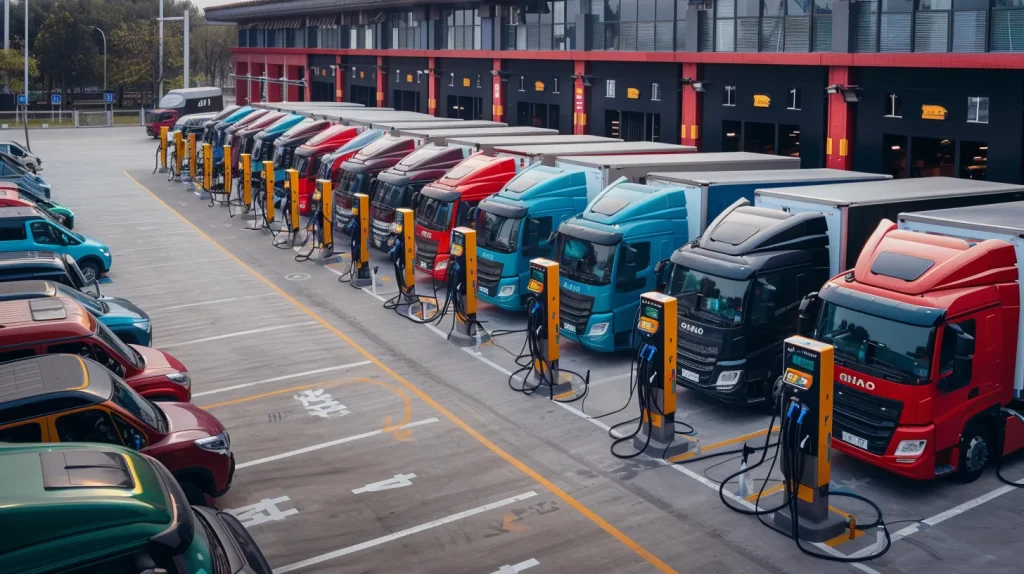
Designing Charging Infrastructure for Mixed Fleets
Many real-world operations involve both light-duty and heavy-duty vehicles.
Best practices include:
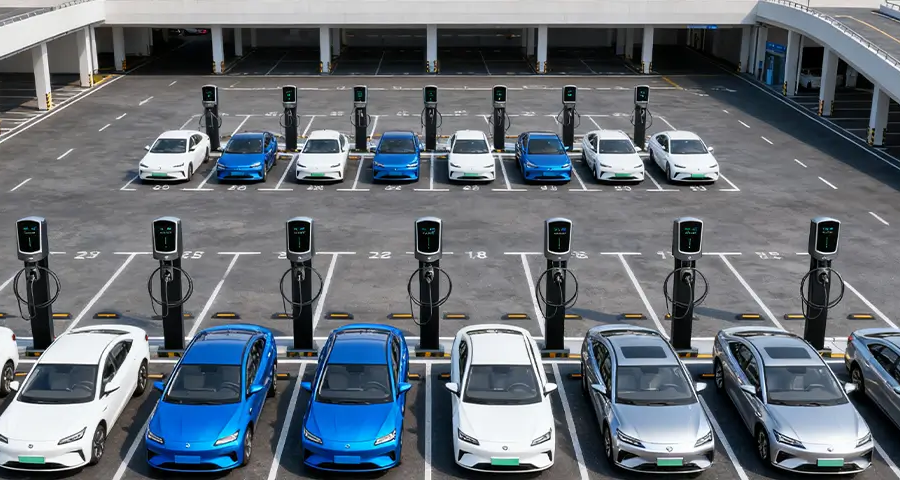
- Dedicated DC chargers for heavy-duty vehicles
- AC chargers for light-duty and support vehicles
- Dynamic load management across the entire site
- Modular expansion planning
This approach avoids overbuilding while ensuring operational reliability.
How QIAO Supports Light-Duty EV Charging and Mixed Fleets
QIAO specializes in AC EV charging solutions optimized for light-duty vehicles and mixed fleet environments.
QIAO solutions include:
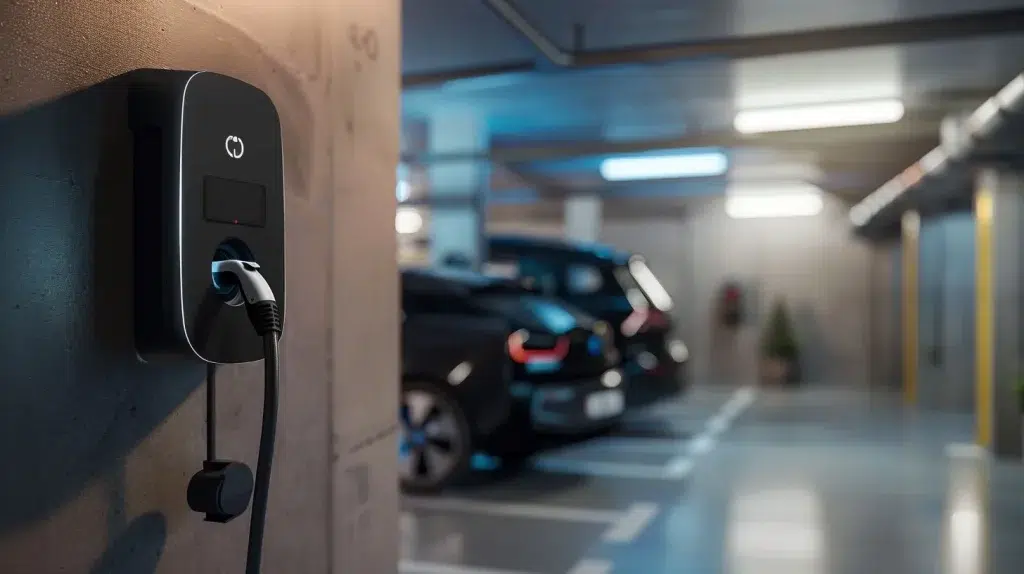
- Wall-mounted AC chargers (7 kW / 11 kW / 22 kW)
- Portable EV chargers for flexible deployment
- Smart load balancing for fleet and commercial sites
- Scalable designs suitable for residential, hospitality, and fleet applications
By focusing on efficient AC charging where it delivers the most value, QIAO helps operators reduce infrastructure costs while supporting fleet electrification.Learn more about QIAO AC EV charging solutions for light-duty and mixed-fleet environments.