
A fleet electrification strategy starts with identifying vehicles that can complete their assigned work and have reliable access to charging. Daily mileage is only part of that assessment. Payload, demanding routes, replacement dates and operating costs also affect which vehicles should switch first.
A pilot lets you test those choices in daily operations. It should show whether the EVs complete their tasks, what extra support they need and how actual costs compare with your estimates.
This guide explains how to assess candidates, prepare your team and evaluate a pilot. You can then use the results to plan the next round of vehicle replacements.
What Is a Fleet Electrification Strategy?
A fleet electrification strategy is an organisation’s plan for introducing electric vehicles into its fleet. It sets out which vehicles to replace, when to replace them and how to support their operation.
The plan identifies which vehicle groups can switch first, what must be ready before they enter service and how their performance will be assessed. It also sets conditions for later replacements, allowing different vehicle groups to follow different schedules.
Goals may include lower operating costs, reduced exhaust emissions and less vehicle noise. The results depend on the vehicles selected and how they are used.
For example, a business might trial EVs on local service routes while retaining diesel vehicles for tasks the selected EVs cannot yet cover. Its strategy should explain those choices and identify what evidence would support further replacements.
Step 1 — Set Your Goals and Assign Responsibilities
Define what the first phase should achieve and appoint someone to coordinate it. Agree on the scope, budget and review point before committing to vehicle purchases.
Define What the First Phase Must Achieve
Choose an objective that reflects your business needs. You might assess EVs as replacements for vehicles nearing retirement, test their suitability for a service route or evaluate potential operating savings.
Make the expected outcome specific. For example, a service business could test whether EVs can complete the same daily workload within an agreed operating budget. Record any limits on route changes, reduced loads or support from other vehicles. These conditions will help you judge the results fairly.
Assign an Owner and Involve the Right Teams
Appoint an internal project owner who can coordinate decisions and resolve outstanding issues. Bring in the people responsible for vehicle operations, finance, facilities and procurement, alongside drivers who understand the work.
Agree who approves spending, confirms charging readiness and reviews pilot results. Involve IT where vehicle data or connected systems are part of the plan.
Record these responsibilities in a short project brief, together with the objective, budget and review date.
Step 2 — Identify Which Vehicles to Electrify First
Shortlist vehicles by matching their actual work to suitable EV replacements. Use route requirements, charging access and replacement timing to decide which candidates deserve closer assessment.
Build a Baseline From Actual Operations
Review each vehicle’s daily work, including busy periods and unusual assignments. Average mileage alone can hide longer journeys, heavier loads or unexpected call-outs.
Telematics systems record vehicle use, but you can also start with trip logs, fuel receipts, maintenance records and dispatch schedules. Ask drivers to explain requirements that those records may miss, including towing, equipment use and access to remote sites.
Build your initial shortlist around these checks:
| Screening Area | Information to Record | What to Assess |
| Routes and Workload | Typical and longest working days, journey types and seasonal changes | Whether an EV can complete the required tasks |
| Load and Equipment | Payload, cargo space, towing and equipment needs | Whether a suitable vehicle configuration exists |
| Parking and Charging | Overnight location, parking duration and likely charging access | Whether charging can fit the working schedule |
| Replacement Timing | Vehicle age, lease expiry, repair history and planned retirement | When replacement would fit the existing fleet plan |
| Unresolved Conditions | Missing records, uncertain charging access or specialist requirements | What needs confirmation before a trial |
Shortlist Vehicles by Task and Replacement Timing
Compare potential EVs with the full task requirements. Check payload, towing limits and cargo space alongside range. Validate range under relevant conditions, including motorway driving, cold weather and normal loads. A demonstration or rental vehicle can help test assumptions before an order.
Vehicle age and repair bills help set replacement priorities once a suitable EV has been identified. Confirm delivery timing and maintenance support as part of that assessment.
For example, a local service van approaching lease renewal may be a practical trial candidate when an available EV meets its load, range and charging needs. A vehicle with frequent towing duties may need further testing before joining the first group.
Give each candidate a provisional status: ready to trial, further checks needed or deferred. Record the reason and the evidence still required. Charging and financial checks in the following steps will help confirm that shortlist.
Step 3 — Check Charging Readiness Before Committing to Vehicles
Confirm that each shortlisted vehicle has a workable charging arrangement before committing to its purchase or lease. Check where it will charge, when it can connect and whether it can receive enough energy before its next assignment.
Match the arrangement to the job. Depot charging may suit vehicles returning to base, while suitable home charging can support drivers who take vehicles home. Shorter charging windows may require compatible DC charging or additional stops.
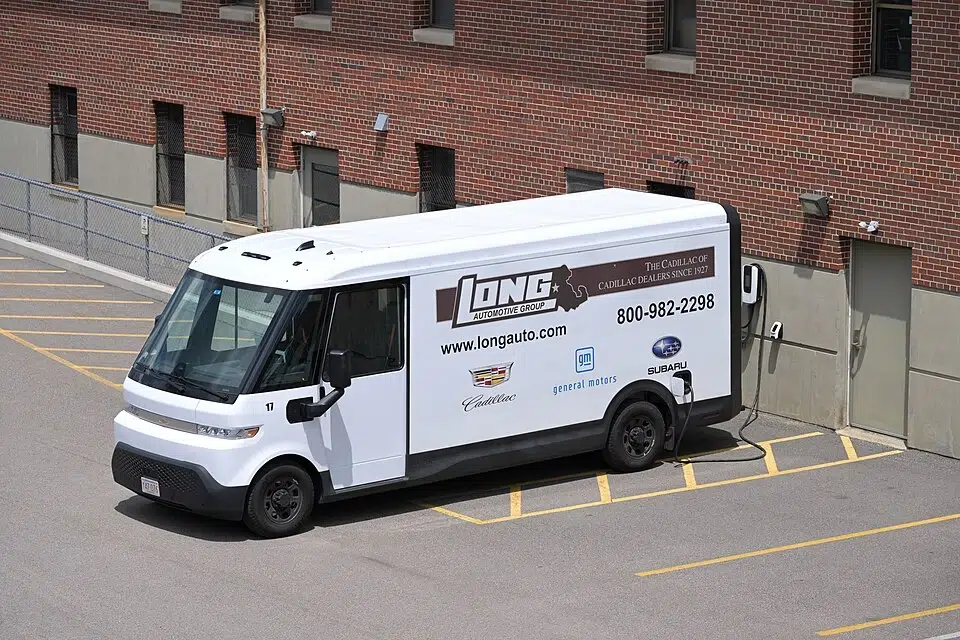
Use these requirements to plan your fleet charging infrastructure. The U.S. Department of Energy’s Alternative Fuels Data Center recommends involving the local electricity provider early to assess charging needs and potential electrical upgrades. Confirm available capacity, required work and completion dates with your electrical contractor and network provider. Align those dates with vehicle delivery and entry into service.
For home charging, confirm suitable parking, installation permission and responsibility for equipment, electricity and support. For public or partner sites, check vehicle access, compatibility, opening hours and likely availability.
Record any unresolved conditions against the affected vehicles. A delayed connection, uncertain home installation or unreliable charging stop may require a different vehicle allocation or purchase date. Agree on alternatives for late returns, charging failures, and urgent assignments before treating the arrangement as ready.
Step 4 — Build the Business Case and Funding Plan
Compare the cost of completing the same work with EVs and petrol or diesel vehicles. Total cost of ownership, or TCO, accounts for acquisition and operating costs over a defined period, along with the vehicle’s expected resale value or disposal costs.
Compare EV and Petrol or Diesel Vehicle Costs on the Same Basis
Use the same ownership period, expected mileage and workload for each option. For a scheduled replacement, compare an EV with a suitable petrol or diesel replacement. Comparing a new EV only with an ageing vehicle’s repair bills can distort the decision.
Include purchase or lease costs, financing charges where relevant, insurance, energy, maintenance and support. For purchased vehicles, include expected resale value at the end of the comparison period. Avoid counting both the full purchase cost and depreciation as separate expenses.
Include charging equipment, installation and ongoing operating costs in the comparison. Explain how shared infrastructure costs are allocated across vehicles, including the assumed equipment life and expected use.
The U.S. Department of Energy’s guidance on managed fleet charging explains how charging schedules can affect electricity costs and, where applicable, demand charges. Use the proposed charging schedule and the site’s electricity tariff when estimating energy costs.
Include extra staff time, paid charging stops and backup vehicle use where the proposed operation requires them. Compare total costs alongside cost per mile or kilometre, while checking that each option delivers the required workload.
Test Assumptions and Review Funding Options
Calculate a base case, then check how the result changes with higher electricity prices, more public charging, lower vehicle use or a lower resale value. Identify which assumptions could change the purchase decision and which need testing during the pilot.
Show the result before incentives, then add funding whose eligibility, amount and conditions have been confirmed. Record application deadlines and payment timing separately from expected savings.
Compare buying, leasing and charging-service contracts against the same project scope. Check ownership, maintenance responsibilities, recurring charges and exit terms. Finally, prepare a cash-flow schedule: a favourable lifetime cost does not show whether your business can fund the initial vehicles and infrastructure.
Step 5 — Prepare Drivers, Dispatch and Maintenance Support
Prepare the people who will operate and support the vehicles before the pilot begins. Confirm that charging is ready, staff understand their tasks and someone can respond when the planned routine breaks down.
Train Drivers and Dispatch Staff
Give drivers practical training with the vehicles and charging equipment they will use. Cover connecting and disconnecting, confirming that charging has started, reading battery information and reporting problems. Follow the vehicle manufacturer’s guidance on charging and driving features, including regenerative braking.
Explain how drivers should handle a failed charging session, an unexpected journey or a vehicle warning. Give them a named contact and a simple way to report difficulties.
Dispatch staff need current information about vehicle availability and the energy required for the next assignment. Agree who checks readiness before departure and who approves changes when a vehicle cannot complete its planned work.
For fleets using both EVs and fuel vehicles, document task allocation and any work transferred between them. Those records will help assess the pilot fairly.
Confirm Maintenance and Backup Arrangements
Check that your service provider supports the selected EV models. Confirm warranty procedures, recovery arrangements and access to suitable replacement vehicles. Use technicians with the appropriate training and qualifications for high-voltage maintenance and repairs.
Agree who responds to vehicle faults and who handles charging equipment or installation problems. Keep support contacts accessible to drivers and supervisors.
Finally, rehearse the reporting process before launch. A brief walkthrough can reveal unclear responsibilities while there is still time to resolve them.
Step 6 — Run a Pilot Against Clear Success Measures
Use the pilot to check whether the selected EVs can perform their intended work at an acceptable cost and support level. Agree on the measures and review dates before the trial starts, using the goals set in Step 1. Set a pass criterion for each measure, such as the required share of assignments completed without backup support, the departure-readiness target and the maximum acceptable extra staff time. Choose thresholds that reflect your operation.
Choose a Representative First Group
Select vehicles, routes and drivers that reflect the deployment you want to assess. Include normal loads, demanding working days and the charging arrangements planned for those vehicles.
Set the trial length around the questions you need to answer. A short trial in mild weather leaves winter performance unverified. Record those gaps and arrange further testing or assessment before extending the findings to other conditions.
Track Results and Staff Time
Compare the pilot with your existing operating records and the assumptions in the business case. Keep vehicle, charging and dispatch records together so you can explain differences.
| Measure | What to Record |
| Task Completion | Work completed, delayed, reduced or transferred to another vehicle |
| Departure Readiness | Whether vehicles had enough energy for their assigned work at departure |
| Operating Costs | Energy, maintenance, paid charging stops and extra support |
| Faults and Downtime | The cause, time out of service and replacement arrangements used |
| Staff Involvement | Time spent checking status, moving vehicles, resolving problems and processing expenses |
| Driver Feedback | Difficulties with vehicle use, charging and daily assignments |
For example, an EV may finish its route because another vehicle takes an unplanned delivery. Record that support alongside the EV’s own mileage and energy use. Otherwise, the results may overstate how much work it can handle independently.
Investigate Problems Before Expanding
Review missed tasks and unexpected costs with drivers and support staff. Establish whether each problem came from the vehicle’s capability, charging access, equipment reliability, training or the operating plan.
Record corrective actions and repeat the affected assessment. Improvements should be visible in later results.
Also check how much supervision kept the trial running. Daily calls and manual changes may become difficult to sustain with more vehicles. Assess the staffing or system changes needed for the next phase.
Finish with a written review of what the pilot demonstrated, what remains uncertain and which assumptions need updating. Longer-term maintenance costs and resale values will still require estimates beyond a short trial.
Step 7 — Decide What to Expand, Change or Delay
Use the pilot results to decide which vehicle groups should move into the next phase. Apply the findings to vehicles with comparable tasks, loads and charging conditions. Record any differences that need further assessment.
| Decision | What Supports It | Next Action |
| Expand | The vehicles meet the agreed task and cost requirements, with support arrangements that can serve the next group | Confirm the next replacement batch, budget and readiness dates |
| Adjust and Retest | A specific problem has a practical remedy, but its effect remains unverified | Make the change and repeat the relevant assessment |
| Delay | Suitable vehicles, charging access or acceptable costs remain unavailable | Record the constraint and set conditions for another review |
Before approving more vehicles, check what changes at the proposed scale. Confirm that charging access, staff time, maintenance support and backup arrangements can accommodate the additional workload. Update the business case with the costs of any changes needed.
Link the next batch to planned retirements, lease renewals and confirmed delivery dates. A successful trial on local routes supports replacing similar vehicles; longer-distance or towing duties may still need separate assessment.
Keep a record of deferred groups. State what would justify reconsidering them, such as a suitable vehicle becoming available or a charging project being completed. Assign someone to review those conditions.
Update the fleet electrification plan after each phase, recording the decisions, supporting evidence and remaining uncertainties. This gives the next purchasing decision a documented basis.
Final Thoughts
Start with one vehicle group and a pilot brief that sets out its workload, charging plan, budget and success measures. Use the results to decide which vehicles to replace next and what must change before the fleet grows.
About QIAO Charger
QIAO Charger develops and manufactures AC charging equipment, with in-house R&D and factory production. For depot-based vehicles suited to AC charging, our commercial AC EV chargers are available in 7, 11 and 22 kW configurations, with OCPP 1.6J support for communication with compatible charging management platforms.
For a fleet pilot using AC charging, tell us which country the project is in, vehicle models, charging locations and available charging windows. We can discuss equipment configurations, connector types and communication options, and provide product documents for your installer and platform provider to review. Confirm the proposed configuration and platform compatibility before ordering equipment for the first deployment.