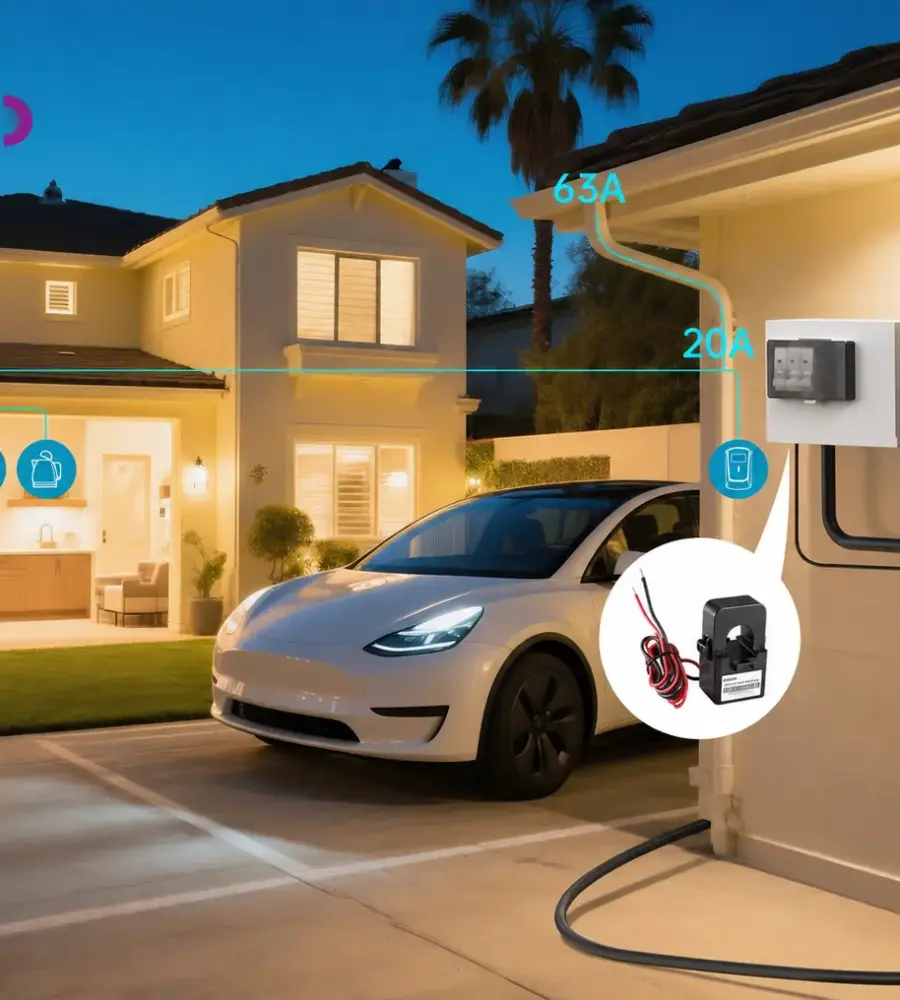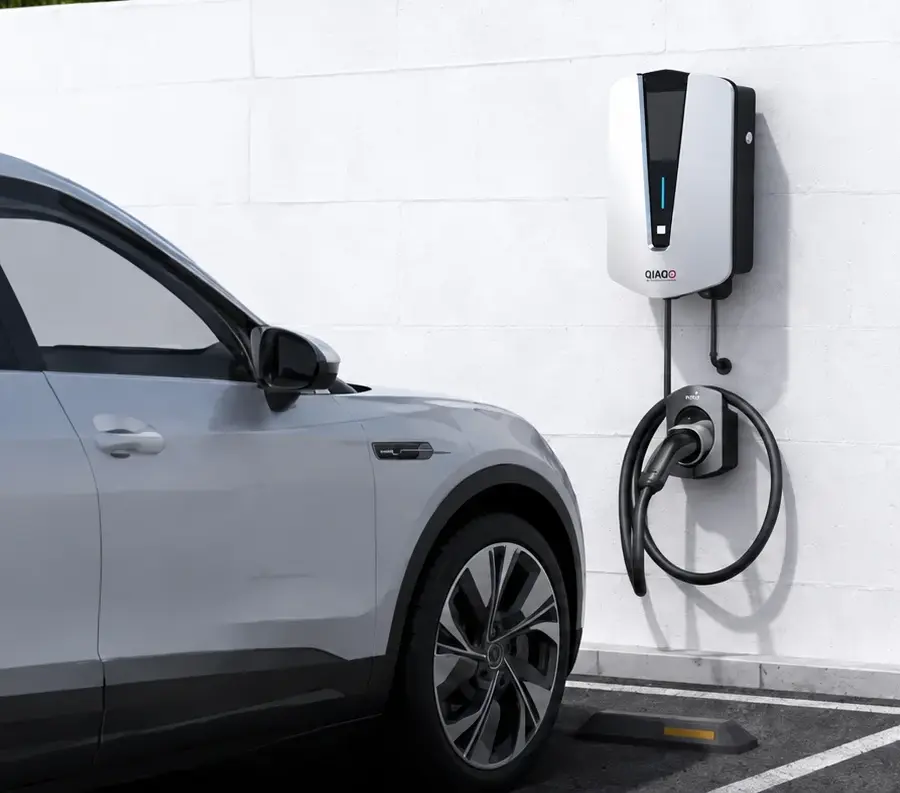

Consider load balancing for EV charging when your planned charging demand could exceed the available electrical capacity. This can happen with one home charger running alongside an oven or heat pump, or several chargers sharing a limited supply.
Dynamic load management adjusts charging as other electrical demand changes. It may help avoid or delay a supply upgrade, though a lower fixed charging rate or a fixed budget shared between chargers may already meet your needs.
The right choice depends on an electrical assessment, how much energy your vehicles need and how long they can stay plugged in.
Do You Need Load Balancing? A Quick Check
| Your Situation | What to Consider |
| An electrical assessment shows that a fixed charging rate can meet your daily needs within the installation’s limits. | A fixed limit may be enough, without dynamic adjustment. |
| Household or building demand changes considerably during charging hours. | Dynamic load management may help you use capacity as other loads rise and fall. |
| Several vehicles need to charge within a limited shared supply. | Assess power sharing. Control based on building demand may also be useful if other loads affect that supply. |
| Your vehicles need more energy than the available capacity can deliver before departure. | Assess supply upgrades, longer charging windows or charging elsewhere alongside load management. |
Power sharing divides a charging budget between vehicles. Energy Saving Trust explains that static load management uses a fixed allowance, while dynamic load management adjusts the available charging power as site demand changes. A system may combine power sharing with dynamic control.
Can a Single Home EV Charger Need Load Balancing?
Yes. A single home EV charger may need load management when charging alongside other appliances could exceed the home’s electrical capacity. The decision depends on combined demand, even when only one vehicle is connected.
An oven, heat pump or electric water heater may run while your car charges. When these loads leave little capacity for charging, dynamic load management can reduce the charging rate and increase it again when capacity becomes available
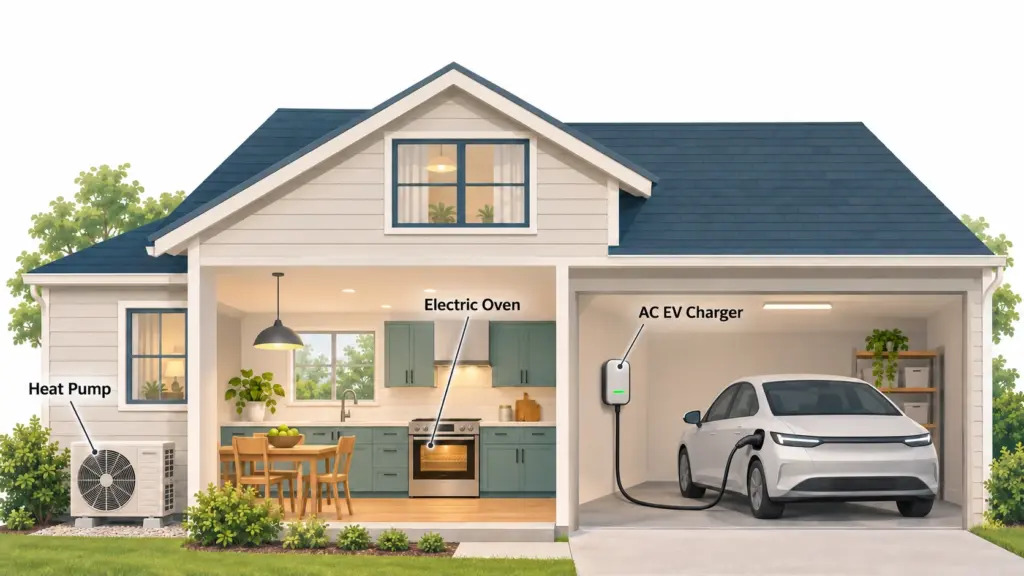
The main switch rating alone does not tell you whether this control is needed. An electrical assessment must account for the household loads and the supply, wiring and circuit limits. For a three-phase supply, the assessment must also consider the current on each phase, rather than total power alone. The fact that your breakers have not tripped does not show how much spare capacity is available.
A useful starting point is the fixed charging rate your installation can support. That rate may already meet your daily needs if your car stays plugged in overnight. Dynamic adjustment becomes more useful when a conservative fixed limit would leave you short of energy, but additional capacity is available during quieter periods.
Ask your installer to explain the permitted fixed charging rate and how the proposed load-management system would improve your charging options. Reassess the setup when adding another EV, a heat pump or other major electrical loads.
Do Multiple EV Chargers Always Need Load Balancing?
No. Several chargers can operate without shared load control when the electrical design allows their combined demand alongside other site loads. Charger count alone does not determine the need.
Power sharing becomes useful when several vehicles need to connect within a charging budget that cannot support all chargers at their intended rates. It can reduce the need to move one charging cable between vehicles, though charging may slow or pause depending on available capacity.
A fixed group budget may be enough when adequate capacity has been reserved for EV charging. Dynamic management is worth assessing when that budget also needs to change with household or building demand.
The proposed system should match how you use the vehicles:
- Simultaneous Charging: Can vehicles charge together at reduced rates, or does the system alternate between them?
- Power Reallocation: Can another vehicle receive more power when one stops charging or draws less?
- Vehicle Priority: Can the system prioritize a vehicle that needs to leave earlier?
These capabilities vary between systems. Two chargers with app control do not necessarily support coordinated power sharing, and different brands may require a compatible external controller.
The practical test is whether the proposed arrangement can deliver enough energy to each vehicle before departure, within the installation’s electrical limits.
When Should Commercial Sites Consider Load Management?
Commercial sites should assess load management when planned AC charging could exceed available capacity. Changing building demand and plans to add more charging points can also affect the choice.
The assessment should reflect how the site operates:
| Site | What Changes the Decision |
| Workplace Parking | Long stays may allow lower charging rates, while heating, cooling and equipment use can reduce spare capacity during the day. |
| Apartment Parking | Long stays may allow lower charging rates, while heating, cooling and equipment use can reduce spare capacity during the day. |
| Hotels | Overnight parking can provide a longer charging window, but evening charging may overlap with kitchen, laundry and building loads. |
| Fleet Depots | Vehicles may need substantial energy before a common departure time. Sharing power is useful only if the resulting charging plan still meets operational needs. |
Identify which capacity limit needs managing: the charger group, the garage feeder or the building’s main connection. A system that shares power between chargers may not account for demand elsewhere in the building.
For phased expansion, EV charging capacity planning should record current energy needs, parking times and expected additions. This helps distinguish what the first installation needs from what should be prepared for later.
Installing more charging points on an existing supply can improve access, but each additional vehicle still needs enough charging time and energy.
When Is a Lower Charging Rate or a Schedule Enough?
A lower fixed charging rate may be enough when it fits the assessed electrical capacity and delivers the energy you need before departure. Scheduling can help you choose charging hours, but it does not establish how much power the installation can support.
A Lower Fixed Charging Rate
You may not need the charger’s full output for daily use. A lower rate can cover routine driving when the car stays connected for several hours.
The fixed maximum should form part of the installation’s electrical design. A temporary reduction in an app should not be treated as the installation’s permanent limit. The design needs to account for the maximum charging demand that its settings allow.
A Fixed Budget Shared Between Chargers
Power sharing within a fixed group budget may be sufficient when that capacity has been allocated to EV charging alongside other building loads.
Compatible chargers can divide the budget between connected vehicles according to the system’s rules. The group does not necessarily need a budget that changes with building demand if its fixed allowance already meets charging needs.
Scheduled Charging
A schedule can move charging to a more convenient time or a cheaper tariff period. It may also reduce overlap with cooking or other predictable activities.
However, heat pumps, water heaters or another vehicle may still draw power during the scheduled window. A timer alone cannot respond to that combined demand. Charging must remain within suitable electrical limits throughout the session.
Is Dynamic Load Balancing Worth the Extra Cost?
Dynamic load balancing can be worth the extra cost when it helps avoid or delay a larger electrical upgrade. It may also improve daily charging by using capacity that a fixed limit would leave unused.
The value depends on what changes for your installation:
| Your Situation | How to Judge the Added Value |
| A lower fixed rate already covers daily charging. | Compare the extra cost with the convenience gained from faster charging when capacity is available. |
| A fixed limit leaves too little charging capacity, but other demand falls during the parking window. | Assess whether dynamic adjustment can deliver the required energy before departure. |
| More vehicles or major electrical loads are planned. | Compare preparing compatible controls now with modifying the installation later. |
Compare installed quotes for options that meet the same charging requirements. Include meters or sensors, controllers, wiring, setup and testing. Add any required software or service fees over the period you expect to use the system.
An upgrade may still be needed when the available supply cannot deliver enough energy within the charging window. In that case, load management may remain useful, but its cost should be assessed alongside the upgrade.
A useful proposal explains the cost difference, the charging performance expected and the assumptions behind that estimate.
Will Your EVs Still Get Enough Energy Before Departure?
Lower charging power can still meet daily needs when vehicles remain connected long enough. Compare the energy required with what the proposed charging arrangement can deliver before each vehicle leaves.
Illustrative Example: Two EVs each need 12 kWh from the supply, including charging losses. Both can stay plugged in for eight hours.
Their combined requirement is:
24 kWh ÷ 8 hours = 3 kW of average total charging power.
This is an average across the full parking window. Charging could be slower during busy household periods and faster later, provided enough capacity becomes available. The system must also deliver the right amount to each vehicle.
Three factors can change the result:
- Different Departure Times: A vehicle leaving earlier needs its energy within a shorter window, even if the other remains connected.
- Reduced Capacity or Pauses: Other electrical demand may limit charging for part of the night. The remaining hours must allow enough energy to be delivered.
- Vehicle Charging Limits: Each vehicle’s AC charging limit and minimum charging current affect how it can use the allocated power.
Use an estimate that includes charging losses and allows for normal variation in your driving and parking times. The average-power calculation is a starting point for planning; actual charging rates must suit the vehicles and installation.
Load management can distribute available capacity, but any remaining energy shortfall needs a change in supply, charging time or access to other charging.
What Information Should You Prepare for an Assessment?
Prepare details about your electrical supply, other loads and vehicle use. These help an installer compare fixed limits, power sharing and dynamic management against the same charging needs.
| Information | What to Provide |
| Existing Electrical Supply | Available electrical drawings, previous load assessments and utility supply information. |
| Other Major Loads | Equipment such as heat pumps, water heaters, ovens or machinery, including when it normally operates. |
| Vehicle Use | Vehicle models, typical daily mileage or charging energy, and arrival and departure times for each vehicle. |
| Existing Charging Equipment | Charger models, configured power limits and any shared-control equipment or management platform already in use. |
| Planned Changes | Additional vehicles, chargers or major electrical equipment, with an approximate timeline. |
Provide the information you already have. The installer can verify missing technical details during the assessment. Electricity bills offer useful background, but monthly energy use alone cannot establish spare electrical capacity.
The assessment should identify the limiting supply or circuit, the fixed charging rate or group budget available, and whether that allowance meets your charging needs.
A recommendation for dynamic management should explain what it improves over a fixed arrangement. Ask your installer to document the assumptions behind the recommendation, including other electrical demand, charging time and vehicle use.
FAQs
Retrofitting may be possible when the charger supports external charging limits or a compatible power-sharing function. Additional metering, a controller or communication wiring may be needed. The charger model and supported control functions determine whether the existing equipment can be retained.
Some systems manage charging through local wired or wireless connections without internet access. Others depend on cloud services. Internet access may still be needed for app features, setup or updates. The system’s design determines which functions remain available when the internet connection is lost. Also ask how the system limits charging if meter readings or local control communication become unavailable.
Both functions can operate together when the selected system supports their combined use. Solar charging controls can prioritize the use of available solar power, while load management keeps charging within configured electrical limits. Support for either function alone does not establish that both can run simultaneously.
Conclusion
Start with your daily energy needs, parking times and assessed electrical capacity. A fixed charging limit or shared budget may already be enough. Consider dynamic management when other electrical demand varies and using spare capacity would help meet your charging needs.
Before choosing equipment, ask your installer to compare suitable options and explain the expected charging performance, total installed cost and any remaining capacity limits.
About QIAO Charger
QIAO Charger develops and manufactures AC EV charging equipment with in-house R&D and production. Selected Type 2 configurations of our Q6 home EV charger and Q7 home EV charger support dynamic load balancing, with wired CT or wireless LoRa options depending on the configuration.
These configurations also support solar charging, and both functions can operate together.
Use the WhatsApp button on this page to share your vehicle model and charging needs. We can help identify product configurations that match the requirements established by your installer.