
As electricity costs rise and sustainability becomes a priority, businesses are exploring smarter ways to power EV charging.
One of the most effective approaches is:
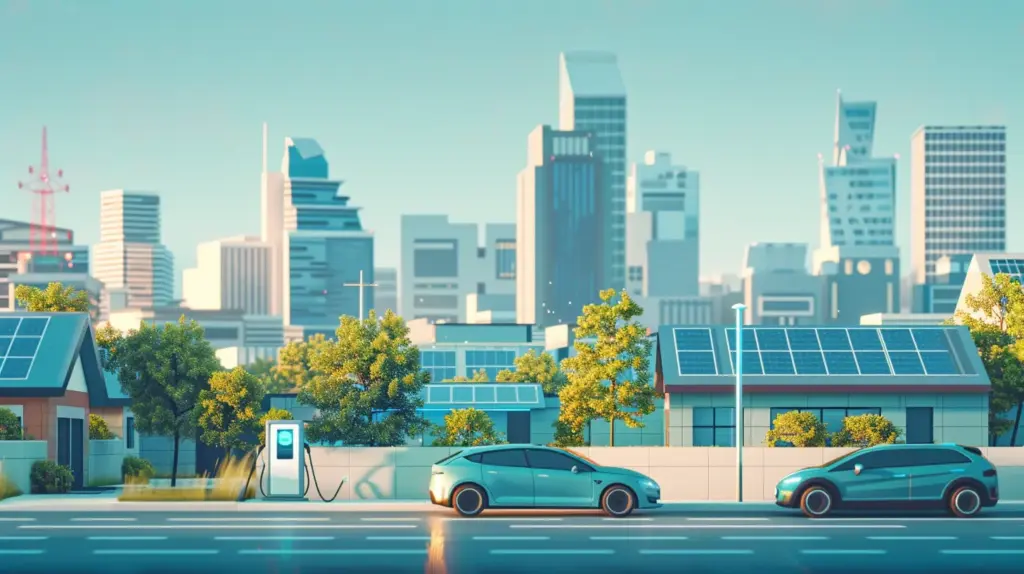
Combining solar energy with AC EV charging systems
This hybrid solution enables:
- Lower energy costs
- Reduced grid dependence
- Improved sustainability
What Is a Solar + AC Charging System?
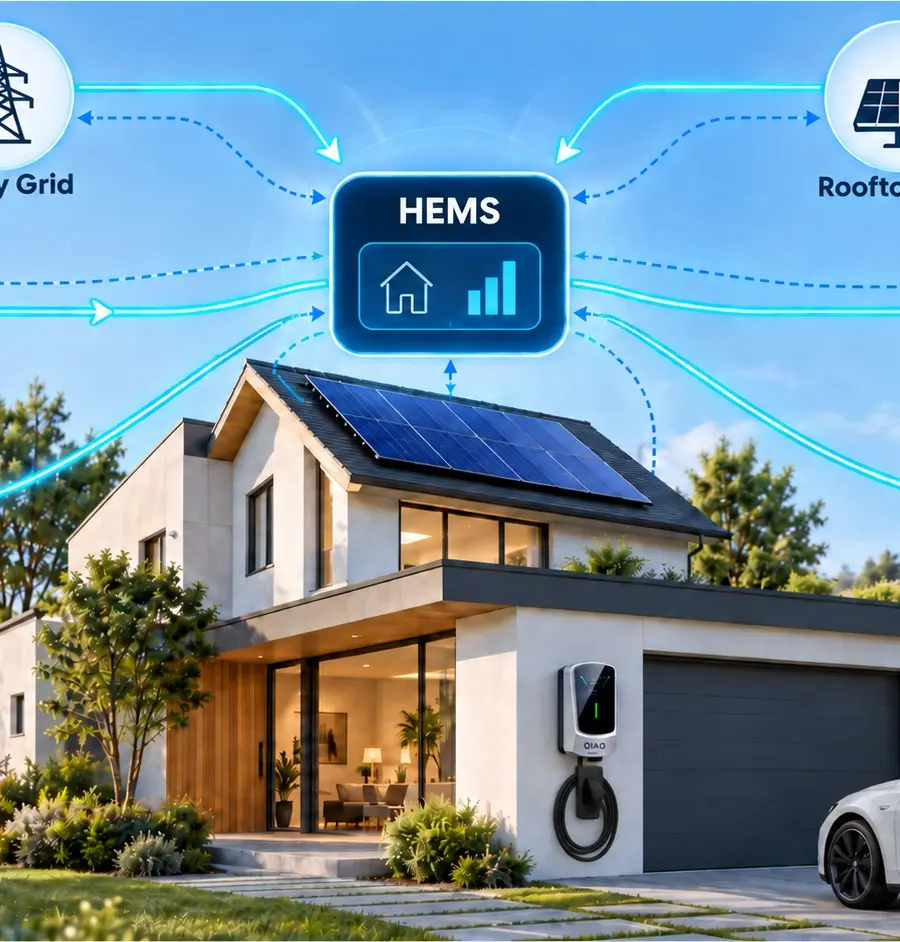
A solar-integrated EV charging system includes:
- Solar panels (PV system)
- Inverter
- AC EV chargers
- Optional energy storage (battery)
Energy flow:
Solar → Inverter → AC Charger → Vehicle
Why Combine Solar with AC Charging?
1. Cost Reduction
Solar energy can significantly reduce:
- Electricity bills
- Peak energy costs
2. Energy Independence
- Less reliance on grid power
- Protection from price fluctuations
3. Sustainability Goals
- Lower carbon footprint
- Support ESG initiatives
4. Long-Term ROI
- Initial investment offset by energy savings
- Increasing value over time
Solar + AC vs Grid-Only Charging
| Factor | Grid-Only Charging | Solar + AC Charging |
| Energy cost | High | Lower |
| Sustainability | Low | High |
| Energy source | Grid | Solar + Grid |
| ROI | Limited | Strong |
Insight:
Solar integration transforms charging from a cost center into a strategic asset.
Key Use Cases
1. Commercial Buildings
- Offices
- Shopping centers
Reduce operational energy costs
2. Fleet Charging Depots
- Overnight charging with solar support
Significant cost savings over time
3. Residential Complexes
- Shared solar infrastructure
4. Remote Locations
- Limited grid access
Solar becomes primary energy source
Role of AC Charging in Solar Integration
AC charging is particularly suitable because:
- Lower power demand
- Better alignment with solar generation
- Easier system integration
Ideal for:
- Daytime charging
- Long-duration charging
With or Without Energy Storage?
Without Battery
- Lower initial cost
- Uses solar when available
- Relies on grid when needed
With Battery Storage
- Store excess solar energy
- Use at night
Higher cost but greater flexibility
Cost & ROI Overview
| Component | Cost Impact | ROI Contribution |
| Solar panels | Medium–High | High |
| AC chargers | Medium | Medium |
| Battery storage | High | Long-term |
Insight:
ROI depends on energy usage patterns and local electricity pricing.
Challenges to Consider
- Initial investment cost
- Space requirements for solar panels
- System design complexity
Proper planning is essential.
How to Optimize Solar + EV Charging Systems
1. Align Charging with Solar Generation
- Encourage daytime charging
2. Use Smart Energy Management
- Balance solar and grid usage
3. Implement Load Management
- Avoid peak demand charges
4. Monitor System Performance
- Optimize efficiency over time
Where QIAO Fits In
At QIAO, we provide:
- AC EV charging solutions designed for solar integration
- Supporting:
- Commercial deployments
- Fleet charging systems
- Scalable infrastructure
Our solutions help clients:
- Maximize solar utilization
- Reduce energy costs
- Improve system efficiency
Turning EV charging into a sustainable and cost-effective solution
Future Trends
- Solar + EV charging will become mainstream
- Smart charging systems will integrate AI optimization
- Energy storage adoption will increase
The future is:
Integrated, intelligent, and sustainable charging systems
FAQ
1. Can solar panels power EV chargers?
Yes, solar energy can directly supply AC EV chargers.
2. Is solar EV charging cost-effective?
Yes, especially in regions with high electricity prices.
3. Do I need batteries for solar charging?
Not always, but they improve flexibility.
4. Is AC charging better for solar integration?
Yes, due to lower power demand and flexibility.
5. What is the ROI of solar EV charging?
It depends on usage, location, and system design.