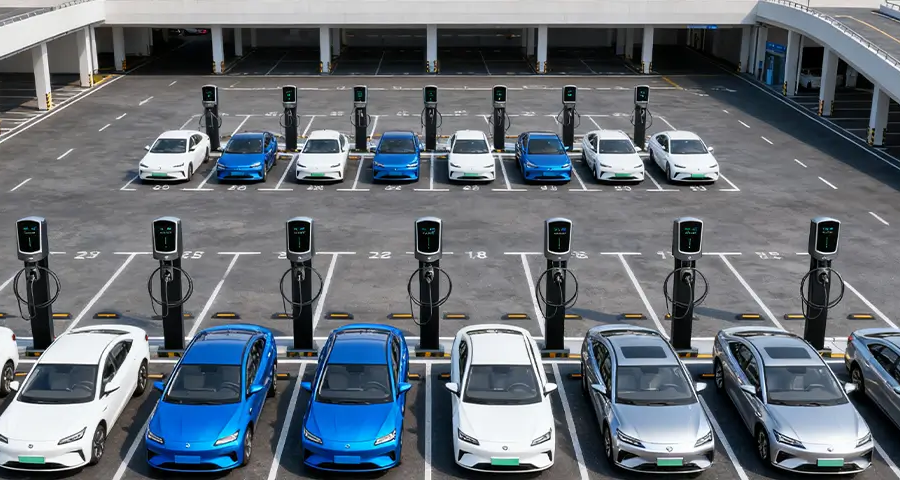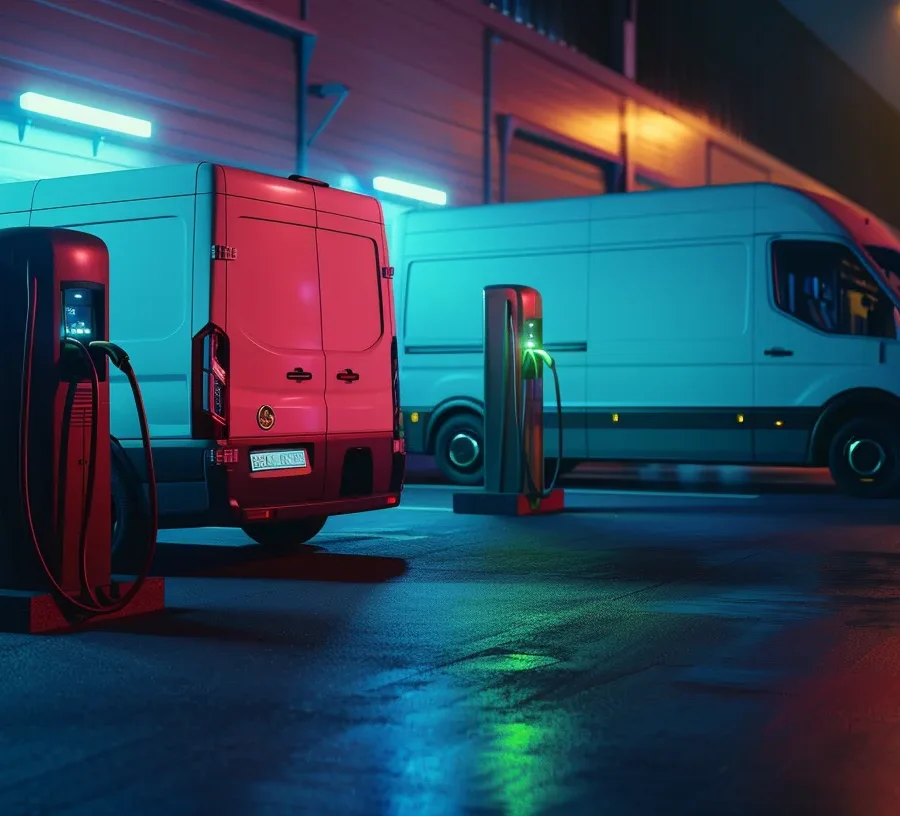

Fleet electrification is accelerating across logistics, service vehicles, corporate fleets, and public-sector transportation. While early EV adoption often focused on DC fast charging, a clear shift is underway: most fleets are now prioritizing AC charging combined with smart energy management.
This transition is driven by cost efficiency, operational predictability, and the growing maturity of smart charging technologies.
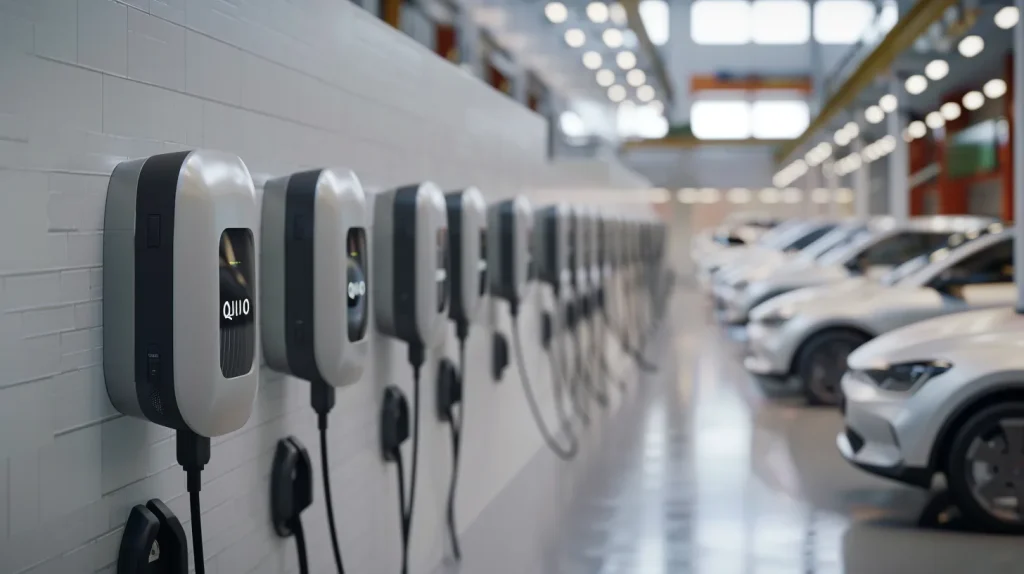
Fleet Charging Has Different Priorities Than Public Charging
Unlike public fast-charging networks, fleet charging is:
- Predictable and scheduled
- Centralized at depots or company facilities
- Focused on overnight or long-dwell charging
These characteristics make AC charging the most practical foundation for fleet electrification.
Why AC Charging Fits Fleet Operations
AC chargers align naturally with how fleets operate on a daily basis.
Key advantages of AC charging for fleets:
- Lower equipment and installation costs
- Reduced grid upgrade requirements
- Easier scaling as fleet size grows
- Better compatibility with existing electrical infrastructure
For vehicles parked for several hours, AC charging delivers sufficient energy without unnecessary complexity.
The Role of Smart Charging in Fleet Electrification
Smart charging transforms AC chargers from simple power outlets into managed energy assets.
Core smart charging capabilities include:
- Dynamic load balancing to protect the grid
- Charging schedules aligned with vehicle dispatch times
- Peak demand control to reduce energy costs
- Remote monitoring and fault diagnostics
Together, these features ensure vehicles are charged when needed, not simply as fast as possible.
Cost Efficiency: A Major Driver of the AC + Smart Model
Fleet electrification decisions are heavily influenced by total cost of ownership (TCO).
Cost comparison overview:
| Cost Factor | DC Fast Charging | AC + Smart Charging |
| Charger hardware | High | Low |
| Grid upgrades | Significant | Minimal |
| Energy management | Limited | Advanced |
| Scalability | Complex | Flexible |
| Long-term OPEX | Higher | Lower |
For most fleets, AC charging combined with smart control delivers the lowest long-term cost per kilometer.
Grid Stability and Load Management at Scale
As fleets grow, unmanaged charging can quickly overload local grids.
Smart AC charging enables:
- Power sharing across multiple vehicles
- Automatic adjustment based on available capacity
- Seamless integration with building energy systems
This approach avoids costly infrastructure upgrades while maintaining charging reliability.
Data, Visibility, and Operational Control
Modern fleet charging systems provide valuable operational insights:
- Vehicle charging history
- Energy consumption per vehicle
- Charger utilization rates
- Fault alerts and maintenance status
These data points help fleet managers optimize route planning, maintenance schedules, and energy contracts.
Supporting Mixed and Expanding Fleets
AC + smart charging supports:
- Mixed vehicle types and battery sizes
- Gradual fleet electrification
- Future expansion without system redesign
This flexibility is critical for fleets transitioning over multiple years.
Sustainability and Corporate Energy Strategy
Beyond cost savings, smart AC charging enables fleets to:
- Charge during low-carbon energy periods
- Integrate with solar or on-site energy storage
- Support corporate ESG and sustainability goals
Fleet electrification becomes part of a broader energy optimization strategy, not just vehicle replacement.
Key Takeaways for Fleet Operators
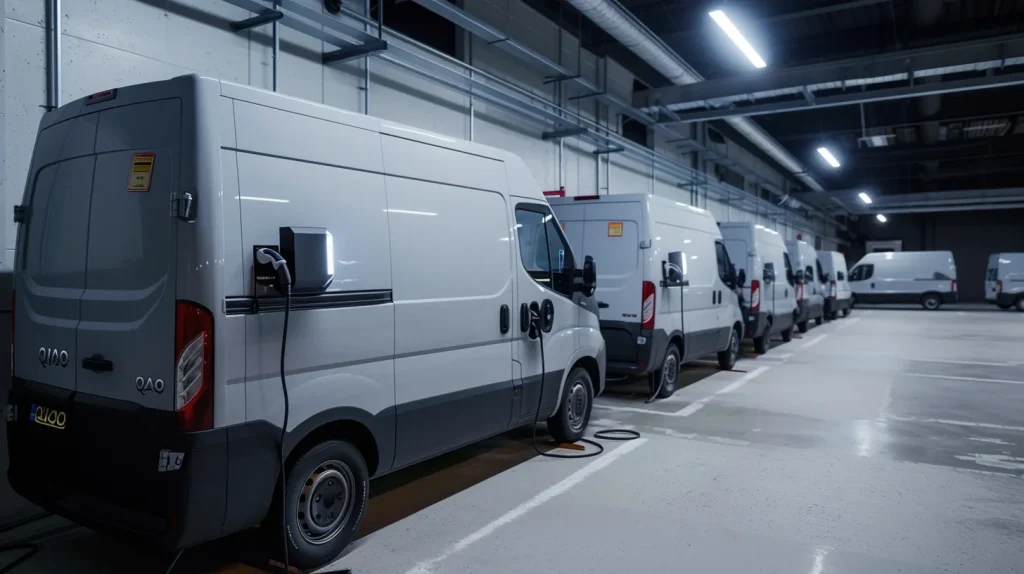
- AC charging matches fleet dwell-time patterns
- Smart charging minimizes grid impact and energy cost
- AC + smart solutions scale efficiently with fleet growth
- Data-driven management improves operational reliability
For most fleet depots, AC + smart charging is the most future-proof choice.
QIAO: Smart AC Charging for Fleet Electrification
At QIAO EV Charger, we provide commercial-grade AC charging solutions designed specifically for fleet applications.
Our wall-mounted and portable AC chargers support:
- Smart load balancing and scheduling
- OCPP-based remote management
- Scalable deployment for growing fleets
- Reliable operation in indoor and outdoor fleet depots
QIAO helps fleet operators transition to electrification with control, efficiency, and long-term cost confidence.