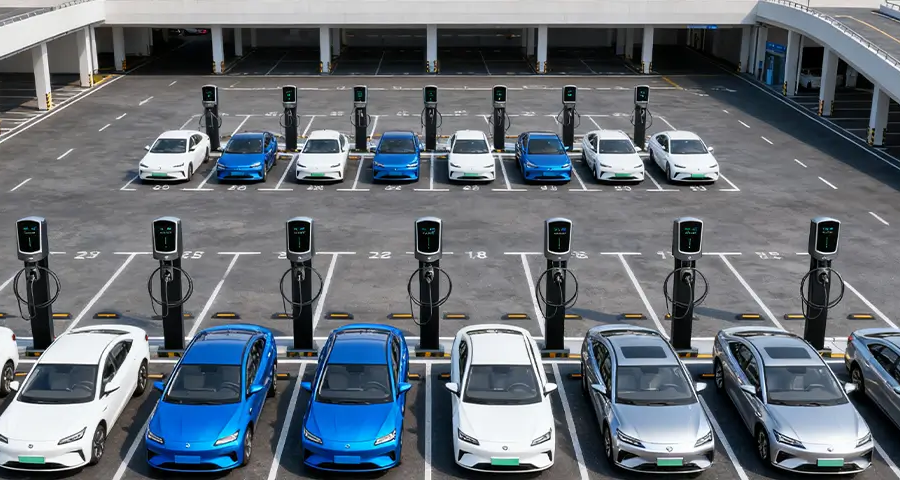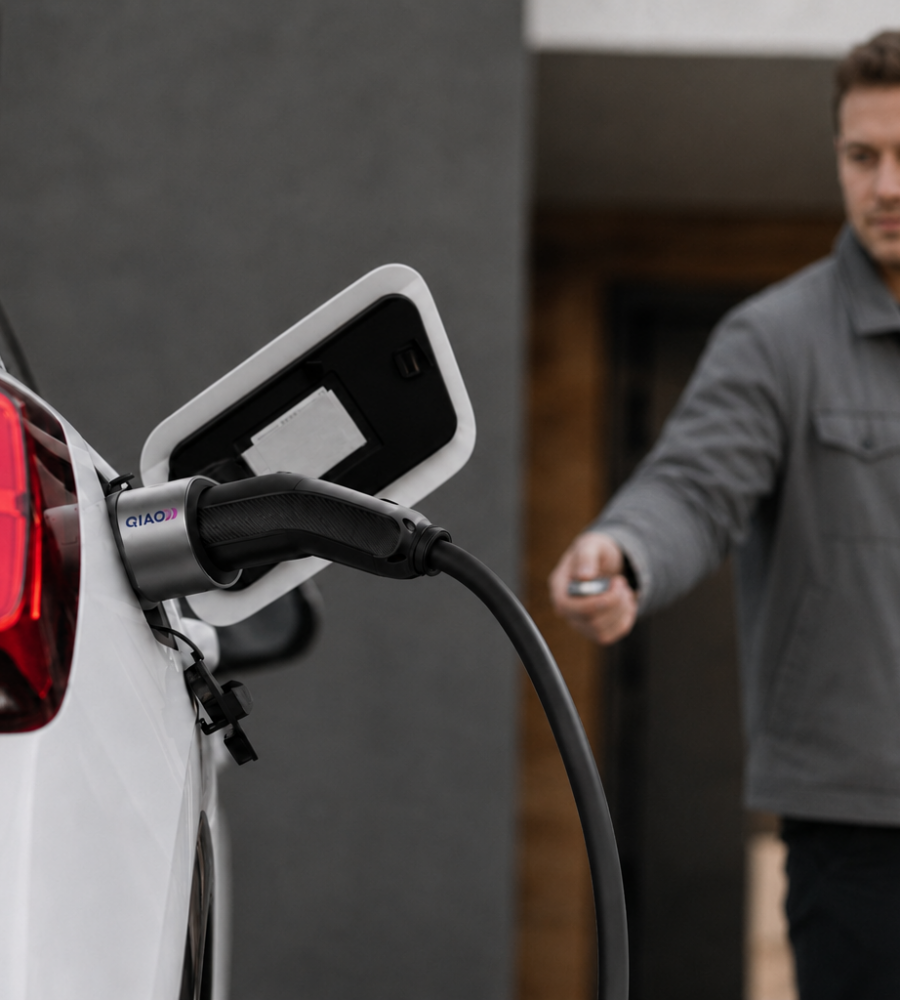

As electric vehicle adoption continues to grow globally, many chain brands and multi-location businesses are installing EV charging stations to attract customers and support sustainability goals.
However, operating charging infrastructure across dozens or even hundreds of locations introduces new challenges. Without a unified system, businesses may face high maintenance costs, inconsistent user experiences, and operational inefficiencies.
A unified EV charging system allows chain brands to manage all charging stations through a centralized platform, significantly reducing long-term maintenance and operational expenses.
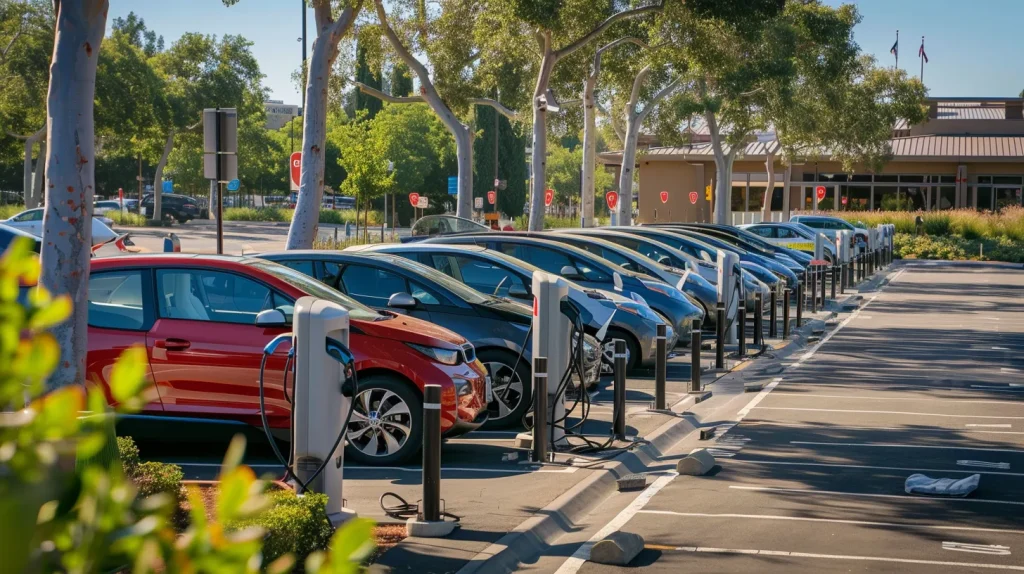
Why Maintenance Costs Increase for Multi-Location Charging Networks
For businesses operating multiple locations, EV charging infrastructure can become difficult to manage when different systems or hardware are used.
Common challenges include:
- inconsistent charger models across locations
- multiple management platforms
- complicated maintenance workflows
- lack of centralized monitoring
Large organizations often rely on standardized technology platforms to maintain operational efficiency. Many charging networks today rely on open communication standards such as the protocol developed by the Open Charge Alliance.
Open Charge Point Protocol reference:
https://www.openchargealliance.org/protocols/ocpp/
A unified charging system helps solve these operational challenges.
What Is a Unified EV Charging System?
A unified EV charging system refers to a centralized charging infrastructure platform that allows companies to manage chargers across multiple sites using a single system.
Key components typically include:
- standardized charging hardware
- cloud-based management software
- centralized monitoring tools
- remote diagnostics and updates
This centralized approach simplifies both technical maintenance and operational management.
Key Ways Unified Charging Systems Reduce Maintenance Costs
Centralized Monitoring and Diagnostics
One of the biggest advantages of unified charging platforms is the ability to monitor chargers remotely.
Operators can track:
- charger status
- charging sessions
- system errors
- network connectivity
Remote monitoring helps detect issues early and often allows technicians to resolve problems without visiting the site.
Smart charging management systems are increasingly used across modern charging networks.
Smart charging concept reference:
https://en.wikipedia.org/wiki/Smart_charging
Standardized Hardware Across Locations
When chain brands use the same charger model across all locations, maintenance becomes much easier.
Benefits include:
- simplified spare parts management
- faster technician training
- predictable maintenance procedures
Standardization is commonly used in industries such as retail and hospitality to improve operational efficiency.
Remote Firmware Updates
Modern EV chargers support remote firmware updates, allowing software improvements or bug fixes to be deployed without physical access to the device.
This reduces the need for on-site maintenance visits and ensures that all chargers remain up to date.
Many modern charging networks implement software updates through centralized management platforms.
Unified Data and Reporting
Centralized platforms provide access to charging data across all locations.
Operators can analyze:
- charger utilization rates
- energy consumption
- system reliability
This data helps companies identify issues early and optimize infrastructure performance.
Data-driven infrastructure management is widely used in modern energy systems.
Energy management system reference:
https://en.wikipedia.org/wiki/Energy_management_system
Benefits for Chain Businesses
Unified charging infrastructure offers several advantages for chain brands.
Lower Operational Costs
Centralized management reduces technician visits and simplifies maintenance workflows.
Consistent Customer Experience
Customers visiting different locations of the same brand can expect a consistent charging experience.
This is particularly important for brands operating across large regions.
Scalable Infrastructure
A unified system allows new charging stations to be added easily as businesses expand to new locations.
Better Network Reliability
Standardized hardware and centralized monitoring improve overall system stability and uptime.
Industries That Benefit from Unified Charging Systems
Many industries operate multiple locations and can benefit from centralized EV charging infrastructure.
Examples include:
- retail chains
- hotel groups
- restaurant franchises
- shopping centers
- parking operators
For these businesses, charging infrastructure becomes part of a large operational network rather than a single installation.
Future Trends in Multi-Location Charging Networks
As EV adoption continues to grow, multi-location charging networks will likely adopt more advanced technologies.
Emerging trends include:
- cloud-based charging management platforms
- predictive maintenance systems
- AI-driven energy optimization
- integration with renewable energy sources
These innovations will further reduce maintenance costs while improving charging network reliability.
Conclusion
For chain brands operating multiple locations, EV charging infrastructure can become complex and expensive to maintain if systems are not standardized.
By implementing a unified EV charging system, businesses can simplify operations, reduce maintenance costs, and deliver a consistent charging experience across their entire network.
Centralized management platforms, standardized hardware, and remote monitoring technologies are key to building scalable and efficient charging networks.
About QIAO
QIAO provides commercial EV charging solutions designed for multi-location deployments, including retail chains, hotels, corporate campuses, and parking operators.
Our charging systems support:
- centralized management platforms
- smart load balancing
- remote monitoring and diagnostics
- scalable deployment across multiple sites
With unified charging infrastructure, QIAO helps businesses reduce maintenance costs while building reliable EV charging networks.
FAQ
What is a unified EV charging system?
A unified charging system allows multiple charging stations across different locations to be managed through a single platform.
Why is standardization important for charging networks?
Using the same charger models and management systems simplifies maintenance and reduces operational complexity.
Can EV chargers be monitored remotely?
Yes. Modern charging stations can be monitored and managed remotely through cloud-based charging platforms.Do unified systems reduce maintenance visits?
Yes. Remote diagnostics and firmware updates can solve many issues without sending technicians on-site.