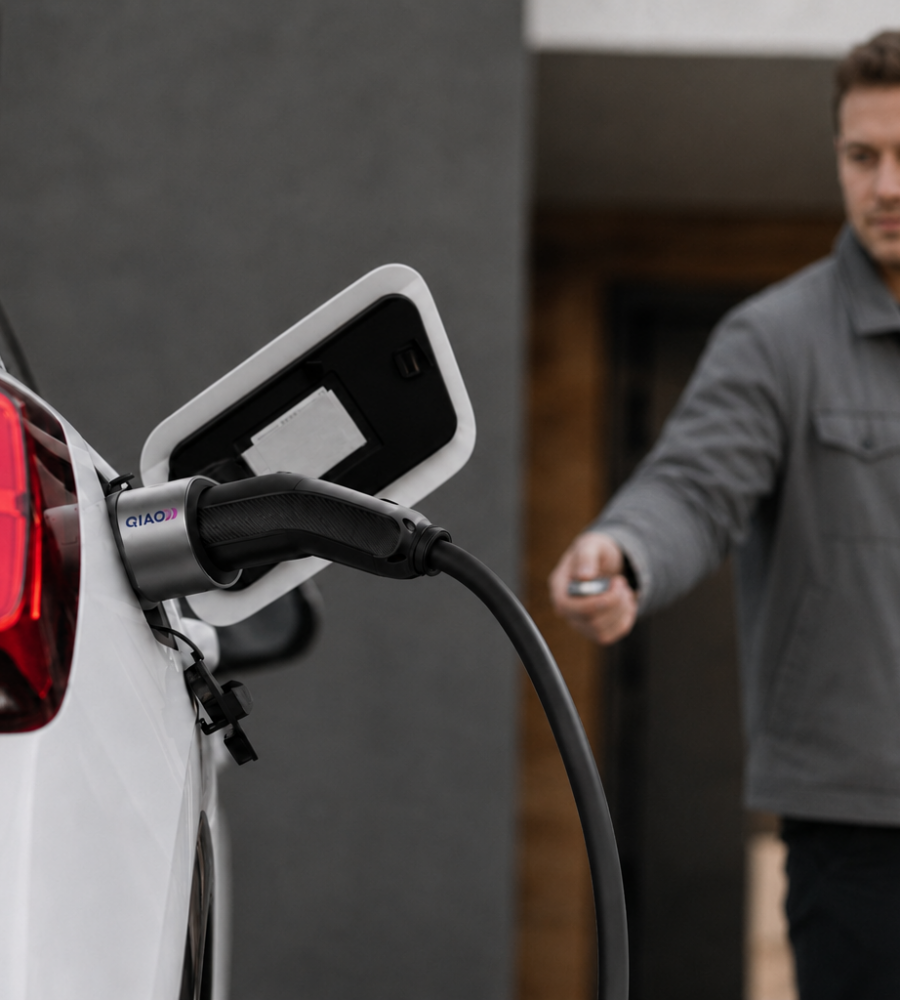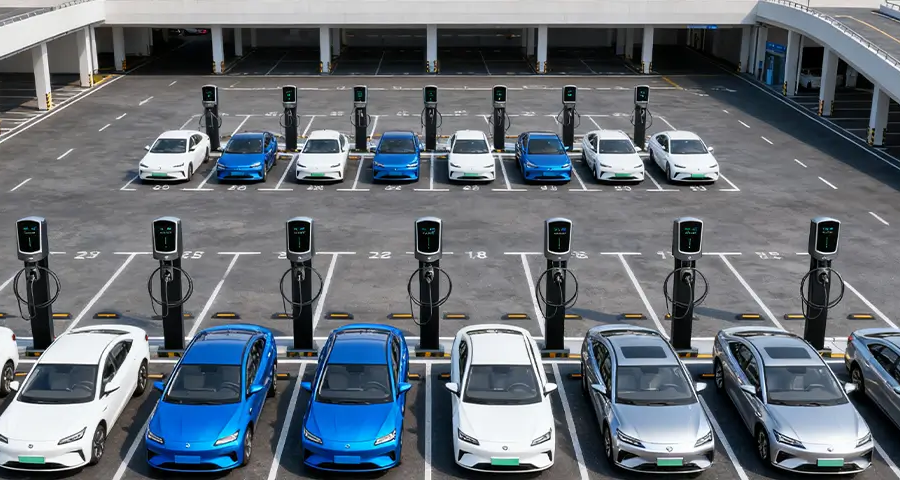

As the global electric vehicle market continues to expand, demand for EV charging infrastructure is growing rapidly. Businesses, property developers, and charging network operators are increasingly looking for reliable EV charger suppliers to support their charging infrastructure projects.
However, choosing the right supplier is critical. The quality of the charging hardware, technical support, and system compatibility can directly affect the long-term performance and profitability of a charging network.
This guide explains what an EV charger supplier does and how businesses can choose the right partner for their charging infrastructure projects.
What Does an EV Charger Supplier Do?
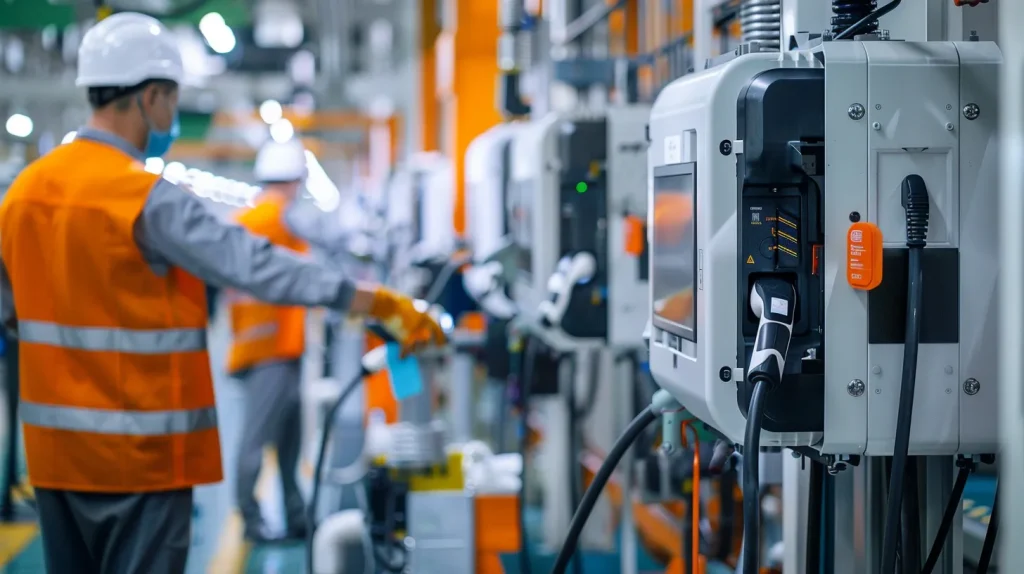
An EV charger supplier provides electric vehicle charging equipment and related services for commercial, public, or residential installations.
Typical offerings from suppliers include:
- AC EV charging stations
- DC fast charging stations
- charging management software
- installation support
- after-sales service and maintenance
Many suppliers also provide solutions designed for specific scenarios such as workplaces, parking facilities, hotels, or fleet depots.
The global EV charging infrastructure market continues to expand rapidly, according to research from the International Energy Agency.
Global EV infrastructure data:
https://www.iea.org/reports/global-ev-outlook
This growth has led to increasing demand for experienced charging equipment suppliers.
Types of EV Chargers Offered by Suppliers
EV charger suppliers typically offer several categories of charging equipment depending on power level and application.
AC Charging Stations
AC chargers are commonly used for:
- residential charging
- workplaces
- hotels
- commercial parking lots
These chargers usually provide 7 kW to 22 kW of charging power.
Charging level explanation from the U.S. Department of Energy:
https://www.energy.gov/eere/electricvehicles/charging-electric-vehicles
AC chargers are widely used because they are:
- cost-effective
- easier to install
- ideal for longer parking durations
DC Fast Chargers
DC chargers deliver much higher charging power, often between 50 kW and 350 kW.
They are commonly deployed at:
- highway charging stations
- fleet depots
- public charging hubs
Fast charging infrastructure allows drivers to recharge vehicles in a shorter time compared to AC charging.
Key Factors When Choosing an EV Charger Supplier
Selecting the right supplier involves evaluating both the technology and the long-term support capabilities.
Product Certification and Safety Standards
Reliable EV chargers should comply with international safety standards.
Examples include:
- IEC electrical safety standards
- CE certification
- UL certification
Electrical safety standards overview:
https://en.wikipedia.org/wiki/IEC_standards
Certified equipment helps ensure safe and reliable operation.
Compatibility with Charging Protocols
Modern EV charging networks rely on communication protocols such as OCPP (Open Charge Point Protocol).
OCPP compatibility allows charging stations to connect with different backend platforms and charging networks.
This flexibility prevents vendor lock-in and simplifies system expansion.
Smart Charging Capabilities
Advanced EV chargers include smart charging features that help optimize energy usage.
These features can include:
- load balancing
- energy management
- remote monitoring
- charging data analytics
Smart charging concept:
https://en.wikipedia.org/wiki/Smart_charging
Smart charging helps operators manage multiple chargers efficiently while reducing electricity costs.
Installation and Technical Support
A reliable EV charger supplier should provide:
- installation guidance
- system configuration
- technical documentation
- after-sales support
Charging infrastructure projects often require collaboration between suppliers, installers, and site operators.
Why Businesses Need Professional EV Charger Suppliers
Businesses installing EV charging infrastructure often face complex technical and operational requirements.
Professional suppliers help address challenges such as:
- electrical capacity planning
- charger placement optimization
- system scalability
- charging network management
Working with experienced suppliers can significantly reduce deployment risks.
The Future of EV Charging Supply
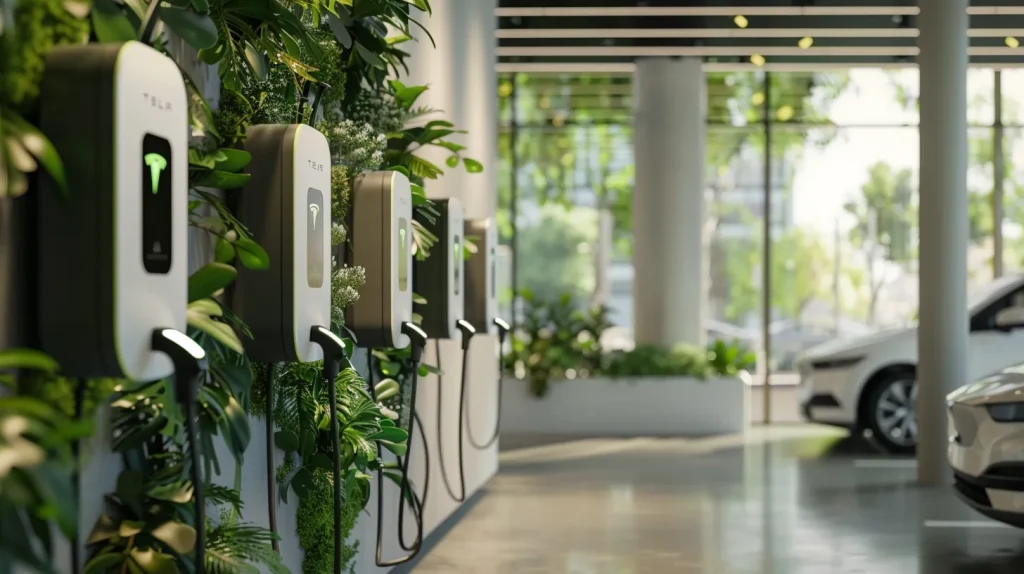
The EV charging industry is expected to grow significantly in the coming years as governments encourage electrification.
According to forecasts from the International Energy Agency, global EV adoption will continue expanding through the next decade.
This growth will increase demand for:
- reliable EV charging hardware
- scalable charging infrastructure
- smart energy management solutions
EV charger suppliers will play a key role in supporting this transition.
Conclusion
Choosing the right EV charger supplier is an important decision for businesses investing in electric vehicle infrastructure.
A reliable supplier should offer:
- certified charging equipment
- compatibility with open communication standards
- scalable charging solutions
- long-term technical support
With the right partner, businesses can build efficient and future-ready EV charging networks.
About QIAO
QIAO is a professional EV charger supplier providing AC charging solutions for global commercial applications.
Our charging systems support:
- smart load management
- OCPP compatibility
- scalable charging infrastructure
- reliable commercial deployment
QIAO helps businesses, property owners, and charging operators deploy efficient and future-ready EV charging solutions.
FAQ
What does an EV charger supplier provide?
An EV charger supplier provides charging hardware, system software, and technical support for EV charging installations.
What should businesses look for in an EV charger supplier?
Businesses should evaluate product certification, protocol compatibility, smart charging features, and technical support.
Are AC chargers suitable for commercial installations?
Yes. AC chargers are widely used in workplaces, hotels, and commercial parking facilities.
Why is OCPP important for EV chargers?
OCPP enables communication between charging stations and management platforms, allowing flexible network management.