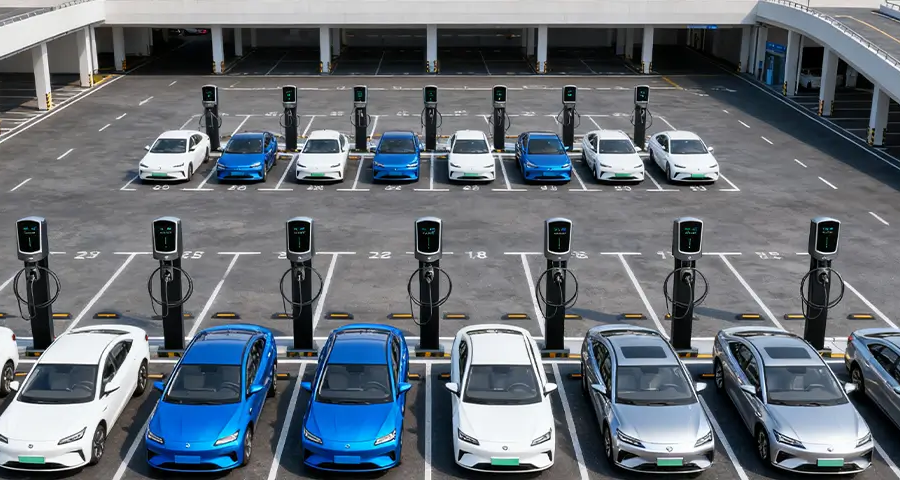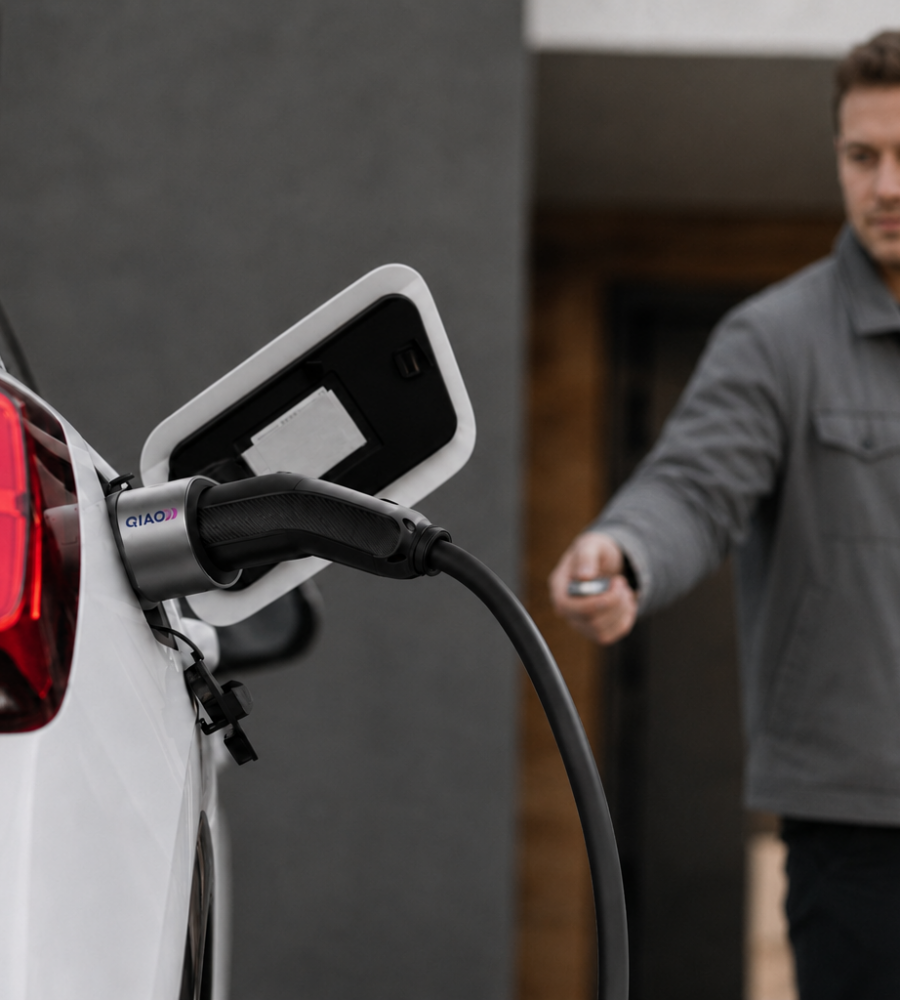

As electric vehicles become more common worldwide, businesses and property owners are investing in EV charging infrastructure. Installing charging stations, however, requires specialized electrical knowledge and infrastructure planning. This is where EV charging station contractors play a critical role.
Professional contractors help design, install, and maintain charging infrastructure while ensuring compliance with electrical safety standards and local regulations.
In this guide, we explain what EV charging station contractors do and how businesses can select the right installation partner.
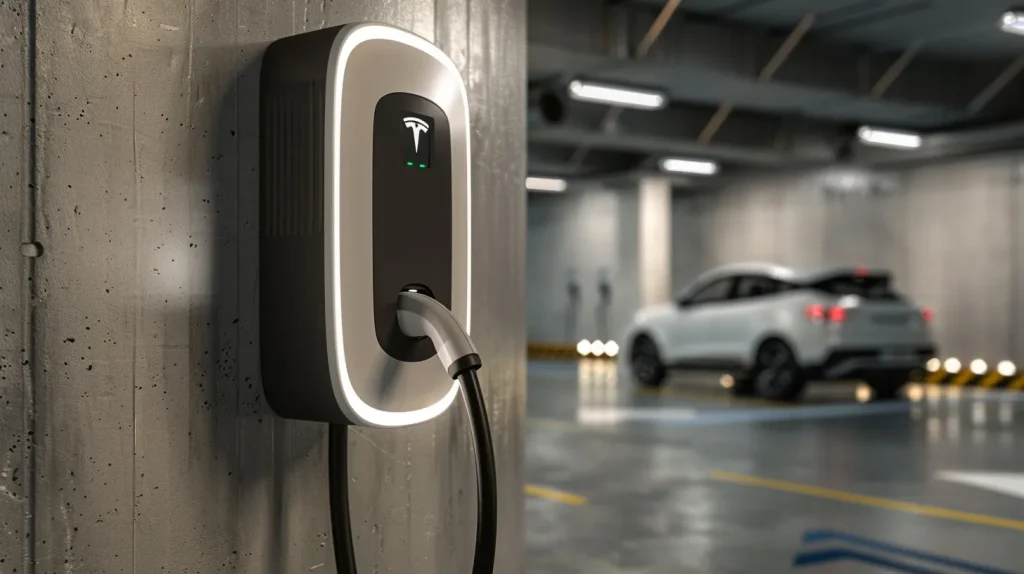
What Do EV Charging Station Contractors Do?
EV charging station contractors are certified professionals responsible for installing and configuring EV charging infrastructure.
Their responsibilities typically include:
- electrical system assessment
- charger installation
- wiring and power distribution
- system testing and commissioning
- maintenance and troubleshooting
Many contractors work with property developers, municipalities, and businesses to deploy charging networks.
The rapid expansion of EV infrastructure worldwide has increased demand for experienced installers, according to research from the International Energy Agency.
EV infrastructure outlook:
https://www.iea.org/reports/global-ev-outlook
Why Professional Installation Is Important
Installing EV charging stations involves more than simply connecting equipment to a power source.
Charging infrastructure must integrate safely with the building’s electrical system and comply with electrical safety standards.
Electrical installation guidelines are often based on frameworks such as the National Fire Protection Association National Electrical Code (NEC).
NEC overview:
https://en.wikipedia.org/wiki/National_Electrical_Code
Proper installation ensures:
- electrical safety
- system reliability
- long-term charging performance
Key Services Provided by EV Charging Contractors
Professional contractors usually provide several services during a charging infrastructure project.
Site Assessment
Before installation begins, contractors evaluate the electrical capacity of the site.
This process may include:
- analyzing electrical panels
- evaluating transformer capacity
- estimating future charging demand
Electrical load planning is essential when installing multiple chargers.
Infrastructure Design
Contractors help design the layout of the charging system, including:
- charger placement
- wiring routes
- network connectivity
Infrastructure planning also considers vehicle parking patterns and user accessibility.
Charger Installation
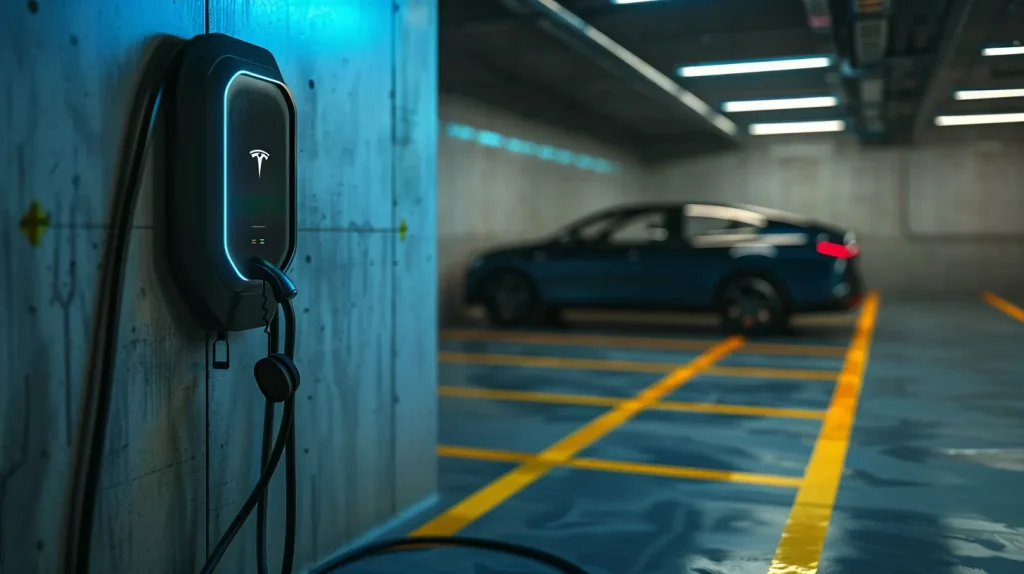
After planning is completed, contractors install the charging hardware.
This may involve:
- mounting charging stations
- installing protective equipment
- connecting electrical circuits
Most commercial installations use Level 2 AC chargers, which typically provide 7–22 kW of power.
Charging level explanation from the U.S. Department of Energy:
https://www.energy.gov/eere/electricvehicles/charging-electric-vehicles
System Integration
Modern EV chargers often connect to software platforms that monitor and manage charging sessions.
Many systems use OCPP (Open Charge Point Protocol) to enable communication between charging stations and network platforms.
Protocol overview:
https://en.wikipedia.org/wiki/Open_Charge_Point_Protocol
This integration allows operators to remotely monitor chargers and manage charging networks.
How to Choose the Right EV Charging Contractor
Selecting the right contractor is essential for ensuring a successful charging infrastructure project.
Electrical Certification and Licensing
Professional contractors should have valid electrical licenses and certifications required by local regulations.
This ensures that installation work meets safety standards.
Experience With EV Infrastructure
EV charging systems have unique requirements compared to standard electrical installations.
Experienced contractors understand issues such as:
- load management
- network connectivity
- charger compatibility
Knowledge of Smart Charging Systems
Advanced installations often include smart charging features such as load balancing and energy optimization.
Smart charging overview:
https://en.wikipedia.org/wiki/Smart_charging
Contractors familiar with these technologies can help businesses deploy more efficient charging systems.
Commercial Applications for EV Charging Contractors
EV charging contractors support a wide range of infrastructure projects.
Common applications include:
- office building charging stations
- apartment and residential communities
- hotels and hospitality properties
- fleet charging depots
- public parking facilities
As EV adoption grows, these installations are becoming common in commercial real estate and urban infrastructure.
The Future Demand for EV Charging Installation
The global transition to electric mobility is driving large-scale investments in charging infrastructure.
Governments and businesses are expanding charging networks to support growing EV adoption.
According to the International Energy Agency, millions of new public charging points will be required worldwide over the next decade.
IEA EV outlook:
https://www.iea.org/reports/global-ev-outlook
This rapid expansion will continue increasing demand for skilled EV charging station contractors.
Conclusion
EV charging station contractors play an essential role in building safe, reliable charging infrastructure.
From electrical system assessments to full installation and system integration, experienced contractors ensure that charging stations operate efficiently and comply with safety standards.
Businesses planning EV charging projects should work with qualified contractors and reliable charging equipment suppliers to ensure long-term success.
About QIAO
QIAO provides commercial AC EV charging solutions designed for global deployment.
Our charging systems support:
- OCPP-compatible connectivity
- smart load management
- scalable infrastructure deployment
- reliable commercial charging applications
QIAO works with installation contractors, property developers, and businesses to deliver efficient EV charging solutions for modern infrastructure.
FAQ
What does an EV charging station contractor do?
They install and configure EV charging infrastructure, including electrical wiring, charger installation, and system testing.
Do EV chargers require professional installation?
Yes. Commercial EV charging stations require licensed electricians to ensure safe electrical integration.
What should businesses look for in a contractor?
Businesses should evaluate licensing, EV infrastructure experience, and knowledge of smart charging technologies.
Can contractors install both AC and DC chargers?
Many contractors can install both, depending on their electrical certification and project experience.