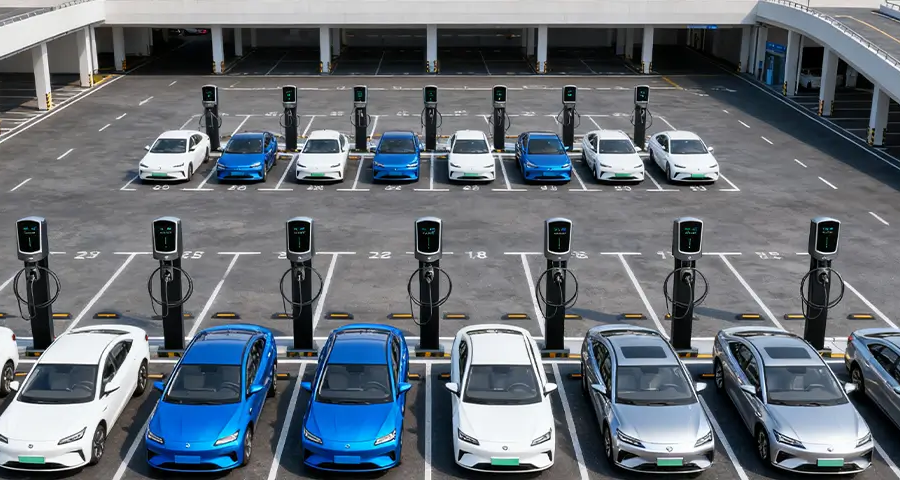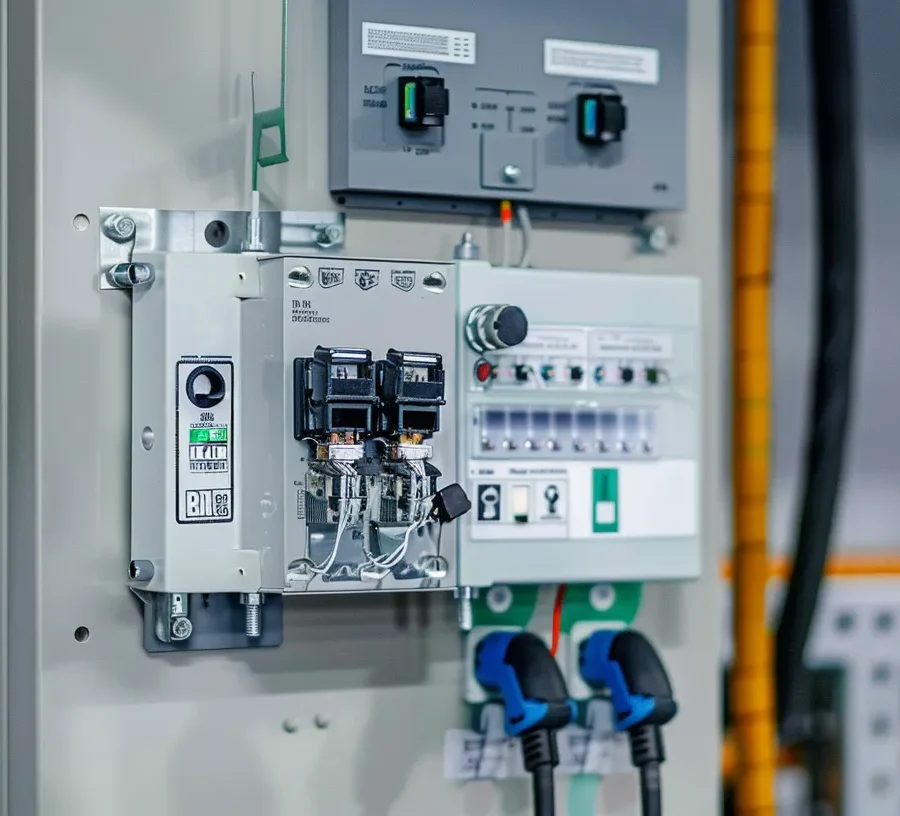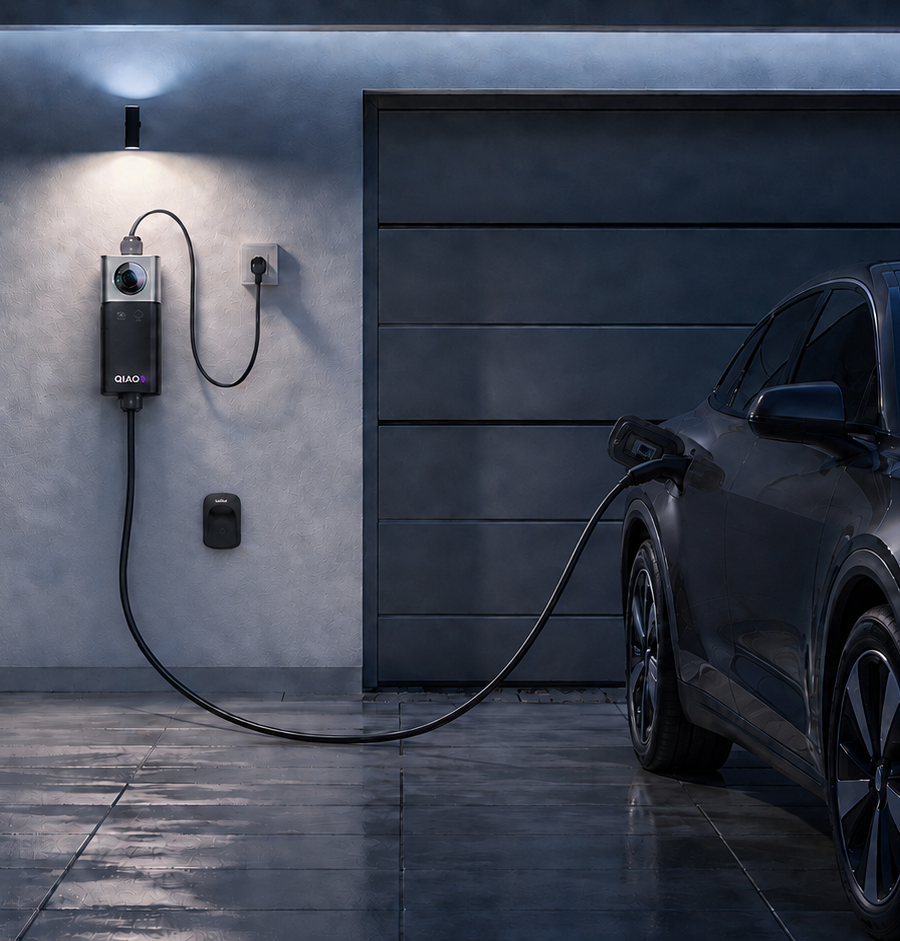

Selecting the right installation location for a wall-mounted AC EV charger is a critical step that directly affects:
- safety
- charging efficiency
- equipment lifespan
- user experience
One of the most common questions is:
Should the charger be installed indoors or outdoors?
This guide explains the key differences and provides a practical decision framework.
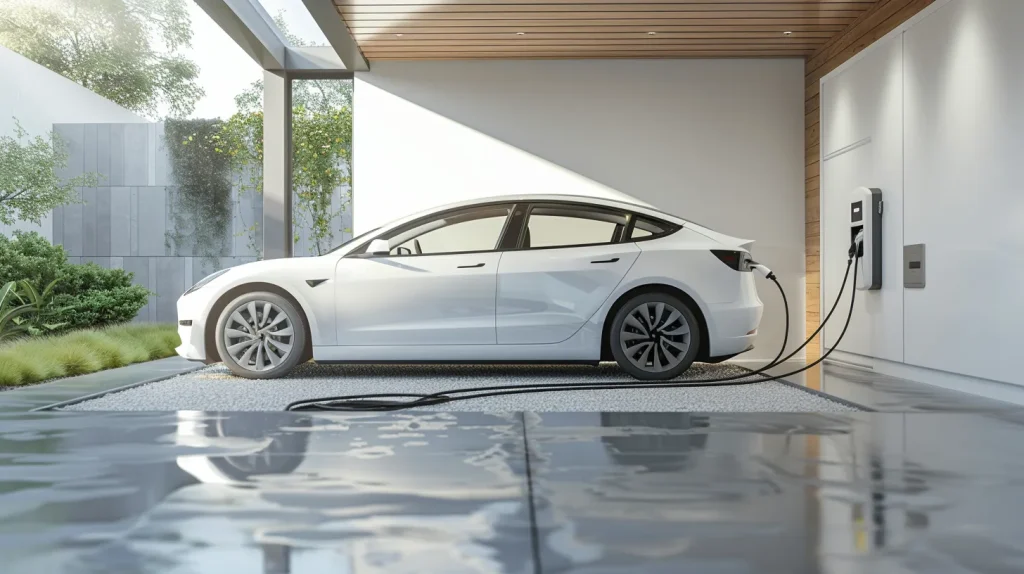
Indoor vs Outdoor Installation: Key Differences
| Factor | Indoor Installation | Outdoor Installation |
| Environment | Controlled | Exposed to weather |
| Installation complexity | Lower | Higher |
| Protection requirements | Basic | Advanced (IP, surge) |
| Maintenance | Easier | More frequent |
| Lifespan | Longer | Potentially shorter |
Step 1: Evaluate Environmental Conditions
The first consideration is exposure to environmental factors.
Outdoor Risks
Outdoor installations must withstand:
- rain and humidity
- dust and debris
- UV exposure
- temperature fluctuations
Ingress protection (IP) rating overview:
https://en.wikipedia.org/wiki/IP_code
For outdoor use, chargers should typically have IP54 or higher.
Indoor Advantages
Indoor environments (e.g., garages or underground parking):
- provide stable temperatures
- reduce exposure to moisture
- extend equipment lifespan
Step 2: Consider Electrical Safety Requirements
Both indoor and outdoor installations must meet electrical safety standards.
Grounding overview:
https://en.wikipedia.org/wiki/Earthing_system
Surge protection overview:
https://en.wikipedia.org/wiki/Surge_protector
Outdoor installations may require:
- enhanced grounding
- surge protection devices
- waterproof wiring
Step 3: Distance to Power Source
The installation location should minimize the distance to the electrical distribution panel.
Electric power distribution overview:
https://en.wikipedia.org/wiki/Electric_power_distribution
Longer cable runs result in:
- higher installation costs
- voltage drop
- reduced efficiency
Step 4: User Accessibility and Convenience
A well-positioned charger improves daily usability.
Consider:
- parking layout
- cable reach
- vehicle charging port location
Ideal position:
- near the parking space
- easy cable access without tension
- no obstruction to vehicle movement
Step 5: Structural Mounting Conditions
Wall-mounted chargers require:
- solid wall structure
- proper mounting height
- safe cable routing
Recommended height:
- typically 1.2–1.5 meters from the ground
Step 6: Climate Considerations
Temperature affects charging performance.
Battery behavior overview:
https://en.wikipedia.org/wiki/Lithium-ion_battery
Outdoor installations in extreme climates may experience:
| Condition | Impact |
| High heat | Reduced efficiency |
| Cold weather | Slower charging |
| Humidity | Corrosion risk |
Step 7: Compliance With Local Regulations
Different regions have installation requirements for EV chargers.
Building code overview:
https://en.wikipedia.org/wiki/Building_code
These may include:
- electrical permits
- safety clearances
- accessibility standards
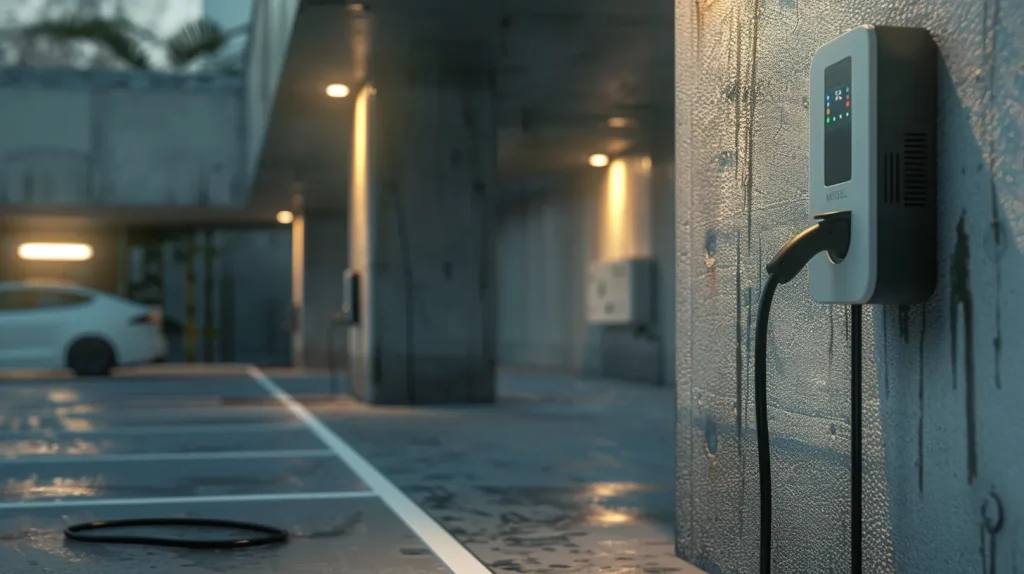
Indoor vs Outdoor: Practical Use Cases
Indoor Installation (Recommended for)
- residential garages
- underground parking
- commercial indoor facilities
Best for:
- longevity
- low maintenance
- stable performance
Outdoor Installation (Recommended for)
- public parking lots
- hotels
- commercial buildings
- open residential areas
Best for:
- accessibility
- shared usage
- scalability
Key Decision Checklist
Before installation, confirm:
| Check Item | Recommendation |
| Environment | Indoor preferred when possible |
| IP rating | ≥ IP54 for outdoor |
| Electrical distance | Keep as short as possible |
| Accessibility | Easy cable reach |
| Safety systems | Grounding + surge protection |
Common Mistakes to Avoid
- installing chargers too far from power source
- ignoring weather protection requirements
- poor cable management
- underestimating future expansion needs
Why Installation Location Impacts ROI
For businesses and property owners, the installation location affects:
- maintenance cost
- equipment lifespan
- user satisfaction
- utilization rate
A well-planned installation reduces long-term operational costs.
About QIAO
QIAO provides reliable wall-mounted AC EV chargers designed for both indoor and outdoor environments.
Our solutions feature:
- high IP-rated protection for outdoor use
- compact wall-mounted design
- smart charging capabilities
- scalable deployment for residential and commercial projects
QIAO helps customers deploy safe, durable, and efficient EV charging infrastructure.
FAQ
Is it better to install an EV charger indoors?
Yes, if possible. Indoor installation offers better protection and longer lifespan.
Can AC chargers be installed outdoors?
Yes, but they must meet IP protection and safety requirements.
What IP rating is required for outdoor chargers?
Typically IP54 or higher.
Does installation location affect charging speed?
Indirectly, through temperature and electrical efficiency.