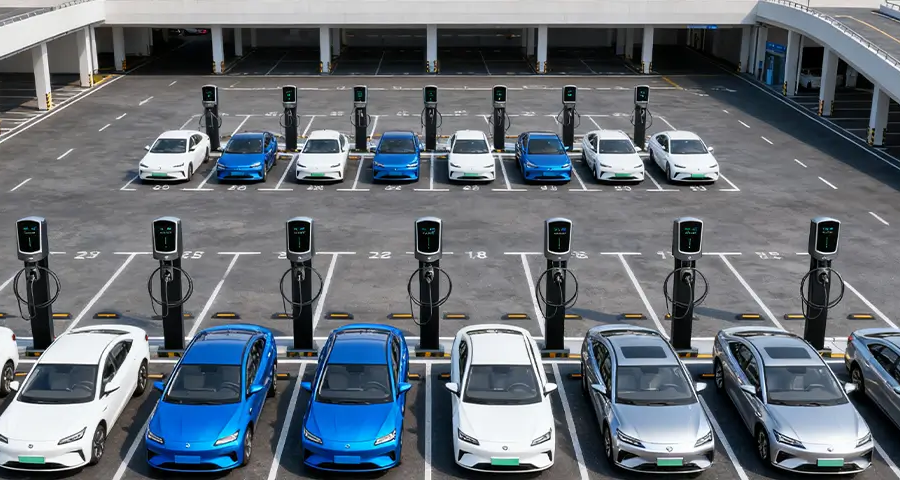

As EV charging becomes a standard feature in workplaces, commercial properties, and industrial sites, enterprises face a key operational challenge:
how to manage different users with different access and pricing rules
A one-size-fits-all approach no longer works.
Modern charging systems must support:
- multi-user access control
- flexible pricing models
- automated billing
Why Access Control and Pricing Matter
Without proper configuration, companies may face:
- unauthorized usage
- revenue loss
- unfair resource allocation
Smart access and pricing systems help:
- optimize utilization
- improve ROI
- enhance user experience
Key User Groups in Enterprise Charging
Enterprises typically serve multiple user types:
| User Group | Characteristics |
| Employees | long parking time |
| Visitors | short-term use |
| VIP / Executives | priority access |
| Fleet vehicles | operational priority |
Each group requires different rules
Step 1: Define Charging Access Levels
Access control determines who can use the chargers.
Common methods:
- RFID cards
- mobile apps
- license plate recognition
Access levels example:
| Level | Access |
| Public | open access |
| Employee | restricted |
| VIP | priority |
| Fleet | dedicated chargers |
Step 2: Set Different Pricing Models
Pricing should reflect:
- user type
- usage behavior
- business goals
Common Pricing Strategies
1. Free Charging (Employee Benefit)
- used to attract talent
- common in corporate campuses
2. Subsidized Charging
- partial cost recovery
- balanced approach
3. Full Commercial Pricing
- pay-per-kWh
- used for visitors or public
4. Time-Based Pricing
- charges per hour or minute
5. Dynamic Pricing
- varies by demand or time
Pricing Example by User Type
| User | Pricing Model |
| Employees | free or discounted |
| Visitors | paid |
| Fleet | internal accounting |
| VIP | free priority |
Step 3: Implement Smart Charging Systems
Smart charging overview:
https://en.wikipedia.org/wiki/Smart_charging
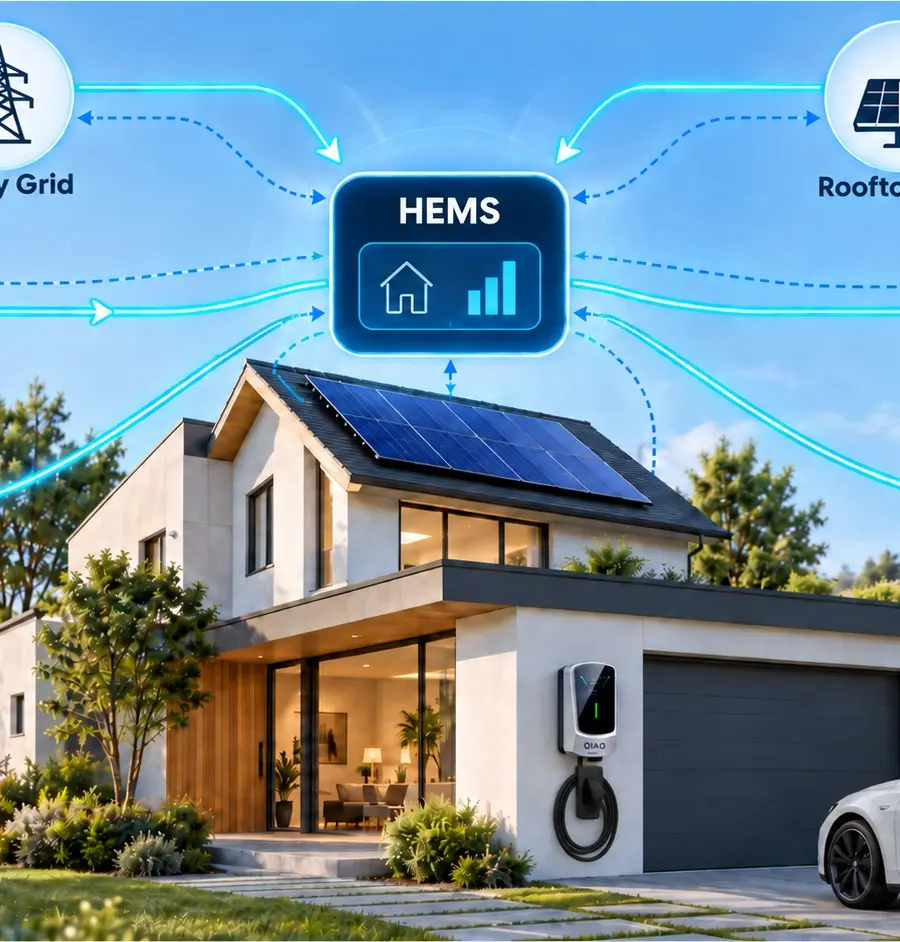
Smart platforms enable:
- user authentication
- pricing automation
- real-time monitoring
Essential for multi-user environments
Step 4: Use Load Management With Access Priority
Load management overview:
https://en.wikipedia.org/wiki/Load_management
Advanced systems allow:
- priority-based power allocation
- dynamic current adjustment
Example:
| Priority | Power Allocation |
| Fleet | High |
| Employees | Medium |
| Visitors | Low |
Step 5: Configure Time-Based Access Rules
Enterprises can restrict access by time:
| Time | Access |
| Work hours | employees only |
| After hours | public access |
Step 6: Enable Reservation Systems
Reservations allow:
- better planning
- reduced congestion
Especially useful in high-demand locations.
Step 7: Integrate Billing and Reporting
Charging systems should provide:
- detailed usage reports
- cost tracking
- automated billing
Supports finance and operations teams.
Step 8: Prevent Misuse
Combine:
- access control
- idle fees
- monitoring
Ensures fair usage.
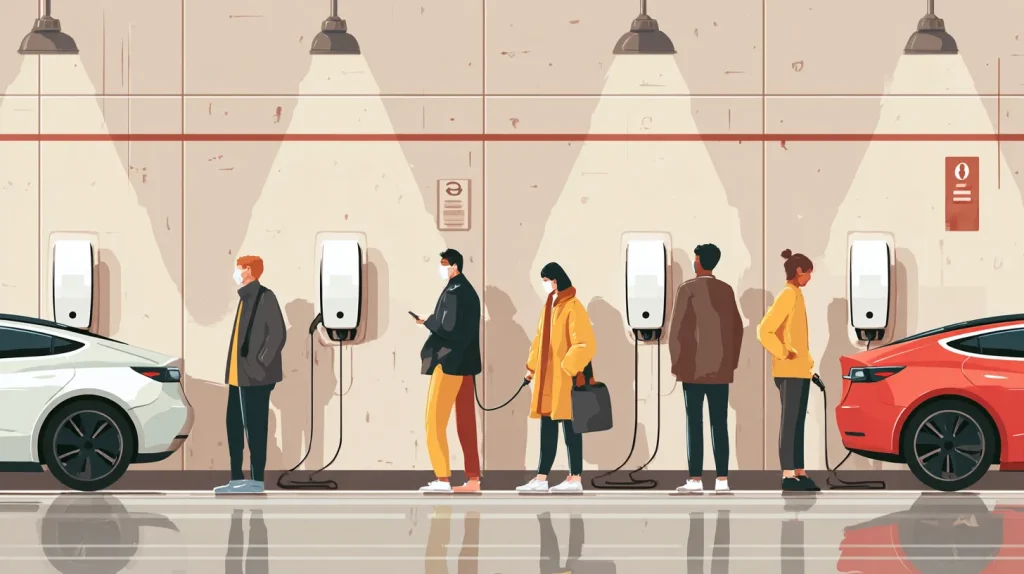
Real-World Deployment Example
A corporate office:
- employees: free charging
- visitors: $0.30/kWh
- fleet: priority access
Result:
- high utilization
- controlled costs
- improved employee satisfaction
Common Mistakes to Avoid
- using the same pricing for all users
- lack of access control
- ignoring peak demand
- no monitoring system
Business Benefits
Flexible access and pricing help enterprises:
- maximize charger utilization
- optimize energy cost
- improve user satisfaction
- increase ROI
Future Trend: AI-Based Pricing & Access
Artificial intelligence overview:
https://en.wikipedia.org/wiki/Artificial_intelligence
Future systems will:
- automatically adjust pricing
- predict demand
- optimize energy usage
About QIAO
QIAO provides smart AC EV charging solutions with advanced access control and flexible pricing systems.
Our solutions support:
- multi-user access management
- dynamic pricing models
- load balancing with priority control
- real-time monitoring and billing
QIAO helps enterprises build efficient, scalable, and revenue-optimized charging systems.
FAQ
Can different users have different prices?
Yes, modern systems support flexible pricing.
Is access control necessary?
Yes, especially in multi-user environments.
Can charging be free for employees?
Yes, many companies offer it as a benefit.
How to prevent unauthorized use?
Use authentication and monitoring systems.