In commercial EV charging operations, one of the most frequent challenges is:
handling charger error codes
Error codes are critical because they:
- indicate system issues
- help diagnose faults
- guide maintenance actions
Understanding them can significantly reduce:
- downtime
- maintenance cost
- service interruptions
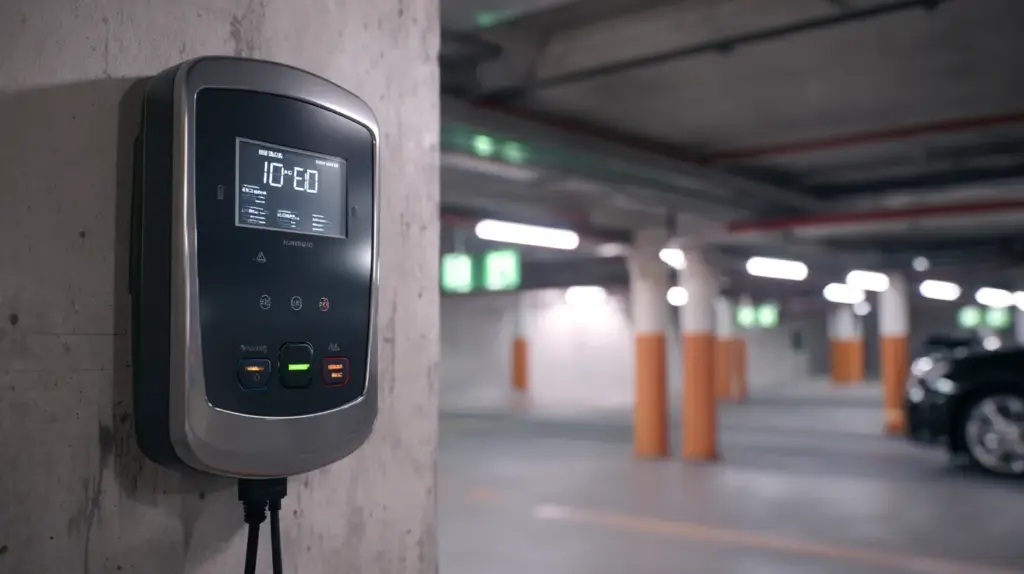
What Are EV Charger Error Codes?
Error codes are system-generated alerts that indicate:
- hardware faults
- communication failures
- safety issues
They act as a diagnostic interface between the charger and operator
Why Error Codes Matter in Commercial Charging
In commercial environments:
- multiple chargers operate simultaneously
- uptime directly affects revenue
Fast diagnosis is essential for:
- minimizing downtime
- maintaining user satisfaction
Categories of Common Error Codes
1. Power & Electrical Errors
Examples
- Overcurrent
- Overvoltage
- Undervoltage
Causes
- unstable grid
- incorrect installation
- overload
Solution
- check power supply
- verify circuit capacity
- inspect wiring
2. Ground Fault / Leakage Errors
Examples
- leakage current detected
- RCD triggered
Causes
- insulation failure
- moisture intrusion
- cable damage
Solution
- inspect cables
- check grounding system
- verify RCD functionality
3. Communication Errors
Example
- backend connection lost
- OCPP timeout
- network failure
Causes
- unstable internet
- server issues
- SIM/network problems
Solution
- check connectivity (Ethernet / 4G / WiFi)
- restart communication module
- verify backend status
4. Vehicle Communication Errors
Examples
- handshake failure
- charging session not started
Causes
- incompatible vehicle
- connector issues
- protocol mismatch
Solution
- reconnect cable
- try another vehicle
- update firmware
5. Temperature Errors
Examples
- over-temperature warning
- thermal shutdown
Causes
- high ambient temperature
- poor ventilation
- internal component failure
Solution
- improve airflow
- reduce load
- inspect cooling system
6. Hardware Faults
Examples
- relay failure
- sensor malfunction
Causes
- component wear
- manufacturing defects
Solution
- replace faulty components
- contact manufacturer support
7. Authentication & Payment Errors
Examples
- RFID card not recognized
- payment failed
Causes
- user authorization issue
- backend error
Solution
- verify user credentials
- check billing system
Typical Error Code Table (Example)
| Code | Description | Action |
| E01 | Overcurrent | Check load |
| E02 | Ground fault | Inspect wiring |
| E03 | Communication loss | Check network |
| E04 | Over-temperature | Improve cooling |
| E05 | Authentication failed | Verify user |
Note: Codes vary by manufacturer.
How to Diagnose Errors Efficiently
Step 1: Identify Error Code
- read display or app
- log error
Step 2: Categorize the Issue
- electrical
- communication
- hardware
Step 3: Check Basic Conditions
- power supply
- network status
- cable connection
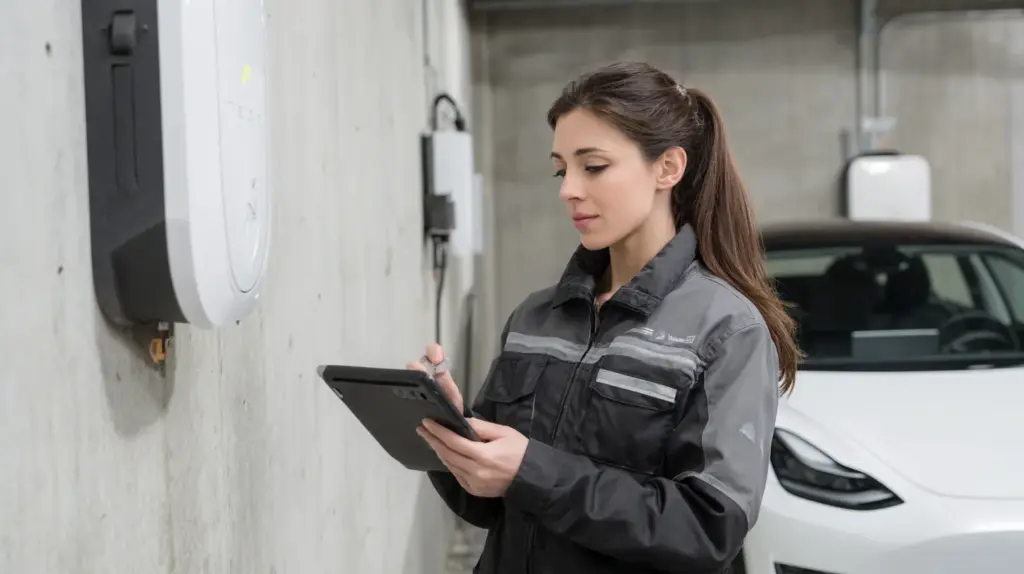
Step 4: Use Remote Diagnostics
Remote diagnostics allows:
- real-time monitoring
- remote troubleshooting
Step 5: Escalate if Needed
- contact technical support
- replace components
Role of Smart Charging Platforms
Smart charging overview:
https://en.wikipedia.org/wiki/Smart_charging
Platforms provide:
- centralized error monitoring
- alerts and notifications
- historical data analysis
Essential for large deployments
Preventing Common Errors
1. Proper Installation
- follow standards
- ensure correct wiring
2. Regular Maintenance
- inspect cables
- check connections
3. Stable Connectivity
- reliable network setup
4. Firmware Updates
- fix bugs
- improve compatibility
Business Impact of Error Management
Efficient error handling helps:
- reduce downtime
- lower maintenance cost
- improve user experience
- increase revenue
Future Trend: Predictive Maintenance
With AI and data analytics:
- errors can be predicted
- failures prevented
Moving from reactive → proactive maintenance
About QIAO
QIAO provides AC EV charging solutions with advanced diagnostics and error management systems.
Our solutions support:
- real-time error monitoring
- remote diagnostics
- smart alerts
- predictive maintenance
QIAO helps operators achieve high uptime and efficient operations.
FAQ
Are error codes standardized?
No, they vary by manufacturer.
Can errors be resolved remotely?
Many can, using smart platforms.
What is the most common error?
Communication and power-related issues.
Should all errors be handled immediately?
Critical errors should be prioritized.