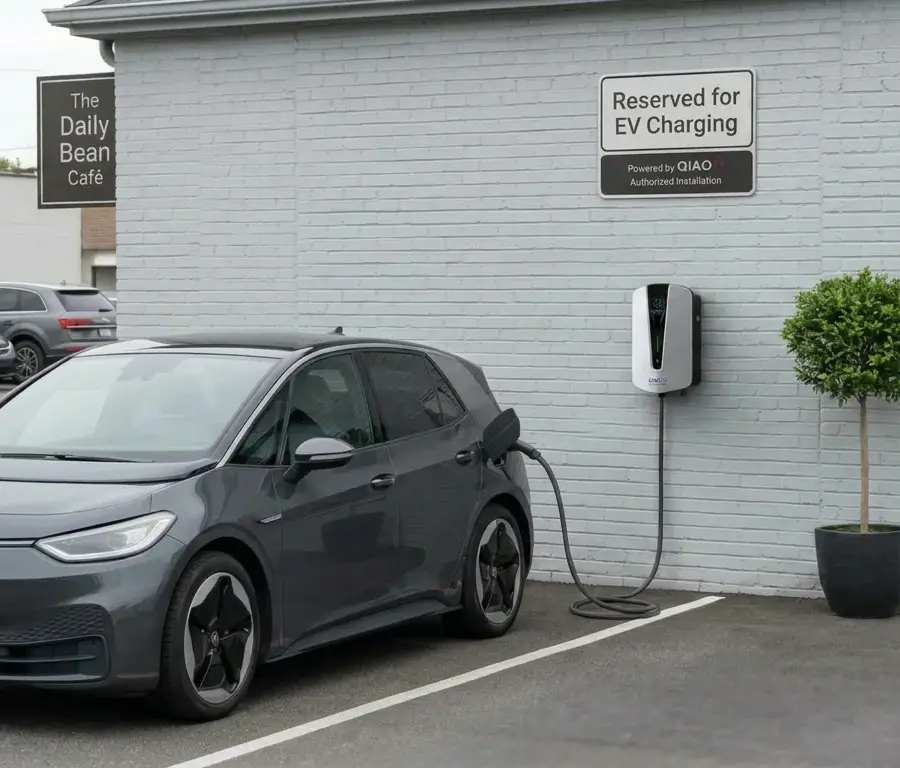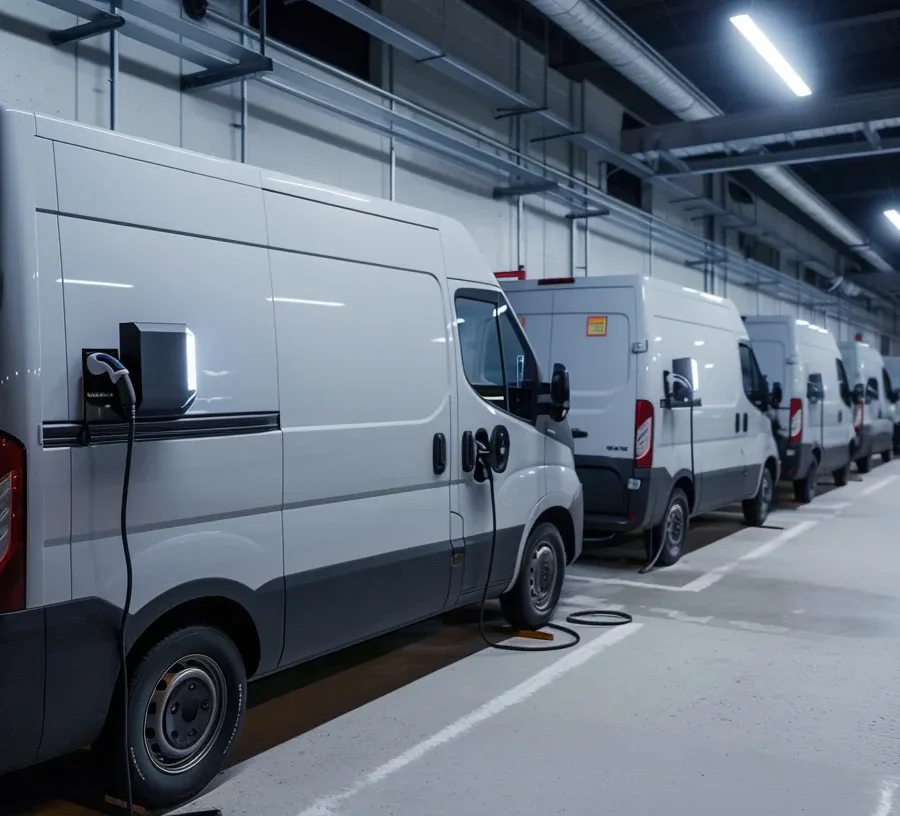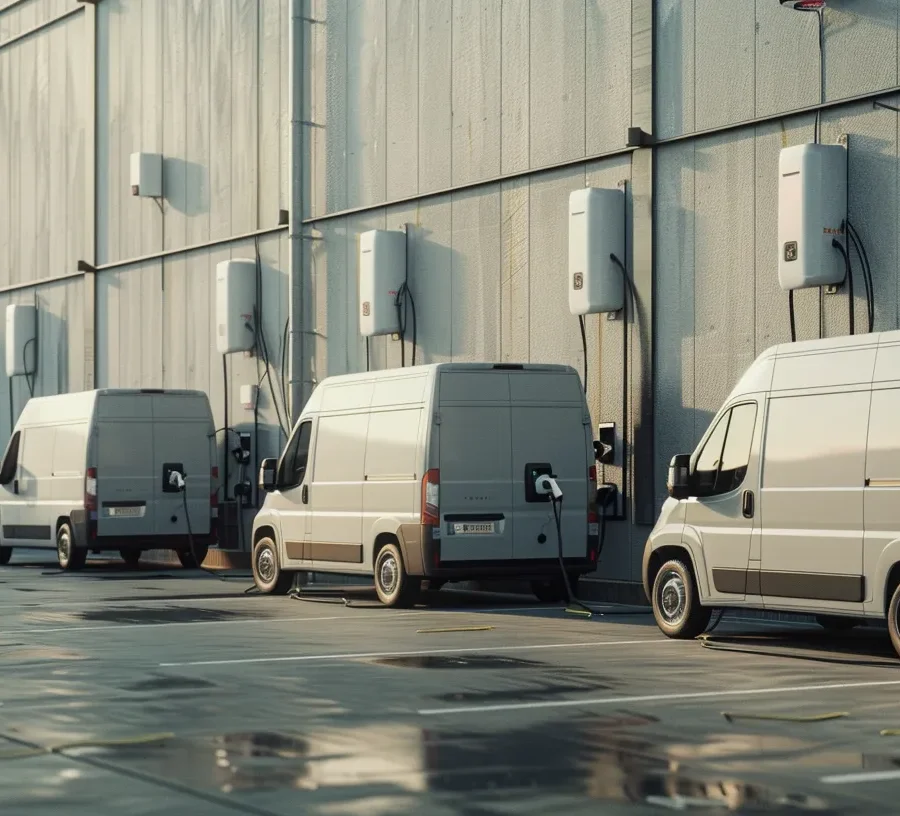

As cities accelerate electrification, taxis and ride-hailing fleets are rapidly transitioning to EVs.
But this shift introduces a critical operational challenge:
How to charge efficiently without disrupting vehicle availability
For fleet operators, charging is not just a technical issue—it directly affects:
- Revenue
- Utilization rate
- Driver satisfaction
Why Charging Strategy Matters for Fleets
Unlike private EV users, taxis and ride-hailing vehicles:
- Operate for long hours
- Require high uptime
- Have predictable usage patterns
This makes charging strategy a core business decision
Key Challenges in Taxi & Ride-Hailing Charging
1. Limited Downtime
Vehicles cannot stay idle for long periods.
2. High Daily Mileage
- Frequent charging cycles
- Higher energy demand
3. Cost Sensitivity
- Electricity cost directly impacts profit
4. Infrastructure Constraints
- Limited space
- Power capacity limitations
Why AC Charging Is a Smart Choice
While DC fast charging is often seen as the default, AC charging offers unique advantages:
1. Lower Cost
- Lower equipment cost
- Lower installation cost
2. Ideal for Overnight Charging
- Vehicles can charge during idle hours
3. Reduced Grid Stress
- Lower peak demand
4. Longer Battery Life
- Slower charging reduces battery degradation
Insight:
AC charging is not slower—it is strategically efficient
Typical Charging Model for Fleets
Overnight Charging Model
| Time | Activity |
| Daytime | Vehicle operation |
| Night | AC charging (6–10 hours) |
This aligns perfectly with:
- Off-peak electricity pricing
- Lower operational cost

System Architecture
A typical AC fleet charging solution includes:
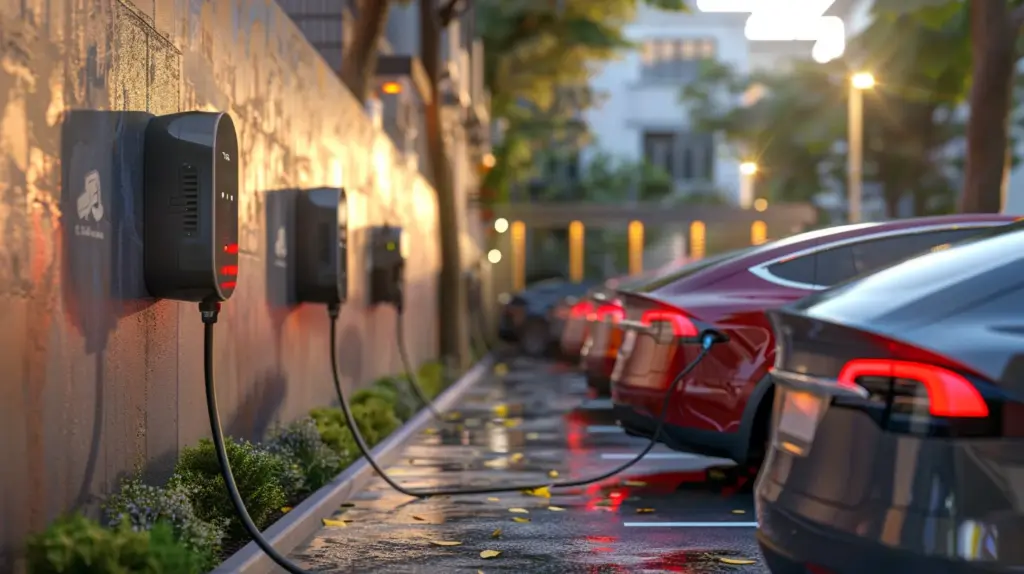
- Multiple wall-mounted AC chargers
- Load management system
- Central monitoring platform
- Optional energy integration (solar / storage)
AC vs DC for Fleet Charging
| Factor | AC Charging | DC Charging |
| Cost | Low | High |
| Speed | Moderate | High |
| Best use case | Overnight | Quick top-up |
| Scalability | High | Limited by cost |
Best strategy:
Combine AC (primary) + DC (supplementary)
Key Features for Fleet Charging Solutions
1. Smart Load Management
- Balance power across chargers
- Avoid grid overload
2. Scheduling & Automation
- Charge during off-peak hours
3. Data Monitoring
- Track usage
- Optimize operations
4. Scalable Design
- Add more chargers as fleet grows
Cost Optimization Strategy
Without Optimization
- Random charging
- High electricity cost
With AC + Smart Scheduling
- Overnight charging
- Off-peak rates
Result:
Significant cost reduction and improved ROI
Real-World Deployment Example
Medium Fleet (50 Vehicles)
- 25–40 AC chargers
- Overnight rotation charging
- Load balancing system
Benefits:
- Lower infrastructure cost
- Efficient utilization
- Scalable setup
Why This Matters for B2B Buyers
1. ROI Optimization
Charging strategy directly impacts:
- Operational cost
- Profit margins
2. Infrastructure Planning
Avoid:
- Over-investing in DC chargers
- Underutilizing assets
3. Future Scalability
Fleet size will grow:
- Charging system must scale accordingly
Where QIAO Fits In
At QIAO, we provide:
- AC EV charging solutions tailored for fleet operations
- Designed for:
- Taxi fleets
- Ride-hailing platforms
- Commercial EV deployments
Our solutions include:
- Smart load management
- Scalable system architecture
- Reliable performance
Helping fleet operators:
Reduce costs, increase uptime, and improve efficiency
Future Trends
- Fleet electrification will accelerate
- Smart charging will become standard
- AC charging will dominate overnight charging scenarios
FAQ
Yes, especially for overnight charging.
Because it is expensive and less efficient for large fleets.
By using off-peak AC charging and smart scheduling.
Depends on fleet size and charging schedule.
Yes, with proper load management.