Table of Contents
AC EV Charging Compatibility Explained
What Is AC EV Charging Compatibility?
AC EV charging compatibility refers to the ability of an electric vehicle, charging station, electrical infrastructure, and backend system to work together safely, efficiently, and reliably across different regions, standards, and use cases.
Unlike DC fast charging, AC charging compatibility involves more variables, including:
- Grid type (single-phase vs. three-phase)
- Plug and socket standards
- Vehicle onboard charger limitations
- Communication protocols
- Regional electrical regulations
For commercial and residential deployments, compatibility is not a “nice-to-have” feature—it is a core requirement for scalability and long-term operation.
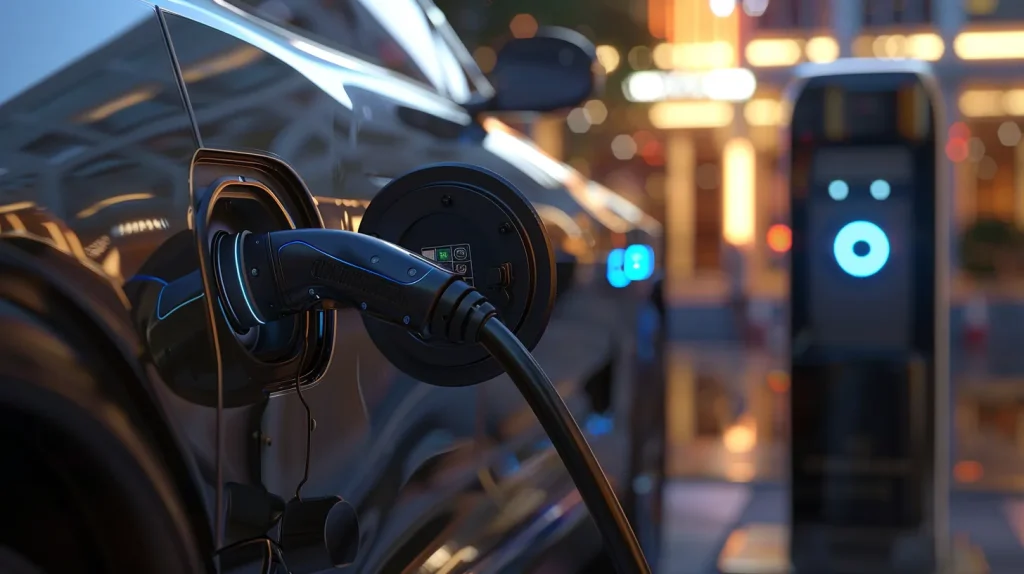
The AC Charging Chain: Where Compatibility Matters
AC charging is a system, not a single device.
| Layer | Compatibility Requirement |
| Power Grid | Voltage, phase, frequency |
| EV Charger (EVSE) | Output rating, safety logic |
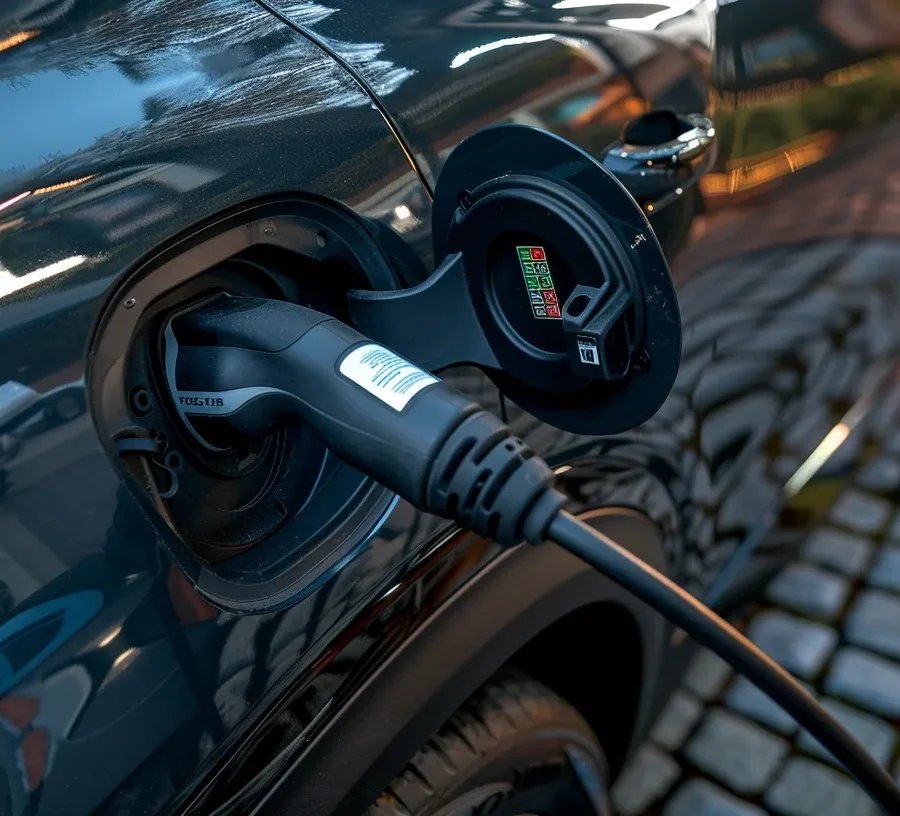
| Connector / Plug | Regional standard |
| Vehicle OBC | Max power & phase support |
| Communication | Control pilot, proximity, protocols |
| Backend (optional) | OCPP, RFID, billing |
A mismatch at any layer can reduce charging speed, cause faults, or prevent charging entirely.
Grid Compatibility: Single-Phase vs. Three-Phase
Why Grid Type Is Critical
AC chargers do not convert AC to DC—the vehicle’s onboard charger (OBC) does. This means the charger must match both the grid and the vehicle’s OBC capability.
| Grid Type | Typical Regions | Common AC Power Levels |
| Single-phase | North America, parts of Asia | 3.6 kW / 7.2 kW |
| Three-phase | Europe, Australia | 11 kW / 22 kW |
Key reality:
A 22 kW AC charger does NOT guarantee 22 kW charging—if the vehicle only supports single-phase or 7.4 kW OBC, charging speed will be capped.
Plug & Connector Compatibility (Global Overview)
Major AC Plug Standards
| Standard | Region | AC Support |
| Type 1 (SAE J1772) | North America, Japan | Single-phase |
| Type 2 (IEC 62196-2) | Europe, many global markets | Single & three-phase |
| GB/T AC | China | Single & three-phase |
Why This Matters for Operators
- Chargers installed with the wrong connector cannot serve local vehicles
- Adapters introduce safety, liability, and compliance risks
- Multi-standard support is essential for export-oriented or global projects
Vehicle Onboard Charger (OBC) Limitations
The EVSE never decides charging speed—the vehicle does.
| Vehicle OBC Rating | Max AC Charging |
| 3.3 kW | Entry-level EVs |
| 6.6–7.4 kW | Most mass-market EVs |
| 11 kW | Common in Europe |
| 22 kW | Limited models only |
Compatibility insight:
Installing high-power AC chargers without understanding vehicle mix leads to overinvestment with no real benefit.
Electrical Safety & Protection Compatibility
AC charging compatibility also depends on protection logic alignment:
- Overcurrent protection
- Residual current detection (AC + DC leakage)
- Overtemperature protection
- Ground fault detection
Different regions require different standards:
| Region | Key Standards |
| EU | IEC 61851, IEC 62196, CE |
| US | UL 2594, NEC |
| Global | IEC-based harmonization |
A charger incompatible with local regulations may fail inspection or insurance requirements.
Communication & Control Compatibility
Even AC charging requires standardized communication.
Core Signals
- Control Pilot (CP) – charging control
- Proximity Pilot (PP) – cable current rating detection
Smart Charging Extensions
- Load balancing (DLM)
- User authentication (RFID)
- Backend communication (OCPP)
Without proper compatibility, advanced features like dynamic load management or billing cannot function reliably.
Backend & Platform Compatibility (Commercial AC Charging)
For B2B projects, AC chargers must integrate with platforms.
| Feature | Why It Matters |
| OCPP 1.6 / 2.0.1 | Platform interoperability |
| RFID compatibility | User management |
| OTA firmware | Long-term adaptability |
| Data models | Billing & reporting |
A charger that is hardware-compatible but platform-locked limits future growth.
Common Compatibility Mistakes in AC Charging Projects
- Selecting charger power higher than vehicle OBC capability
- Ignoring local grid phase limitations
- Using adapters instead of native connectors
- Overlooking regional compliance requirements
- Deploying chargers without backend compatibility
These mistakes increase CAPEX, OPEX, and operational risk.
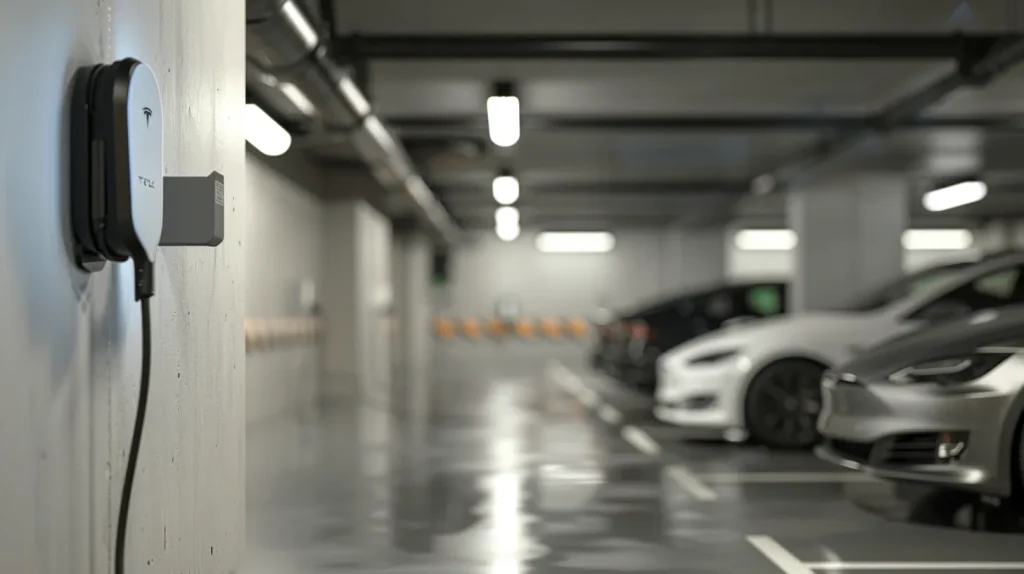
Best Practices for Ensuring AC Charging Compatibility
- Match charger power to vehicle fleet reality
- Choose connectors aligned with local vehicle standards
- Verify compliance with regional electrical codes
- Ensure OCPP and RFID compatibility for future scaling
- Select chargers with modular, upgradeable architecture
How QIAO Approaches AC Charging Compatibility
At QIAO, AC charging compatibility is treated as a system-level engineering principle, not a single specification.
QIAO AC EV charging solutions are designed to:
- Support global AC standards (Type 1, Type 2, GB/T)
- Adapt to single-phase and three-phase grids
- Align charger output with real vehicle OBC capabilities
- Integrate seamlessly with OCPP-based platforms
- Serve residential, commercial, fleet, and hospitality scenarios
By focusing on real-world compatibility rather than theoretical power, QIAO helps B2B customers deploy AC charging infrastructure that is reliable, compliant, and future-ready.