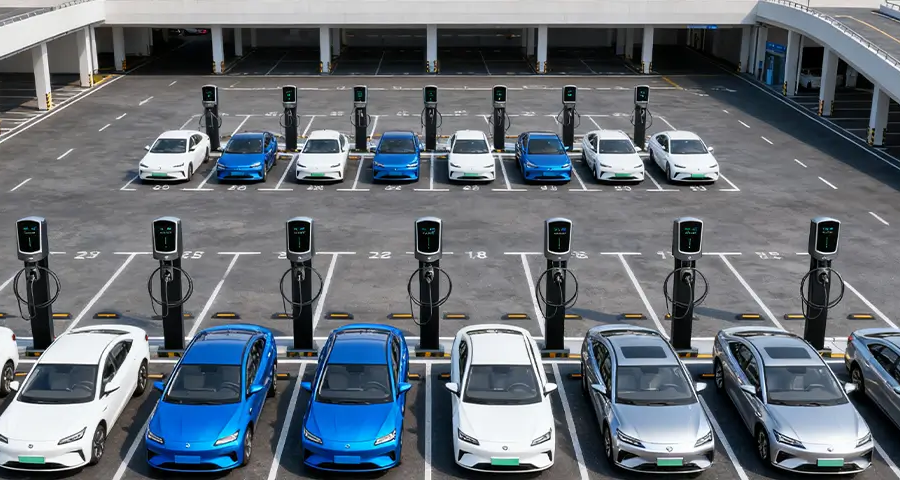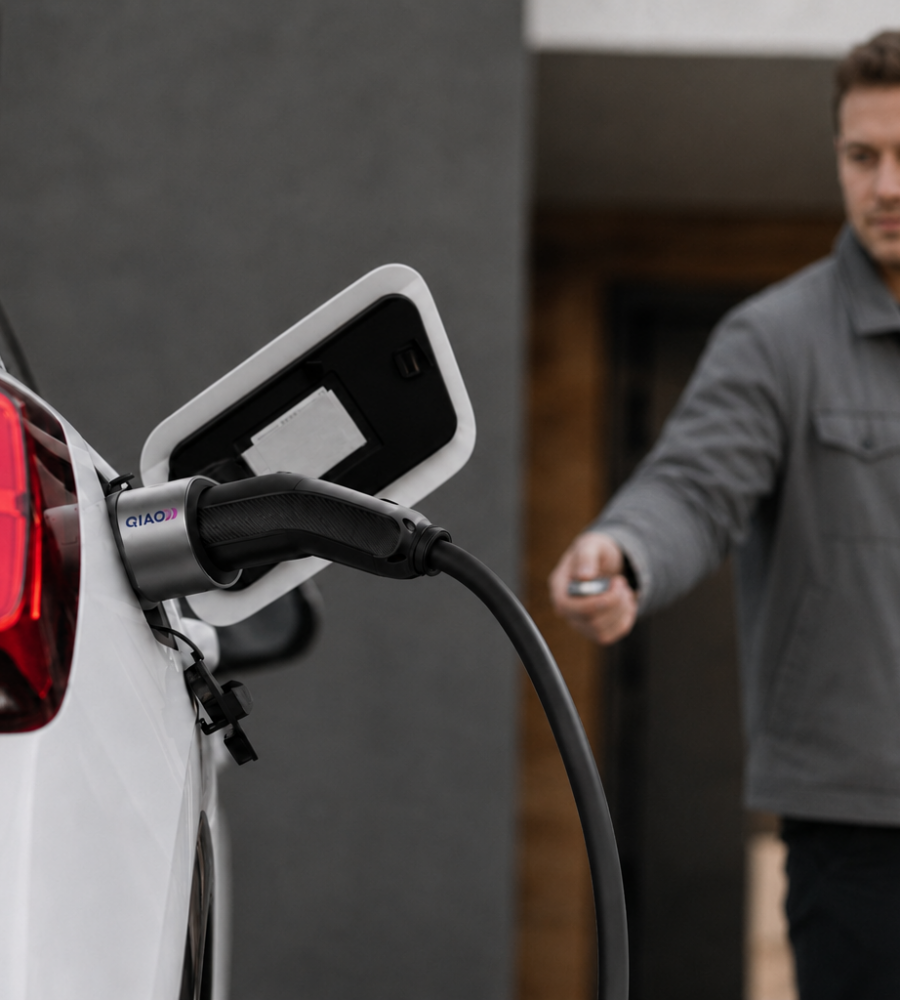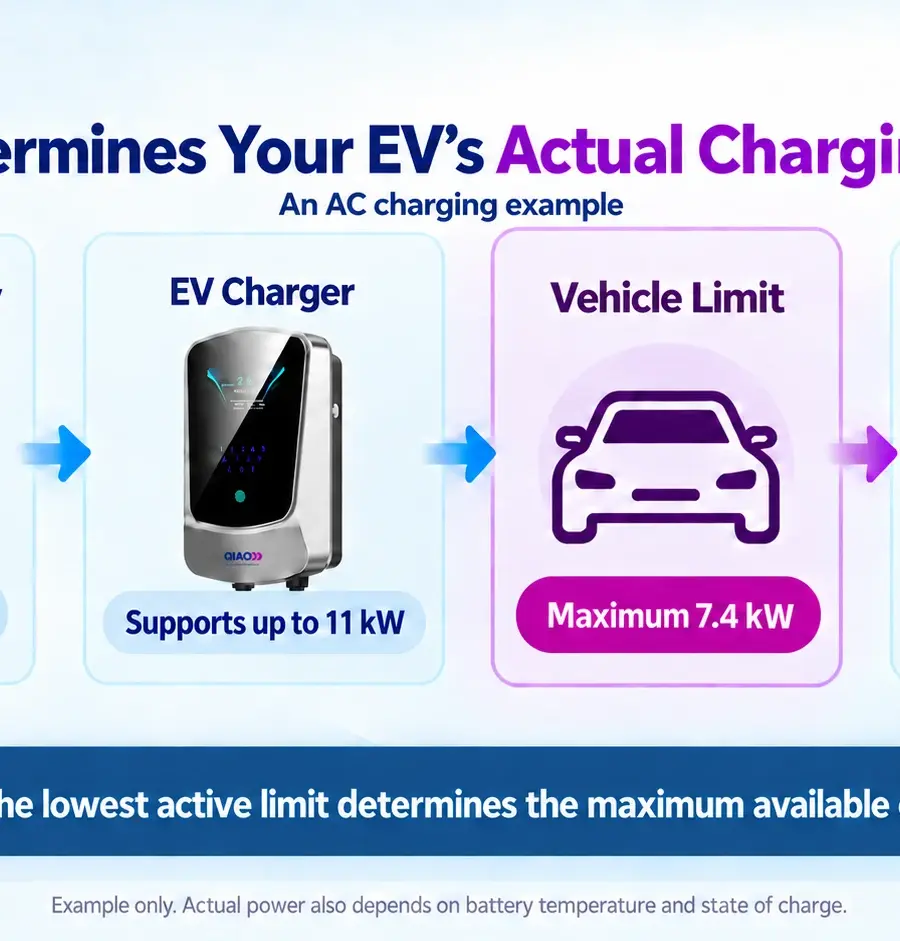

As EV adoption accelerates globally, real estate developers are under increasing pressure to integrate EV charging infrastructure into new buildings.
The key question is no longer “whether to install chargers” — but:
“How many AC EV chargers should we plan for?”
Getting this ratio right directly impacts:
- project cost
- long-term asset value
- regulatory compliance
- user satisfaction

Why Charging Ratio Planning Matters
Poor planning leads to two common problems:
| Scenario | Result |
| Too few chargers | Resident complaints, retrofit costs |
| Too many chargers | Overinvestment, low utilization |
A well-designed AC charging ratio ensures:
- scalable infrastructure
- optimized CAPEX
- future-ready buildings
Global EV Adoption Driving Demand
According to the International Energy Agency:
- Global EV sales exceeded 14 million units in 2023
- EVs are projected to reach 35%+ of new car sales by 2030
Source:
https://www.iea.org/reports/global-ev-outlook-2024
This rapid growth means:
Charging demand in residential and commercial buildings will increase exponentially
What Is a Charging Ratio?
Charging ratio refers to:
Number of parking spaces per EV charger
Example:
- 1:5 → 1 charger for every 5 parking spots
- 1:10 → 1 charger for every 10 parking spots
Recommended AC Charging Ratios (2026)
Below is a practical guideline based on global trends and regulations:
| Property Type | Recommended Ratio | Notes |
| High-end residential | 1:3 – 1:5 | EV adoption is higher |
| Standard apartments (MUD) | 1:5 – 1:10 | Allow future expansion |
| Office buildings | 1:10 – 1:20 | Daytime usage |
| Mixed-use developments | 1:6 – 1:12 | Variable demand |
| Hotels | 1:8 – 1:15 | Overnight charging |
Regulations Are Increasingly Mandatory
Many regions now require EV-ready infrastructure:
- European Union mandates EV-ready parking in new buildings
- California building codes require EV-capable spaces in new developments
Example regulation reference:
https://energycodeace.com/site/custom/public/reference-ace-2019/Documents/2019evchargingrequirements.htm
This means developers must plan beyond minimum compliance.
Key Factors That Affect Charging Ratio
1. EV Adoption Rate
Higher EV penetration = higher charging demand
Urban areas typically require:
- higher charger density
- faster scalability
2. Power Capacity Availability
Grid capacity directly limits deployment.
Learn more:
https://en.wikipedia.org/wiki/Electric_power_system
Developers should evaluate:
- transformer capacity
- load limits
- peak demand
3. Charging Behavior Patterns
Residential charging is typically:
- overnight
- low-power AC charging
This allows:
More users to share fewer chargers
4. Smart Charging Capability
Smart charging enables:
- load balancing
- peak shaving
- scheduled charging
This can reduce required charger quantity by 20–40%.
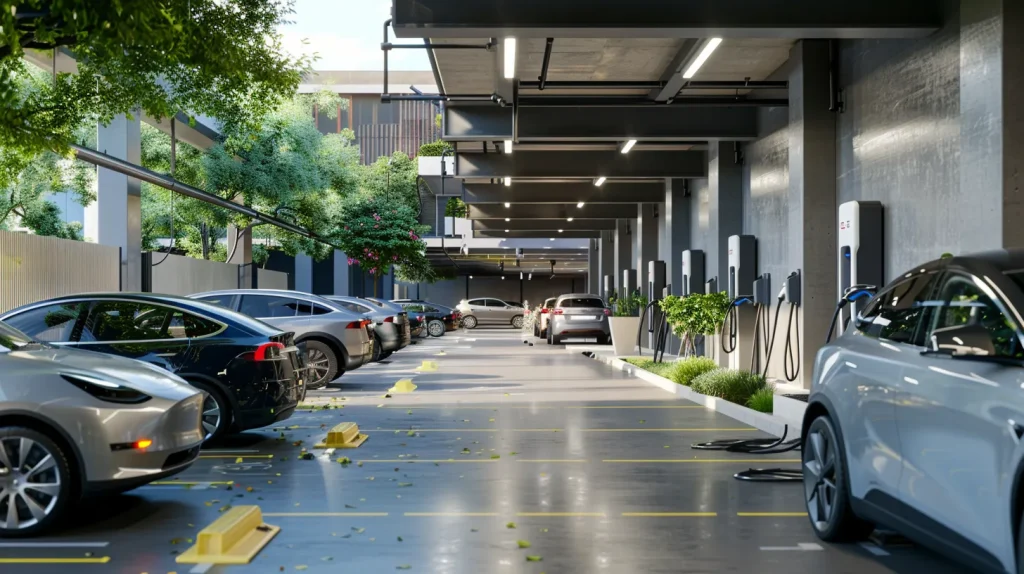
AC Charging vs DC Charging in Real Estate
| Factor | AC Charging | DC Charging |
| Cost | Low | High |
| Installation | Simple | Complex |
| Use case | Overnight / workplace | Fast charging |
| Scalability | High | Limited |
For real estate projects, AC charging is the dominant solution
Future-Proofing: EV-Ready vs EV-Installed
A common strategy is:
| Type | Description |
| EV-ready | Conduits + wiring prepared |
| EV-installed | Chargers installed immediately |
Best practice:
Install 20–40% chargers + 100% EV-ready infrastructure
Infrastructure Design Strategy
Step 1: Plan Electrical Capacity
- central load management
- scalable distribution
Step 2: Use Load Balancing Systems
Load management overview:
https://en.wikipedia.org/wiki/Load_management
This ensures:
- no grid overload
- efficient energy use
Step 3: Modular Deployment
Install chargers in phases:
- Phase 1: initial demand
- Phase 2: scale based on usage
Step 4: Integrate Smart Charging
This enables:
- energy cost optimization
- grid-friendly operation
- future integration with solar/storage
ROI Considerations for Developers
EV charging infrastructure adds value through:
- higher property attractiveness
- premium pricing potential
- ESG compliance
- long-term competitiveness
About QIAO
QIAO provides scalable AC EV charging solutions tailored for real estate developers.
Our solutions support:
- flexible charging ratios
- smart load balancing
- OCPP-based management
- easy expansion for future demand
QIAO helps developers build EV-ready, future-proof properties without overinvesting upfront.
FAQ
What is the ideal EV charger ratio for apartments?
Typically 1:5 to 1:10, depending on EV adoption.
Can smart charging reduce the number of chargers needed?
Yes, by optimizing usage and load distribution.
Is it better to install chargers or just prepare infrastructure?
A hybrid approach is best (partial install + full readiness).
Do regulations require EV chargers in new buildings?
Yes, in many regions including the EU and California.