The EV charging industry is growing rapidly—but profitability remains a major challenge.
For many Charging Point Operators (CPOs):
Revenue growth does not always translate into profit
Understanding why is critical for building a sustainable business.
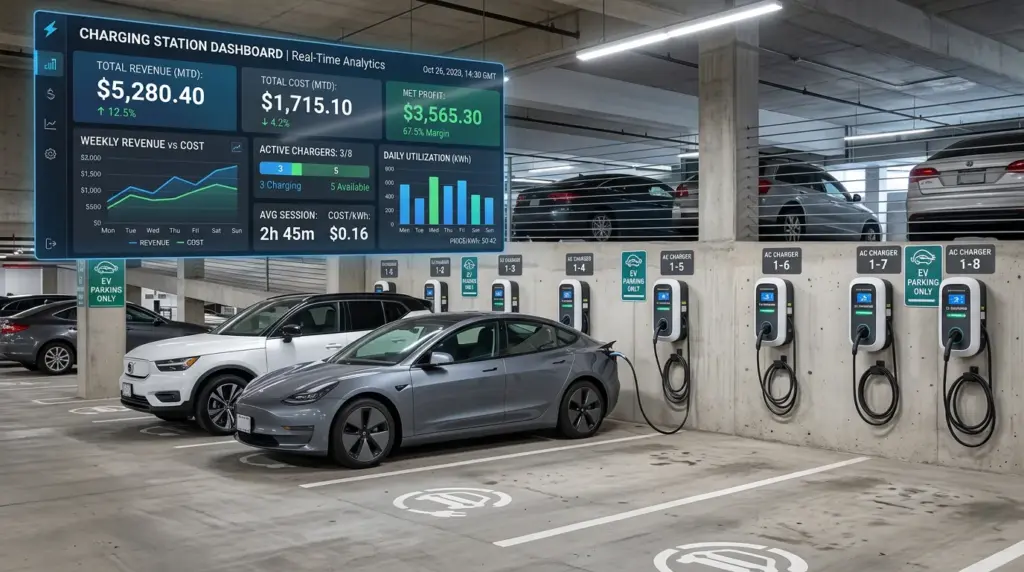
Why CPO Profitability Is Difficult
1. High Upfront Investment
Charging infrastructure requires:
- Hardware (chargers)
- Installation
- Grid upgrades
Result:
- Long payback periods
2. Low Utilization Rates
Many charging stations:
- Are underused
- Experience uneven demand
Impact:
- Reduced revenue per charger
3. Electricity Cost Pressure
CPOs often face:
- High electricity prices
- Peak demand charges
This directly reduces margins
4. Pricing Limitations
- Users are price-sensitive
- Competition limits pricing flexibility
5. Maintenance and Operations Costs
- Equipment maintenance
- Software platforms
- Customer support
Ongoing costs add up quickly
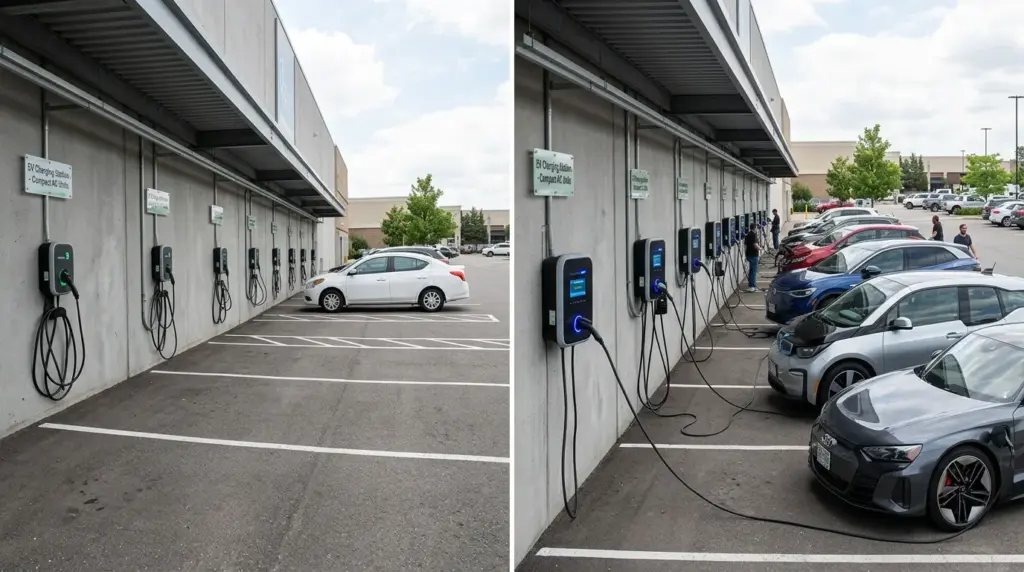
Typical CPO Cost Structure
| Cost Category | Impact Level |
| Equipment | High |
| Installation | High |
| Electricity | Medium–High |
| Maintenance | Medium |
| Software | Medium |
Revenue Streams for CPOs
1. Charging Fees
- Primary revenue source
- Based on kWh or time
2. Subscription Models
- Monthly plans
- Fleet contracts
3. Value-Added Services
- Parking fees
- Advertising
- Data services
4. Energy Services
- Demand response
- Grid services
The Core Problem
High costs + low utilization = low profitability
Breakthrough Strategy 1: Improve Utilization
How?
- Better location selection
- Data-driven deployment
- Partnerships (retail, fleets)
Goal:
Increase usage per charger
Breakthrough Strategy 2: Optimize Energy Costs
Key Methods:
- Time-of-use charging
- Load management
- Solar integration
Result:
- Lower operating costs
Breakthrough Strategy 3: Focus on AC Charging
AC charging offers:
- Lower CAPEX
- Lower installation cost
- Higher scalability
Ideal for:
- Long-duration parking
- Fleet charging
- Workplace charging
Breakthrough Strategy 4: Smart Pricing Models
- Dynamic pricing
- Off-peak incentives
- Membership plans
Align pricing with demand
Breakthrough Strategy 5: Expand Revenue Streams
- Partner with businesses
- Offer bundled services
- Use data monetization
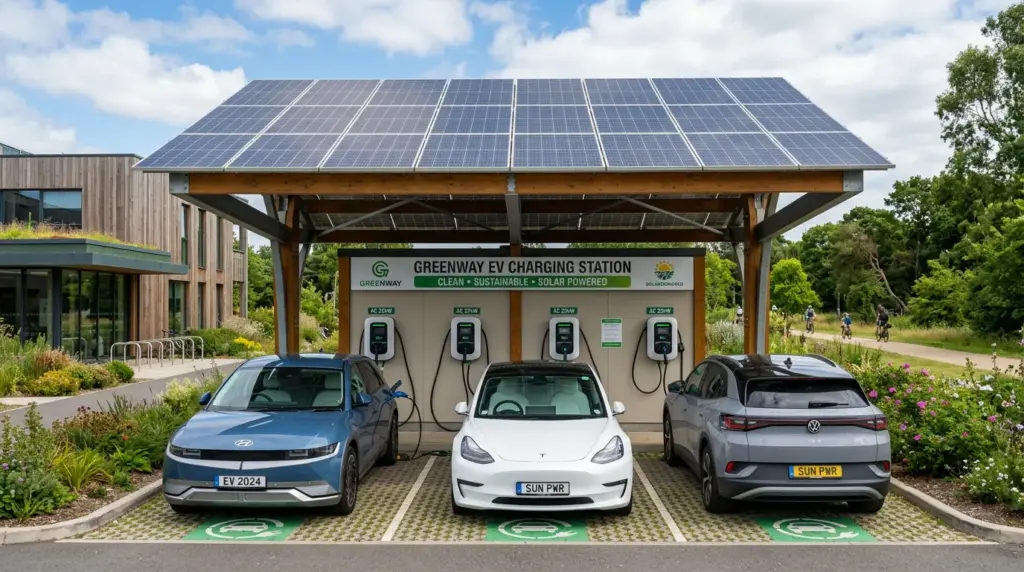
AC vs DC Profitability Perspective
| Factor | AC Charging | DC Charging |
| Cost | Low | High |
| ROI | Faster | Slower |
| Best use case | Long stay | Fast turnover |
Insight:
AC charging is often more profitable in the long run.
Real-World Strategy Example
Scenario:
CPO shifts from DC-heavy model to AC + smart scheduling
Results:
- Lower infrastructure cost
- Higher utilization
- Improved ROI
Why This Matters for B2B Buyers
1. Investment Decisions
Choosing the right charging type impacts:
- Profitability
- Payback period
2. Business Model Design
- Charging is not just hardware
- It is an operational system
3. Competitive Advantage
Efficient CPOs:
- Scale faster
- Survive longer
Where QIAO Fits In
At QIAO, we provide:
- AC EV charging solutions optimized for CPO profitability
- Designed for:
- High scalability
- Cost efficiency
- Reliable performance
Our solutions help operators:
- Reduce CAPEX
- Improve utilization
- Optimize energy usage
Turning charging infrastructure into a profitable business model
Future Trends
- Smart charging will become standard
- Energy optimization will drive profits
- AC charging will dominate scalable deployments
FAQ
1. Why are EV charging operators not profitable?
Due to high costs and low utilization rates.
2. How can CPOs improve profitability?
By optimizing utilization, energy costs, and pricing models.
3. Is AC or DC charging more profitable?
AC is often more cost-effective for long-term ROI.
4. What is the biggest challenge for CPOs?
Balancing cost and utilization.
5. Can smart charging improve profits?
Yes, significantly.