Table of Contents
Destination Charging Solutions: A Strategic Guide for Commercial Properties
As EV adoption continues to accelerate, commercial properties are increasingly integrating destination charging to attract customers, increase dwell time, and enhance sustainability positioning.
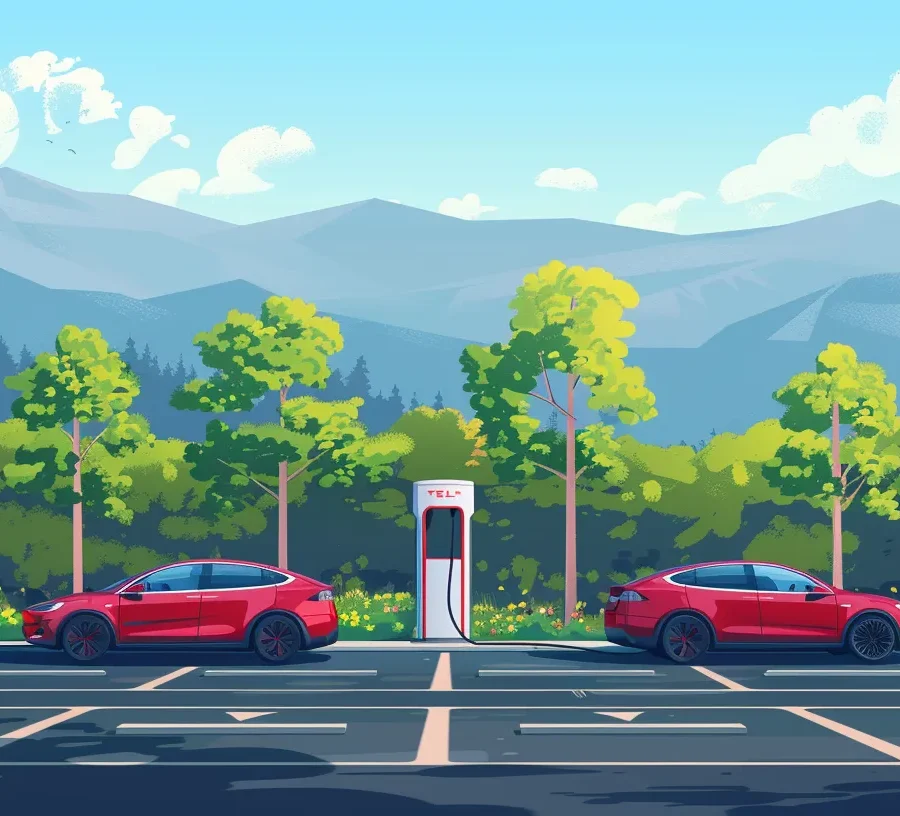
Unlike highway fast charging, destination charging is designed for locations where vehicles remain parked for extended periods — such as hotels, shopping malls, restaurants, office buildings, and tourist attractions.
This guide explains how destination charging works and how to deploy it effectively.
1. What Is Destination Charging?
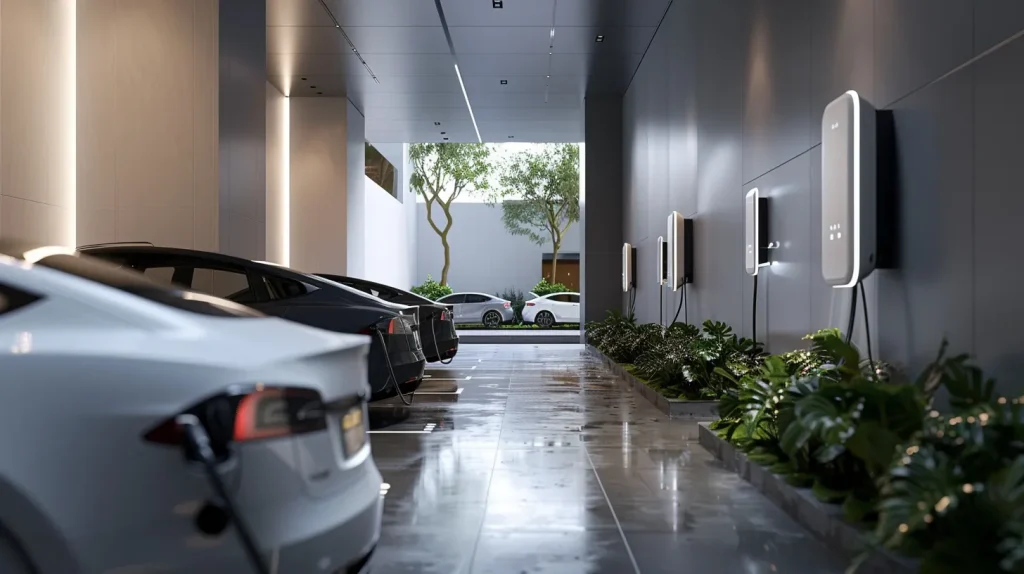
Destination charging refers to EV charging infrastructure installed at locations where drivers naturally spend time.
It typically relies on Level 2 AC charging, powered by Alternating current
Because vehicles are parked for 1–8 hours, AC charging provides sufficient energy without the cost and grid impact of DC fast charging.
This model contrasts with highway charging networks focused on rapid turnover.
2. Why Destination Charging Makes Commercial Sense
Destination charging provides multiple commercial advantages:
- Increases customer dwell time
- Attracts EV-driving demographics
- Enhances ESG positioning
- Differentiates property value
- Supports long-term electrification goals
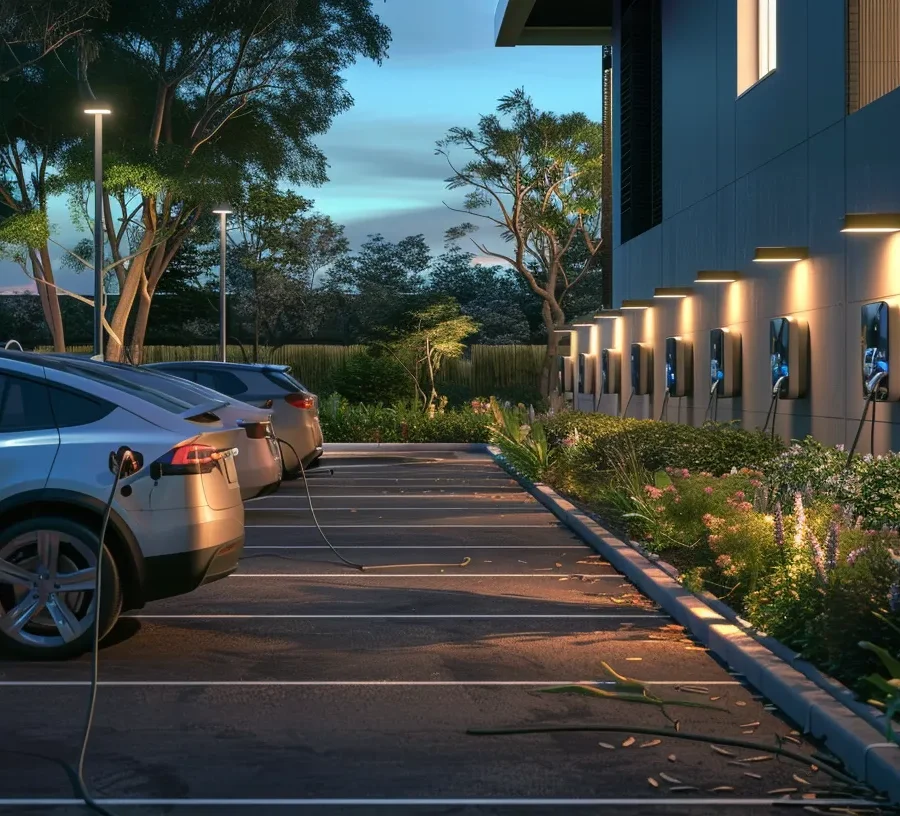
For hotels and resorts, overnight charging becomes a competitive amenity. For shopping centers, charging aligns with extended visit durations.
3. Electrical Infrastructure Considerations
Most commercial buildings operate using
Three-phase electric power
This enables deployment of 11kW–22kW AC chargers efficiently.
Before installation, properties should assess:
- Transformer rating
- Peak load history
- Available spare capacity
- Conduit routing feasibility
A structured electrical assessment prevents overload and avoids unnecessary grid upgrades.
4. Smart Load Management Is Essential
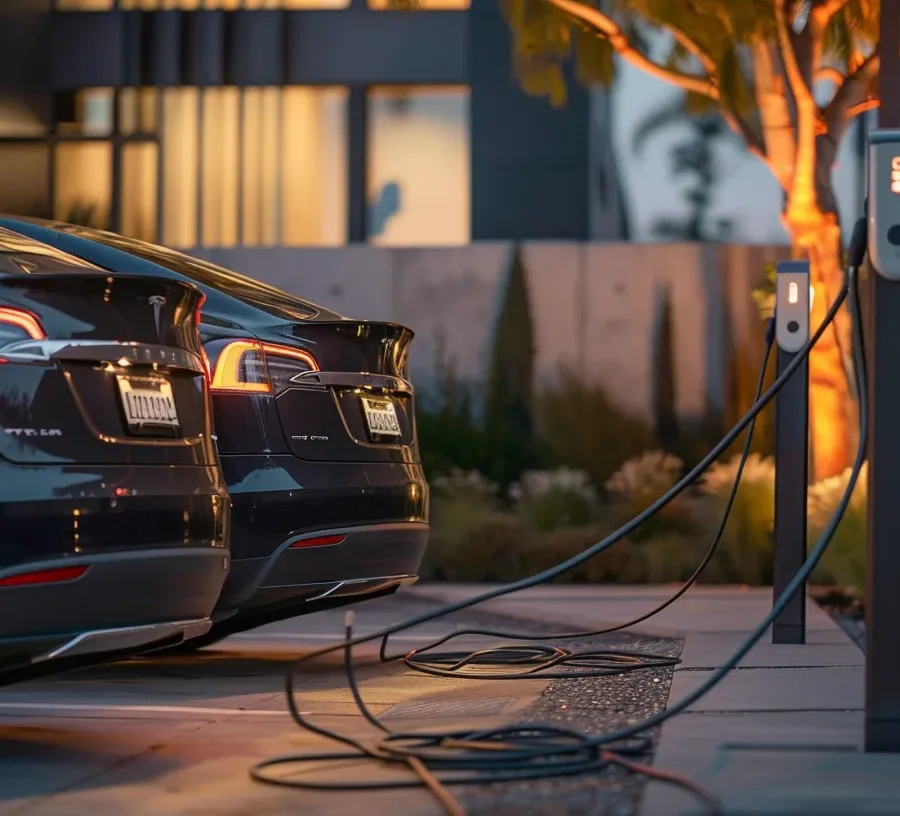
When multiple vehicles charge simultaneously, uncontrolled load can exceed service limits.
Destination charging systems should implement Dynamic Load Management (DLM), aligned with Smart grid principles.
Benefits include:
- Real-time load balancing
- Avoidance of peak demand penalties
- Infrastructure protection
- Scalable expansion
For commercial properties, smart charging protects both operational stability and operating margins.
5. User Access & Network Integration
Destination charging environments often require:
- Open public access
- Guest authentication
- Usage tracking
- Billing capability
Most commercial chargers integrate with backend systems via
Open Charge Point Protocol (OCPP)
This enables:
- Remote monitoring
- Access control (RFID / app)
- Data reporting
- Multi-site management
Connectivity transforms chargers from hardware into managed infrastructure.
6. Safety and Compliance
Commercial EV charging must comply with electrical safety standards, including:
- Residual-current device (RCD) protection
- Proper Earthing system
- Surge protection
- Certified components compliant with standards issued by the International Electrotechnical Commission
Compliance reduces liability and ensures long-term operational reliability.
Conclusion
Destination charging is not merely an amenity — it is commercial infrastructure.
For properties such as hotels, malls, office buildings, and tourist facilities, properly deployed AC destination charging:
- Enhances customer experience
- Protects electrical systems
- Controls energy costs
- Supports scalable expansion
The key to success lies in structured electrical planning, smart load management, and network integration.
About QIAO
QIAO specializes in commercial-grade AC destination charging solutions tailored for:
- Hotels and resorts
- Shopping centers
- Office buildings
- Parking facilities
- Mixed-use developments
Our wall-mounted AC chargers integrate dynamic load management and OCPP compatibility, allowing scalable deployment without unnecessary grid upgrades.
For commercial properties seeking reliable destination charging infrastructure, QIAO provides technically optimized solutions aligned with real-world operational requirements.
FAQ
1. Is AC charging sufficient for destination environments?
Yes. Because vehicles remain parked for extended periods, Level 2 AC charging provides adequate daily range without the cost of DC fast charging.
2. How many chargers should a property install?
Initial deployment often covers 5–15% of parking capacity, with expansion based on demand growth.
3. Does destination charging require grid upgrades?
Not always. With dynamic load management, many properties can deploy AC chargers within existing electrical capacity.
4. Can destination chargers be monetized?
Yes. OCPP-enabled systems allow pay-per-use billing or integration into property service offerings.