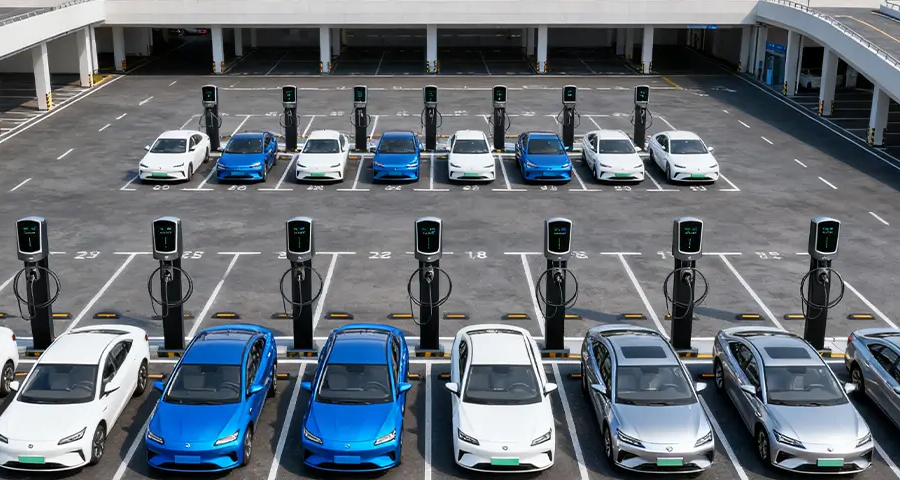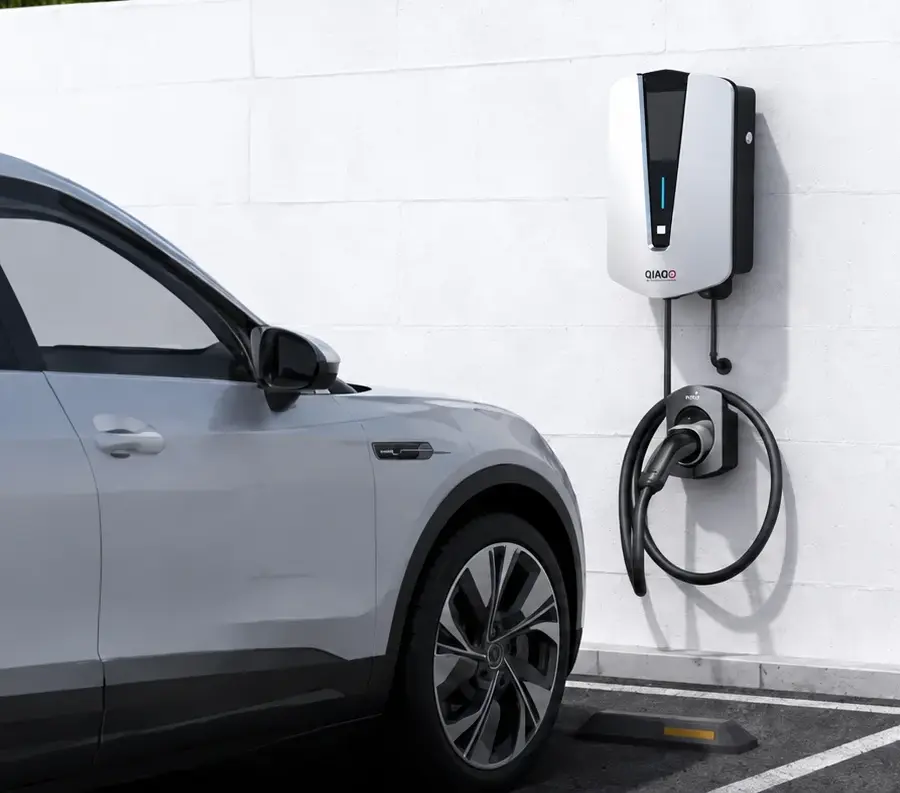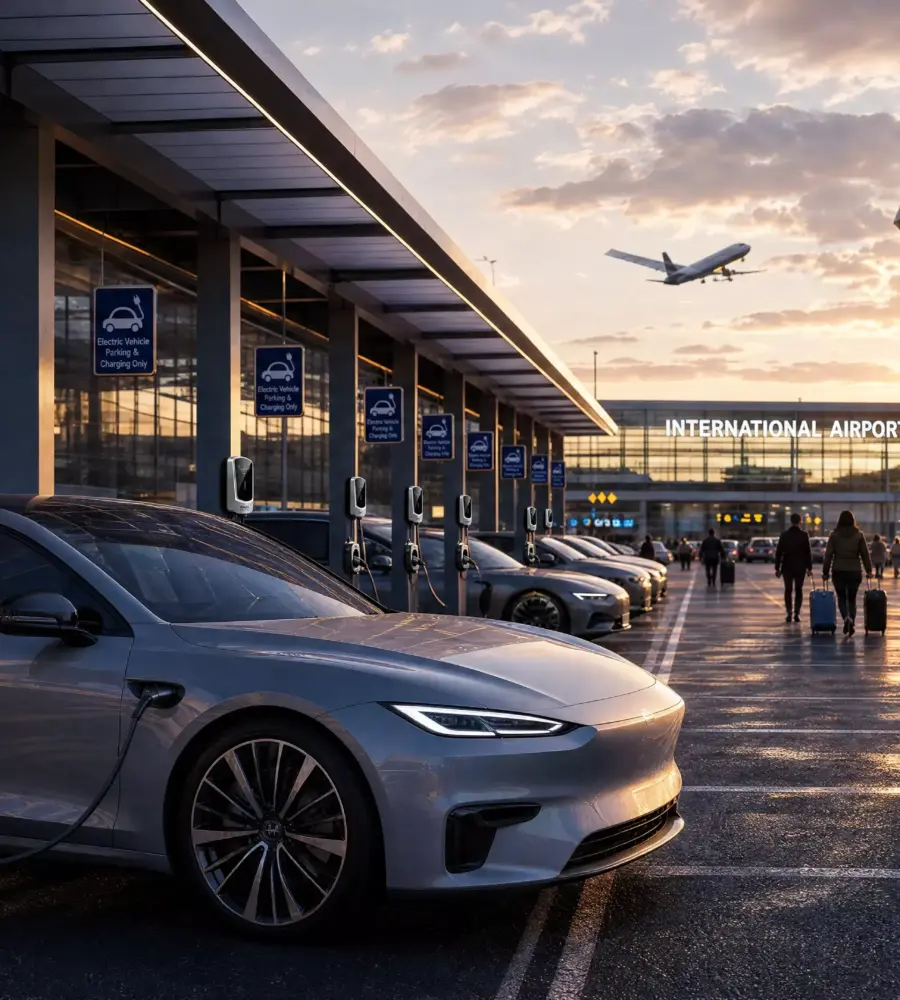

EV charging for hotels allows guests to recharge while they sleep, attend meetings or use on-site facilities. AC charging often suits overnight parking because vehicles can remain connected for several hours. The right setup still depends on guest demand, vehicle compatibility and your hotel’s electrical capacity.
Start by deciding who will use the chargers and what service you want to offer. Then plan the number of charging ports, available power, access rules and pricing together. This guide explains how to make those choices, assess installation and operating costs, and compare supplier proposals before ordering equipment for your hotel or resort.
Why Offer EV Charging at Your Hotel?
EV charging gives hotels a service for guests who want to recharge during their stay. It can make your property more appealing to EV drivers, but the business case depends on demand and service reliability.
Hotel EV charging projects can serve three business goals:
- Guest Convenience: Offer charging as an amenity for overnight guests, conference attendees or restaurant visitors who would otherwise need to charge elsewhere.
- Cost Recovery: Charge enough to cover electricity and other charging-related operating costs, while keeping the service useful to guests.
- Additional Revenue: Assess whether expected charging income can cover operating costs and contribute toward the initial investment.
Use guest enquiries, parking patterns and nearby charging options to assess demand. Track whether charging influences bookings rather than assuming it will increase occupancy. Keep charging details accurate on your website and booking listings so potential guests can understand the service before reserving a room.
Which Chargers Suit Your Hotel or Resort?
Choose chargers based on parking duration, vehicle compatibility and available electrical capacity.
AC Charging for Overnight Stays
The U.S. Department of Energy’s Alternative Fuels Data Center (AFDC) lists hotels among locations where long parking periods can suit Level 1 or Level 2 charging. In Europe, common AC charging options include 7, 11 and 22 kW. North American Level 2 charging uses 208 V or 240 V AC.
Actual power also depends on the vehicle and supply. A car limited to 11 kW AC will not receive 22 kW from a higher-rated charger. North American 120 V Level 1 charging may serve low-energy needs, but assess how much energy it can deliver during the stay.
When DC Fast Charging Is Worth Considering
Consider DC charging for short-stay visitors or vehicles with demanding turnaround schedules. Check expected use, installation costs and electrical requirements before adding it.
| Planning Factor | AC Charging | DC Fast Charging |
| Parking Pattern | Overnight or several hours | Shorter stops |
| Electrical Demand | Depends on total installed power and controls | Typically higher power per port |
| Project Budget | Assess equipment and installation | Assess equipment, installation and potential supply upgrades |
Connector and Cable Compatibility
Match connectors to your market, including Type 2, J1772, NACS or GB/T AC where required. Confirm how your chosen equipment will serve the vehicles guests drive.
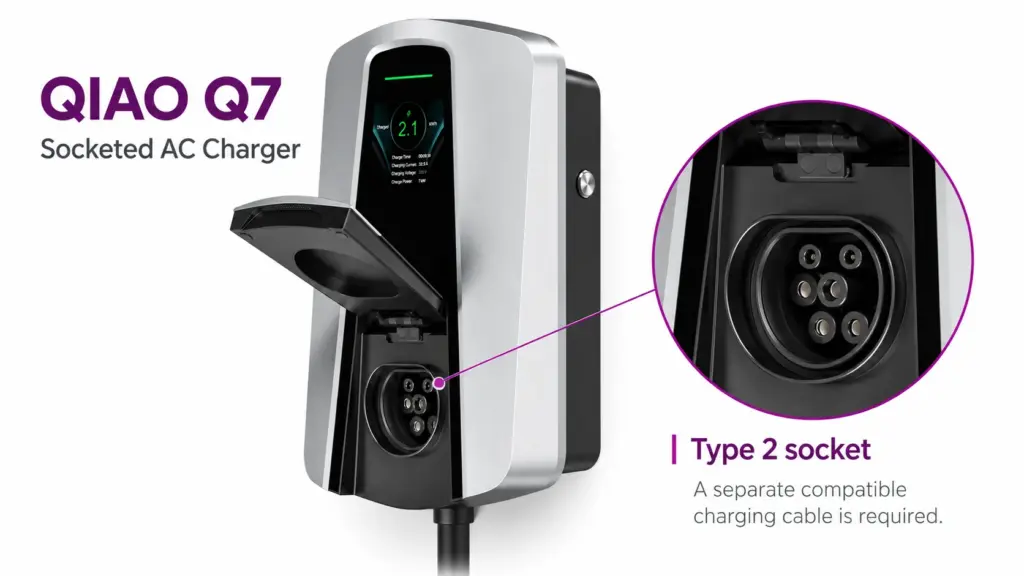
Tethered chargers have an attached cable, while socketed chargers require a separate compatible cable. For example, the QIAO Q7 commercial charger uses a Type 2 socket. Decide whether guests bring their own cable or the hotel provides one, and confirm the required cable length before ordering.
How Many Charging Ports and How Much Power Do You Need?
Plan the number of charging ports separately from the power available to them. Ports determine how many cars can connect at once. Available power affects how much energy those cars can receive during their stay.
Estimate Peak-Night Demand
Estimate how many vehicles will need charging on a busy night. Use occupancy levels, the proportion of guests arriving by car and the expected EV share. Adjust for multiple vehicles per booking and guests who do not need to charge.
Record arrival and departure times, too. Overnight guests, conference visitors and employees may need charging during different periods. Count how many vehicles need access at the same time rather than relying on a fixed charger-to-room ratio.
Set a Site Power Budget
Estimate the energy vehicles need and the time available to deliver it.
Illustrative Example: Six cars each need 25 kWh from the supply, including charging losses. With all six connected for ten hours, they need 150 kWh in total, equivalent to an average of 15 kW across the chargers.
That average is an energy estimate, not an electrical design rating. One guest needing 25 kWh within five hours would require an average of 5 kW during that window. Check whether the vehicle, charger and power allocation can support it.
Load management can distribute available capacity, but it cannot create extra power or guarantee every charging target.
Plan for Seasonal Demand and Expansion
Allow for holiday peaks, events and longer resort stays. Start with a defined service capacity and identify where additional ports could go.
Track charging requests you could not accommodate, waiting times and whether vehicles receive the energy requested before departure. Use these records to decide whether you need more ports, more power or different operating rules.
What Site and Electrical Checks Are Needed?
Arrange a site assessment for your charging installation with a qualified electrical professional before approving charger locations or installation work. Check the supply, parking layout and connections needed for your proposed setup.
The U.S. Department of Energy’s AFDC recommends contacting the utility early to identify installation needs, costs, and any required electrical supply upgrades.
Hotel charging site assessments should cover these areas:
- Electrical Supply: Review the hotel’s peak demand, including kitchens, air conditioning and laundry. Confirm available capacity, supply type and the required circuits, wiring, grounding and protective devices.
- Cable Routes: Measure the distance from the electrical supply to proposed chargers. Identify trenching, wall penetrations and any work that could disrupt guest parking or hotel operations.
- Parking Layout: Check cable reach for different vehicle positions. Keep cables clear of walking routes and consider lighting, vehicle protection and applicable accessibility requirements.
- Network Coverage: Test the connection where chargers will operate. Hotel Wi-Fi may not reach outdoor parking or underground garages; wired or cellular connections may be needed.
- Local Requirements: Confirm permits, inspections and any metering requirements for paid charging with the relevant local professionals and authorities.
Remote resorts may face limited supply capacity or lengthy upgrade work. Assess whether a phased installation can work within existing capacity while you plan any required supply upgrade. Reserve cable routes and space for future equipment.
Include existing or planned solar and battery systems in the assessment. Check whether solar generation matches charging hours; overnight demand may need grid electricity or stored energy.
Which Access, Billing and Management Features Do You Need?
Choose management features around who can charge, how sessions start and whether you collect payment. Define these requirements before selecting a platform.
A hotel charging system should support the functions your operating plan requires:
| Hotel Requirement | Function to Consider | What to Confirm |
| Guest-Only Access | RFID cards, access codes or staff approval | How staff grant and revoke access, and when it expires |
| Paid Charging | Energy records, pricing and payment processing | How the system bills guests, transfers payments to the hotel and applies transaction fees |
| Power Control | A shared site limit or dynamic load management | Which chargers, meters, controllers and software are needed |
| Fault Visibility | Charger status, session records and alerts | Which faults are reported and who receives notifications |
Choose a starting method guests can use easily. Compare an app, QR-based web payment, or a hotel-issued card, including any required account setup.
The Open Charge Point Protocol (OCPP) defines communication between chargers and management software. OCPP support alone does not confirm that your chosen setup provides payment, reservations or hotel-system integration. Check the functions supported by the exact charger and platform combination.
Room-key access and charging fees added to room bills require compatible hotel systems and may involve extra integration work. Confirm availability, costs and support responsibilities before including them in your service.
Hotel groups may also need one dashboard for several properties, with separate access rights for each local team.
What Will Hotel EV Charging Cost, and How Should You Charge Guests?
Budget for installation and ongoing operation before choosing a pricing model. Separate the goal of recovering costs from earning a return on the investment.
Compare the Full Project Cost
Installation costs include chargers, electrical work, cable routes, mounting, commissioning and any required supply upgrades. Trenching across a car park can make two otherwise similar projects cost very different amounts.
Ongoing expenses include electricity, platform subscriptions, network connections, payment processing, maintenance and support. Check whether the electricity tariff includes demand charges.
Request itemised quotes for the equipment, installation and charging services you need. Check one-time costs, recurring fees and work excluded from each quote.
Choose Ownership and Operating Responsibilities
A hotel-owned system gives you control over the equipment, subject to your software and service agreements. It also leaves you responsible for the costs and maintenance arrangements.
A third-party operator may fund or manage some of the project. Confirm who owns the equipment, pays electricity bills, sets prices and receives charging income. Review the contract term, revenue-sharing basis and exit arrangements. An offer with no upfront equipment charge may still involve installation costs or long-term commitments.
Set a Clear Pricing Policy
Choose complimentary charging, usage-based fees or a room-and-parking package according to your service goals. Compare expected income with ongoing expenses and the initial investment; charging revenue is not the same as profit.
Show parking, energy, session and any overstay fees before charging begins. Check whether third-party apps or charging cards apply different tariffs. Confirm local billing and metering requirements before launching paid charging.
How Should Hotels Manage Charging Day to Day?
Manage hotel charging with clear parking rules, assigned staff responsibilities and a simple support process. Agree on these arrangements before opening the chargers to guests.
Hotel charging procedures should cover the following tasks:
- Set Access Expectations: Explain whether charging is reserved, first come, first served or subject to availability. Tell late-arriving guests what to expect. A software reservation alone does not keep a parking space clear.
- Define Overnight and Daytime Rules: Set an overnight parking window and a daytime rotation policy. Explain movement deadlines before arrival, rather than expecting guests to move their cars when charging finishes at 3 a.m.
- Manage Occupied Spaces: Assign someone to handle non-charging vehicles, unauthorised users and cars left beyond the agreed period. Give staff a consistent way to contact the driver.
- Prepare Front-Desk Support: Provide simple instructions for starting a charging session, the charging operator’s contact details and a fault-reporting process. Make clear which issues staff can handle and which require technical support.
- Check Service Availability: Arrange routine inspections and charging checks. An online status does not confirm that a charger can complete a session.
For valet charging, define who connects, disconnects and moves vehicles. Keep charger details and operating rules consistent across your website, booking channels, parking signs and charging listings.
What Should You Confirm Before Ordering?
Confirm the exact equipment, delivery scope and acceptance checks in writing before placing an order. Your purchase documents should show what each company will supply and what remains the hotel’s responsibility.
Use the hotel charging requirements below to check the final proposal:
- Project Brief: Give equipment suppliers and installers the project location, planned port count, available supply and operating requirements. Identify assumptions that still need a site check.
- Equipment and Compatibility: Confirm model numbers, connector types, cable arrangements and required accessories. Obtain applicable product documents and written confirmation of compatibility with your selected management platform.
- Installation and Service Scope: Establish who supplies, installs, configures and commissions each part of the system. Identify work or services outside the equipment order, including platform setup and ongoing support.
- Acceptance Checks: Agree who will test the required functions before handover. Include charging with a compatible vehicle, access permissions, energy records and payment where specified. Verify power sharing under simultaneous sessions and the agreed behaviour when the network connection is lost and restored.
- Warranty and Fault Support: Confirm when coverage starts, which parts and labour it includes, and the repair or replacement process. Record separate contacts for equipment, installation and platform faults.
Resolve any remaining gaps before approving the order, or record who must resolve them and by when.
About QIAO Charger
QIAO Charger supplies commercial AC EV chargers for hotels, resorts and other shared parking sites. Our chargers support OCPP 1.6J for communication with compatible charging management systems. Confirm access, billing and load-management requirements against the selected charger, controller and platform.
Share your project location, planned port count, available electrical supply and operating requirements to discuss suitable configurations and request model-specific specifications. We also work with distributors and installers sourcing AC charging equipment for hotel projects.