Table of Contents
Emergency EV Charging Scenarios
Emergency EV charging scenarios refer to situations where electric vehicles must be charged under time pressure, limited infrastructure, or unexpected conditions. While EV charging is usually planned and predictable, real-world operations often require backup solutions to ensure mobility, safety, and business continuity.
This article explains common emergency charging scenarios, technical requirements, and how commercial charging infrastructure can be designed to handle them.
What Is Emergency EV Charging?
Emergency EV charging does not necessarily mean high-power fast charging. Instead, it refers to charging under non-ideal or urgent conditions, such as:
- Power outages or partial grid failures
- Vehicles running critically low on battery
- Unexpected route changes or extended operation
- Infrastructure downtime
In these cases, the goal is restoring minimum operational range, not achieving a full charge.
Common Emergency Charging Scenarios
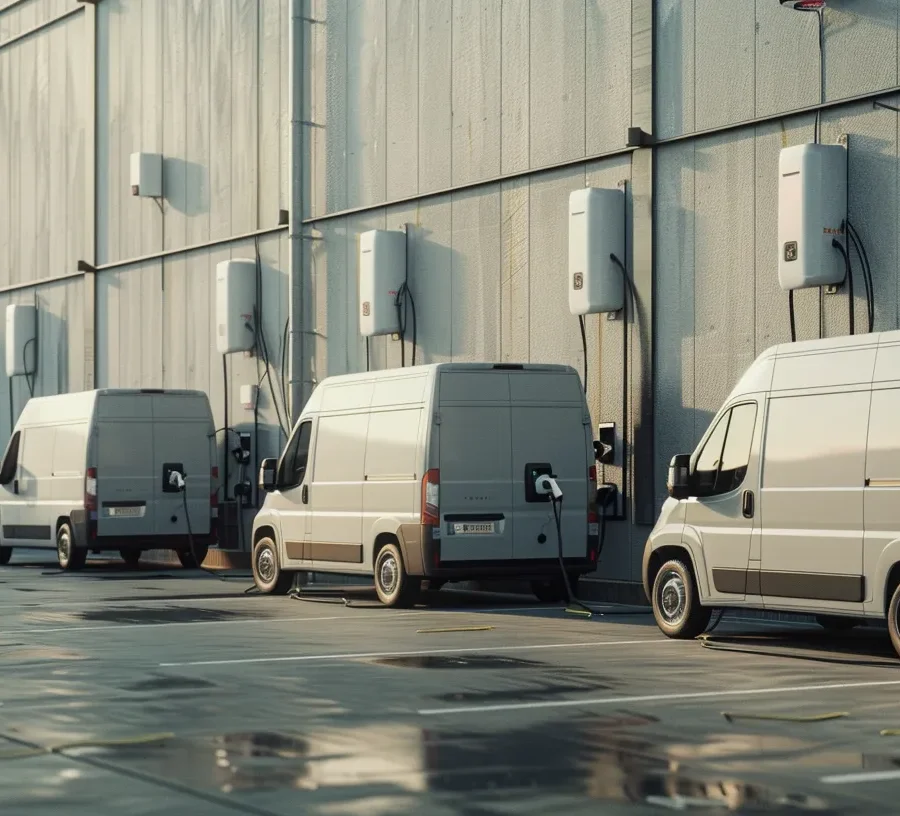
Fleet Operations Under Time Pressure
Service fleets, logistics vehicles, or maintenance teams may need to recharge quickly to complete urgent tasks.
Even short charging sessions can provide enough range to finish critical operations.
Public Parking and Urban Incidents
Vehicles parked in public garages or roadside facilities may require emergency charging due to:
- Driver misjudgment of remaining range
- Charger availability issues
- Traffic or weather disruptions
Reliable access to basic charging infrastructure becomes essential.
Power Instability or Grid Limitations
In some regions, voltage drops or temporary outages limit charging availability.
Chargers that can operate safely under unstable power conditions help maintain basic functionality.
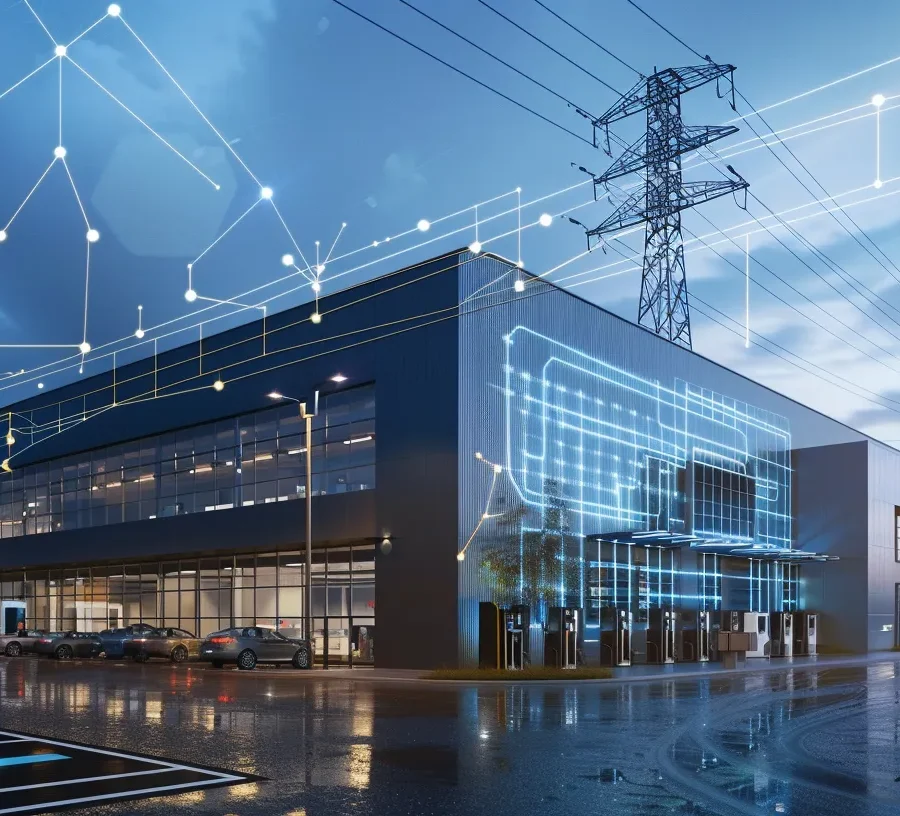
Commercial Sites During Peak Demand
Retail centers, hospitals, hotels, or campuses may experience sudden demand surges.
Emergency charging ensures critical vehicles—security, service, or management—remain operational.
Technical Requirements for Emergency Charging
Emergency charging scenarios place specific demands on charging equipment.
High Reliability
Chargers must function consistently with minimal downtime, even under suboptimal conditions.
Wide Input Voltage Compatibility
Support for a wide voltage range helps chargers remain operational when grid conditions fluctuate.
Fast Startup and Simple Operation
In emergencies, users cannot rely on complex procedures.
Plug-and-charge or RFID-based access is often preferred.
Thermal and Electrical Protection
Overcurrent, overheating, and surge protection are critical to prevent equipment damage during irregular operation.

AC Charging in Emergency Scenarios
Although DC fast charging is often associated with urgency, AC chargers play an important role in emergency use cases.
Advantages include:
- Lower dependency on high-capacity grid connections
- Easier installation in diverse locations
- Higher reliability under constrained power conditions
Even a short AC charging session can provide enough energy for emergency mobility.
Planning Emergency Charging into Infrastructure Design
Emergency charging should not be an afterthought.
Recommended planning strategies:
- Install chargers in accessible, well-marked locations
- Ensure at least one charger remains available during peak usage
- Integrate remote monitoring for fault alerts
- Combine charging with backup power or load management systems
Proactive design reduces operational risk and improves user confidence.
Emergency Charging and User Experience
In urgent situations, user experience matters.
Key considerations:
- Clear instructions and status indicators
- Reliable cable management
- Visible fault and charging status
- Minimal dependency on mobile apps
Simplicity improves response time and reduces stress during emergencies.
Conclusion: Emergency Charging as a Resilience Strategy
Emergency EV charging scenarios highlight the importance of robust, flexible, and reliable charging infrastructure. Businesses and fleet operators that plan for these situations gain operational resilience and reduce the risk of vehicle downtime.
Charging systems designed with emergency use in mind are better prepared for real-world unpredictability.
How QIAO Supports Emergency Charging Scenarios
QIAO provides commercial AC EV charging solutions designed for reliability, safety, and wide electrical compatibility. Our wall-mounted chargers support stable operation under variable grid conditions, smart protection mechanisms, and scalable deployment across commercial and public environments.By integrating QIAO chargers into your infrastructure, emergency charging becomes a planned capability, not a last-minute workaround.