Table of Contents
EV Charger Installation: A Practical Guide for Commercial Projects
As electric vehicle adoption accelerates worldwide, ev charger installation has become a critical infrastructure decision for commercial properties, fleet operators, and energy solution providers. A well-executed installation is not only about mounting hardware—it directly affects safety, uptime, scalability, and total cost of ownership.
For B2B buyers, understanding the technical, regulatory, and operational aspects of EV charger installation is essential to avoid costly redesigns and long-term performance issues.
What EV Charger Installation Involves in Commercial Environments
Unlike residential setups, commercial EV charger installation requires structured planning across multiple dimensions:
- Electrical capacity assessment
- Load management and distribution design
- Local code and safety compliance
- User access and operational workflow
- Future scalability planning
In commercial projects, improper installation often leads to downtime, overheating risks, or limited expansion capability. This is why professional-grade chargers and experienced solution providers are critical.
QIAO supports commercial customers by delivering AC EV charging solutions designed specifically for stable, compliant, and scalable deployment.
Key Technical Factors in EV Charger Installation
Electrical Infrastructure and Load Planning
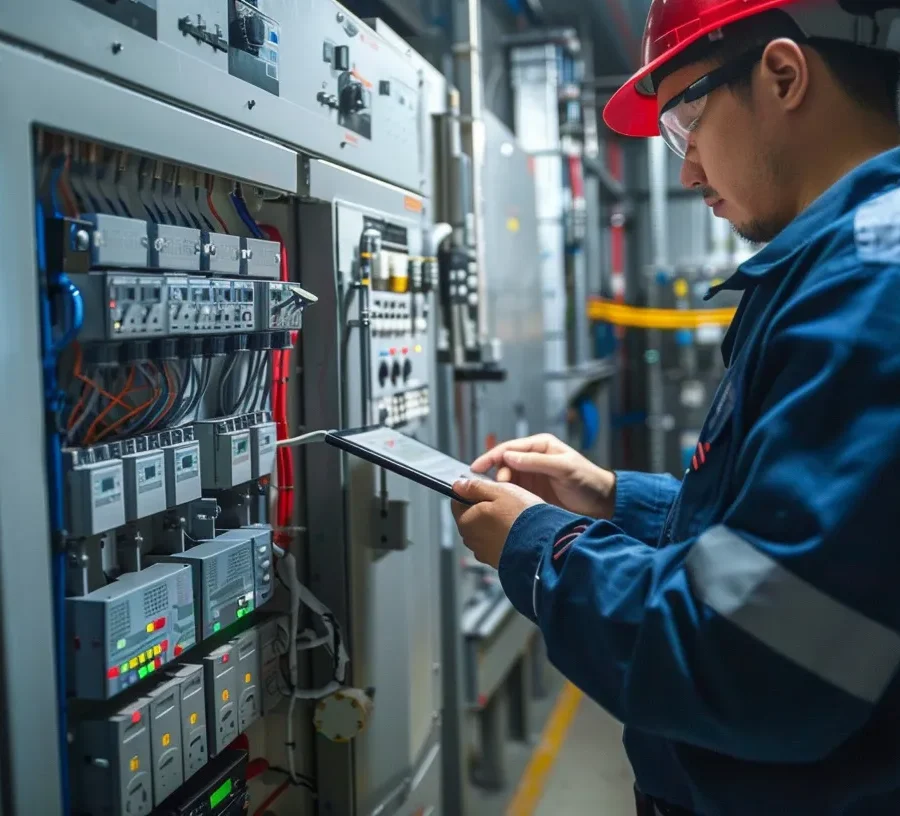
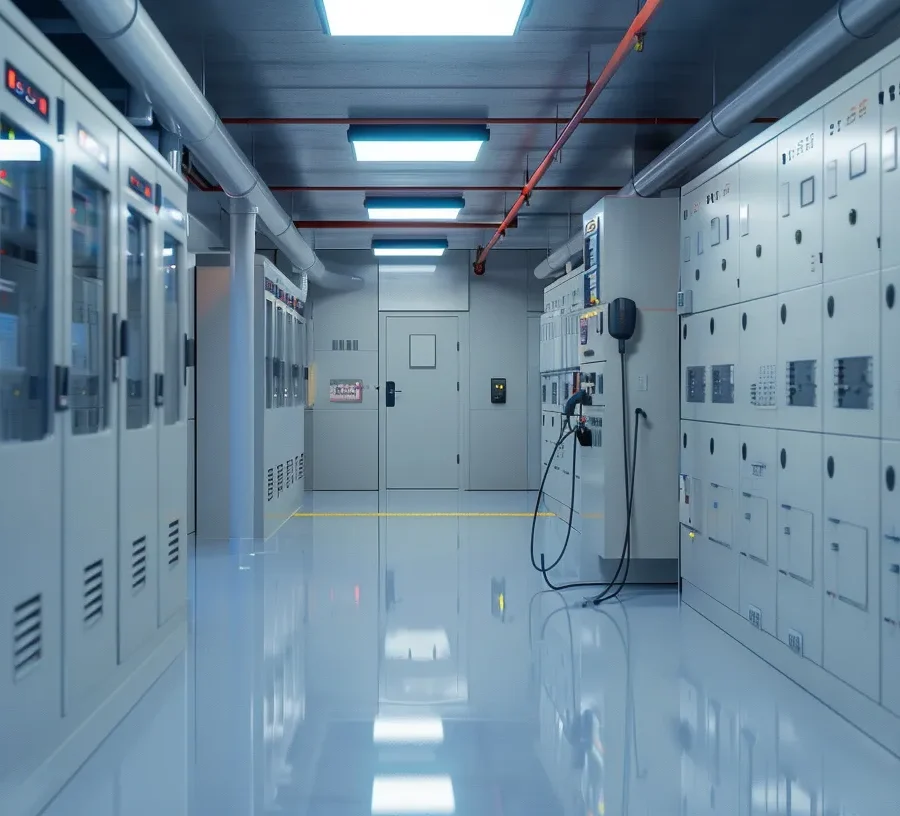
One of the most important steps in ev charger installation is evaluating the existing electrical infrastructure. Commercial sites often require:
- Three-phase power compatibility
- Dedicated circuits per charging point
- Load balancing to prevent peak overload
- Integration with building energy systems
Ignoring load planning can result in tripped breakers, reduced charging performance, or the need for expensive upgrades after deployment.
Compliance, Safety, and Certification
Commercial EV charger installation must follow strict electrical and safety standards. These typically include:
- Local electrical codes and inspection requirements
- International certifications such as CE or UL
- Grounding, surge protection, and thermal management
QIAO chargers are designed with compliance in mind, helping partners reduce installation risks and streamline project approval processes.
Mounting, Environment, and Accessibility
Installation conditions vary widely across projects:
- Indoor parking garages
- Outdoor commercial lots
- Fleet depots and logistics hubs
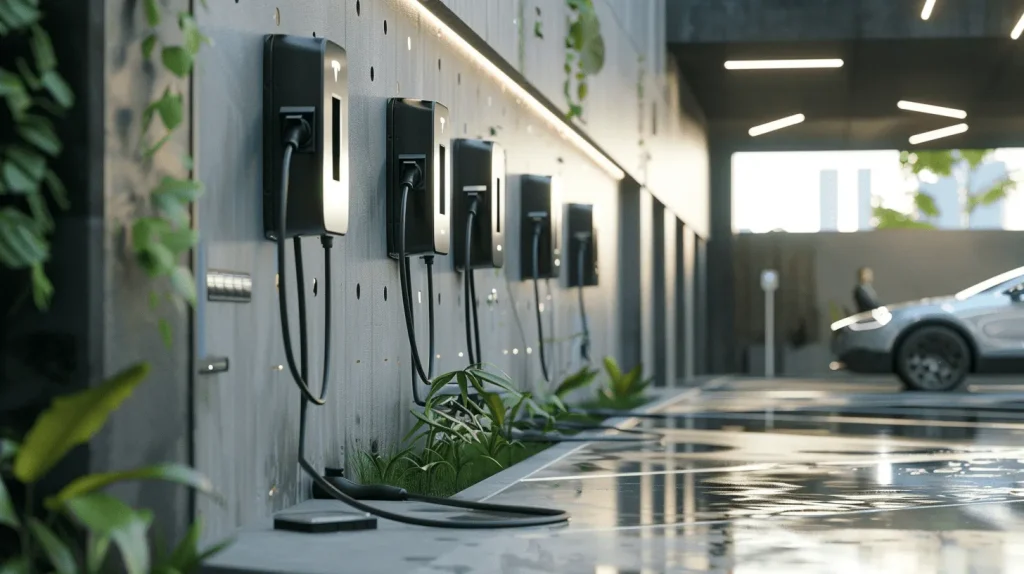
Installers must consider wall or pedestal mounting, cable management, environmental protection, and user accessibility. A poorly chosen location can reduce charger lifespan and user adoption.
Common Challenges in Commercial EV Charger Installation
Even experienced operators face challenges during deployment:
- Underestimated electrical capacity
- Unclear local permitting processes
- Poor coordination between contractors
- Chargers not designed for commercial duty cycles
These issues highlight why hardware selection and solution design must align with long-term operational requirements, not just initial cost.
QIAO addresses these challenges by offering technically robust AC EV chargers and clear installation guidance for B2B partners.
Choosing the Right Hardware for EV Charger Installation
Not all chargers are suitable for commercial use. When selecting equipment, decision-makers should prioritize:
- Continuous operation reliability
- Modular and scalable architecture
- Clear installation documentation
- Compatibility with commercial workflows
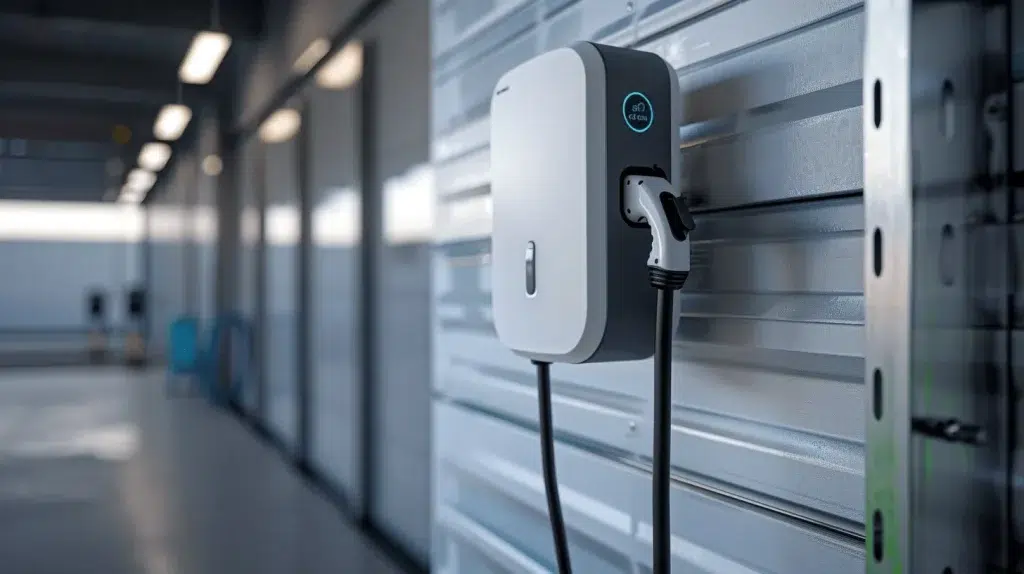
QIAO’s product portfolio is engineered to support commercial EV charger installation scenarios, from small pilot projects to multi-site deployments.
Long-Term Performance After Installation
Successful ev charger installation does not end on day one. Long-term considerations include:
- Routine inspection and maintenance
- Software and firmware updates
- Spare parts availability
- Expansion readiness
A charger that is difficult to service or upgrade can become a bottleneck as EV demand grows.
QIAO works with partners to ensure installed systems remain reliable throughout their lifecycle, reducing downtime and operational risk.
Why Professional EV Charger Installation Matters for B2B Projects
For commercial stakeholders, EV charger installation directly impacts:
- Project ROI
- User satisfaction
- Regulatory compliance
- Brand reputation
Professional installation, combined with commercial-grade hardware, creates a foundation for sustainable and scalable EV infrastructure.
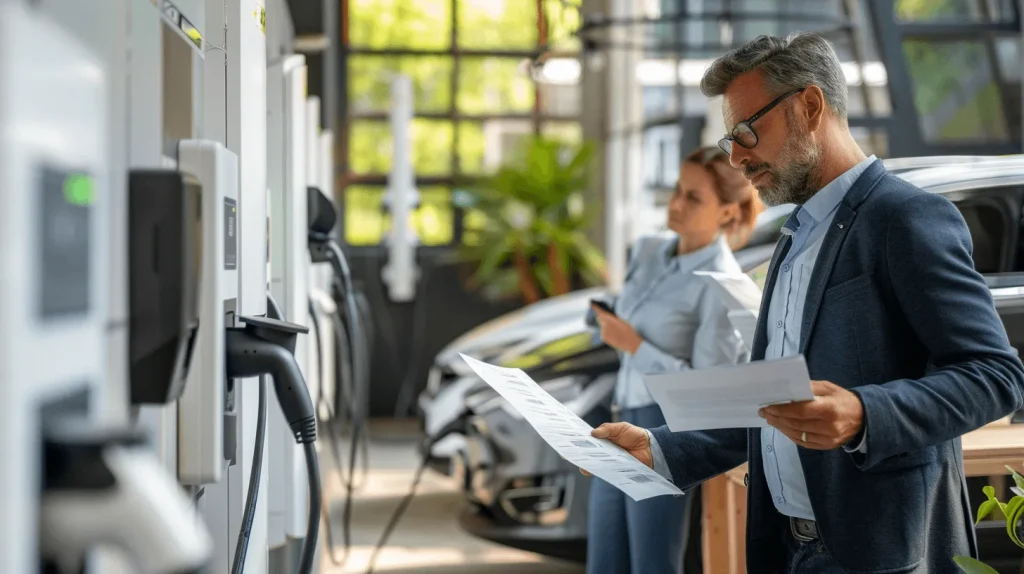
Conclusion: Partnering for Reliable EV Charger Installation
As demand for EV infrastructure continues to rise, ev charger installation has become a strategic investment rather than a simple technical task. Commercial success depends on proper planning, compliant hardware, and long-term operational support.
QIAO provides B2B partners with reliable AC EV charging solutions designed for efficient installation and dependable performance across commercial environments.
If you are planning a new project or expanding existing infrastructure, working with an experienced EV charging solution provider can significantly reduce risk and accelerate deployment.
Explore how QIAO supports professional EV charger installation for commercial projects through tailored solutions and technical expertise.