Table of Contents
Thermal Management During EV Charging
Why Heat Control Defines Safety, Efficiency, and Charger Lifespan
Thermal management is one of the most critical—yet often overlooked—aspects of EV charging systems.
Whether in residential, commercial, or fleet environments, effective heat control directly impacts charging safety, system stability, and long-term equipment reliability, especially for AC EV chargers designed for long-duration operation.
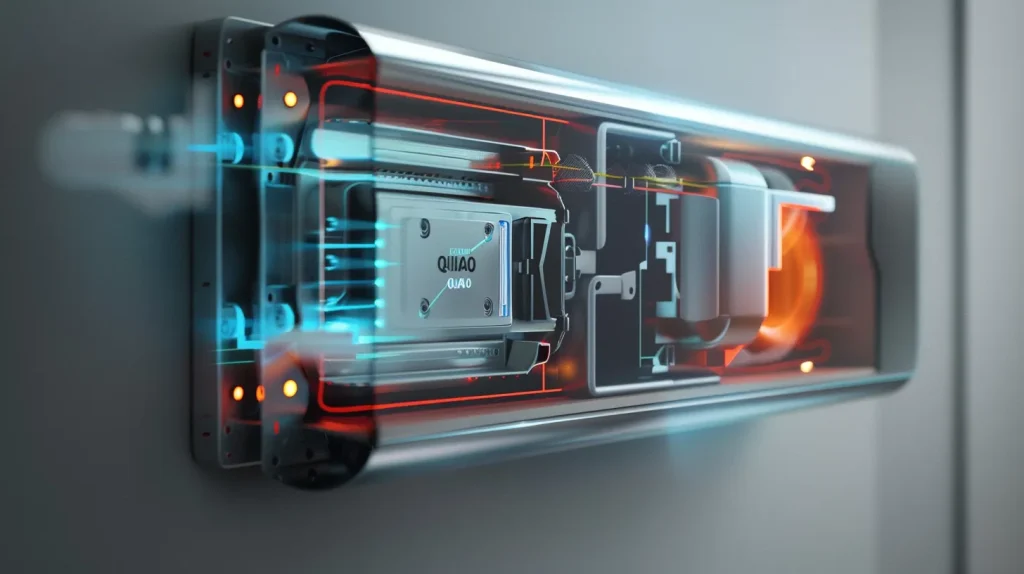
Why Heat Is Unavoidable During Charging
Heat generation during charging is a natural result of energy conversion and electrical load. Key sources include:
- Power conversion losses (AC to DC inside the vehicle)
- Electrical resistance in cables and connectors
- Heat generated by contactors, relays, and power electronics
- Ambient temperature and enclosure heat buildup
As charging duration increases or multiple vehicles charge simultaneously, thermal accumulation becomes a real operational risk.
Risks of Poor Thermal Management
Thermal issues do not always result in visible failures. More often, they cause gradual performance degradation:
- Reduced charging power due to thermal derating
- Accelerated aging of internal components
- Increased fault frequency and unexpected shutdowns
- Shortened charger service life
- Higher maintenance and replacement costs
For commercial and fleet operators, these issues translate directly into downtime and lost operational efficiency.
Thermal Management Priorities in AC Charging
Unlike DC fast charging, AC charging focuses on stability, endurance, and continuous operation. Key thermal management considerations include:
Power Component Heat Dissipation
Critical heat-generating components include:
- Contactors and relays
- Control boards
- Power supply modules
Optimized internal layout and heat pathways help prevent localized overheating.
Enclosure Design and Material Selection
Thermal performance is strongly influenced by:
- Enclosure materials with good heat conductivity
- Internal airflow and convection paths
- Balancing IP protection with heat dissipation
A higher IP rating does not automatically mean better thermal performance—design balance is essential.
Temperature Monitoring and Intelligent Protection
Professional AC chargers typically integrate:
- Multi-point temperature sensing
- Automatic power reduction at high temperatures
- Emergency shutdown under extreme conditions
These mechanisms ensure long-term safe operation rather than peak short-term performance.
How Thermal Management Affects Charging Efficiency
Temperature has a direct impact on system efficiency:
- Higher temperatures increase electrical losses
- Power electronics operate less efficiently under heat stress
- Vehicles may limit charging current to protect the battery
The result is slower charging and lower energy efficiency—even if the charger appears to be operating normally.
High-Usage Scenarios Where Thermal Management Matters Most
Thermal design becomes especially critical in:
| Scenario | Thermal Challenge |
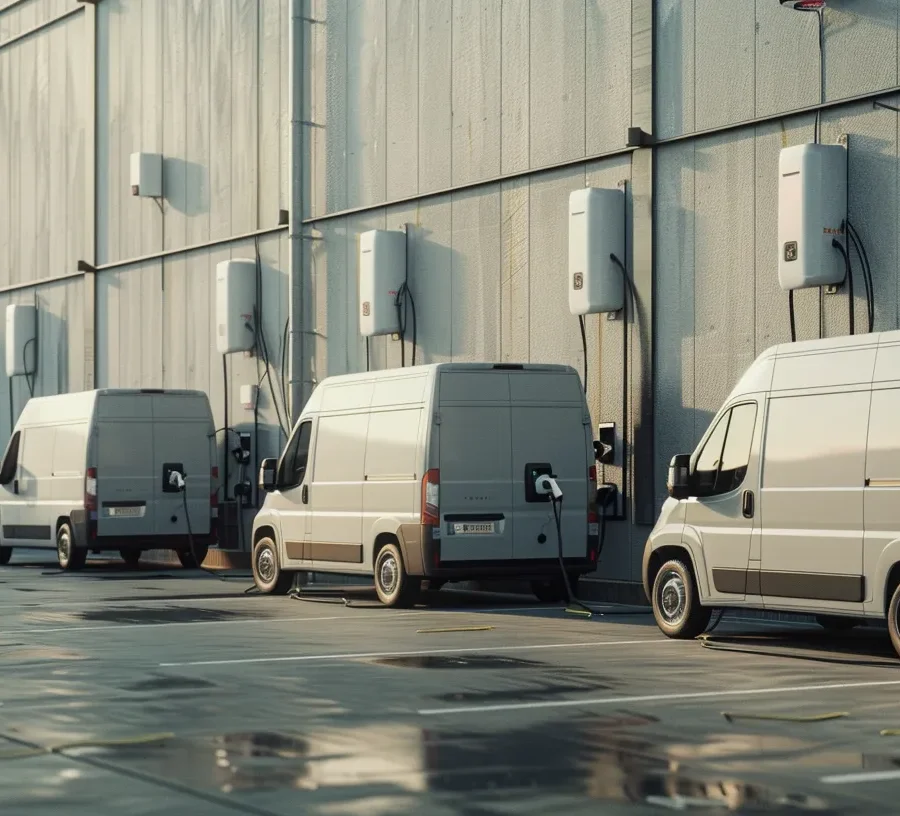
| Fleet depots | Overnight simultaneous charging |
| Commercial buildings | Long daily operating hours |
| Outdoor installations | High ambient temperature and sun exposure |
| Underground parking | Limited ventilation |
In these environments, stable thermal performance is more important than peak power ratings.
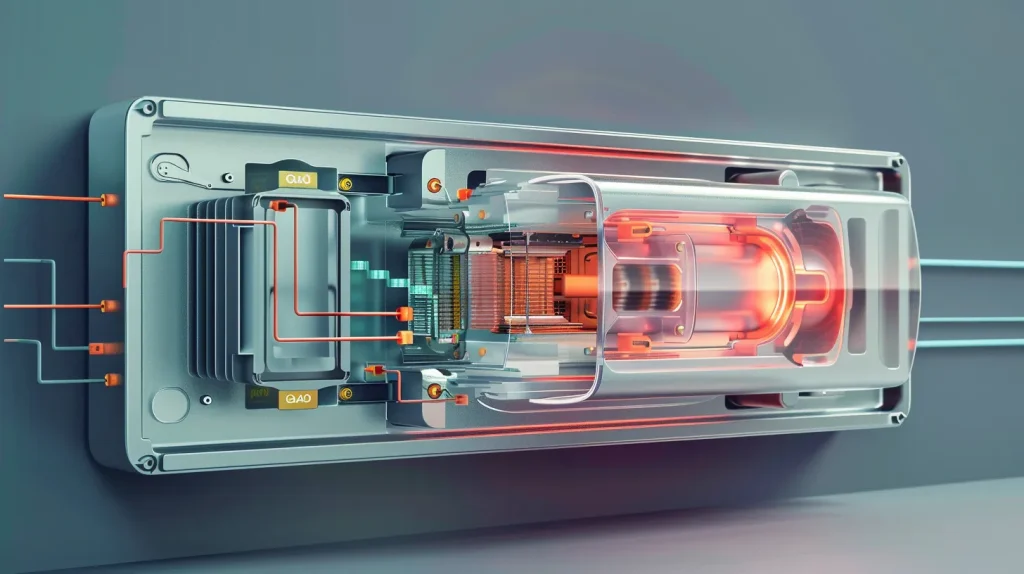
Thermal Management as a Hidden Cost Control Factor
Well-designed thermal management delivers measurable business value:
- Fewer failures and service calls
- Lower maintenance costs
- Longer product lifespan
- More predictable operational performance
For B2B customers, this directly improves total cost of ownership (TCO).
QIAO’s Approach to Thermal Management
At QIAO EV Charger, thermal management is a core design principle—not an afterthought.
QIAO AC charging solutions feature:
- Optimized internal structure for heat dissipation
- Multi-level temperature monitoring and protection
- Reliable operation in both indoor and outdoor environments
This allows QIAO wall-mounted and portable AC chargers to operate safely and consistently under high-frequency, long-duration charging conditions—making them well suited for commercial, fleet, and global deployments.