
As EV charging becomes a core part of commercial and fleet operations, energy cost optimization is no longer optional. Electricity prices, demand charges, and grid constraints directly affect the operating cost of EV charging infrastructure.
This article explains how businesses can optimize energy costs for EV charging, supported by global, authoritative data sources.

Demand Charges Are Often the Largest Cost Driver
For commercial and industrial users, electricity bills usually include:
- Energy charge (kWh)
- Demand charge (based on peak kW)
EV charging can significantly increase peak demand if multiple chargers operate simultaneously, resulting in high demand charges.
Managed charging strategies can reduce peak loads by shifting charging to off-peak periods or distributing power more evenly.
Data source:
https://www.energyhub.com/news/new-data-confirms-the-value-of-managed-ev-charging-for-utilities
Time-of-Use (TOU) and Dynamic Electricity Pricing
Many countries and regions apply time-of-use (TOU) or dynamic pricing models, where electricity prices vary throughout the day.
Charging during off-peak periods can significantly lower electricity costs, especially for fleets and commercial charging sites.
A California pilot showed that dynamic pricing pushed nearly all EV charging into off-peak hours, outperforming traditional TOU pricing.
Smart Charging Enables Load Shifting and Cost Control
Smart charging systems use software and communication protocols to control:
- Charging start and stop times
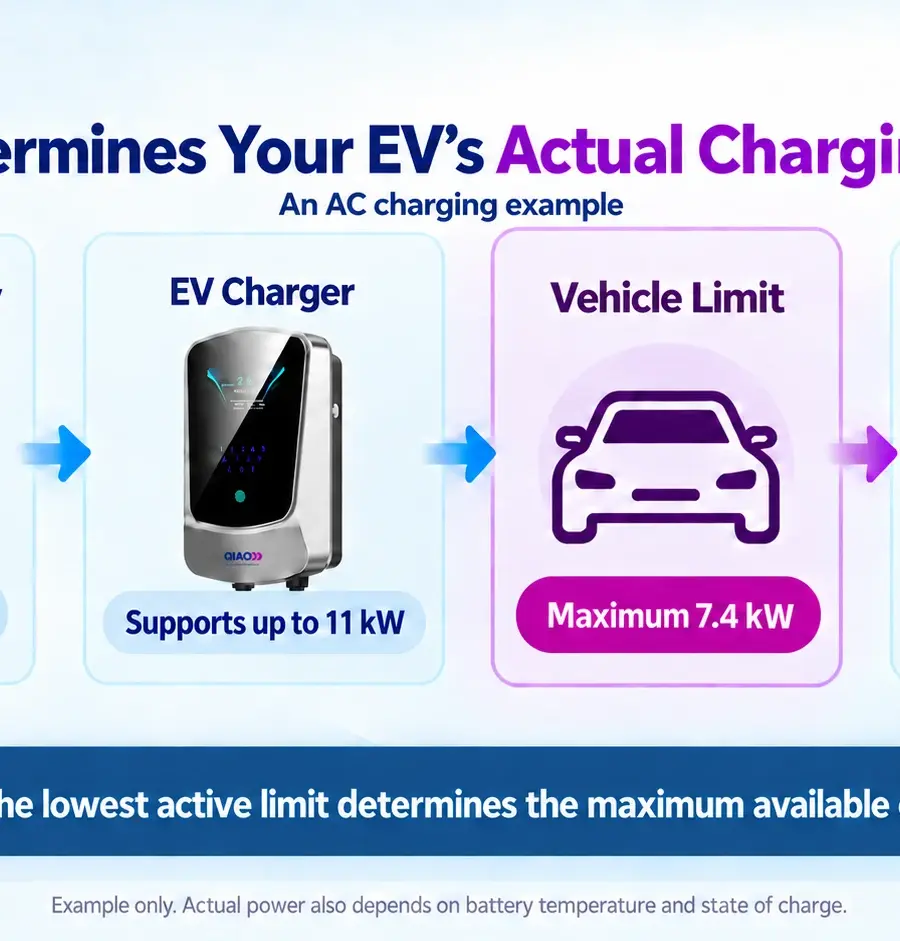
- Charging power levels
- Total site load limits
By coordinating multiple chargers, businesses can reduce simultaneous peak demand without affecting vehicle availability.
Studies show managed charging can shift over 60% of EV charging load to off-peak periods.
Data source:
https://www.energyhub.com/news/new-data-confirms-the-value-of-managed-ev-charging-for-utilities
Renewable Energy and Energy Storage Integration
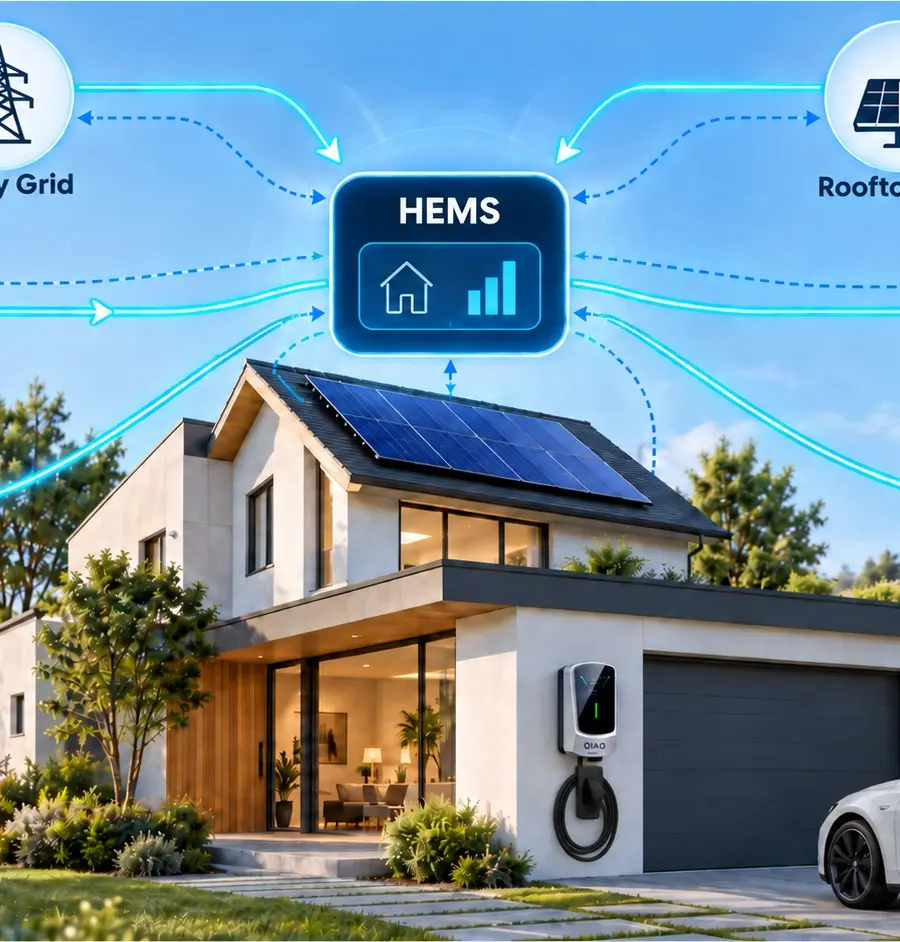
Onsite solar PV and battery energy storage systems (BESS) help businesses reduce grid dependency and avoid high electricity prices during peak periods.
The International Energy Agency (IEA) highlights demand flexibility and storage as key tools for lowering system-level electricity costs and improving grid efficiency.
Authoritative source:
https://www.iea.org/reports/demand-response
Utility Tariffs and Incentives Encourage Flexible Charging
Regulators and utilities worldwide are redesigning tariffs to encourage flexible electricity consumption, especially for EV charging.
These include:
- Lower off-peak EV charging tariffs
- Demand-response incentives
- Smart charging pilot programs
Such policies aim to reduce grid stress while lowering costs for end users.
Policy reference:
https://www.ofgem.gov.uk/energy-policy-and-regulation/policy-and-regulatory-programmes/flexibility
Real-World Cost Savings Evidence
In controlled trials, EV users participating in optimized charging programs achieved measurable cost savings.
In California, drivers using dynamic pricing saved approximately USD 10–20 per month compared to unmanaged charging behavior.
Practical Energy Cost Optimization Framework for Businesses
A typical enterprise-level strategy includes:
- Reviewing local electricity tariffs and demand charges
- Deploying smart chargers with load control
- Scheduling charging for off-peak hours
- Integrating solar and energy storage where feasible
- Monitoring charging data and adjusting strategies continuously
This approach allows EV charging infrastructure to scale without proportionally increasing energy costs.
Conclusion
Energy cost optimization is a core requirement for sustainable EV charging operations. By combining smart charging, off-peak scheduling, renewable integration, and flexible tariffs, businesses can significantly reduce electricity expenses while supporting grid stability.Using data-driven strategies supported by authoritative sources also strengthens compliance, investment decisions, and long-term operational resilience.