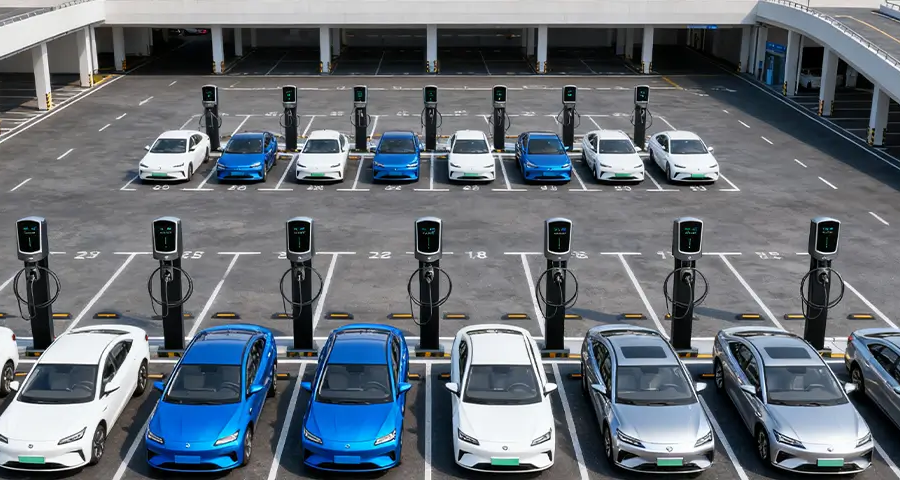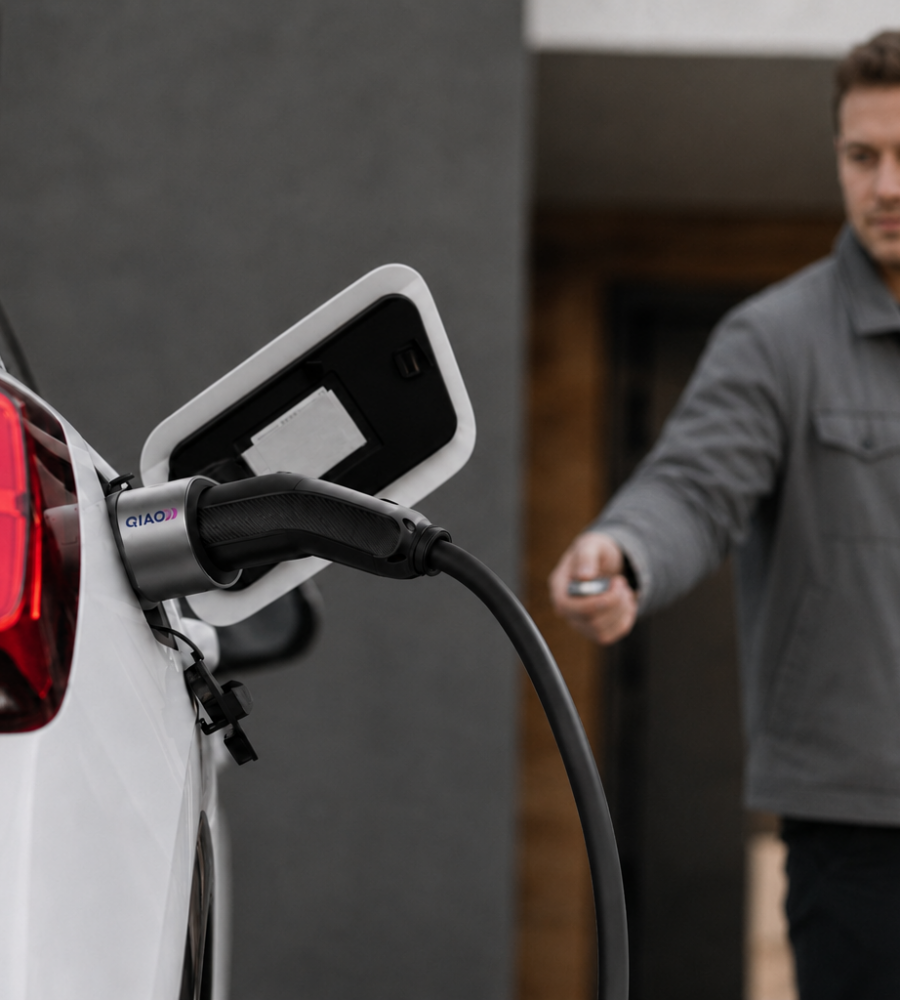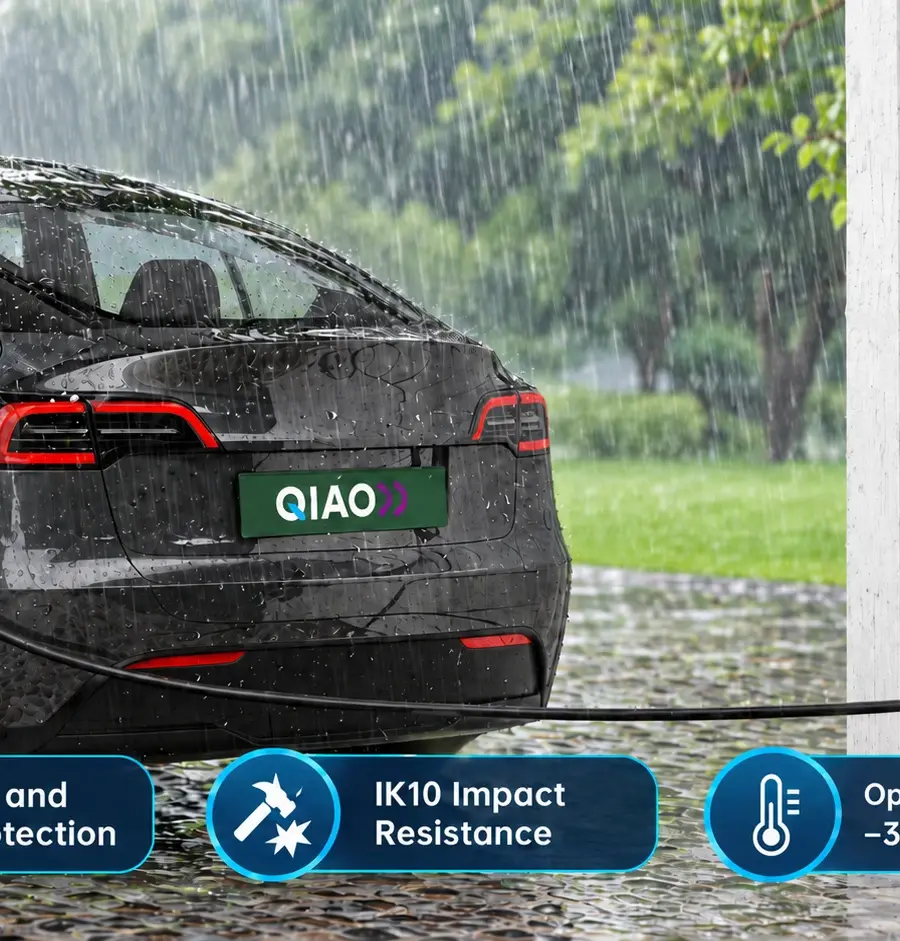

For fleet operators planning electrification, charging infrastructure decisions are no longer just technical—they are financial strategy decisions. Understanding the balance between CAPEX (capital expenditure) and OPEX (operating expenditure) is critical to building a scalable and profitable fleet charging system.
This article breaks down the real costs behind fleet charging and explains why AC charging combined with smart management is increasingly the preferred model.
Understanding CAPEX and OPEX in Fleet Charging
Before comparing charging solutions, it is important to clarify the two cost categories.
| Cost Type | Definition |
| CAPEX | One-time upfront investment (equipment, installation, grid upgrades) |
| OPEX | Ongoing operational costs (energy, maintenance, management, downtime) |
A cost-efficient fleet charging strategy aims to control both, not just reduce upfront spending.
CAPEX: Where Fleet Charging Costs Start
Charger Hardware
DC fast chargers typically require:
- High-power components
- Complex cooling systems
- Larger physical footprints
AC chargers, by contrast:
- Use simpler hardware
- Are compact and wall-mounted
- Cost significantly less per unit
For fleets deploying multiple charging points, hardware cost differences scale quickly.
Electrical Infrastructure & Grid Upgrades
High-power DC charging often triggers:
- Transformer upgrades
- New distribution panels
- Utility coordination delays
AC charging usually:
- Works within existing electrical capacity
- Requires minimal infrastructure changes
- Allows phased deployment
This makes AC charging far more predictable from a budgeting and timeline perspective.
Installation and Deployment
Installation complexity directly affects CAPEX.
| Item | DC Charging | AC Charging |
| Installation time | Long | Short |
| Civil work | Often required | Minimal |
| Permitting complexity | High | Lower |
| Expansion flexibility | Limited | High |
For fleets expanding over time, AC charging enables modular investment rather than large upfront bets.
OPEX: The Long-Term Cost Driver
While CAPEX is visible, OPEX often determines true total cost of ownership (TCO).
Energy Costs and Demand Charges
Unmanaged charging can cause:
- Peak demand spikes
- Higher electricity tariffs
- Unexpected energy bills
Smart AC charging enables:
- Load balancing across vehicles
- Off-peak charging schedules
- Power limits aligned with grid capacity
This directly reduces monthly energy expenses.
Maintenance and Reliability
DC fast chargers:
- Have more components
- Require specialized maintenance
- Are more expensive to repair
AC chargers:
- Are mechanically simpler
- Have lower failure rates
- Reduce long-term service costs
Lower complexity equals lower OPEX risk.
Operational Downtime
Downtime has a hidden cost:
- Vehicles unavailable
- Delayed routes
- Operational disruption
Smart charging systems provide:
- Remote monitoring
- Fault alerts
- Preventive maintenance data
This minimizes downtime and protects fleet productivity.
Smart Charging: Bridging CAPEX and OPEX
Smart charging is the layer that connects infrastructure investment to operational efficiency.
Key capabilities include:
- Dynamic load management
- Charging priority by vehicle schedule
- Power allocation based on availability
- Centralized fleet visibility
These features allow fleets to maximize infrastructure utilization without increasing CAPEX.
Cost Comparison Summary
| Cost Category | DC Fast Charging | AC + Smart Charging |
| Initial investment | Very high | Moderate |
| Grid upgrade risk | High | Low |
| Energy cost control | Limited | Strong |
| Maintenance cost | High | Low |
| Scalability | Complex | Flexible |
| Long-term TCO | High | Optimized |
For most fleet depots, AC + smart charging delivers the lowest cost per vehicle over time.
Why AC + Smart Charging Scales Better for Fleets
Fleet electrification is rarely a one-time project. Vehicles are added gradually, routes change, and energy prices fluctuate.
AC + smart charging allows fleets to:
- Start small and expand incrementally
- Adapt to changing operational needs
- Avoid stranded infrastructure investments
This flexibility is critical for long-term financial sustainability.
QIAO: Optimizing Fleet Charging CAPEX and OPEX
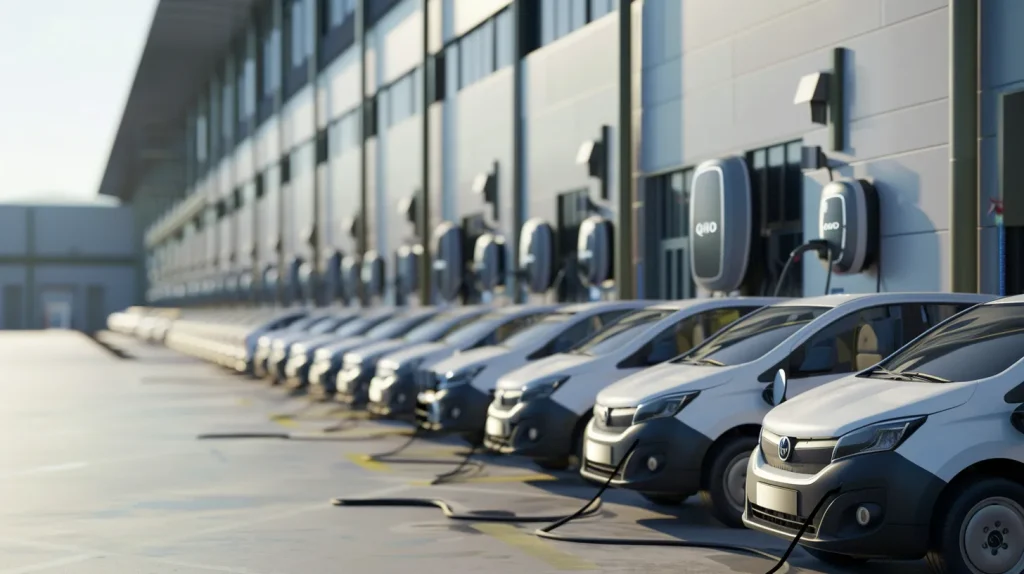
At QIAO EV Charger, we design commercial-grade AC charging solutions specifically for fleet environments.
Our wall-mounted and portable AC chargers support:
- Smart load balancing and scheduling
- OCPP-based remote management
- Scalable deployment without heavy grid upgrades
- Reliable operation for indoor and outdoor depots
QIAO helps fleet operators control both CAPEX and OPEX, turning electrification into a financially predictable and scalable strategy.